Is your dog constantly licking or biting their paws? You might be dealing with a yeast infection, a common problem that can cause itching, redness, and discomfort for your furry friend.
Finding the best treatment for dog paw yeast infection is crucial to ease their pain and get them back to their happy, playful self. You’ll discover simple, effective solutions that you can start using today to help your dog heal quickly and prevent future infections.
Keep reading to learn how to give your dog the relief they deserve.
Causes Of Paw Yeast Infection
Paw yeast infections in dogs happen when yeast grows too much on their skin. This causes itching, redness, and discomfort. Understanding what causes these infections helps to treat and prevent them. Several factors can trigger the yeast to multiply on a dog’s paws. These triggers include health, environment, and breed-specific traits.
Common Triggers
Yeast thrives in warm, moist places. Wet paws from rain or swimming create a perfect spot for yeast growth. Dogs that lick or chew their paws often can cause breaks in the skin. These breaks allow yeast to grow quickly. Allergies also play a role. They irritate the skin and make it easier for yeast to take hold. Poor hygiene or infrequent cleaning of paws can add to the problem. Sometimes, antibiotics or steroids disrupt the natural balance of skin microbes, leading to yeast overgrowth.
Breed And Environmental Factors
Some dog breeds are more prone to paw yeast infections. Breeds with thick fur around their paws trap moisture better. This moist environment invites yeast to grow. Dogs living in hot and humid climates face higher risks. Damp and warm conditions help yeast multiply faster. Dogs that spend a lot of time outdoors in such weather are more vulnerable. Also, dogs with weakened immune systems struggle to control yeast growth. Knowing these factors helps owners take extra care to prevent infections.

Credit: www.amazon.com
Symptoms To Watch For
Recognizing the symptoms of a dog paw yeast infection is key to quick treatment. Early signs help you act before the infection worsens. Watch closely for changes in your dog’s paws and habits. These clues often reveal the problem early.
Physical Signs
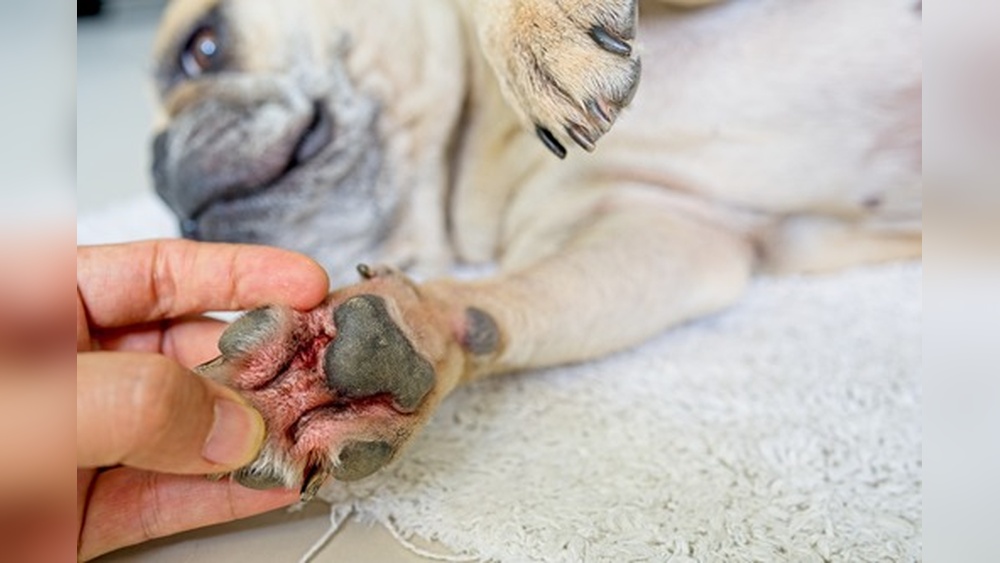
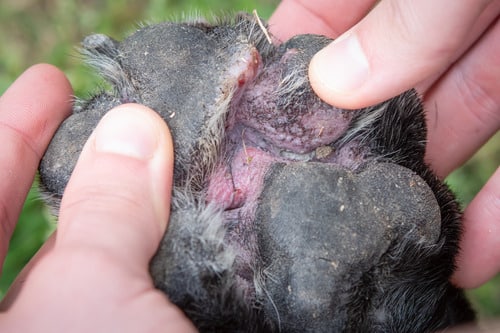
Look for redness and swelling between the paw pads. The skin may become thick or flaky. You might notice a bad smell coming from the paws. Your dog’s nails could turn brittle or discolored. Sometimes, the paws feel warm to the touch. Constant licking or chewing on the paws is common. These signs usually show on one or more paws.
Behavioral Changes
Your dog may seem restless or uncomfortable. Scratching and biting the paws more than usual is a red flag. They might limp or avoid walking on certain paws. Changes in mood, such as irritability, can occur. Watch if your dog hides or avoids contact. These behaviors often point to pain or itching from infection.
Home Remedies That Help
Dealing with a dog paw yeast infection can be tough. Home remedies offer gentle ways to ease discomfort and fight infection. Simple care routines can help your dog feel better fast. These remedies support healing and reduce itchiness naturally.
Cleaning And Soothing
Start by cleaning your dog’s paws daily. Use warm water and mild soap to remove dirt and yeast. Dry the paws well after washing. Moisture can worsen yeast infections. A clean, dry paw helps stop yeast growth.
Soothing the paws reduces redness and irritation. Apply a cool compress to calm inflamed skin. Avoid harsh chemicals that can hurt your dog’s skin. Gentle care makes your dog more comfortable.
Natural Antifungal Options
Some natural products fight yeast without strong chemicals. Coconut oil has antifungal properties and soothes skin. Rub a small amount on affected paws daily. Tea tree oil works too but dilute it well. Use a few drops mixed with a carrier oil.
Apple cider vinegar can help balance the skin’s pH. Mix equal parts with water and gently apply. Avoid open wounds or raw skin. These natural options support healing and reduce yeast growth safely.
Veterinary Treatments
Veterinary treatments play a key role in curing dog paw yeast infections. A vet can diagnose the infection accurately and suggest the best treatment. These treatments help clear the infection faster and prevent it from returning. Proper care from a professional is important for your dog’s health.
Topical Medications
Topical medications are creams, ointments, or sprays applied directly to the infected paw. They work by killing yeast on the skin’s surface. These medicines reduce itching and swelling quickly. Applying them as the vet directs is important for the best results. Cleaning the paw before applying medicine helps it work better.
Oral Antifungals
Oral antifungal drugs treat yeast infections from inside the body. They reach areas that topical treatments cannot. Vets prescribe these medicines for severe or widespread infections. The treatment usually lasts several weeks. Giving the full dose is important to stop the infection completely. Watch your dog for side effects and tell the vet if any appear.
When To Seek Professional Care
See a vet if your dog’s paw is red, swollen, or very itchy. If the infection lasts more than a few days, professional care is needed. A vet can avoid complications and suggest the right treatment plan. Early care helps your dog heal faster and feel better. Don’t wait if the condition worsens or spreads to other paws.
Preventing Future Infections
Preventing future dog paw yeast infections is important for your pet’s health. Constant care helps avoid discomfort and repeated visits to the vet. Small daily habits can reduce the chance of yeast growing again.
Hygiene Tips
Keep your dog’s paws clean and dry. Wash paws after walks, especially if they are muddy or wet. Use a mild, pet-safe cleanser to remove dirt and allergens. Dry paws thoroughly with a soft towel. Check between the toes for redness or smell. Trim hair around the paws to improve air flow and reduce moisture. Regularly clean your dog’s bedding and toys to lower yeast spores. Avoid walking on wet or dirty surfaces often.
Diet And Immune Support
Feed your dog a balanced diet with high-quality ingredients. Good nutrition boosts the immune system to fight infections. Include foods rich in omega-3 fatty acids for healthy skin. Avoid sugary treats that can feed yeast growth. Consider adding probiotics to help maintain healthy gut bacteria. Fresh water should be available all day to keep your dog hydrated. Healthy dogs resist infections better and recover faster.
Credit: arrowheadvets.com
Choosing The Right Treatment
Choosing the right treatment for dog paw yeast infection is important for quick healing. Different cases need different care. Some infections are mild and easy to treat. Others need stronger or longer treatments. Knowing how serious the infection is helps pick the best option. Treatment may include creams, shampoos, or medicines. Sometimes, using more than one method works best.
Assessing Severity
Look closely at your dog’s paws. Check for redness, swelling, or bad smell. Mild infections cause light itching and small patches of redness. Severe cases show thick skin, cracking, or pus. Notice if your dog licks paws a lot. Severe infections can spread to other body parts. A vet’s checkup is best for accurate severity. Mild cases may only need topical treatments. Serious infections often require oral medicine.
Combination Therapies
Using more than one treatment can speed recovery. Medicated shampoos clean and kill yeast on the skin. Creams or sprays target yeast in specific spots. Oral antifungal drugs reach deep infections. Baths with antifungal shampoo twice a week help. After drying, apply cream on affected paws. Follow the vet’s advice for how long to treat. Combining therapies can reduce chances of infection return. Always keep your dog’s paws clean and dry during treatment.

Credit: www.amazon.com
Frequently Asked Questions
What Are The Best Treatments For Dog Paw Yeast Infection?
The best treatments include antifungal shampoos, medicated wipes, and oral antifungal medications. Keeping paws clean and dry is essential. Consult your vet for proper diagnosis and treatment.
How Long Does A Dog Paw Yeast Infection Last?
With proper treatment, a yeast infection usually clears within 1 to 3 weeks. Persistent infections may require longer care and veterinary follow-up.
Can I Treat My Dog’s Yeast Infection At Home?
Yes, mild infections can be managed with vet-approved antifungal products and paw hygiene. However, severe or recurring infections need professional veterinary care.
What Causes Yeast Infections On Dog Paws?
Yeast infections occur due to moisture, allergies, weakened immunity, or poor hygiene. Warm, damp environments promote yeast growth on paws.
Conclusion
Treating dog paw yeast infections early helps your pet feel better fast. Clean paws with gentle care and use vet-approved treatments. Keep your dog’s paws dry and check them often. A healthy diet supports healing and prevents infections. Always watch for signs and act quickly to stop problems.
Your dog’s comfort and health matter most. Simple steps can make a big difference in paw care. Stay consistent, patient, and kind to your furry friend.