Your dog’s paws carry them through every adventure, but they also pick up dirt, germs, and allergens along the way. If you want to keep your furry friend healthy and your home clean, knowing the best way to clean your dog’s paws is essential.
Imagine avoiding muddy paw prints on your floors and preventing itchy skin or infections for your pet. You’ll discover simple, effective methods to clean your dog’s paws quickly and safely—making both you and your dog happier every day. Keep reading to find out how easy it can be!
Why Clean Paws Matter
Keeping your dog’s paws clean is more important than many pet owners think. Dirty paws can carry germs, dirt, and harmful substances into your home. Regular cleaning helps keep your dog safe and your living space fresh. It also improves your dog’s comfort and health in many ways.
Health Benefits For Dogs
Clean paws reduce the risk of infections. Dirt and bacteria can cause skin problems. Removing these helps prevent irritation and sores. It also stops your dog from licking harmful substances. Clean paws keep your dog healthy and happy.
Preventing Home Mess
Dirty paws bring mud, grass, and germs inside. This can make floors and furniture dirty. Cleaning paws stops messes before they start. It saves time spent on cleaning your home. A clean house feels more comfortable for everyone.

Credit: pupford.com
Common Paw Dirt And Debris
Dogs explore the world with their paws. Their paws come into contact with many types of dirt and debris. Cleaning paws regularly helps keep dogs healthy and comfortable. Understanding common paw dirt can help you clean more effectively.
Mud And Dirt
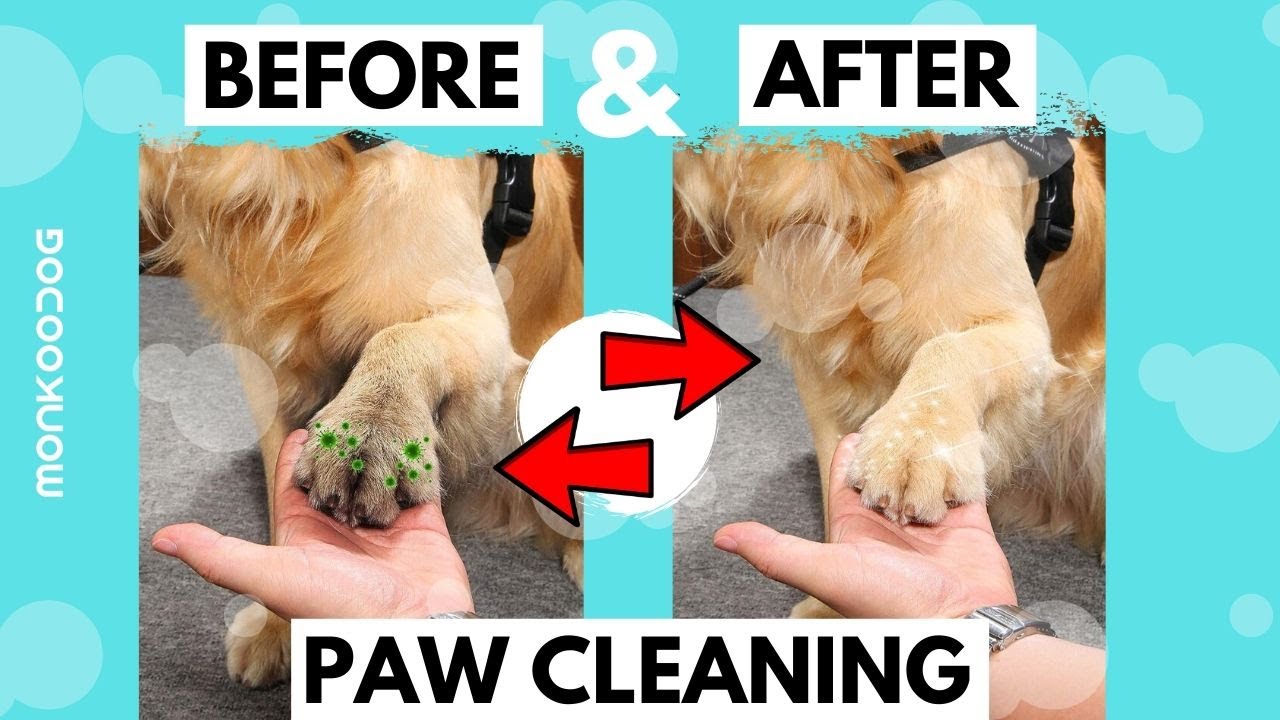
Mud sticks easily to dog paws during walks or playtime. Dirt can get trapped between paw pads and nails. This can cause discomfort or bad odor. Removing mud and dirt quickly prevents infections and irritation. A gentle wash with warm water usually works well.
Allergens And Chemicals
Paws pick up allergens like pollen or dust from the ground. Chemicals from fertilizers or road salt can also stick to paws. These substances may cause itching or allergic reactions. Cleaning paws after outdoor activities helps remove harmful particles. Use mild, pet-safe soap to avoid skin dryness.
Small Objects And Injuries
Sharp objects like thorns, small stones, or glass can lodge in paws. These can cause cuts or pain if left unnoticed. Check paws carefully after walks in rough areas. Remove any debris carefully and look for signs of injury. Early care prevents infections and speeds healing.
Tools For Paw Cleaning
Cleaning your dog’s paws is important for their health and comfort. Using the right tools makes the job easier and more effective. The best tools help remove dirt, mud, and germs gently. They also protect your dog’s skin and nails.
Paw Wipes
Paw wipes are quick and easy to use. They are soft and safe for dogs. Wipes remove dirt and small debris well. Use them after short walks or light play. Choose wipes with natural ingredients for sensitive paws.
Soft Brushes
Soft brushes help clean between paw pads. They remove stuck dirt and mud. Brushes also massage the paws, improving blood flow. Use gentle strokes to avoid irritation. Brushes work well for dogs with thick fur.
Warm Water And Towels
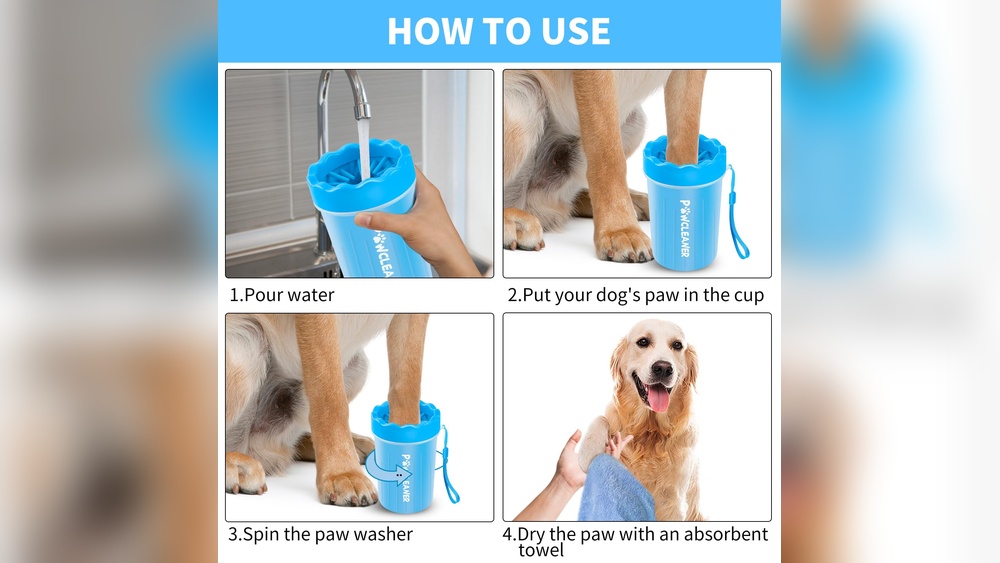
Warm water loosens dirt and soothes paws. Dip your dog’s paws in water for a few seconds. Then, dry them with a soft towel. This method cleans deeply and refreshes your dog. Use it after muddy or wet walks.
Credit: www.youtube.com
Step-by-step Cleaning Process
Cleaning your dog’s paws is an important part of pet care. It keeps your dog healthy and your home clean. A clear, easy process helps you clean paws well every time. Follow these steps for safe and gentle paw cleaning.
Prepare The Cleaning Area
Choose a quiet spot with good light. Use a shallow basin or bowl filled with lukewarm water. Have soft towels ready for drying. Keep your dog calm with gentle petting or treats. Gather mild dog shampoo or paw wipes nearby.
Gentle Washing Techniques
Place one paw at a time in the water. Use your hand or a soft cloth to clean dirt and mud. Rub gently between the toes and pads. Avoid strong soap or harsh scrubbing. Rinse the paw thoroughly to remove all shampoo or dirt.
Drying And Moisturizing
Pat the paw dry with a clean towel. Make sure to dry between the toes well. Apply a dog-safe paw balm or moisturizer to keep skin soft. Avoid human lotions as they may harm your dog. Repeat for each paw to complete the process.
Diy Paw Cleaning Solutions
Cleaning your dog’s paws at home is simple and effective. DIY paw cleaning solutions save money and keep your dog healthy. Using natural ingredients is gentle on your dog’s skin. These solutions help remove dirt, allergens, and bacteria safely.
Homemade Paw Soaks
Homemade paw soaks are easy to prepare. Use warm water mixed with gentle ingredients. Soaking your dog’s paws softens dirt and debris. It also soothes irritated skin. Soak for five to ten minutes for best results.
Add Epsom salt to warm water to reduce swelling. Use chamomile tea as a calming soak. These natural soaks clean and refresh paws without harsh chemicals.
Natural Cleaning Ingredients
Natural ingredients clean paws safely and gently. Coconut oil moisturizes and fights bacteria. Baking soda removes odors and dirt. Apple cider vinegar kills germs and balances pH. Mix these with water for a mild cleaning solution.
Use a soft cloth or brush with these ingredients. Avoid harsh soaps or chemicals that irritate skin. Natural ingredients keep your dog’s paws healthy and soft.
Tips For Sensitive Paws
Cleaning your dog’s paws is important for their health. Sensitive paws need extra care to avoid pain or irritation. Use soft methods and mild products for the best results.
Watch your dog’s paws closely. Look for signs of redness, swelling, or cuts. These signs mean the paws need gentle cleaning and special attention.
Identifying Irritations
Check paws after every walk. Look between toes for dirt or small stones. Notice any limping or licking of paws. These may show discomfort or injury.
Redness or swelling tells you to clean paws softly. Avoid scrubbing hard or using rough cloths. Sensitive paws can get worse with harsh cleaning.
Choosing Gentle Products
Pick products made for sensitive skin. Use mild soaps or paw wipes free of strong chemicals. Avoid anything with alcohol or scents that may sting.
Test new products on a small area first. Watch for any reaction before full use. Use warm water and soft towels for cleaning and drying.
Maintaining Paw Hygiene Daily
Keeping your dog’s paws clean every day helps prevent infections and discomfort. Daily care removes dirt, allergens, and harmful substances. It also helps spot injuries early. Clean paws improve your dog’s health and comfort.
Routine Checks
Look at your dog’s paws every day. Check between the toes and pads for cuts or swelling. Watch for redness or signs of irritation. Feel for any lumps or foreign objects. Early spotting stops bigger problems later.
Post-walk Cleaning Habits
After each walk, wipe your dog’s paws with a damp cloth. Use warm water to remove mud and debris. Dry the paws well to avoid moisture buildup. For sticky or tough dirt, use a gentle pet-safe soap. This keeps paws clean and healthy daily.

Credit: www.amazon.com
When To See A Vet
Knowing when to see a vet for your dog’s paw care is very important. Some problems need professional help to avoid serious issues. Regular cleaning is good, but certain signs mean it is time to visit the vet. Early attention can save your dog pain and discomfort.
Signs Of Infection
Look for redness, swelling, or pus around the paws. A bad smell can also show infection. Your dog may lick or chew the paws more than usual. These signs show that bacteria or fungus might be growing. If you see any of these, a vet visit is necessary. Infections can get worse fast without treatment.
Persistent Discomfort
Your dog may limp or avoid walking on one paw. This means pain that does not go away after cleaning. Check for cuts, thorns, or foreign objects stuck in the paw. If your dog keeps showing discomfort for several days, get help. Persistent pain can lead to more serious problems. A vet can find the cause and give the right care.
Frequently Asked Questions
How Often Should I Clean My Dog’s Paws?
Clean your dog’s paws after every outdoor walk or playtime. Regular cleaning prevents dirt, germs, and allergens buildup. It also helps avoid infections and irritation, especially in wet or muddy conditions. Consistent paw care keeps your dog comfortable and healthy.
What Is The Best Method To Clean Dog Paws?
Use lukewarm water and a gentle pet-safe soap to clean paws. Soak a soft cloth or sponge, then wipe each paw thoroughly. Dry the paws completely to prevent moisture buildup. This method removes dirt, bacteria, and harmful substances effectively.
Can I Use Baby Wipes To Clean Dog Paws?
Yes, baby wipes can be used if they are fragrance-free and alcohol-free. They offer a quick and convenient way to clean minor dirt and debris. However, avoid using wipes with harsh chemicals that can irritate your dog’s skin.
Should I Trim Hair Around My Dog’s Paws?
Yes, trimming hair around paws helps prevent dirt and debris accumulation. It also reduces the risk of matting and skin infections. Use blunt-nosed scissors or clippers carefully to avoid cutting the skin. Regular trimming supports easier and cleaner paw maintenance.
Conclusion
Cleaning your dog’s paws keeps them healthy and happy. It stops dirt and germs from causing problems. Use gentle water and a soft cloth or brush. Check paws often for cuts or stuck debris. Regular cleaning helps your dog enjoy walks more.
Simple care routines build strong bonds with your pet. Keep the process calm and positive each time. Your dog will thank you with wagging tails and joy. Small steps make a big difference in pet care.