If your dog ever gets a wound, knowing the best way to clean it can make all the difference. You want to help your furry friend heal quickly and avoid infection, but it’s easy to feel unsure about what to do.
You’ll discover simple, effective steps to clean your dog’s wound safely at home. By the time you finish reading, you’ll feel confident and ready to take care of your dog’s injury the right way. Keep reading—your dog’s health depends on it!

Credit: www.petmd.com
Identifying Dog Wounds
Identifying dog wounds early helps prevent serious problems. Knowing the types and signs of wounds helps you act fast. Careful observation is key to spotting injuries on your dog’s skin. Some wounds look small but can cause big trouble if left untreated.
Common Types Of Wounds
Dogs can get cuts, scrapes, or punctures from many things. Cuts are open wounds with bleeding. Scrapes happen when skin rubs against rough surfaces. Puncture wounds are deep and caused by sharp objects. Bite wounds may look small but often go deep. Each type needs different care to heal well.
Signs Of Infection
Infections make wounds worse and slow healing. Look for redness, swelling, or heat near the wound. Pus or bad smell also shows infection. Your dog may lick or bite the sore spot often. Notice if your dog feels pain or acts tired. These signs mean the wound needs more care.
When To See A Vet
Some wounds need expert help from a vet. Go to the vet if the wound is deep or bleeding a lot. If your dog shows signs of infection, do not wait. Wounds from bites or dirty objects need a vet’s check. Also, seek help if your dog is limping or acting very weak. Early vet care avoids serious health issues.
Credit: www.pdsa.org.uk
Initial Steps For Cleaning
Cleaning a dog’s wound properly helps it heal fast and stops infections. Using the right techniques keeps your dog safe and comfortable. Gentle care is key to avoid pain or damage to the skin. Follow simple steps to clean wounds effectively at home.
Using Saline Solution
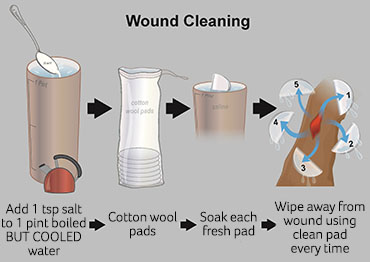
Saline solution is safe and gentle for cleaning wounds. It flushes out dirt and bacteria without hurting the skin. You can buy saline or make it by mixing one teaspoon of salt in a cup of boiled water. Let the solution cool before use. Pour it slowly over the wound or soak a clean cloth and dab gently.
Avoiding Harmful Products
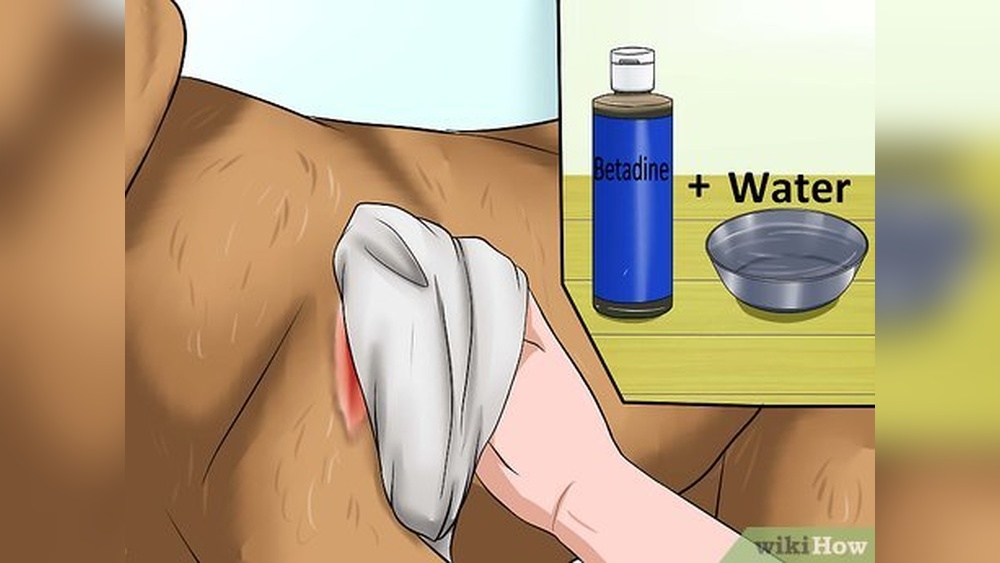
Never use hydrogen peroxide, alcohol, or iodine directly on wounds. These products can burn tissue and delay healing. Avoid soaps with strong chemicals. Use only mild, pet-safe cleansers if needed. Stick to saline or clean water for the best results.
Proper Wiping And Rinsing
Use a soft cloth or gauze to wipe the wound carefully. Always wipe from the inside out to push dirt away. Rinse the wound with saline to remove any leftover debris. Pat dry gently with a clean towel. Avoid rubbing, which can cause pain and damage skin.
Cleaning Techniques
Promoting faster healing of your dog’s wound is important to avoid infections and pain. Proper care helps the skin close and grow new cells quickly. This reduces the chance of scars and other problems. Follow these simple steps to help your dog heal better and feel comfortable.
Applying Antiseptic Ointments
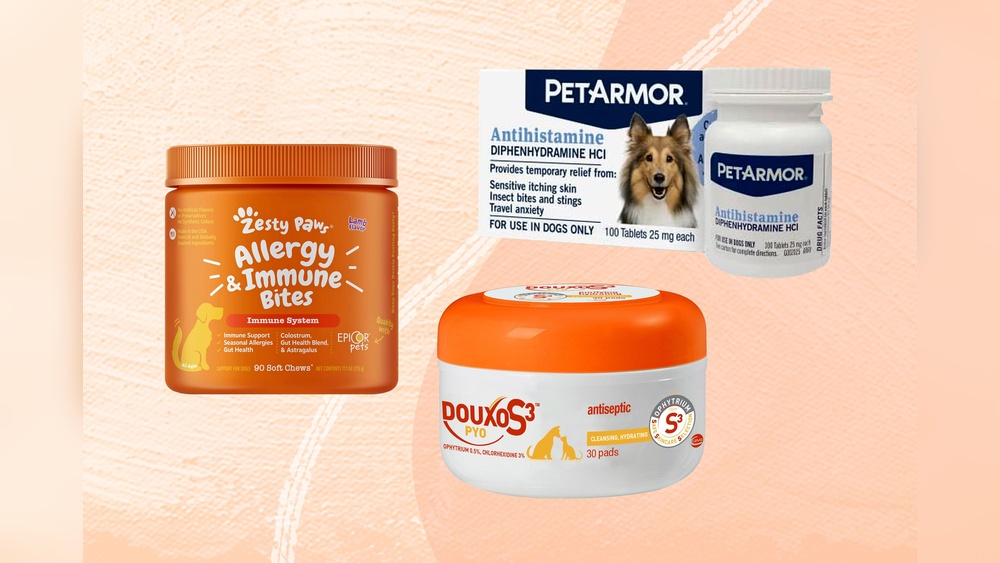
Use antiseptic ointments to clean the wound and kill germs. Apply a thin layer gently on the injured area. These ointments stop bacteria from growing and reduce infection risks. Always choose products made for pets or recommended by your vet. Avoid human creams as they may harm your dog’s skin.
Keeping The Wound Dry
Keep the wound dry to speed up healing. Moisture can cause bacteria to grow and slow recovery. Use a clean cloth to pat the wound dry after cleaning. Avoid bathing your dog until the wound is fully healed. Cover the wound with a breathable bandage if needed to protect it from dirt and water.
Preventing Licking And Scratching
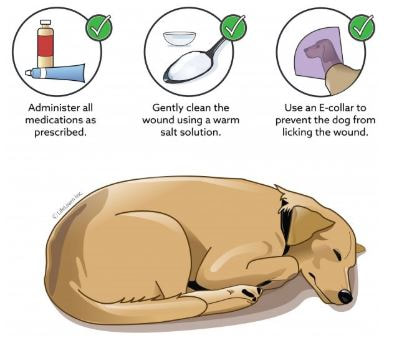
Licking and scratching can damage the wound and cause infection. Use an Elizabethan collar or protective clothing to stop your dog from reaching the wound. Check the wound regularly for signs of irritation or swelling. Distract your dog with toys or treats to keep it from licking or scratching the injured area.
Credit: www.friendsofthedog.co.za
Promoting Faster Healing
Monitoring recovery is key after cleaning your dog’s wound. It helps ensure the wound heals properly and avoids infection. Careful observation can spot problems early. This keeps your dog safe and comfortable.
Signs Of Healing Progress
Look for reduced redness and swelling around the wound. The skin should start closing up and look less raw. New tissue may appear pink and moist. Your dog should lick less and show less pain. These signs mean healing is on track.
When To Change Dressings
Change dressings if they become wet, dirty, or loose. Keep the wound covered to protect it from dirt. Replace the bandage daily or as your vet suggests. Always wash your hands before and after changing dressings. This prevents germs from spreading.
Recognizing Complications
Watch for increased redness, swelling, or bad smell. Pus or fluid leaking from the wound needs attention. Your dog may seem more tired or refuse to eat. If the wound opens or bleeds, contact your vet. Early action stops serious problems from growing.
Monitoring Recovery
Many pet owners want to treat their dog’s wounds at home. They often try natural remedies or follow common advice from friends or online. Some home treatments can help, but some might hurt your dog more. It is important to know which remedies are safe and which ones to avoid. Clearing up myths around wound care can protect your dog from infections and slow healing.
Safe Natural Treatments
Clean the wound gently with warm water. Use mild soap only if needed. Honey has natural healing and antibacterial effects. Apply a thin layer of raw honey on the wound. Aloe vera gel soothes irritation and helps healing. Use only pure aloe vera, not products with added chemicals. Chamomile tea can reduce inflammation. Cool the tea, then dab it on the wound with a clean cloth.
Avoiding Common Mistakes
Do not scrub the wound hard. It can cause more damage. Keep the wound dry after cleaning. Moisture can lead to infection. Do not cover the wound too tightly. Your dog needs air to heal. Change any bandages daily or if wet. Watch your dog not to lick or bite the wound. Use an Elizabethan collar if needed.
What Not To Use
Never apply hydrogen peroxide or alcohol directly. They damage healthy cells and delay healing. Avoid using butter, oils, or any greasy substances. These trap dirt and bacteria. Do not use human antibiotic ointments without vet advice. Some ingredients can harm dogs. Avoid powders and creams not made for pets. They can cause allergic reactions or irritation.
Frequently Asked Questions
How Do I Safely Clean A Dog Wound At Home?
First, wash your hands and wear gloves. Use saline solution or clean water to gently rinse the wound. Avoid hydrogen peroxide or alcohol as they irritate tissue. Pat dry with a clean cloth and apply a vet-recommended antiseptic ointment.
What Supplies Are Needed To Clean A Dog Wound?
You need clean gloves, saline solution or sterile water, gauze pads, antiseptic ointment, and clean cloths. These supplies help prevent infection and promote healing. Always use vet-approved products for your dog’s safety.
When Should I Seek Veterinary Care For A Dog Wound?
If the wound is deep, bleeding heavily, or shows signs of infection, contact your vet immediately. Also, seek help if your dog is in pain, the wound doesn’t heal in a few days, or if debris is embedded.
Can I Use Hydrogen Peroxide To Clean My Dog’s Wound?
No, hydrogen peroxide can damage healthy tissue and delay healing. It is better to use saline solution or vet-approved antiseptics to clean your dog’s wound safely.
Conclusion
Cleaning your dog’s wound quickly helps prevent infection and pain. Use clean water or a mild solution to gently wash the area. Avoid harsh chemicals or strong soaps. Keep the wound dry and watch for any changes. If the wound looks worse or does not heal, visit your vet soon.
Taking these simple steps keeps your dog healthy and comfortable. Caring for wounds shows your love and helps them recover fast. Always stay calm and gentle during the process. Your dog depends on you for safe, careful care.