
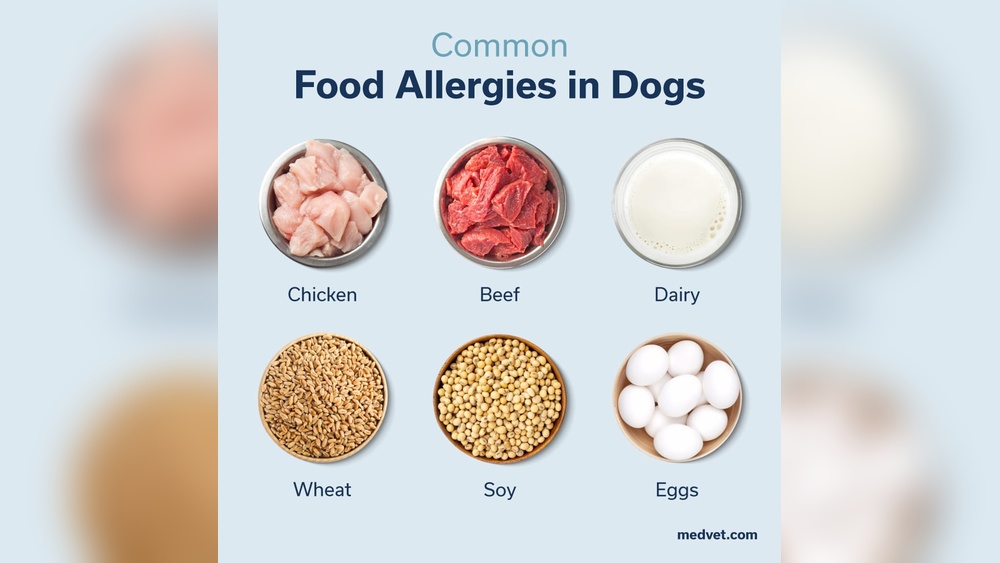
If your dog struggles with chicken allergies, finding the right food can feel like a constant challenge. You want to keep your furry friend healthy and happy, but many dog foods contain chicken or its by-products.
Don’t worry—you’re not alone, and there are great options out there made just for dogs like yours. You’ll discover the best dog food choices that avoid chicken, help reduce allergic reactions, and support your dog’s overall well-being. Keep reading to find the perfect meal that your dog will love and that keeps allergies at bay.
Causes Of Chicken Allergies In Dogs
Chicken allergies in dogs occur when the immune system reacts to proteins in chicken. This reaction causes discomfort and health issues. Understanding what triggers these allergies helps pet owners choose the right food.
Some dogs develop allergies after eating chicken multiple times. The immune system mistakes chicken proteins for harmful substances. This confusion causes the body to attack itself.
Common Symptoms
Dogs with chicken allergies show several signs. Itching and scratching are the most common. Skin redness and rashes appear in many cases. Some dogs suffer from ear infections and hair loss. Digestive problems like vomiting or diarrhea may also occur. Watch your dog closely for these symptoms.
How Allergies Develop
Allergies form when the immune system reacts to a harmless protein. The first exposure may cause no reaction. Repeated exposure triggers the immune system to overreact. The body releases chemicals causing inflammation and itching. Over time, symptoms worsen if the dog keeps eating chicken. Avoiding chicken helps reduce allergic reactions.
Benefits Of Hypoallergenic Dog Food
Hypoallergenic dog food offers clear benefits for dogs with chicken allergies. It avoids common allergens and uses safe ingredients. This type of food supports overall health and comfort. Dogs can enjoy meals without pain or discomfort.
Improved Digestion
Hypoallergenic dog food contains simple ingredients. These are easier for dogs to digest. It reduces stomach upset and bloating. Dogs absorb nutrients better, which boosts energy. Gentle digestion helps maintain a healthy gut. It prevents diarrhea and vomiting often linked to allergies.
Reduced Skin Irritations
Skin problems are common in dogs with allergies. Hypoallergenic food lowers inflammation and itching. It avoids ingredients that cause rashes and redness. Healthier skin means less scratching and discomfort. Dogs feel calmer and more relaxed. This food supports a shiny, healthy coat as well.
Key Ingredients To Avoid
Choosing the right dog food for a dog with chicken allergies means knowing what to avoid. Some ingredients can cause allergic reactions or digestive problems. This section highlights key ingredients that should not be in your dog’s food. Understanding these helps keep your dog healthy and comfortable.
Chicken And Poultry By-products
Chicken is the most common allergen in dog food. Poultry by-products include parts like feet, necks, and organs. These can trigger allergies even if the label only says “by-products.”
Always check labels for any mention of chicken or poultry by-products. Even small amounts can cause itching, swelling, or stomach upset. Avoid all forms of chicken to protect your dog.
Common Fillers And Additives
Fillers like corn, wheat, and soy often hide in dog food. These can worsen allergies or cause new sensitivities. Artificial colors, flavors, and preservatives may also cause reactions.
Choose dog food without these fillers and additives. Simple, natural ingredients are easier for allergic dogs to digest. Reading ingredient lists carefully helps avoid problems.
Top Hypoallergenic Dog Food Brands
Top hypoallergenic dog food brands focus on safe ingredients. They help dogs with chicken allergies stay healthy and happy. These brands avoid common allergens and use gentle recipes. Each brand offers unique benefits for sensitive dogs. Choosing the right one supports your dog’s digestion and skin health.
Limited Ingredient Diets
Limited ingredient diets have fewer ingredients. They reduce the risk of allergic reactions. These diets often use one protein and a few carbs. This makes it easier to identify allergies. Popular brands include Natural Balance and Blue Buffalo Basics. These foods avoid chicken and use safe alternatives. They provide essential nutrients without extra fillers.
Novel Protein Options
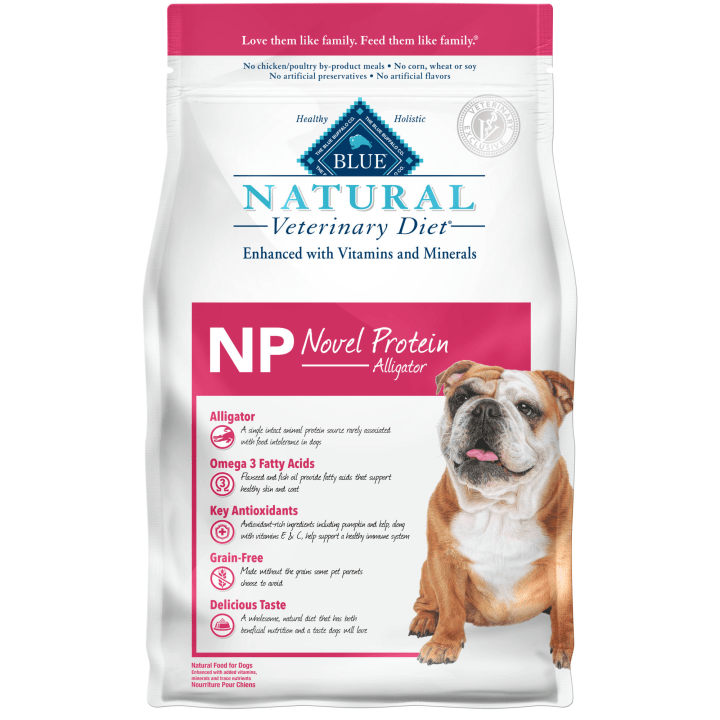
Novel proteins are new or uncommon proteins for dogs. They help dogs avoid common allergens like chicken. Examples include duck, venison, and kangaroo. Brands like Canidae and Merrick offer these options. Novel proteins support dogs with food sensitivities. They keep meals interesting and nutritious for your dog.
Diy Hypoallergenic Dog Food Ideas
Making your own hypoallergenic dog food can be a smart choice. It helps control what goes into your dog’s meal. This is key for dogs with chicken allergies. Homemade meals allow you to avoid ingredients that cause problems. You can use safe ingredients that keep your dog healthy and happy.
DIY dog food needs careful planning. Dogs require many nutrients to stay strong. Balancing proteins, fats, and vitamins is essential. Let’s explore safe protein options and how to balance nutrition in homemade meals.
Safe Protein Sources
Select proteins that do not cause allergies. Turkey, duck, and rabbit are good choices. Fish like salmon and whitefish work well too. Eggs can also be a safe protein source. These options provide essential amino acids for muscle health. Avoid chicken and other common allergens. Always introduce new proteins slowly to watch for reactions.
Balanced Nutritional Components
Include vegetables like carrots, peas, and sweet potatoes. These add fiber and vitamins to meals. Use brown rice or quinoa for energy and digestion. Add healthy fats from fish oil or flaxseed oil. These support skin and coat health. A homemade dog meal needs a vitamin and mineral supplement. Consult a vet to find the right balance. Proper nutrition keeps your dog strong and energetic.
Credit: www.bluediamondsgr.org
Tips For Transitioning To New Dog Food
Changing your dog’s food requires care and patience. Dogs with chicken allergies need special diets. Sudden food changes can upset their stomachs. A smooth transition helps avoid digestive issues. It also helps your dog accept the new food better.
Gradual Introduction
Start by mixing a small amount of new food with the old one. Use about 25% new food and 75% old food for the first three days. Then, increase the new food to 50% for the next three days. After that, use 75% new food and 25% old food. Finally, feed only the new food. This slow change helps your dog’s stomach adjust.
Monitoring For Reactions
Watch your dog closely during the change. Check for itching, redness, or swelling. Notice any vomiting or diarrhea. These signs may mean an allergy or intolerance. If you see any problems, stop the new food. Contact your vet for advice. Early detection keeps your dog safe and healthy.
When To Consult Your Veterinarian
Noticing signs of a chicken allergy in your dog calls for expert advice. Early consultation with a veterinarian helps protect your dog’s health. A vet can confirm allergies and suggest the best care plan. Avoid guessing or self-treatment to prevent worsening symptoms.
Allergy Testing
Veterinarians use tests to find the exact allergy cause. Skin tests or blood tests reveal if chicken triggers the reaction. These tests provide clear answers and guide food choices. Accurate diagnosis avoids unnecessary diet changes and discomfort.
Long-term Management
Managing allergies requires ongoing vet support. Your vet helps create a safe diet without chicken. They monitor your dog’s health and adjust plans as needed. Regular check-ups ensure your dog stays comfortable and healthy.
:strip_icc()/Spruce-best-dog-food-at-walmart-4173197-a02410eb5618412b8495e0eaba6420a8.jpg)
Credit: logografgroup.com
Credit: sitmeanssit.com
Frequently Asked Questions
What Are The Common Symptoms Of Chicken Allergies In Dogs?
Common symptoms include itching, redness, swelling, vomiting, diarrhea, and ear infections. Dogs may also experience chronic skin issues or hair loss due to chicken allergies.
Which Ingredients Should I Avoid In Dog Food For Chicken Allergies?
Avoid all chicken-derived ingredients like chicken meat, chicken meal, chicken fat, and chicken by-products. Check labels carefully to prevent allergic reactions.
What Are The Best Protein Alternatives For Dogs With Chicken Allergies?
Good alternatives include lamb, fish, beef, turkey, and duck. These proteins are less likely to trigger allergies and provide balanced nutrition.
How Can I Transition My Dog To Chicken-free Food Safely?
Gradually mix the new chicken-free food with the old food over 7-10 days. This helps prevent digestive upset and allows your dog to adjust.
Conclusion
Choosing the right dog food helps your pet stay healthy and happy. Avoiding chicken can ease allergies and prevent discomfort. Many great options use other proteins like fish or lamb. Always read labels carefully and check ingredients. Consult your vet to find the best fit for your dog.
A happy dog means a happy home. Keep your dog’s needs in mind with every meal. Simple choices can make a big difference in their health.


