When your dog gets a wound, knowing the best way to clean it can make all the difference in helping them heal quickly and avoiding infection. You want to protect your furry friend and ease their discomfort as soon as possible.
But with so many tips and products out there, how do you choose the safest and most effective method? You’ll discover simple, proven steps to clean your dog’s wound properly—giving you the confidence to care for your pet like a pro.
Keep reading to learn how to act fast and keep your dog healthy and happy.
Credit: www.friendsofthedog.co.za
Assessing The Wound
Before cleaning a dog’s wound, it is important to assess it carefully. This helps you understand how serious the injury is. You can then decide the best way to treat it. Proper assessment also helps avoid making the wound worse or causing pain to your dog.
Check For Severity
Look closely at the wound’s size and depth. Is the skin broken deeply or just scratched? Check if there is heavy bleeding that won’t stop after a few minutes. Deep cuts or wounds with lots of blood need urgent care from a vet. Also, see if the wound is near sensitive parts like eyes or joints. These areas need special attention.
Identify Signs Of Infection
Infections make wounds worse and slow healing. Watch for redness around the wound that spreads out. Swelling and warmth are signs of infection too. Your dog may lick or bite the area more than usual. Pus or bad smell can come from an infected wound. Fever or tiredness in your dog also signals infection. Treating infections early helps your dog heal faster.

Credit: www.petmd.com
Gathering Cleaning Supplies
Cleaning a dog’s wound needs the right supplies. Good preparation helps the wound heal fast. It also stops infection from spreading. Gather all items before starting the cleaning process. This keeps everything smooth and safe for your dog.
Focus on antiseptics and sterile materials. These protect the wound from bacteria. Keep the area clean and avoid germs. Below, learn how to pick the best antiseptic and prepare sterile tools properly.
Choosing The Right Antiseptic
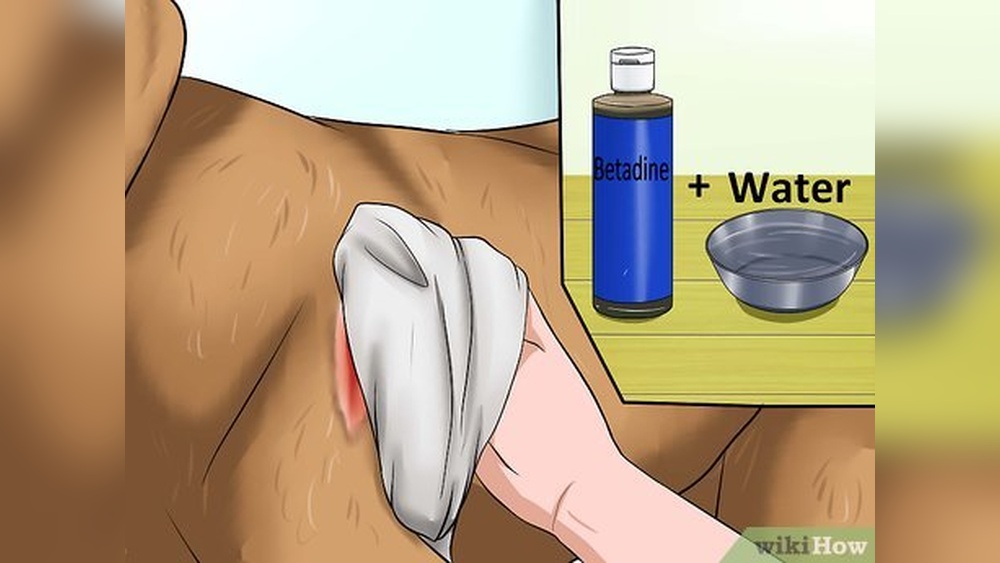
Not all antiseptics work well on dog wounds. Pick one safe for pets. Look for options like chlorhexidine or povidone-iodine. These kill germs but don’t hurt your dog’s skin. Avoid harsh chemicals like hydrogen peroxide or alcohol. They can slow healing and cause pain.
Use antiseptics in the right strength. Usually, dilute them with clean water. Follow the instructions on the label. This prevents irritation and helps the wound heal quickly.
Preparing Sterile Materials
Use clean, sterile materials to stop infection. Boil gauze pads or buy sterile ones from a store. Wash your hands well before touching anything. Wear disposable gloves if possible.
Have clean scissors, tweezers, and cotton balls ready. Use them only once and throw them away after. Keep all items on a clean surface during the cleaning process. This keeps the wound safe and helps your dog recover fast.
Cleaning The Wound
Cleaning a dog’s wound is a key step in helping it heal. Dirt and germs can cause infections. Cleaning removes these harmful elements. It also helps you see the wound clearly. Take care and be gentle to avoid pain.
Flushing With Saline Solution
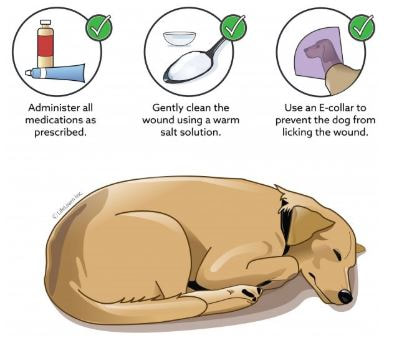
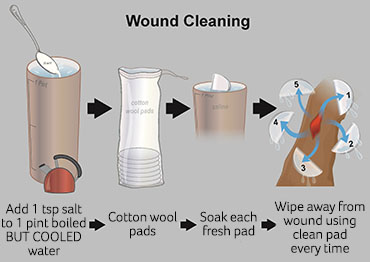
Use a saline solution to flush the wound. This helps wash away dirt and bacteria. You can buy saline at stores or make it with salt and water. Gently pour the solution over the wound. Avoid using strong sprays that may hurt your dog.
Removing Debris Gently
Look for small bits of dirt or grass in the wound. Use clean tweezers or soft cloth to remove them. Do this slowly and carefully. Do not dig deep or force anything out. Keeping the wound clean speeds healing and stops infections.
Applying Treatment
Applying treatment to your dog’s wound is a key step in helping it heal fast. This part focuses on protecting the wound from infection and keeping it clean. Proper care reduces pain and stops the injury from getting worse.
Using Antibacterial Ointments
Antibacterial ointments fight germs that cause infections. Use a small amount on the clean wound. Avoid putting too much cream, as it can block air. Gently spread the ointment over the hurt area with a clean finger or cotton swab.
Choose ointments safe for dogs. Never use human medicines without advice from a vet. These ointments keep the wound moist and speed up healing.
Covering With A Bandage
Cover the wound with a bandage to protect it from dirt and licking. Use soft, breathable material to avoid skin irritation. Wrap the bandage snugly but not too tight. Check the bandage daily for dirt or wetness.
Change the bandage often to keep the wound clean. If your dog tries to bite or pull the bandage, use a protective collar. This stops them from disturbing the healing process.
Aftercare Tips
Proper aftercare is crucial for your dog’s wound to heal well. It helps prevent infection and speeds up recovery. Paying close attention in the days after cleaning the wound makes a big difference. Simple steps can keep your dog comfortable and safe during healing.
Monitoring Healing Progress
Check the wound daily for changes. Look for swelling, redness, or discharge. These signs may mean infection. Also, notice if the wound starts to close or form a scab. Take photos to track progress. Call your vet if you see bad signs or if your dog seems in pain.
Preventing Licking And Scratching
Your dog may want to lick or scratch the wound. This can cause more damage or infection. Use an Elizabethan collar or a soft cone to stop licking. You can also try covering the wound with a clean bandage. Keep the bandage dry and change it as your vet advises.
Credit: www.pdsa.org.uk
When To See A Vet
Knowing when to see a vet is key to your dog’s health after a wound. Some wounds heal well at home, but others need expert care. Acting fast can prevent infections and serious problems. Watch your dog closely and trust your instincts.
Recognizing Emergency Signs
Look for heavy bleeding that won’t stop. If the wound is deep or the dog is very weak, get help immediately. Swelling, bad smell, or pus means infection. Sudden limping or pain that gets worse needs urgent care. Also, if your dog has a fever or acts confused, see a vet right away.
Scheduling Follow-up Care
Even small wounds may need a vet check later. Schedule a visit if the wound does not improve in a few days. Watch for redness or swelling around the injury. Keep the wound clean and dry until your appointment. Follow the vet’s advice on medicine and bandage changes.
Frequently Asked Questions
How Do I Safely Clean My Dog’s Wound At Home?
Use warm water and mild antiseptic to gently clean the wound. Avoid harsh chemicals. Pat dry with a clean cloth. Apply a vet-recommended antibiotic ointment to prevent infection. Always handle your dog calmly to reduce stress during cleaning.
What Supplies Are Needed To Clean A Dog Wound?
You need clean gauze or cloth, warm water, mild antiseptic, antibiotic ointment, and gloves. Keep all materials sterile to avoid infection. Having these supplies ready ensures a safe and effective wound cleaning process for your dog.
How Often Should I Clean My Dog’s Wound?
Clean your dog’s wound twice daily or as advised by your vet. Frequent cleaning helps prevent infection and promotes healing. Monitor the wound for changes and avoid over-cleaning, which can irritate the area.
Can I Use Human Antiseptics On Dog Wounds?
Avoid using human antiseptics unless approved by your vet. Some products can harm your dog’s skin or delay healing. Always choose pet-safe antiseptics specifically formulated for animals.
Conclusion
Cleaning your dog’s wound carefully helps it heal faster and stay safe. Use gentle water and mild soap to clean the area. Keep the wound dry and watch for signs of infection. Regular cleaning prevents problems and keeps your dog comfortable.
Always check with a vet if the wound looks worse or does not heal. Taking quick action shows you care. Your dog will thank you with a happy, healthy life. Simple steps make a big difference in wound care.