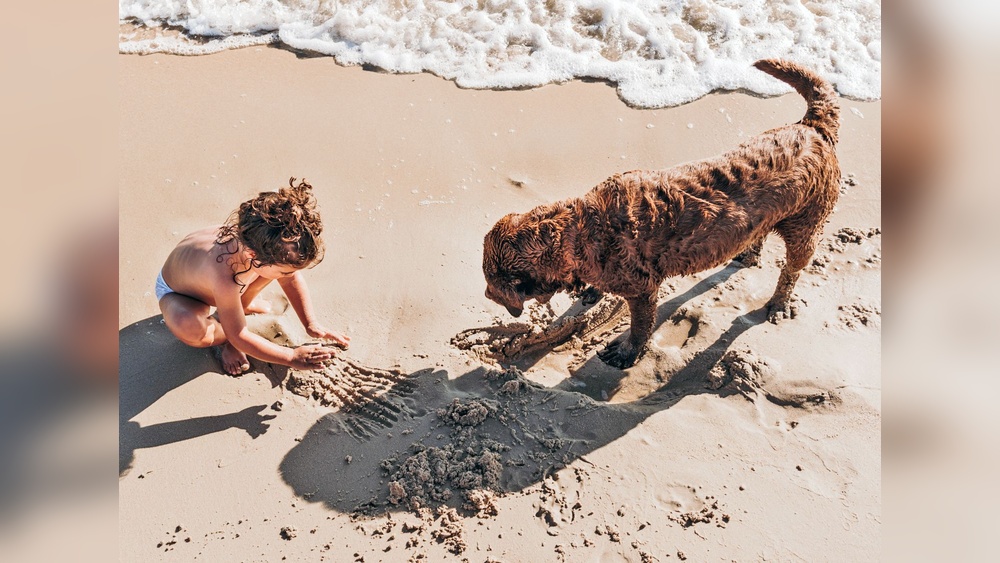
If you love spending time outdoors with your dog, you know how quickly those tiny sand fleas can turn fun into frustration. These pesky bugs don’t just cause itching—they can lead to serious discomfort and even infections for your furry friend.
Finding the best sand flea repellent for dogs is essential to keep your pet happy and protected. You’ll discover simple, effective solutions that work, so you and your dog can enjoy the great outdoors without the worry of relentless bites.
Keep reading to find out how to shield your dog from sand fleas once and for all.
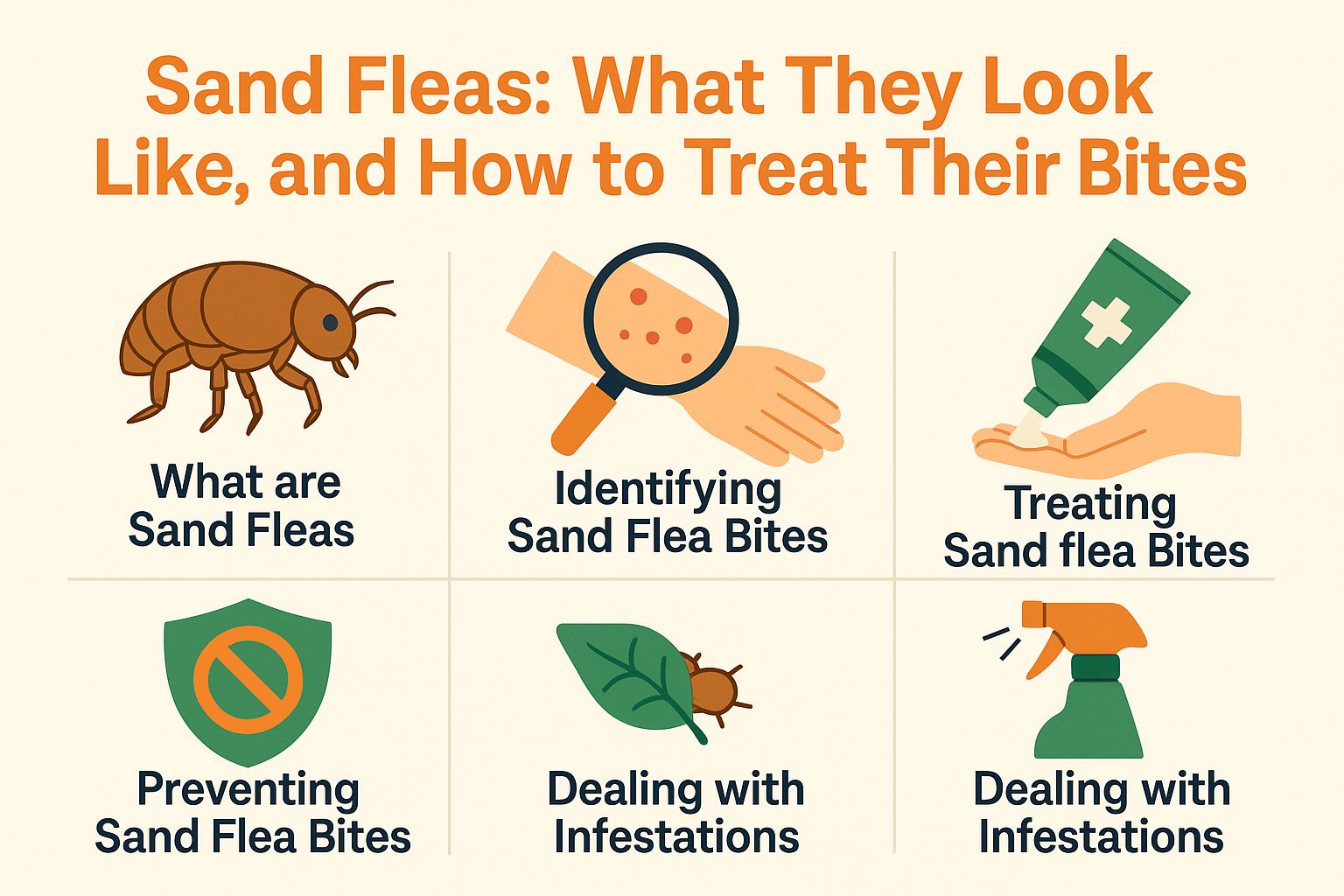
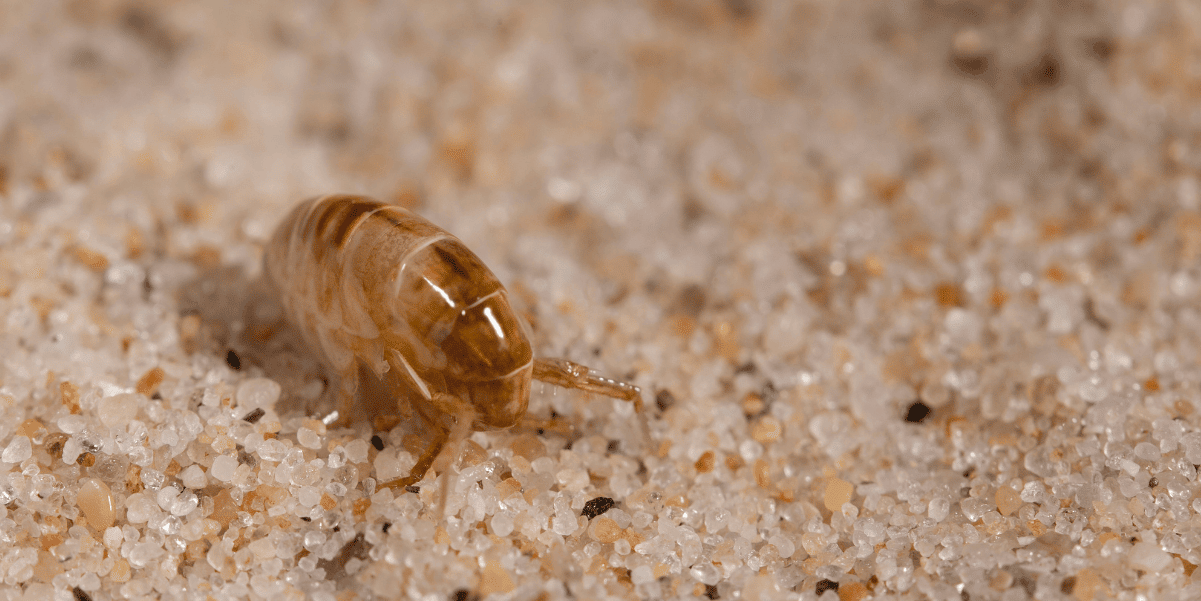
Credit: pestextinct.com
Why Sand Flea Protection Matters
Sand fleas live in sandy or coastal areas. They bite dogs and cause pain and itching. Protecting your dog from these pests is very important. It helps keep your pet happy and healthy.
Many dog owners do not realize how harmful sand flea bites can be. Even one bite can lead to serious problems. Using a good sand flea repellent can stop bites before they start.
Risks Of Sand Flea Bites
Sand flea bites can cause skin irritation and infections. Fleas can also carry bacteria and parasites. These can spread diseases to your dog. Some dogs may have allergic reactions to flea bites.
Symptoms In Dogs
Dogs bitten by sand fleas often scratch and bite their skin. You may see redness, swelling, or small sores. Hair loss can happen in the bitten areas. Some dogs become restless and uncomfortable.
Long-term Effects
Repeated bites can cause chronic skin problems. Dogs may develop severe allergies or infections. Untreated flea bites can lead to wounds that heal slowly. Long-term discomfort affects your dog’s quality of life.
Credit: www.insectekpest.com
Key Features Of Effective Repellents
Choosing the best sand flea repellent for dogs depends on a few key features. These features ensure the product works well and keeps your dog safe. Understanding these points helps you pick the right repellent for your pet.
Safety For Dogs
Safety is the top priority. The repellent must not harm your dog’s skin or health. Check for products tested by veterinarians. Avoid harsh chemicals that cause allergies or irritation.
Natural Vs Chemical Ingredients
Natural ingredients often cause fewer side effects. Oils like citronella and neem are popular natural options. Chemical ingredients may work faster but can irritate sensitive dogs. Choose based on your dog’s needs and tolerance.
Ease Of Application
Easy application saves time and stress. Sprays and spot-on treatments work quickly. Some products come as wipes or shampoos. Pick a format that fits your daily routine and your dog’s comfort.
Duration Of Protection
Long-lasting repellents reduce the need for frequent use. Some protect your dog for several hours or days. Check product labels for how long protection lasts. A longer duration means better protection during outdoor time.
Top Sand Flea Repellents
Sand fleas cause discomfort and itching for dogs. Protecting your pet is important for their health and happiness. Various products help repel sand fleas effectively. Choose the best repellent based on your dog’s needs and lifestyle.
Here are the top sand flea repellents that keep your dog safe and comfortable.
Collars
Collars release ingredients that repel sand fleas over time. They are easy to use and last for several months. Collars work well for dogs that spend a lot of time outdoors. Choose collars designed specifically for flea protection.
Sprays
Sprays offer quick and direct protection against sand fleas. Apply the spray to your dog’s coat before outdoor activities. Sprays can be used alongside other treatments for extra defense. They dry fast and do not leave sticky residue.
Topical Treatments
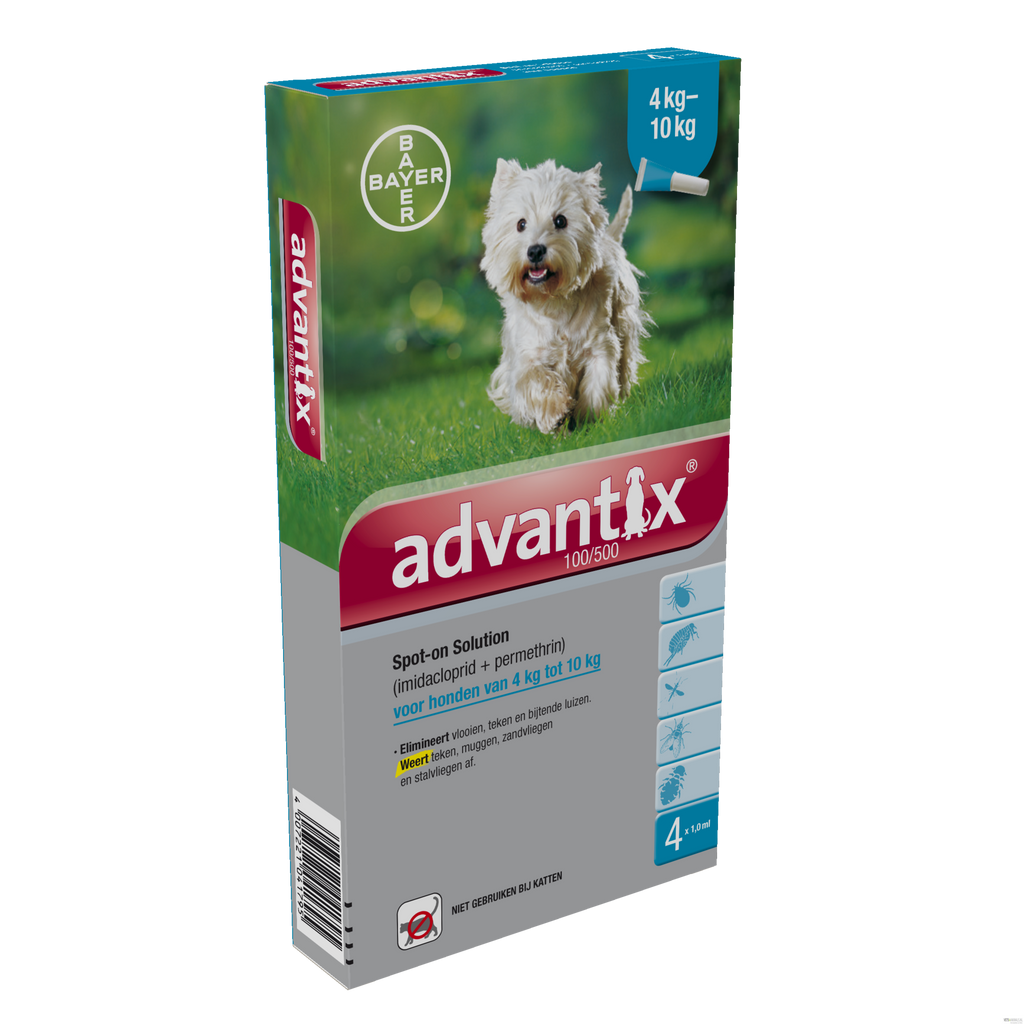
Topical treatments are liquid drops applied to the skin. They spread through the skin oils and kill or repel sand fleas. Treatments usually protect for up to a month. Apply monthly for continuous protection and check instructions carefully.
Shampoos
Shampoos clean the coat and remove sand fleas and their eggs. Many shampoos contain ingredients that repel or kill fleas. Use shampoo regularly during flea season for best results. It helps soothe irritated skin and reduce itching.
Natural Remedies That Work
Natural remedies offer a gentle way to protect dogs from sand fleas. These options avoid harsh chemicals and focus on safe, effective ingredients. Many pet owners prefer these methods to keep their pets comfortable and flea-free.
Essential Oils
Some essential oils repel sand fleas well. Lavender, peppermint, and eucalyptus oils are popular choices. Dilute these oils with water or carrier oils before use. Always test a small area first to check for skin reactions. Essential oils can soothe itching and keep fleas away.
Herbal Solutions
Herbs like rosemary and neem help repel sand fleas naturally. You can grow these herbs in your garden or buy them as extracts. Neem oil is especially effective against fleas and is safe for dogs when used correctly. Herbal solutions work by masking the scents that attract fleas.
Homemade Sprays
Homemade sprays combine natural ingredients to fight sand fleas. Mix apple cider vinegar with water for a simple spray. Add a few drops of essential oils for extra protection. Spray your dog’s fur lightly, avoiding eyes and nose. These sprays are easy to make and safe for regular use.
Choosing The Right Repellent
Choosing the right sand flea repellent for your dog is important for their safety and comfort. Not every repellent works well for every dog. Some products may cause irritation or may not be strong enough. Think about your dog’s unique needs before making a choice. This helps protect them effectively and keeps them happy outdoors.
Considering Your Dog’s Skin Type
Dogs have different skin types. Some have sensitive skin that reacts to chemicals. Others have thick fur that blocks repellents from reaching the skin. Choose a repellent that suits your dog’s skin. Look for gentle formulas if your dog has sensitive skin. Test a small area first to check for any reaction. This step avoids discomfort and skin problems.
Age And Health Factors
Puppies and older dogs need extra care with repellents. Their immune systems may be weaker. Some repellents contain strong ingredients that are unsafe for young or sick dogs. Always read labels for age recommendations. Consult your vet if your dog has health issues. Pick a product that is safe for your dog’s age and health condition.
Environmental Conditions
Think about where your dog spends most time. Sand fleas are common in beaches and sandy areas. Humidity and temperature affect repellent performance. Some products wash off easily in water or sweat. Choose repellents that last longer in wet or hot conditions. This ensures your dog stays protected during outdoor adventures.
Preventive Tips Beyond Repellents
Preventing sand flea bites on dogs requires more than just repellents. Simple habits can lower the risk significantly. These tips help keep your dog safe and comfortable during outdoor activities.
Regular Grooming
Brush your dog often to remove dirt and flea eggs. Check the skin for any signs of bites or irritation. Bathing with flea shampoo helps kill fleas early. Clean ears and paws well, as fleas hide there.
Yard Maintenance
Keep the yard clean and dry. Mow the grass short to reduce flea habitats. Remove leaves and debris where fleas can breed. Treat shady areas with safe flea control products. This reduces the chance of fleas spreading to your dog.
Avoiding High-risk Areas
Steer clear of sandy beaches and tall grasses. These places often harbor sand fleas. Walk your dog in well-maintained parks and trails. Choose times when fleas are less active, like midday. Less exposure means fewer bites and less itching.
When To See A Vet
Knowing when to see a vet is important for your dog’s health. Sand fleas can cause issues that need medical help. Early care can prevent serious problems. Watch your dog closely for signs of trouble. Acting fast protects your pet from pain and infection.
Severe Reactions
Some dogs have strong reactions to sand flea bites. Swelling, redness, and open sores may appear. Your dog might scratch or bite the skin a lot. These signs mean a vet visit is necessary. The vet can treat infections and ease pain. Severe reactions can worsen without proper care.
Persistent Infestations
Sometimes sand fleas keep coming back despite treatments. A steady infestation can harm your dog’s skin. It may cause itching, hair loss, or scabs. If fleas return often, see a vet for advice. The vet can suggest stronger treatments. Persistent problems need expert help to stop them.
Allergic Responses
Some dogs are allergic to sand flea bites. Allergies cause intense itching and swelling. Your dog might feel very uncomfortable or restless. Allergic dogs may develop rashes or infections. A vet can diagnose allergies and provide relief. Allergy care keeps your dog calm and healthy.
Credit: www.vetscriptions.co.uk
Frequently Asked Questions
What Is The Best Sand Flea Repellent For Dogs?
The best sand flea repellent for dogs is one with natural ingredients. It effectively repels fleas without harmful chemicals. Look for products containing essential oils like cedar or eucalyptus. These are safe and gentle on your dog’s skin while preventing flea bites outdoors.
How Often Should I Apply Sand Flea Repellent On Dogs?
Apply sand flea repellent on dogs before outdoor activities. Reapply every 4 to 6 hours for continuous protection. Follow product instructions carefully for safe use. Consistent application reduces flea bites and protects your dog’s skin from irritation.
Are Natural Sand Flea Repellents Safe For Dogs?
Yes, natural sand flea repellents are generally safe for dogs. They use plant-based ingredients like neem or citronella oil. These repellents avoid harsh chemicals that may cause allergic reactions. Always check for dog-specific formulations to ensure safety and effectiveness.
Can Sand Flea Repellents Prevent Other Insect Bites On Dogs?
Many sand flea repellents also repel mosquitoes and ticks. Ingredients like essential oils work against various insects. Using these repellents can protect dogs from multiple pests during outdoor play. Check labels to confirm multi-insect protection.
Conclusion
Choosing the right sand flea repellent keeps your dog safe and comfortable. Regular use helps prevent bites and skin irritation. Always check ingredients to avoid harmful chemicals. Natural options can work well for sensitive dogs. Combine repellents with good hygiene and regular vet visits.
Protect your dog during outdoor activities at the beach or park. Happy pets mean happy owners. Keep your furry friend free from sand fleas with care and attention. Simple steps make a big difference in your dog’s health.