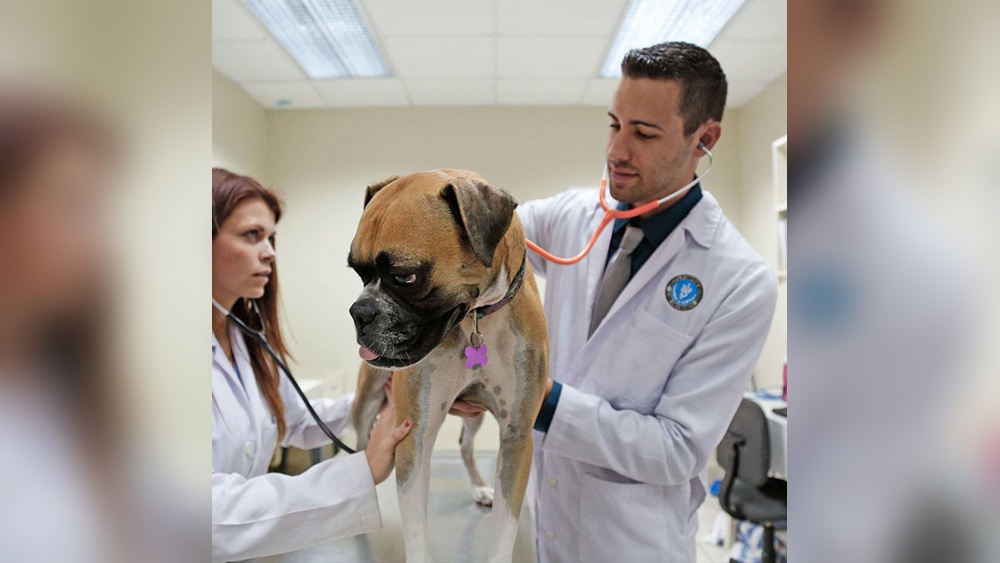
Looking for the best vet to spay your dog? This decision is more important than you might think.
You want a vet who is skilled, caring, and trustworthy—someone who will keep your furry friend safe and comfortable. Choosing the right vet can make the whole process easier for both you and your dog. Keep reading to discover how to find the perfect vet, what to ask, and why this choice matters for your pet’s health and happiness.
Your dog deserves the best care, and you deserve peace of mind. Let’s dive in.
Benefits Of Spaying Your Dog
Spaying your dog offers many important benefits. It helps keep your pet healthy and happy. This simple surgery can change your dog’s life for the better. Below are key benefits of spaying your dog.
Health Advantages
Spaying reduces the risk of serious diseases. It lowers chances of uterine infections and breast tumors. These health problems can be life-threatening. Spayed dogs often live longer and feel better. The surgery also prevents unwanted pregnancies and related health issues.
Behavioral Improvements
Spaying can calm your dog’s behavior. It helps reduce aggression and roaming. Female dogs in heat may attract male dogs nearby. This can cause stress and trouble. Spayed dogs tend to be more focused and less anxious.
Population Control Impact
Spaying helps control the pet population. Many unwanted puppies end up in shelters. Spaying stops unplanned litters. This reduces overcrowding in shelters and saves lives. Responsible pet ownership starts with spaying your dog.

Credit: www.greensboroncvet.com
Qualities Of A Trusted Vet
Choosing the best vet to spay your dog is important. Trust matters a lot. A trusted vet ensures your dog stays safe and healthy during the procedure. Knowing the key qualities of a trusted vet helps you make the right choice. Here are some important traits to consider.
Experience And Credentials
A vet’s experience shows their skill level. More years in practice mean better handling of spaying surgeries. Check if the vet has special training or certificates in surgery or animal care. Credentials prove they meet professional standards. Ask about their success rate with spaying dogs. Experience reduces risks and improves recovery.
Client Reviews And Testimonials
Reviews from other pet owners reveal the vet’s reliability. Positive feedback shows happy clients and good care. Look for detailed testimonials about spaying services. Honest opinions help you trust the vet more. Avoid vets with many complaints or negative reviews. Real stories give insight into the vet’s behavior and results.
Facility Cleanliness And Equipment
A clean clinic prevents infections and ensures safety. Check if the vet uses modern tools and technology. Updated equipment means better surgery outcomes. The place should be tidy and organized. Cleanliness reflects the vet’s professionalism and care for animals. A well-equipped clinic supports smooth and safe spaying procedures.
Questions To Ask Before Choosing A Vet
Choosing the best vet to spay your dog is important. Asking the right questions can help you find a vet you trust. It also helps ensure your dog gets the best care. Prepare a list of questions before your visit. This way, you know what to expect and feel confident in your choice.
Surgical Procedures And Techniques
Ask about the surgical methods the vet uses. Learn if they use modern, safe techniques for spaying. Check if the surgery is done in a clean, sterile environment. Find out about the length of the operation. This helps you understand the vet’s experience and care level.
Anesthesia And Pain Management
Inquire about the type of anesthesia used during surgery. Make sure it is safe and suitable for your dog. Ask how the vet monitors your dog’s condition while under anesthesia. Pain control is crucial. Find out what pain relief options are offered before and after surgery.
Post-operative Care
Discuss the care your dog will need after surgery. Ask about signs of complications to watch for. Understand the vet’s instructions for feeding and activity restrictions. Know how often follow-up visits are needed. Good post-op care helps your dog heal quickly and comfortably.
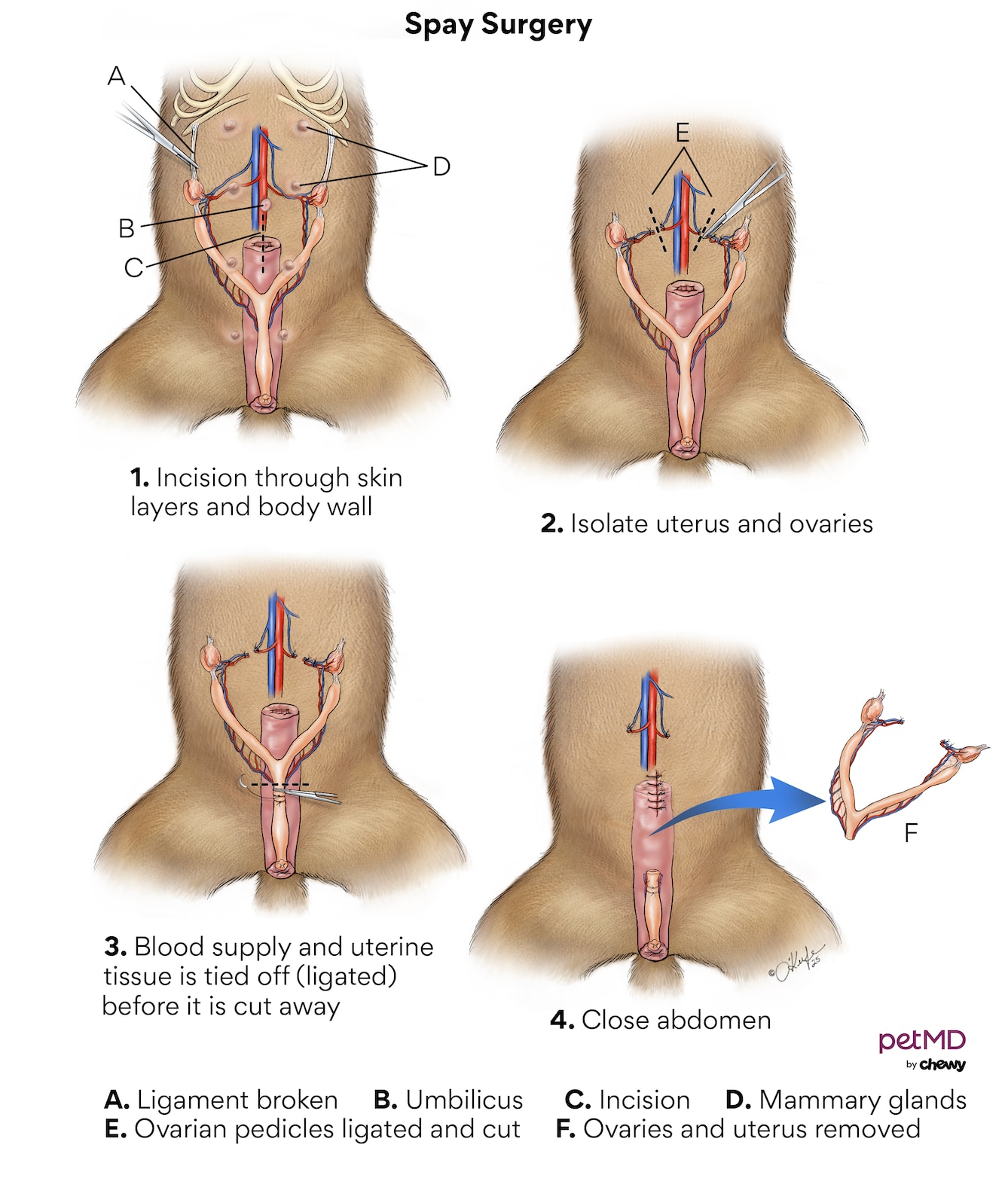
Credit: www.petmd.com
Cost Factors For Spaying Services
Spaying your dog is a responsible choice for her health and behavior. Understanding the cost of spaying helps you plan better. Several factors affect the total price of the procedure. These include the vet’s rates, your dog’s size, and any extra care needed. Knowing these details ensures no surprise costs later.
Standard Pricing
Most vets charge a base fee for spaying. This fee covers anesthesia, surgery, and basic care. Prices vary between clinics and regions. On average, expect to pay between $150 and $300. Larger dogs may cost more due to higher anesthesia doses. Always ask the vet for a clear price estimate before booking.
Additional Fees
Extra costs can add up quickly. Blood tests, pain medication, or antibiotics may be required. Some dogs need overnight stays or special monitoring. These services increase the overall bill. Emergencies during surgery can also raise prices. Discuss all possible extra fees with your vet to avoid surprises.
Low-cost Clinics And Assistance Programs
Many communities offer low-cost spay clinics. These clinics help pet owners with limited budgets. Animal shelters and nonprofits often run these programs. Some vets provide discounts for multiple pets or low-income families. Check local resources for financial help. This option makes spaying affordable and accessible.
Preparing Your Dog For Surgery
Preparing your dog for surgery helps make the process smooth and safe. It lowers stress for both you and your pet. Careful preparation supports a quick recovery. Follow your vet’s advice closely to avoid issues.
Pre-surgery Guidelines
Keep your dog calm before surgery. Avoid exercise on surgery day. Prepare a quiet space for rest after surgery. Bring your dog’s medical records to the vet. Confirm the surgery time and arrival details.
Diet And Medication Instructions
Stop feeding your dog 8 to 12 hours before surgery. Water may be allowed until a few hours before. Ask the vet about any medications. Give or skip medicines only as instructed. Never give painkillers or human drugs without vet approval.
What To Expect On Surgery Day
Arrive early to complete paperwork. The vet will check your dog’s health before surgery. Your dog will get anesthesia to stay pain-free. Surgery usually takes one to two hours. The vet will call you after surgery to update. Plan to pick up your dog as scheduled.

Credit: spayneutervet.org
Frequently Asked Questions
How Do I Find The Best Vet To Spay My Dog?
Look for experienced vets with positive reviews. Check certifications and ask for recommendations. Choose a vet who offers affordable, safe, and compassionate spay services.
What Factors Affect The Cost Of Spaying My Dog?
Costs depend on dog size, location, and clinic. Additional services like vaccinations may add fees. Always ask for a detailed price estimate beforehand.
When Is The Best Age To Spay My Dog?
Most vets recommend spaying between 6 to 9 months. Early spaying prevents unwanted litters and reduces health risks. Consult your vet for personalized advice.
What Should I Expect During My Dog’s Spay Surgery?
Spaying is a quick, safe procedure under general anesthesia. Your dog will need rest and limited activity for a few days. Follow post-op care instructions carefully for smooth recovery.
Conclusion
Choosing the best vet to spay your dog protects their health and happiness. Trust and care matter most during this process. Find a vet who listens and answers your questions clearly. Comfort and safety for your dog should come first.
A good vet makes the experience less stressful for both pet and owner. Taking time to research helps ensure the best care. Your dog deserves gentle hands and skilled treatment. Make the choice that gives your pet a healthy future.