If your dog is scratching nonstop or losing patches of fur, you know how worrying mange can be. You want to help your furry friend fast, but with so many options out there, it’s hard to know which treatment really works.
What if you could find the best over the counter mange treatment that’s safe, effective, and easy to use at home? This guide is made just for you, to help you quickly spot the right product and get your dog comfortable again.
Keep reading—your dog’s relief is closer than you think.

Credit: www.amazon.com
Common Types Of Mange In Dogs
Mange is a skin condition caused by tiny mites living on a dog’s skin. It causes itching, hair loss, and redness. Mange can spread quickly among dogs and needs prompt treatment.
There are two common types of mange in dogs. Each type affects dogs differently and requires specific care. Knowing the type helps in choosing the best over-the-counter mange treatment.
Sarcoptic Mange
Sarcoptic mange is caused by the Sarcoptes scabiei mite. These mites burrow into the skin, causing intense itching and discomfort. Dogs with this mange type often have red, inflamed skin and scabs. The condition spreads fast through close contact with other dogs.
This type is very contagious to other animals and even humans. It usually affects areas like the ears, elbows, and belly. Early treatment helps stop the spread and eases symptoms quickly.
Demodectic Mange
Demodectic mange comes from Demodex mites. These mites live in hair follicles and usually do not cause problems. But if a dog’s immune system is weak, the mites multiply and cause mange.
Symptoms include hair loss, redness, and sometimes pus-filled sores. Demodectic mange is less contagious but needs attention. It often affects young or older dogs with weak immunity.
Signs And Symptoms Of Mange
Mange is a skin condition caused by tiny mites living on a dog’s skin. It causes discomfort and can spread quickly. Knowing the signs and symptoms helps catch mange early. Early treatment can prevent serious skin problems. Watch your dog closely for changes in skin and fur.
Skin Irritation And Itching
Dogs with mange often scratch a lot. Their skin may look red and inflamed. You might see small bumps or scabs. The itching is intense and does not stop easily. Irritated skin can become raw from constant scratching.
Hair Loss Patterns
Hair loss is common in mange cases. It often starts in small patches. These patches can grow larger over time. The fur may look thin and brittle. Bald spots usually appear on the ears, face, and legs.
Secondary Infections
Scratching can break the skin surface. This allows bacteria to enter and cause infections. Infected areas may become swollen and painful. Pus or bad smells might come from these spots. Secondary infections need extra treatment to heal well.
Over The Counter Treatment Options
Over the counter treatment options offer a simple way to help dogs with mange. These treatments are easy to buy and use at home. They can reduce itching, kill mites, and improve your dog’s skin health. It is important to choose the right product for your dog’s needs.
Many pet owners prefer these options because they do not require a vet visit. Still, always watch your dog’s condition and seek professional help if it worsens.
Medicated Shampoos
Medicated shampoos clean the skin and kill mange mites. They contain ingredients like sulfur, benzoyl peroxide, or tea tree oil. These shampoos reduce itching and remove dead skin. Use them as directed, usually once or twice a week. Always rinse your dog well to avoid irritation.
Topical Ointments
Topical ointments apply directly to affected skin areas. They contain mite-killing chemicals to stop mange growth. These ointments soothe redness and help heal sores. Apply a thin layer to clean skin, following package instructions. Avoid letting your dog lick the ointment off.
Oral Supplements
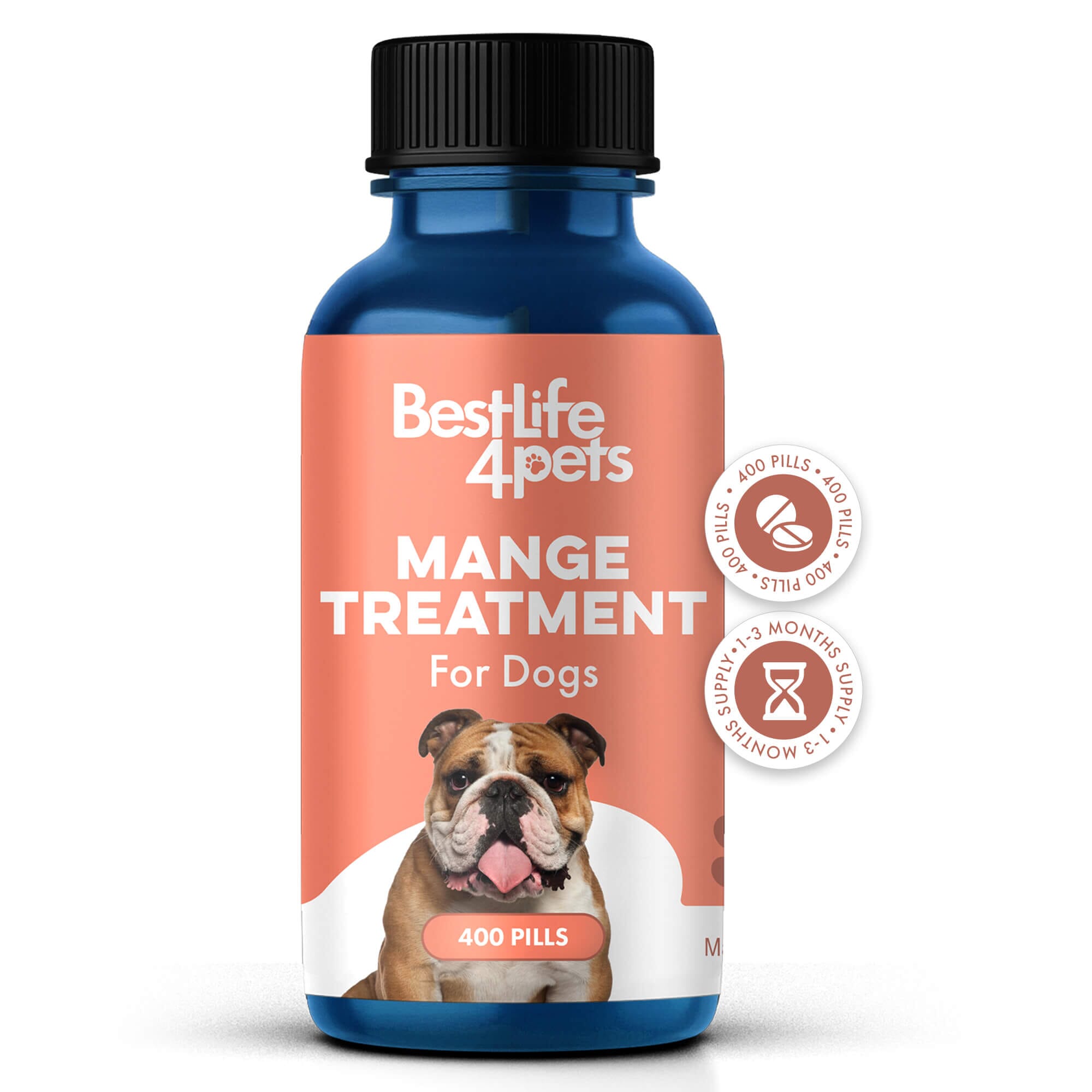
Oral supplements support your dog’s immune system and skin health. Ingredients like omega-3 fatty acids and vitamins improve skin strength. These supplements help your dog fight mange from inside. Use them alongside other treatments for better results. Always check the correct dosage for your dog’s size.
Credit: www.bestlife4pets.com
Natural Remedies For Mange
Natural remedies offer gentle care for dogs with mange. These treatments soothe the skin and fight mites without harsh chemicals. Many dog owners prefer nature-based options to support healing safely at home.
Understanding these remedies helps you choose the best care for your pet. Simple, natural ingredients can ease itching and promote healthy skin. Let’s explore some effective natural treatments for mange in dogs.
Essential Oils
Essential oils like tea tree and lavender help reduce itchiness. They have natural antibacterial and antifungal properties. Dilute oils with a carrier oil before applying to your dog’s skin. Avoid using strong oils undiluted to prevent irritation.
Apply a small amount gently to affected areas twice a day. These oils can calm inflammation and kill mites. Always test a small skin patch first to check for allergies.
Herbal Treatments
Herbs such as neem and aloe vera provide soothing relief. Neem oil is known to repel and kill mange mites naturally. Aloe vera cools irritated skin and supports healing. Use pure aloe gel directly on sores and dry patches.
Herbal shampoos with chamomile or calendula cleanse gently. They help remove crusts and calm redness. Regular washing with herbal products keeps the skin clean and balanced.
Dietary Adjustments
A healthy diet boosts your dog’s immune system against mange. Add omega-3 fatty acids from fish oil or flaxseed to reduce inflammation. Fresh fruits and vegetables supply vitamins that improve skin health.
Probiotics support digestion and overall wellness. Avoid processed foods and fillers that can worsen skin problems. Feeding balanced meals helps your dog fight mites naturally from inside.
How To Choose The Right Treatment
Choosing the right over the counter mange treatment for your dog is important. The right product can help your dog heal faster and feel better. Several factors affect which treatment will work best. Knowing these will guide you to the safest and most effective option.
Severity Of Infection
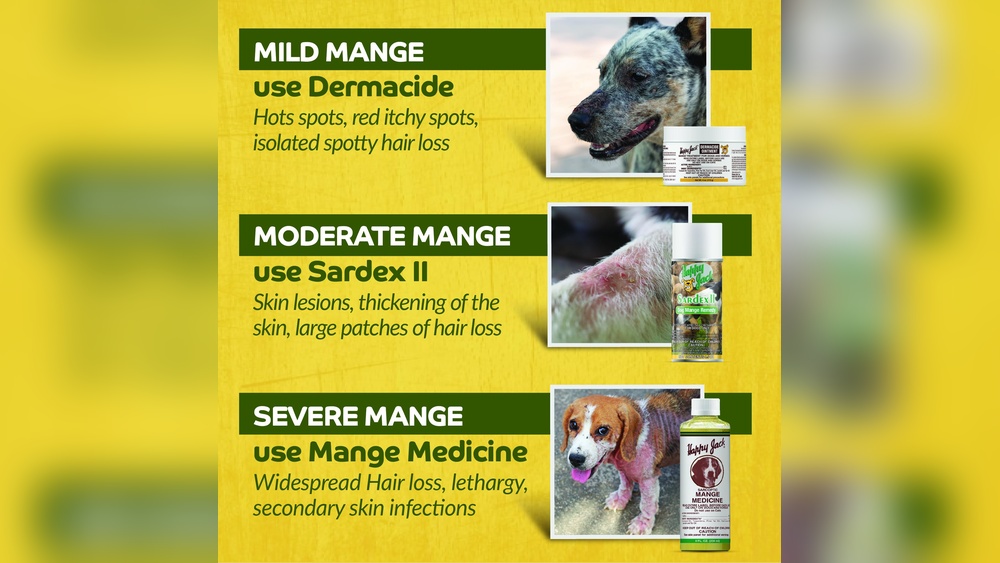
Check how bad the mange infection is. Mild cases may only need shampoos or topical creams. Severe infections might need stronger ointments or medications. Observe your dog’s skin closely. Look for redness, sores, or hair loss. These signs show how serious the infection is. Choose a treatment that matches the infection’s level.
Dog’s Age And Health
Consider your dog’s age before choosing treatment. Puppies and older dogs have sensitive skin. They may react differently to some medicines. Also, dogs with other health problems need gentle treatments. Some products can cause side effects for weak dogs. Consult your vet if your dog is very young, old, or sick.
Product Safety And Ingredients
Read product labels carefully. Choose treatments with natural or safe ingredients. Avoid products with harsh chemicals or strong perfumes. These can irritate your dog’s skin. Look for ingredients like aloe vera or neem oil. These help soothe and heal skin gently. Safety matters most for your dog’s health.

Credit: www.tractorsupply.com
Preventing Mange Recurrence
Stopping mange from coming back is key to your dog’s health. Mange can return if not managed well. Taking simple steps helps keep your dog safe and comfortable. These steps focus on care, cleanliness, and good health.
Regular Grooming
Brush your dog’s coat often. Grooming removes dirt and loose skin. It also helps spot mange early. Use gentle tools to avoid hurting your dog. Bathing with special shampoos can reduce mites. Keep nails trimmed to prevent scratching wounds.
Maintaining Clean Environment
Clean your dog’s bedding and toys regularly. Wash areas where your dog spends time. Mange mites live in dirty places. Vacuum floors and furniture to remove mites. Dry cleaned or washed items reduce infection risk. A tidy home helps keep mange away.
Boosting Immune Health
A strong immune system fights mange better. Feed your dog balanced, nutritious food daily. Provide fresh water at all times. Regular exercise supports health and immunity. Avoid stress as it weakens the immune system. Consult your vet about supplements to help immunity.
Frequently Asked Questions
What Is The Best Otc Mange Treatment For Dogs?
The best OTC mange treatment often includes medicated shampoos with sulfur or benzoyl peroxide. These reduce mites and soothe skin. Always follow product instructions and consult a vet if symptoms persist or worsen.
How Do Otc Mange Treatments Work On Dogs?
OTC mange treatments kill mites and relieve itching. Ingredients like sulfur, lime sulfur, or benzoyl peroxide help eliminate mites. Regular application is essential for effectiveness and skin healing.
Can I Use Home Remedies For Dog Mange?
Home remedies may provide temporary relief but are not fully effective. OTC treatments are safer and more reliable. Always consult a vet for proper diagnosis and treatment recommendations.
How Long Does Otc Mange Treatment Take To Work?
OTC mange treatments usually take 2 to 4 weeks to show improvement. Consistent application is key. If no progress occurs, consult a veterinarian for alternative treatments.
Conclusion
Choosing the right mange treatment helps your dog heal faster. Over-the-counter options are safe and easy to use. Always follow the instructions on the product label carefully. Watch your dog’s skin and behavior for changes. If symptoms do not improve, talk to a vet.
Early care can prevent serious skin problems. Mange can be uncomfortable, but treatment brings relief. Keep your dog clean and healthy for best results. Regular checks help catch skin issues early. Your dog deserves comfort and care every day.