Is your dog’s bad breath making cuddle time less enjoyable? You’re not alone—many dog owners struggle with this common problem.
But what if you could fix it quickly and keep your furry friend’s breath fresh for good? You’ll discover the best treatment for your dog’s bad breath, easy steps you can take at home, and when it’s time to see a vet.
Keep reading, because your dog deserves a healthy mouth and you deserve to enjoy every moment together—without holding your breath.
Causes Of Bad Breath In Dogs
Bad breath in dogs can be unpleasant and signal health problems. Understanding the causes helps treat it well. Several factors lead to bad breath in dogs. Knowing these causes helps keep your dog healthy and happy.
Dental Disease And Plaque
Dental disease is the top cause of bad breath in dogs. Plaque builds up on teeth and causes bacteria growth. This bacteria creates a foul smell. If untreated, it leads to gum disease and tooth loss.
Diet And Eating Habits
What a dog eats affects its breath. Eating smelly foods or garbage causes bad odors. Some dogs chew on things like dead animals or dirt. These habits bring bacteria and bad smells.
Underlying Health Issues
Health problems can cause bad breath too. Kidney disease, diabetes, or infections affect breath smell. These conditions need veterinary care for proper treatment.
Poor Oral Hygiene
Not cleaning a dog’s teeth causes bad breath. Regular brushing removes food and bacteria. Lack of oral care lets plaque and tartar grow. This leads to bad smells and dental problems.

Credit: us.amazon.com
Home Remedies For Dog Bad Breath
Bad breath in dogs can signal health problems or poor hygiene. Home remedies offer simple ways to improve your dog’s breath. These methods support dental health and freshen breath naturally. Consistency matters for best results.
Regular Brushing Techniques
Brushing your dog’s teeth removes plaque and bacteria. Use a dog-specific toothbrush and toothpaste. Brush gently in small circles for two minutes. Aim to brush at least three times a week. Start slowly to make your dog comfortable.
Natural Breath Fresheners
Certain herbs and foods can freshen your dog’s breath. Add small amounts of parsley or mint to meals. Raw carrots and apple slices also help clean teeth. Avoid giving your dog onions or garlic. Natural fresheners reduce odor without chemicals.
Dietary Adjustments
Diet affects your dog’s oral health. Choose high-quality, balanced dog food. Avoid sugary treats and table scraps. Dry kibble can reduce plaque better than wet food. Healthy diets support strong teeth and fresh breath.
Hydration Tips
Water flushes bacteria from your dog’s mouth. Provide fresh, clean water at all times. Change water bowls daily to prevent germs. Wet food can increase bacteria, so balance with water intake. Proper hydration helps keep breath fresh.
Professional Treatments Available
Professional treatments can help manage your dog’s bad breath effectively. These treatments go beyond regular brushing and home care. They target the root causes of bad breath. Trusting a veterinarian for these options ensures safety and proper care.
Veterinary Dental Cleaning
Veterinary dental cleaning removes plaque and tartar buildup. It happens under anesthesia to keep your dog still and safe. The vet cleans above and below the gum line. This helps stop bad breath caused by bacteria.
Regular dental cleanings prevent gum disease and tooth decay. These problems often cause bad breath. Clean teeth mean fresher breath and better health for your dog.
Medicated Mouthwashes And Rinses
Vets may recommend special mouthwashes or rinses. These products kill bacteria in the mouth. They reduce plaque and freshen breath quickly. Some are easy to apply at home with a sponge or spray.
Medicated rinses complement regular brushing. They keep the mouth clean between vet visits. Your dog’s breath can improve within days of use.
Prescription Diets
Some prescription diets help reduce bad breath. These foods support dental health and reduce tartar. They often have special textures or ingredients. These diets make cleaning teeth easier and fresher.
Ask your vet about the best diet for your dog. Prescription foods can work well with other treatments.
Addressing Health Conditions
Bad breath can signal other health problems. Issues like kidney disease or diabetes cause strong odors. Your vet will check for these conditions.
Treating underlying health problems can improve breath. Early diagnosis helps your dog feel better faster. Professional care ensures your dog stays healthy overall.

Credit: www.visco-foam.com
Preventive Measures For Fresh Breath
Preventing bad breath in dogs starts with good daily habits. Fresh breath shows your dog’s overall health. Simple steps can keep your dog’s mouth clean and odor-free. These preventive measures save time and vet visits later.
Routine Oral Care
Brush your dog’s teeth regularly using a dog-friendly toothpaste. Brushing removes plaque and food particles. Aim for two to three times a week. Start slowly to help your dog get used to it. Clean teeth reduce bacteria that cause bad breath.
Choosing The Right Chew Toys
Pick chew toys that help clean teeth naturally. Hard toys can scrape off plaque while your dog chews. Avoid toys that are too soft or break easily. Chew toys keep your dog busy and support dental health. They also reduce bad breath by limiting bacteria.
Regular Vet Checkups
Visit the vet every six months for oral exams. Vets spot early signs of dental issues. Professional cleanings remove tartar that brushing misses. Timely care prevents infections and keeps breath fresh. Regular checks maintain your dog’s overall mouth health.
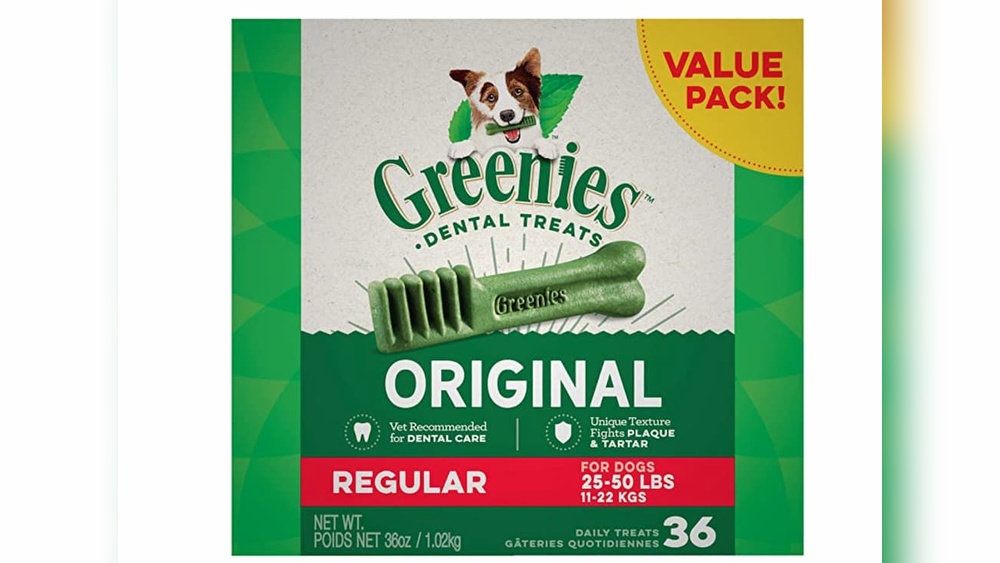
Using Dental Treats
Offer dental treats designed to reduce plaque and tartar. Treats can freshen breath and support oral hygiene. Choose treats with natural ingredients and vet approval. Use them as a reward, not a meal replacement. Dental treats are a simple way to help maintain fresh breath.
When To See A Vet
Bad breath in dogs can signal more than just a need for a dental cleaning. Knowing when to see a vet helps keep your dog healthy. Some signs show that the problem might be serious and needs professional care.
Signs Of Serious Dental Issues
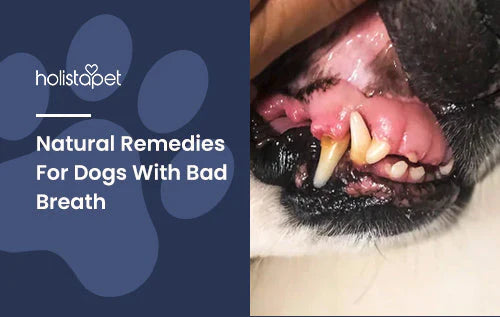
Look for red or swollen gums around your dog’s teeth. Loose or missing teeth also warn of trouble. Excessive drooling or bleeding from the mouth needs quick attention. These signs mean dental problems could be painful or harmful.
Breath Changes Linked To Illness
Bad breath may come from issues beyond the mouth. A sweet or fruity smell can point to diabetes. A foul smell that is very strong might suggest an infection. Changes in breath often link to health problems in organs like the kidneys.
Behavioral Changes To Watch For
Your dog may act differently if mouth pain exists. Watch for trouble eating or chewing on one side. Pawing at the mouth or face can show discomfort. A drop in energy or reluctance to play may also appear.
Credit: labiosthetique.ee
Frequently Asked Questions
What Causes Bad Breath In Dogs?
Bad breath in dogs often results from poor dental hygiene. Bacteria build-up, gum disease, or food stuck between teeth cause odor. Other causes include digestive issues or infections. Regular vet check-ups help identify and treat underlying problems effectively.
How Can I Improve My Dog’s Breath At Home?
Brushing your dog’s teeth daily with pet-safe toothpaste helps reduce bad breath. Providing dental chews and toys also cleans teeth naturally. Ensure a balanced diet and fresh water. Regular home care supports overall oral health and fresher breath.
When Should I See A Vet For My Dog’s Bad Breath?
Visit a vet if your dog’s bad breath persists beyond home care. Also seek help if there’s excessive drooling, difficulty eating, or swollen gums. Early professional diagnosis prevents serious dental or health issues.
Are Dental Chews Effective For Treating Bad Breath?
Yes, dental chews help reduce plaque and tartar, improving breath. They mechanically clean teeth and freshen breath. Choose vet-approved chews that suit your dog’s size and health needs for best results.
Conclusion
Bad breath in dogs needs careful care and attention. Regular brushing helps keep their mouth clean and fresh. Healthy food and dental chews support good oral health. Visit the vet for check-ups and advice. Treating bad breath early prevents bigger problems later.
Your dog will feel happier and healthier with fresh breath. Simple steps make a big difference every day. Keep your dog’s smile bright and their breath pleasant. Small changes bring lasting results for your furry friend.