
Is your dog feeling under the weather with an upset stomach? Watching your furry friend suffer can be tough, and you want to help them feel better fast.
But what exactly should you feed your dog to soothe their tummy without making things worse? Choosing the right food can make all the difference in their recovery. You’ll discover the best foods to give your dog when their stomach is upset—simple, safe, and effective options that you can prepare at home.
Keep reading to find out how to comfort your pet and get them back to their happy, healthy self.
Causes Of Upset Stomach In Dogs
Dogs can have an upset stomach for many reasons. Knowing the causes helps you care for your dog better. Some causes are simple and easy to fix. Others need more attention and care. Understanding these causes helps you keep your dog healthy and happy.
Common Triggers
Eating something bad or spoiled often causes stomach upset. Sudden changes in food can also disturb digestion. Dogs that eat too fast may swallow air and cause discomfort. Some dogs react to certain ingredients in food. Stress and anxiety can upset a dog’s stomach too. Parasites or infections can lead to more serious problems. Poisonous plants or chemicals sometimes cause stomach issues.
Symptoms To Watch For
Look for vomiting or frequent diarrhea. Loss of appetite is a common sign. Your dog may seem tired or weak. Bloating or a swollen belly can be dangerous. Watch for signs of pain or restlessness. Excessive drooling sometimes means nausea. If your dog shows these symptoms, monitor closely. Severe or lasting symptoms need a vet’s checkup.

Credit: benya.tech
Foods To Avoid During Upset Stomach
Choosing the right foods during a dog’s upset stomach is important. Certain foods can cause more harm than good. Avoiding these helps your dog heal faster. Knowing what to skip is key to comfort and recovery.
Harmful Ingredients
Avoid foods with high fat content. Fat slows digestion and may cause vomiting. Spices and seasonings irritate the stomach lining. Sugar and artificial sweeteners upset digestion. Chocolate and caffeine are toxic to dogs. Dairy can cause diarrhea in sensitive dogs. Onion and garlic damage red blood cells.
Foods That Worsen Symptoms
Raw bones can cause choking or blockages. Fried and greasy foods increase stomach upset. Rich treats add stress to the digestive system. Large meals overwhelm a weak stomach. Human snacks often contain harmful additives. Avoid giving table scraps or leftovers. Stick to bland, easy-to-digest foods instead.
Gentle Healing Foods For Dogs
Dogs with upset stomachs need foods that soothe and heal gently. These foods help calm the digestive system. They provide nutrients without causing irritation. Feeding the right gentle foods supports quick recovery. It also keeps your dog comfortable and happy. Here are some of the best gentle healing foods for dogs.
Boiled Chicken And Rice
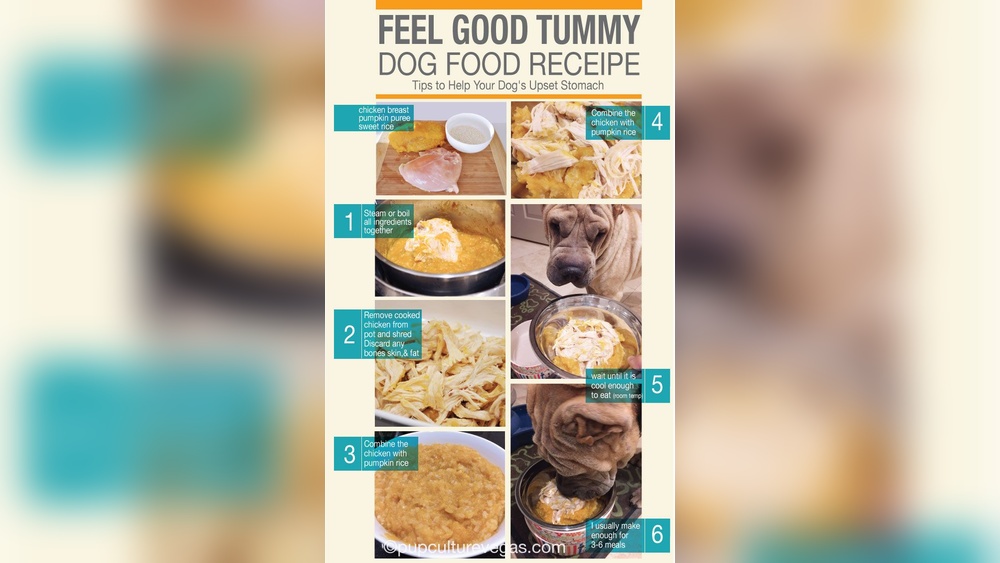
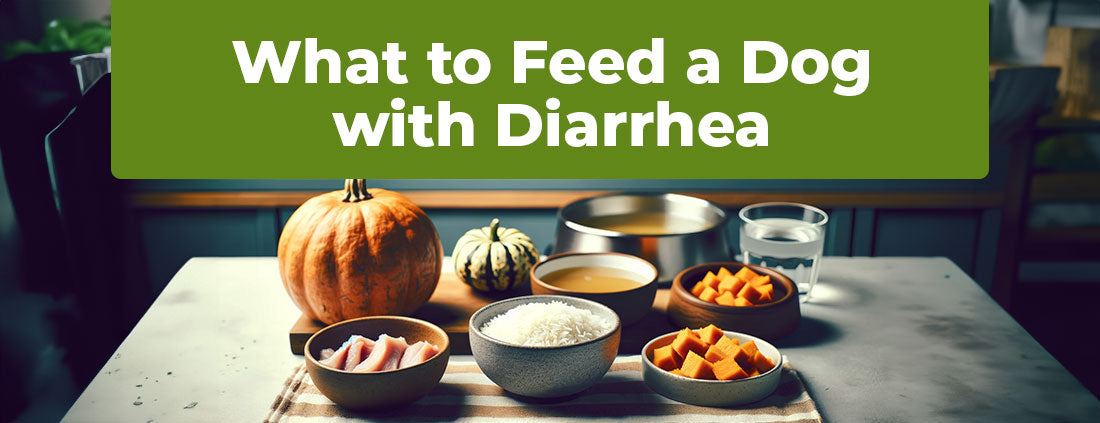
Boiled chicken and rice is a classic choice. Chicken offers lean protein easy to digest. Rice is bland and soft, calming the stomach. Together, they provide energy and nutrients without upsetting digestion. Avoid seasoning or oils to keep it gentle. This simple meal helps reduce nausea and diarrhea.
Pumpkin And Sweet Potato
Pumpkin and sweet potato are fiber-rich foods. They help regulate digestion and ease bowel movements. Both are mild and full of vitamins. Pumpkin can firm loose stools or relieve constipation. Sweet potato adds gentle energy and nutrients. Serve cooked and plain for best results.
Plain Yogurt Benefits
Plain yogurt contains probiotics that support gut health. These good bacteria help restore balance in the digestive tract. Yogurt also provides calcium and protein. Choose unsweetened, plain yogurt without additives. Small amounts aid digestion and soothe upset stomachs.
Bone Broth Nourishment
Bone broth is rich in minerals and collagen. It hydrates and nourishes sick dogs well. Warm broth is easy to drink and gentle on the stomach. It helps reduce inflammation and promotes healing. Use homemade or low-sodium broth without onions or garlic.

Credit: www.abdullahgorkem.com
Hydration Tips For Sick Dogs
Keeping a sick dog hydrated is very important. Dogs lose fluids fast when they have an upset stomach. This can make them feel weaker and slow down their healing. Giving the right fluids helps replace lost water and salts. It also keeps their body working well. Careful hydration supports faster recovery and comfort for your dog.
Safe Fluids To Offer
Fresh water is the best fluid for a sick dog. Offer small amounts often to avoid vomiting. You can also give an electrolyte solution made for pets. These drinks help restore minerals and keep your dog balanced. Avoid giving milk, soda, or sugary drinks. They can upset your dog’s stomach more and cause harm.
Signs Of Dehydration
Watch for dry gums and sticky mouth as dehydration signs. Sunken eyes or lethargy also show lack of fluids. Skin that does not bounce back quickly when pinched means dehydration. If your dog shows these signs, seek veterinary care. Early hydration can prevent serious health issues.
When To Consult A Veterinarian
Knowing when to see a vet is key for a dog with an upset stomach. Some signs need quick action. Other symptoms can wait a bit but still need checking. This guide helps you decide when to get professional help.
Persistent Symptoms
If your dog’s upset stomach lasts more than two days, call the vet. Vomiting or diarrhea that does not stop needs attention. Loss of appetite for more than 24 hours is a concern. Watch for weakness or unusual behavior that stays. These signs show your dog may need medical care.
Emergency Signs
Seek emergency care if your dog shows these signs. Bloody vomit or stool means serious problems. Severe belly pain or swelling is urgent. Difficulty breathing or collapse needs immediate help. Sudden seizures or extreme lethargy are emergencies. Act fast to protect your dog’s health.
Preventing Future Stomach Issues
Preventing future stomach issues is important for your dog’s health. A sensitive stomach can cause discomfort and frequent visits to the vet. Taking steps to avoid problems helps your dog feel better and stay active. Good feeding habits and smart snack choices play a big role. These habits protect your dog’s digestive system and improve overall well-being.
Dietary Habits
Feed your dog small meals several times a day. Large meals can upset their stomach. Stick to a consistent feeding schedule. Sudden changes in food can cause stomach problems. Choose high-quality dog food with easy-to-digest ingredients. Avoid foods with artificial additives or fillers. Fresh water should always be available to keep your dog hydrated. Monitor your dog’s reaction to new foods carefully.
Safe Treats And Snacks
Offer treats that are gentle on the stomach. Plain cooked chicken or turkey makes a good snack. Small amounts of plain pumpkin can help digestion. Avoid fatty or spicy treats that cause irritation. Use treats made for sensitive stomachs available in pet stores. Limit treats to prevent overeating and stomach upset. Always check the ingredients for anything harmful. Treats should support your dog’s digestive health.
Credit: www.chefpaw.com
Frequently Asked Questions
What Foods Are Safe For Dogs With Upset Stomachs?
Safe foods include boiled chicken, plain rice, pumpkin, and boiled potatoes. These are gentle on the stomach and help ease digestion.
How Long Should I Feed Bland Food To My Dog?
Feed bland food for 2 to 3 days until symptoms improve. Gradually reintroduce regular food once your dog feels better.
Can I Give Probiotics To A Dog With Upset Stomach?
Yes, probiotics support gut health and aid digestion. Consult your vet for the right type and dosage for your dog.
Is It Okay To Withhold Food From A Dog With Stomach Upset?
Yes, fasting for 12 to 24 hours can help rest your dog’s stomach. Always provide fresh water to prevent dehydration.
Conclusion
Feeding a dog with an upset stomach requires gentle care and simple food. Plain rice and boiled chicken often soothe their tummy well. Small, frequent meals help avoid overload. Always keep fresh water nearby to prevent dehydration. Watch your dog’s reactions closely for any changes.
If symptoms last more than a day, consult your vet. A calm, patient approach supports quick recovery. Your dog will feel better with the right food and care. Trust your instincts and act kindly.


