Is your dog scratching more than usual or showing flaky, dry patches on their skin? Dry skin can make your furry friend uncomfortable and restless.
You want to help your dog feel better fast, but with so many options out there, it’s hard to know what really works. What if you could discover the best thing for dog dry skin—something safe, effective, and easy to use at home?
Keep reading, because you’ll find simple solutions that can transform your dog’s skin and bring back their happy, healthy shine. Your dog deserves the best care, and you’re just one step away from giving it to them.

Credit: www.4-legger.com
Causes Of Dog Dry Skin
Dog dry skin can cause discomfort and itching. Understanding its causes helps in finding the best treatment. Several factors can lead to dry skin in dogs. These include environmental changes, diet, allergies, infections, and health problems. Each cause affects the skin differently.
Environmental Factors
Cold weather often dries out dog skin. Low humidity removes moisture from the skin. Frequent baths with harsh soaps strip natural oils. Sun exposure can also cause dryness. Living in heated homes during winter dries the air. These environmental changes reduce skin hydration.
Diet And Nutrition
Poor diet can lead to dry, flaky skin. Lack of essential fatty acids weakens the skin barrier. Dogs need omega-3 and omega-6 fatty acids for healthy skin. Vitamins like A and E also support skin health. Feeding low-quality food may cause skin problems.
Allergies And Infections
Allergic reactions cause redness and dry patches. Common allergens include pollen, dust, and certain foods. Bacterial or fungal infections irritate the skin further. These infections often result from scratching dry areas. Treating allergies and infections improves skin condition.
Underlying Health Issues
Some diseases cause persistent dry skin. Hypothyroidism slows down skin regeneration. Autoimmune diseases attack the skin cells. Parasites like mites cause intense itching and dryness. Regular vet checkups help detect these issues early.

Credit: www.amazon.com
Signs Of Dry Skin In Dogs
Dry skin in dogs causes discomfort and affects their health. Recognizing the signs early helps in providing the best care. Watch closely for changes in your dog’s skin and coat. Acting fast can prevent more serious problems.
Visible Flakes And Scaling
Dry skin often shows as white flakes on the coat. These flakes look like dandruff and may fall off easily. Scaling can make the skin rough and cracked. Check your dog’s fur for these signs regularly.
Excessive Scratching
A dog with dry skin scratches more than usual. Scratching can be a sign of itching or irritation. Pay attention if your dog scratches or bites certain spots often. This behavior may worsen the skin condition.
Redness And Irritation
Dry skin can cause redness and swelling. Irritated areas may look inflamed or sore. These patches feel warm or tender to touch. Notice if your dog avoids touch or licks these areas frequently.
Hair Loss And Dull Coat
Dry skin leads to hair falling out in patches. The coat may lose its shine and appear dull. Thin or missing fur shows that skin health is poor. A healthy coat is smooth, shiny, and full.
Home Remedies For Dog Dry Skin
Dry skin can make dogs uncomfortable and itchy. Home remedies offer gentle care to soothe and heal. These natural methods can improve your dog’s skin without harsh chemicals. Try these simple ways to help your dog feel better quickly.
Oatmeal Baths
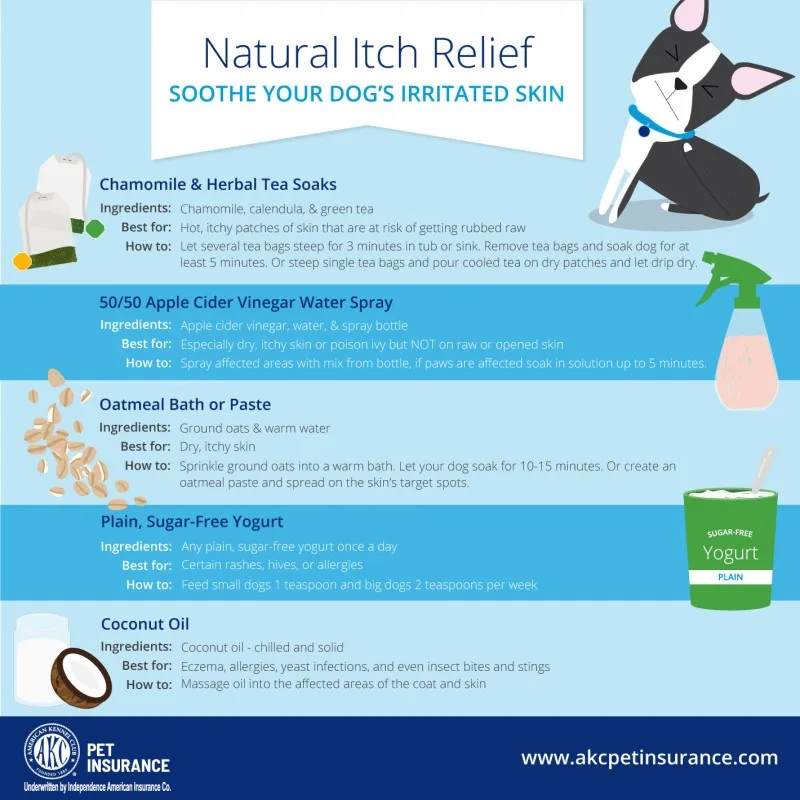
Oatmeal soothes irritated skin and reduces itching. Use plain, ground oatmeal and mix it with warm water. Let your dog soak for 10 to 15 minutes. This bath helps lock in moisture and calms dry patches.
Coconut Oil Application
Coconut oil is a natural moisturizer for dry skin. Apply a small amount to your dog’s coat and massage gently. It helps reduce flakes and adds shine. Use regularly for best results.
Aloe Vera Treatments
Aloe vera cools and heals dry, cracked skin. Use pure aloe vera gel and apply it directly to affected areas. Avoid products with additives. Aloe vera reduces redness and speeds up skin repair.
Humidifier Use
Dry air worsens skin problems in dogs. A humidifier adds moisture to the environment. Place it in rooms where your dog spends time. It helps keep skin hydrated and prevents dryness.
Dietary Changes To Improve Skin Health
Diet plays a key role in improving your dog’s dry skin. Changes in diet can support skin health from the inside out. Feeding the right nutrients helps reduce dryness and irritation. Simple adjustments can make a big difference.
Omega-3 And Omega-6 Fatty Acids
Omega-3 and omega-6 fatty acids are essential for healthy skin. These fats reduce inflammation and keep skin soft. Fish oil, flaxseed oil, and certain meats contain these nutrients. Adding these to your dog’s diet supports moisture and shine.
Hydration Tips
Water intake is crucial for skin health. Dry skin often means your dog needs more water. Fresh, clean water should always be available. Wet dog food can also help increase hydration. Proper hydration keeps skin cells healthy and elastic.
Supplements For Skin Support
Supplements can boost your dog’s skin health. Look for products with vitamins E and B, zinc, and biotin. These nutrients promote skin repair and strength. Always check with your vet before adding supplements. Correct supplements help maintain skin’s natural barrier.
Medicated Shampoos And Topical Treatments
Medicated shampoos and topical treatments play a key role in managing dry skin in dogs. These products help soothe irritation and restore moisture. They target the root causes of dryness, such as allergies, infections, or skin conditions. Using the right treatments can improve your dog’s comfort and skin health quickly.
Choosing The Right Shampoo
Pick a shampoo designed for dry or sensitive skin. Look for ingredients like oatmeal, aloe vera, or coconut oil. These calm itching and add moisture. Avoid harsh chemicals and fragrances that can worsen dryness. Always read labels carefully. Consult your vet for the best choice for your dog’s skin type.
Frequency Of Baths
Bathing too often can strip natural oils from your dog’s skin. This causes more dryness and irritation. Bathing once every one to two weeks is usually enough. Use lukewarm water and gentle massage to clean the skin. Rinse thoroughly to remove all shampoo. Follow your vet’s advice on the right bath schedule.
Prescription Creams And Sprays
Sometimes, medicated shampoos alone are not enough. Your vet may suggest creams or sprays with steroids or antibiotics. These help reduce inflammation and fight infections. Apply them exactly as directed to avoid side effects. These products provide extra relief for stubborn dry skin problems. Monitor your dog’s skin for any changes during treatment.
Credit: www.akcpetinsurance.com
When To See The Vet
Knowing when to see the vet is crucial for your dog’s dry skin. Some skin problems need expert care to heal properly. Watch your dog closely and act if you spot worrying signs.
Persistent Symptoms
Dry skin that lasts more than two weeks needs a vet check. If your dog keeps scratching or biting the skin, it may not heal alone. Persistent redness or flakes also signal a deeper issue.
Signs Of Infection
Infections cause swelling, oozing, or a bad smell on the skin. Your dog may lick the area often or seem in pain. Infections can spread fast, so visit the vet quickly.
Chronic Skin Conditions
Some dogs suffer from long-term skin diseases like allergies or eczema. These need special treatment and care plans from a vet. Early diagnosis helps manage symptoms and improves your dog’s comfort.
Preventing Dry Skin In Dogs
Dry skin in dogs can cause discomfort and itching. Preventing it helps keep your dog happy and healthy. Simple steps can protect your dog’s skin from dryness and irritation. A good routine and care avoid many skin problems.
Regular Grooming Practices
Brush your dog’s coat often. This removes dead skin and loose hair. It also spreads natural oils that keep skin moist. Bath your dog with a gentle shampoo only when needed. Too much bathing can dry out the skin.
Avoiding Harsh Chemicals
Choose shampoos and grooming products made for dogs. Avoid human soaps and detergents. Harsh chemicals remove natural oils and irritate the skin. Use only mild, fragrance-free products to protect your dog’s skin barrier.
Seasonal Care Tips
Dry skin often worsens in winter due to cold air. Use a humidifier inside to add moisture to dry rooms. In summer, protect your dog from sunburn with shade and limited sun exposure. Adjust grooming routines with the seasons for best skin health.
Frequently Asked Questions
What Causes Dry Skin In Dogs?
Dry skin in dogs is caused by allergies, poor diet, dehydration, and environmental factors. It can also result from parasites or underlying health issues. Identifying the cause is essential for effective treatment and relief.
How Can I Naturally Treat My Dog’s Dry Skin?
Natural treatments include adding omega-3 fatty acids to their diet, using coconut oil, and regular moisturizing with dog-safe lotions. Bathing with hypoallergenic shampoos and ensuring proper hydration also helps improve skin health.
Which Ingredients Are Best For Dog Dry Skin Products?
Look for products containing oatmeal, aloe vera, coconut oil, and vitamin E. These ingredients soothe irritation, hydrate the skin, and promote healing without causing further dryness or allergies.
How Often Should I Bathe A Dog With Dry Skin?
Bathing once every 3 to 4 weeks is ideal to avoid stripping natural oils. Use gentle, moisturizing shampoos specifically formulated for dogs with dry or sensitive skin to maintain moisture balance.
Conclusion
Dry skin can make dogs uncomfortable and restless. Treating it early helps your dog feel happy again. Use gentle shampoos and moisturizers made for dogs. Keep your pet’s diet rich in healthy oils. Regular brushing removes dead skin and boosts circulation.
Watch for signs of irritation or infection. Visit a vet if dryness lasts or worsens. Small steps bring big relief for dry skin. Care and patience show your dog you love them.