

If you’re looking for a way to boost your mental health, therapy dogs might be exactly what you need. These special dogs offer comfort, reduce stress, and bring joy when you need it most.
But not all therapy dogs are the same. Finding the best therapy dog for your unique needs can make a huge difference in how you feel every day. Keep reading to discover which therapy dogs are proven to help with anxiety, depression, and more—and how they can become your loyal support.
Your path to better mental health could start with a wagging tail and a warm heart.
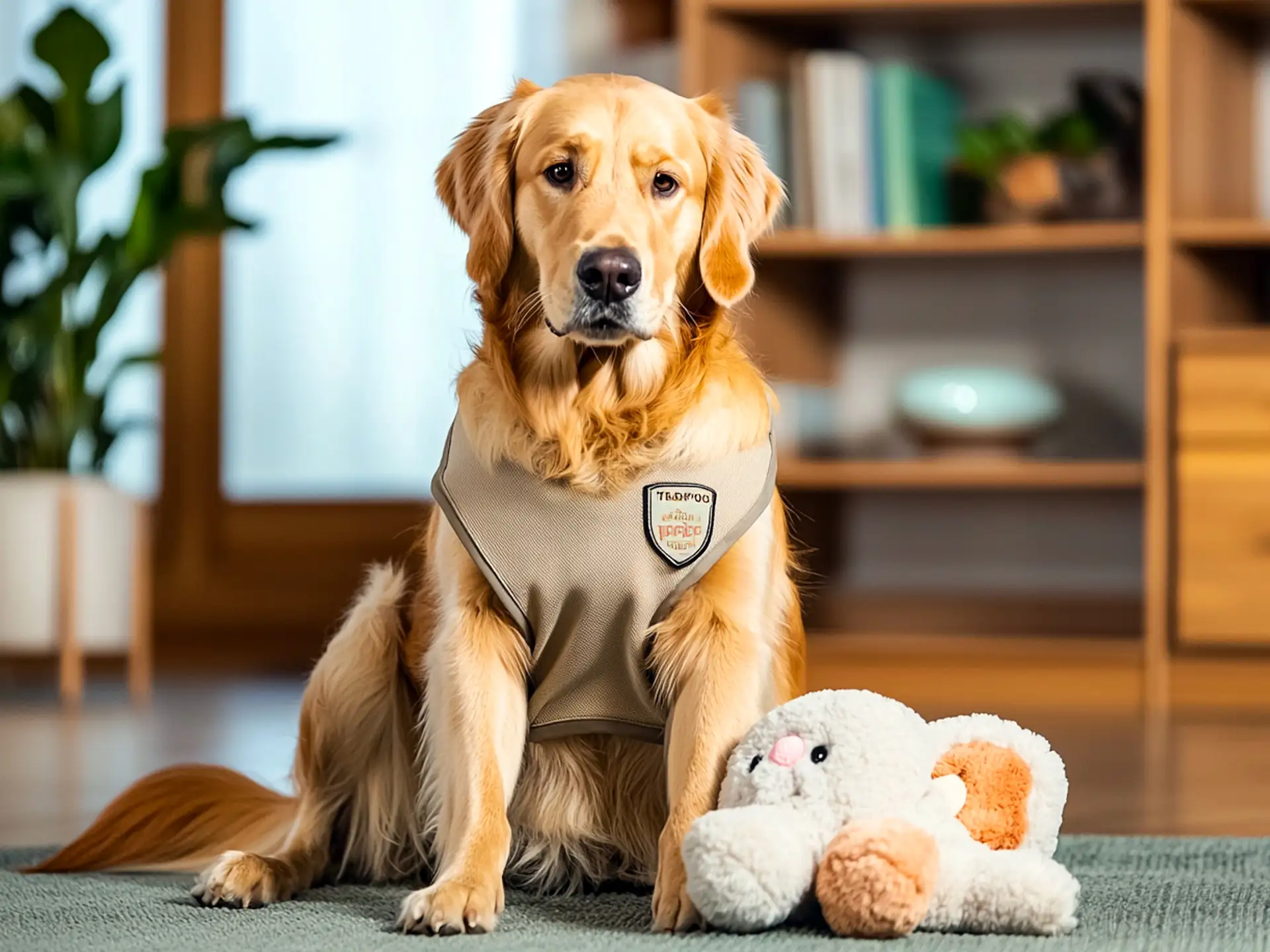
Credit: www.dogpackapp.com
Role Of Therapy Dogs In Mental Health
Therapy dogs play an important role in mental health support. They offer comfort and calmness during difficult times. These dogs help people manage stress, anxiety, and depression. Their presence brings a sense of safety and companionship.
Therapy dogs are trained to be gentle and attentive. They respond to emotions and provide non-judgmental support. Many mental health programs include therapy dogs to improve patients’ well-being. Their impact goes beyond just emotional help.
Emotional Benefits
Therapy dogs help reduce feelings of loneliness. They offer unconditional love without asking for anything. Petting a dog can lower stress hormones in the body. This simple act brings calmness and peace to the mind.
These dogs encourage positive emotions like joy and hope. They provide comfort during moments of sadness or panic. Their presence can help people feel more grounded and less anxious. Many find it easier to open up and share feelings around therapy dogs.
Physical And Social Advantages
Spending time with therapy dogs often increases physical activity. Walking or playing with a dog encourages movement and exercise. This activity helps improve overall health and energy levels.
Therapy dogs also promote social interaction. They act as a bridge to connect people in groups or therapy sessions. Talking about the dog or caring for it can reduce social isolation. This support helps build stronger social skills and friendships.
Traits Of Ideal Therapy Dogs
Choosing the right therapy dog is important for mental health support. Certain traits make some dogs better suited for this special role. These traits help them connect with people and provide comfort in many situations.
Therapy dogs must be calm and friendly. They should enjoy being around people and not get stressed easily. These qualities help them stay gentle and patient during visits.
Temperament And Behavior
Ideal therapy dogs have a calm and steady temperament. They stay relaxed in noisy or busy places. Friendly behavior is a must. They should like meeting new people and other animals. Gentle dogs that do not bark or jump too much work best. They must handle hugs and petting without stress. Trustworthy and well-mannered dogs create a safe feeling for everyone.
Trainability And Intelligence
Smart dogs learn commands quickly and follow them well. They need training to behave properly in different settings. Therapy dogs must listen to their handlers at all times. Good memory helps them remember rules and routines. These dogs adapt easily to new environments and people. High intelligence makes training easier and more effective. Well-trained dogs provide comfort and support consistently.
Top Therapy Dog Breeds
Therapy dogs help improve mental health through comfort and support. Their calm nature and friendly behavior make them perfect companions. Some breeds stand out for their gentle temperament and intelligence. These dogs adapt well to various therapy settings. They provide emotional relief and reduce stress effectively.
Labrador Retriever
Labradors are gentle and patient. They love people and stay calm under pressure. Their easy training makes them ideal therapy dogs. Labradors are friendly with children and adults alike. They offer consistent comfort during tough times.
Golden Retriever
Golden Retrievers are kind and loving. They have a natural instinct to help others. Their soft nature makes people feel safe. Goldens respond well to training and commands. They are loyal and always eager to please.
Poodle
Poodles are smart and sensitive. They adapt well to different environments. Their hypoallergenic coat suits many allergy sufferers. Poodles enjoy social interaction and calm activities. They excel in providing emotional support.
Cavalier King Charles Spaniel
This breed is small and affectionate. Cavaliers bond quickly with their owners. They have a gentle, soothing presence. Their size makes them easy to handle in therapy sessions. Cavaliers are great for one-on-one comfort.
German Shepherd
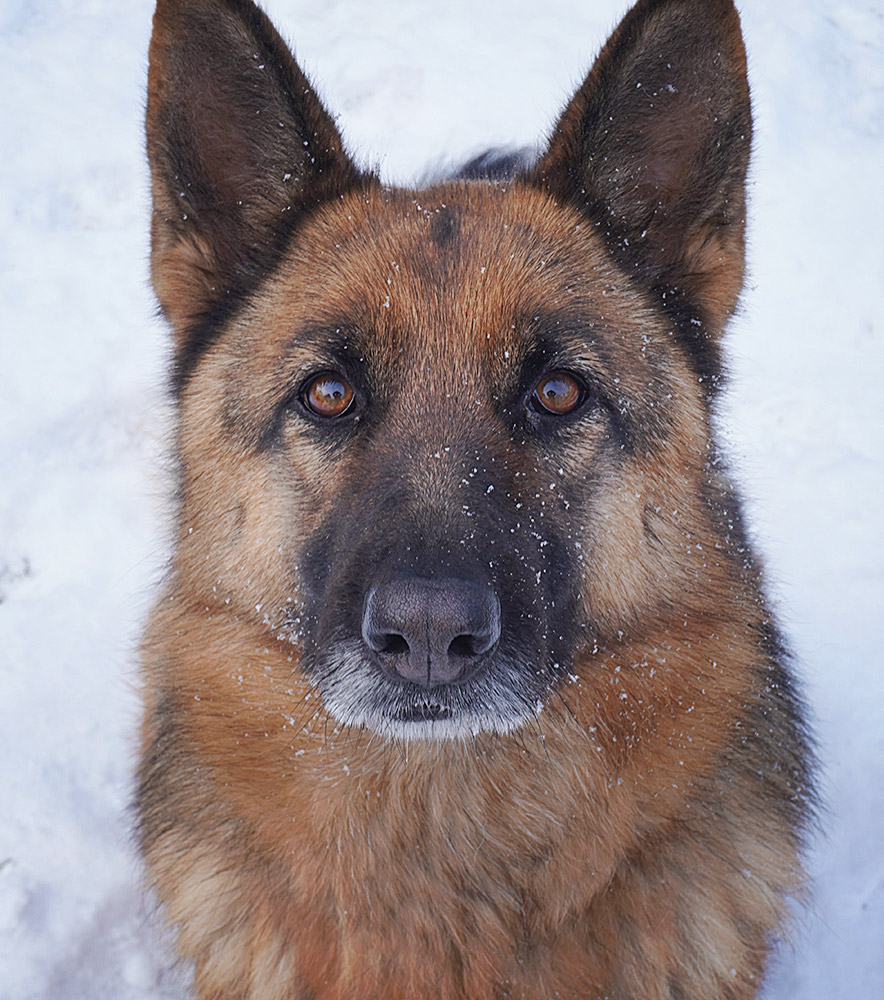
German Shepherds are loyal and protective. They show great understanding of human emotions. Their intelligence helps them learn therapy tasks fast. Shepherds provide strong emotional support and security. They fit well in various therapy roles.
Border Collie
Border Collies are energetic and smart. They enjoy mental challenges and learning new skills. Their alertness helps them respond to people’s needs. Collies offer active companionship and emotional connection. They thrive in dynamic therapy work.

Credit: www.pawsinwork.com
Choosing The Right Therapy Dog
Choosing the right therapy dog is important for mental health support. The right dog can provide comfort and improve emotional well-being. Not every dog fits every person’s needs. Think about your lifestyle and what you expect from a therapy dog.
Therapy dogs should match your personality and your daily routine. Consider how much time you can spend with the dog and the environment you live in. Finding a good match helps create a strong bond and better therapy results.
Matching Breed To Individual Needs
Different dog breeds have different traits. Some breeds are calm and gentle, perfect for anxiety relief. Others are more active and playful, which can help boost mood and energy. Choose a breed with a temperament that suits your mental health needs.
Some breeds are known for their patience and friendliness. These traits make them excellent therapy dogs. Small breeds may be better for close contact and comfort. Larger breeds often offer a sense of security and protection.
Considering Size And Energy Levels
Size matters when choosing a therapy dog. Small dogs fit well in apartments and small spaces. Larger dogs need more room and exercise. Think about your living space before picking a dog size.
Energy level also affects therapy effectiveness. Low-energy dogs are calm and relaxing. High-energy dogs encourage movement and play. Match the dog’s energy to your daily activity level for the best experience.
Training And Certification For Therapy Dogs
Training and certification are key steps for therapy dogs. These steps ensure dogs behave well and support people effectively. Proper training helps dogs stay calm and gentle in many settings. Certification shows the dog meets high standards. This trust is important for mental health work.
Basic Training Requirements
Therapy dogs need basic obedience skills. They must follow commands like sit, stay, and come. Dogs should be calm around loud noises and crowds. Social skills matter. Dogs must be friendly to strangers and other animals. They must not show fear or aggression. Training also includes walking nicely on a leash. Therapy dogs need to stay focused despite distractions. Regular practice helps dogs keep these skills strong.
Certification Programs And Organizations
Many groups offer therapy dog certification. These programs test dogs on behavior and skills. Evaluations often include real-life scenarios. Dogs must pass tests for obedience and temperament. Popular organizations include Pet Partners and Therapy Dogs International. Certification is valid for a set time. Dogs may need re-evaluation to keep certification. These programs give handlers guidance and support. Certification helps therapy dogs gain access to hospitals, schools, and nursing homes. It proves the dog is ready to help people safely.
Care And Maintenance Of Therapy Dogs
Therapy dogs need special care to stay happy and healthy. Taking care of them helps them perform their best. It also keeps their spirits high. Proper care includes health, nutrition, and emotional well-being. These areas are key to their success as therapy dogs.
Health And Nutrition
Healthy dogs are active and ready to help. Regular vet visits catch problems early. Vaccines and check-ups protect them from illness. A balanced diet gives energy and strength. Feed high-quality dog food suited to their age and size. Fresh water must be available at all times. Avoid feeding them harmful human foods. Exercise daily to keep muscles strong and joints flexible. Grooming helps spot skin issues and keeps their coat clean.
Emotional Well-being
Therapy dogs need love and attention too. They thrive in calm, loving environments. Spend time playing and bonding with them. Rest and quiet moments are important after sessions. Training should be gentle and consistent. Reward good behavior with treats or praise. Watch for signs of stress or anxiety. Provide a safe space where they can relax. Happy dogs connect better with people in therapy.
Success Stories And Real-life Impact
Therapy dogs have a powerful effect on mental health. Many people share stories of how these animals have changed their lives. These stories highlight the real benefits therapy dogs bring. They offer comfort, reduce stress, and provide companionship. The impact goes beyond simple pet ownership. It touches emotional healing and daily well-being.
Success stories help us understand the true value of therapy dogs. They show how these animals assist people in difficult times. From anxiety relief to boosting mood, therapy dogs make a difference. Real-life examples inspire more people to seek support from these animals.
Personal Experiences
Many individuals report feeling calmer with therapy dogs. One person said their dog helped ease panic attacks. Another found comfort during lonely nights. These dogs listen without judgment and offer non-stop love. Veterans, students, and elderly people all benefit. Therapy dogs often become a vital part of daily routines. They motivate people to get outside and stay active. These personal stories show how therapy dogs improve life quality.
Clinical Studies And Research
Research supports the positive effects of therapy dogs. Studies show lower stress hormone levels in their presence. Blood pressure and heart rate often drop during interaction. Therapy dogs also increase social interaction and reduce feelings of isolation. Clinical trials report improvements in depression and anxiety symptoms. Hospitals and therapy centers use dogs to aid recovery. These findings prove therapy dogs are more than just pets. They play a real role in mental health care.
Credit: www.servicedogcertifications.org
Frequently Asked Questions
What Breeds Make The Best Therapy Dogs For Mental Health?
Golden Retrievers, Labradors, and Poodles are top therapy dog breeds. They are friendly, calm, and easy to train. Their gentle nature helps reduce anxiety and stress, making them ideal for mental health support.
How Do Therapy Dogs Improve Mental Health Conditions?
Therapy dogs provide comfort, reduce stress, and encourage social interaction. Their presence increases serotonin and dopamine levels, improving mood. They help ease symptoms of depression, anxiety, and PTSD effectively.
Can Any Dog Be Trained As A Therapy Dog?
Not all dogs are suited for therapy work. Ideal therapy dogs must be calm, friendly, and responsive. Proper training is essential to ensure they behave well in various environments.
What Is The Difference Between Therapy And Service Dogs?
Therapy dogs offer emotional support to many people in settings like hospitals. Service dogs assist one person with specific disabilities. Therapy dogs are not granted public access rights like service dogs.
Conclusion
Choosing the right therapy dog can improve mental health greatly. Dogs offer comfort, reduce stress, and bring joy daily. Each breed has unique traits that suit different needs. Think about your lifestyle and preferences before deciding. Spending time with a therapy dog boosts mood and eases anxiety.
Their companionship creates a safe space to heal and grow. Remember, the best therapy dog is one that fits you well. Small steps with a loving dog can lead to big changes in life.


