Finding the perfect small dog for your apartment can feel overwhelming. You want a furry friend who fits your space, matches your lifestyle, and brings joy without adding stress.
Imagine having a loyal companion who’s just the right size, easy to care for, and full of personality. You’ll discover the best small dog breeds that thrive in apartment living. Keep reading to find the ideal pup that will turn your apartment into a happy home.
Benefits Of Small Dogs In Apartments
Small dogs fit well in apartment living. They need less space and can adapt easily. Their size makes daily care simpler. Owners often find small dogs easier to manage indoors. These pets bring joy without overwhelming your living area.
Small dogs usually have calmer energy levels. They enjoy short walks and indoor play. This suits people with busy schedules. Training them is often quicker and less demanding. Many small dog breeds thrive in close company.
Space Efficiency
Small dogs require less room to move. They feel comfortable in limited spaces. Apartments with tight layouts suit them well. They use less furniture and floor space. Their small size means less clutter and mess.
Lower Exercise Needs
These dogs need shorter exercise sessions. A few short walks can keep them healthy. They enjoy playing indoors or in small parks. Lower exercise needs match apartment living perfectly. Busy owners find this easier to handle.
Ease Of Training
Small dogs often learn commands faster. Their attention spans fit short training sessions. Owners can teach basic manners quickly. Training indoors is more practical for them. This leads to a well-behaved pet in apartments.
Credit: bigstateplumbing.com
Key Traits For Apartment Dogs
Choosing a small dog for apartment living means understanding key traits that fit well in tight spaces. These traits help ensure your dog will be happy and comfortable indoors. Small dogs with the right qualities make apartment life easier for both pets and owners.
These traits affect how well a dog adjusts to smaller areas. They influence noise, behavior, and how a dog handles new environments. Let’s explore the most important traits to consider.
Temperament
Temperament shows how a dog behaves and reacts daily. Calm and friendly dogs suit apartments best. They enjoy quiet time and do not get anxious easily. Dogs with gentle temperaments tend to be less destructive indoors. They also get along well with neighbors and visitors.
Noise Levels
Noise matters a lot in apartments. Dogs that bark less cause fewer problems. Quiet dogs keep peace with neighbors and avoid complaints. Some small dogs bark only when needed. Others bark at every little sound. Choose breeds known for calm, minimal barking.
Adaptability
Adaptability means how well a dog adjusts to new places. Dogs that adapt easily handle apartment life better. They accept limited space and different routines. These dogs stay happy even with less outdoor time. Adaptable dogs fit into busy or quiet homes.
Top Small Dog Breeds For Apartments
Choosing a small dog for apartment living means finding a breed that adapts well to limited space. The right dog should be calm, friendly, and not need much exercise. These breeds fit perfectly in smaller homes and bring joy without extra hassle.
Each breed has unique traits that make them good apartment companions. Some are quiet, while others enjoy cuddling. Understanding these traits helps pick the best dog for your lifestyle and space.
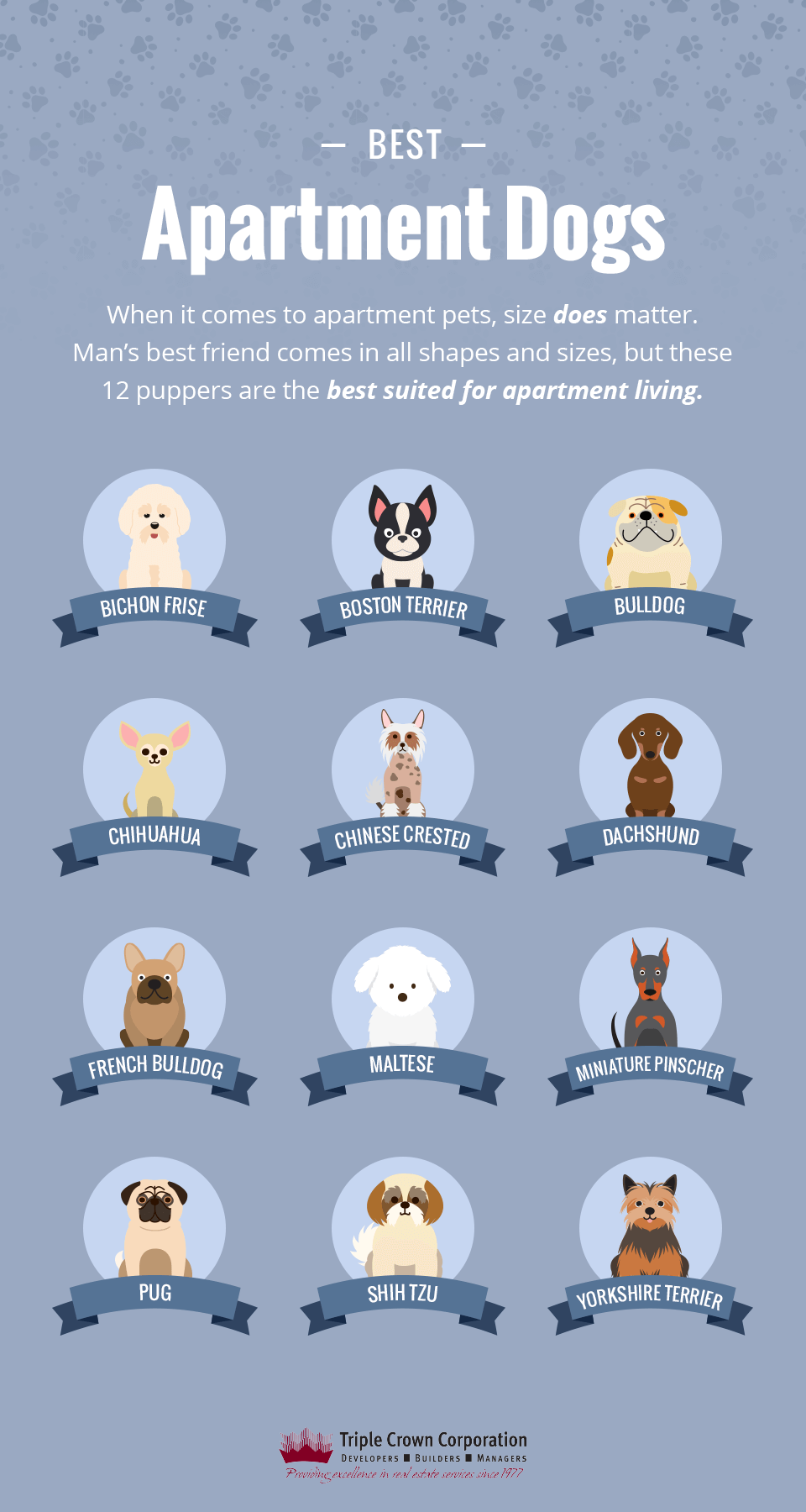
French Bulldog
French Bulldogs are calm and low-energy dogs. They enjoy short walks and lots of rest. Their small size fits well in apartments. They are friendly and good with families. These dogs rarely bark, keeping noise low.
Cavalier King Charles Spaniel
This breed is gentle and loves attention. They adapt well to indoor living. Cavaliers need moderate exercise but enjoy quiet time too. Their small size and calm nature suit apartments well. They make loving and loyal pets.
Chihuahua
Chihuahuas are tiny but full of personality. They need little space but lots of love. These dogs are alert and can be good watchdogs. Their small size is perfect for apartments. They enjoy cuddles and short play sessions.
Pug
Pugs are friendly and social dogs. They handle apartment life well with short walks. Pugs are playful but also love to lounge. Their quiet nature keeps neighbors happy. They bond closely with their owners.
Dachshund
Dachshunds are curious and lively but small in size. They need some exercise but adapt to apartment life easily. Their affectionate nature makes them great companions. These dogs enjoy exploring but also love rest time.
Credit: www.furkin.com
Grooming And Maintenance
Grooming and maintenance are key to keeping small dogs happy in apartments. Proper care keeps them clean, healthy, and comfortable. It also helps reduce odors and hair around the home. Different small dog breeds have different grooming needs. Understanding these needs helps you choose the right dog for your living space.
Coat Types
Small dogs have various coat types. Some have short, smooth fur that is easy to brush. Others have long, silky hair that needs regular trimming. Some breeds have curly or wiry coats requiring special care. Knowing the coat type helps plan grooming tasks. It also affects how often you need to bathe and trim your dog.
Shedding Considerations
Shedding varies with breed and season. Low-shedding dogs suit apartments better. They leave less hair on furniture and floors. High-shedding breeds need more frequent cleaning. Regular brushing reduces loose hair and dander. It also keeps your apartment cleaner and your dog healthier.
Regular Care Routines
Small dogs need daily or weekly grooming. Brushing removes dirt and tangles. Bathing keeps their coat fresh and clean. Nail trimming prevents discomfort and damage to floors. Check ears and teeth to avoid infections. A simple routine keeps your dog happy and your apartment neat.
Exercise Needs In Limited Spaces
Small dogs living in apartments have unique exercise needs. Limited space means owners must find creative ways to keep their pets active. Regular exercise helps dogs stay healthy and happy. It also prevents boredom and unwanted behavior. Understanding how to provide exercise in small spaces is essential for apartment dwellers.
Indoor Activities
Indoor play is perfect for small dogs. Use toys like balls and tug ropes to keep them moving. Hide treats around the room for a fun treasure hunt. Simple games like fetch can be adapted for indoors. These activities burn energy without needing much space.
Short Walks
Short walks suit apartment dogs well. Walks around the block provide fresh air and exercise. Keep walks consistent to build a routine. Even a 10 to 15-minute walk helps maintain fitness. Use a leash to keep control and safety during walks.
Mental Stimulation
Mental exercise is as important as physical activity. Puzzle toys challenge a dog’s mind and keep it sharp. Training sessions teach new commands and tricks. These activities reduce stress and improve behavior. Mental stimulation helps small dogs thrive in apartments.
Managing Noise And Barking
Noise and barking can be a challenge in small apartments. Small dogs often bark more because of their alert nature. Managing these sounds helps keep peace with neighbors and makes your home calm. Proper care and training reduce unwanted noise effectively.
Training Tips
Teach your dog to bark only when necessary. Use a calm voice to say “quiet” and reward silence. Practice regularly to help your dog understand. Avoid yelling, as it may increase barking. Consistency is key for good results.
Environmental Adjustments
Create a quiet space for your dog with soft bedding. Close windows and curtains to reduce outside noise triggers. Use white noise machines to mask sounds that cause barking. Keep your dog away from busy windows or doors.
Using Toys And Distractions
Provide chew toys to keep your dog busy and calm. Puzzle toys stimulate their mind and reduce boredom. Rotate toys often to keep your dog interested. Play with your dog regularly to burn off energy and reduce barking.
Health Concerns For Small Dogs
Small dogs bring joy to apartment living, but they need special health care. Their tiny bodies can face unique health challenges. Knowing these helps you keep your dog happy and healthy.
Common Issues
Small dogs often face dental problems. Their teeth can crowd and trap food easily. This leads to gum disease and pain. They may also have fragile bones, which break more easily. Some breeds have breathing troubles due to small noses or flat faces. Joint problems like patellar luxation are common. These issues make movement painful.
Preventive Care
Regular brushing helps avoid dental disease. Use a soft toothbrush and dog toothpaste. Feed high-quality food made for small breeds. Keep their weight in check to avoid stress on joints. Provide gentle exercise to strengthen muscles. Avoid jumping from heights to protect bones and joints. Use flea and tick prevention to stop infections.
Vet Visits
Visit the vet twice a year for checkups. Early detection can stop many health problems. Vaccinations protect against common diseases. Ask about dental cleanings and joint supplements. Keep a health record to track changes. Discuss diet and exercise plans suited for small dogs.
Choosing The Right Dog For Your Lifestyle
Choosing the right dog for your lifestyle is important, especially in an apartment. Dogs need space and care that fit your daily routine. The right dog makes apartment living happy and stress-free. Consider your energy, time, and family before picking a dog.
Activity Level Matching
Some dogs need a lot of exercise. Others prefer calm walks and rest. Match the dog’s activity with your energy. Active dogs can feel stressed in small spaces without playtime. Quiet dogs suit apartment life better if you have less time for exercise.
Time Commitment
Dogs need attention every day. Puppies require more time for training and care. Adult dogs may be easier to manage. Think about your work and social schedule. Choose a dog that fits your available time. Avoid dogs that need constant attention if you are busy.
Family Considerations
Think about everyone in your home. Some dogs are great with children. Others do better with adults only. Allergies can be a problem too. Choose a breed that fits your family’s needs. A calm dog suits families with young kids better.
Credit: www.triplecrowncorp.com
Frequently Asked Questions
What Small Dog Breeds Suit Apartment Living Best?
Small breeds like French Bulldogs, Pugs, and Dachshunds adapt well to apartments. They need moderate exercise and minimal space. Their calm nature makes them ideal for confined areas without compromising companionship.
How Much Exercise Do Small Apartment Dogs Need?
Small apartment dogs require 20 to 40 minutes of daily exercise. Short walks and indoor play sessions keep them healthy and happy. Regular activity prevents boredom and destructive behavior in limited spaces.
Are Small Dogs Noisy In Apartments?
Some small dogs can be noisy, but breeds like Cavalier King Charles Spaniels are quieter. Proper training and socialization help reduce barking. Noise levels depend on breed temperament and individual dog behavior.
Can Small Dogs Handle Apartment Living Alone?
Small dogs tolerate alone time better with gradual training. They need mental stimulation and toys to stay engaged. Frequent breaks and attention prevent separation anxiety and promote well-being in apartment settings.
Conclusion
Choosing the right small dog makes apartment life easier and happier. Quiet breeds fit well in close spaces and need less exercise. Friendly dogs help you feel safe and loved at home. Remember, a dog’s personality matters more than size alone.
Spend time with pets before deciding to find your best match. Caring for a small dog brings joy and companionship every day. Your apartment can become a warm, lively place with the right furry friend.