Finding the best shock collar for your extra small dog can feel overwhelming. You want something safe, effective, and comfortable for your tiny furry friend.
Choosing the wrong collar could cause more harm than good. But don’t worry—this guide will help you pick the perfect option that fits your dog’s size and personality. Keep reading to discover how to train your little companion with care and confidence.

Credit: www.pet-tech.com.au
Choosing Shock Collars For Tiny Dogs
Choosing a shock collar for tiny dogs requires special care. Small dogs are delicate. Their skin and bodies react differently to stimuli. A collar must fit well and work gently. Comfort and safety are top priorities. Select a collar designed for small breeds. Pay attention to the collar’s size, weight, and settings. The right collar helps train without causing harm.
Key Features To Look For
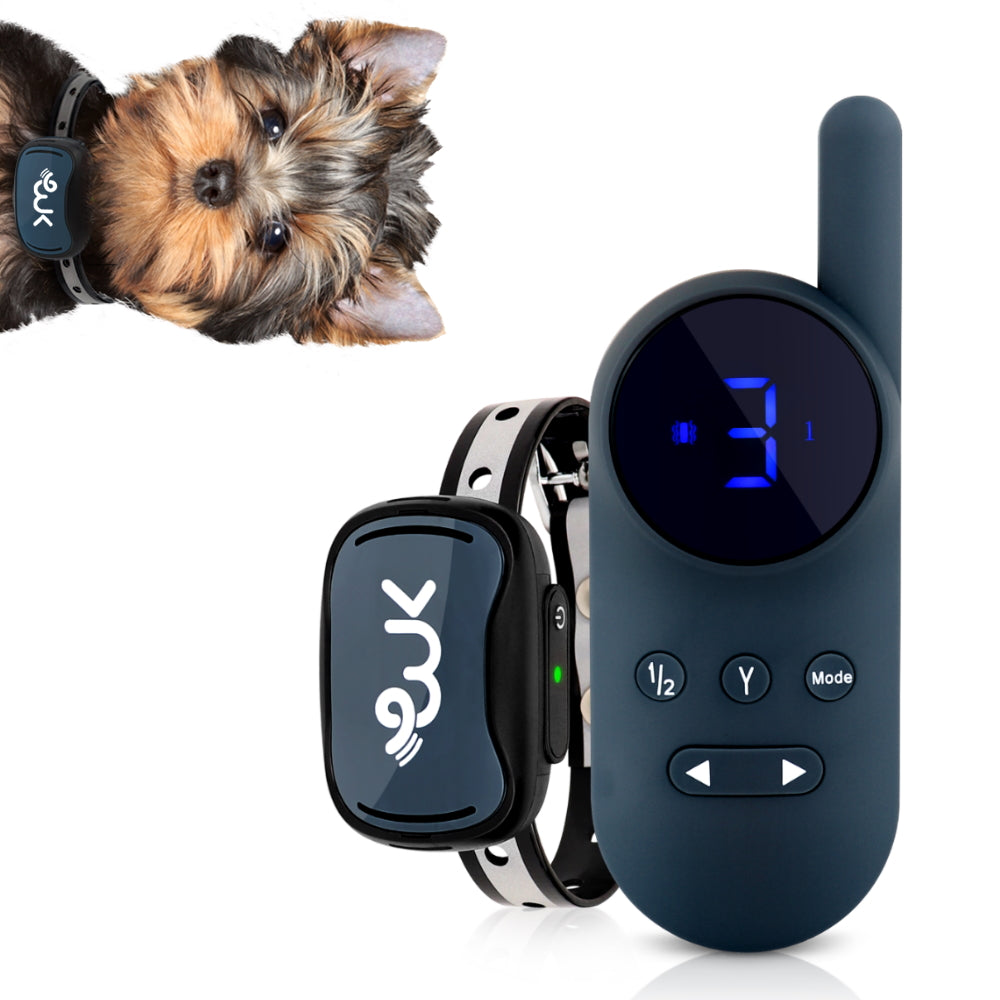
Look for collars made for extra small dogs. Lightweight and adjustable collars fit better. The collar should have a soft strap to avoid irritation. A waterproof design lasts longer and suits outdoor use. Check if the collar offers different stimulation modes. Vibration, beep, and gentle shock are helpful options. A remote control with clear buttons makes training easier.
Safety Considerations
Safety is crucial for tiny dogs. Choose collars with low-level stimulation. Avoid collars that deliver strong shocks. The device should have a quick shut-off feature. This prevents over-correction during training. Ensure the collar fits snugly but not too tight. Always monitor your dog’s reaction during use. Stop using the collar if your dog shows stress or pain.
Adjustable Settings For Small Breeds
Adjustable settings allow gentle training. Select collars with multiple intensity levels. Start with the lowest setting. Increase only if needed, and in small steps. Some collars offer vibration or sound options instead of shocks. These work well for sensitive dogs. The ability to customize helps match your dog’s comfort. Proper adjustment ensures effective and kind training.

Credit: www.atlantis-spiele.de
Top Shock Collars For Extra Small Dogs
Choosing the right shock collar for extra small dogs is important. Small dogs need collars that fit well and offer gentle correction. This helps keep them safe and comfortable.
Some collars are designed with extra small dogs in mind. They have adjustable settings to match their size and sensitivity. Here are some top shock collars that suit extra small dogs perfectly.
Best Overall Collar
This collar balances size, comfort, and control. It has multiple shock levels for gentle correction. The lightweight design fits small necks well. It also offers vibration and beep modes. This helps train without causing stress.
Most Affordable Option
This collar provides good quality at a low price. It includes basic shock and beep functions. The collar strap is adjustable for tiny necks. It works well for beginners on a budget. The battery lasts long enough for daily use.
Premium Features Collar
This collar offers advanced features for precise training. It has many shock levels and vibration modes. The collar is waterproof and durable. It includes a remote with a long range. This model suits owners who want more control.
Collar With Longest Battery Life
This collar stands out for its battery performance. It can last several days on a single charge. Ideal for owners who train often or travel. The collar is small and fits extra small dogs. It offers shock, beep, and vibration options.
Comparing Collar Performance
Choosing the best shock collar for extra small dogs means looking closely at how well each collar works. Not all collars perform the same. Some help train your dog faster, while others might be more comfortable or last longer.
Effectiveness In Training
A good collar helps teach your dog commands quickly. It should give clear signals without causing fear. The best collars offer different levels of stimulation. This lets you adjust the strength to your dog’s size and behavior. A collar that works well helps your dog learn faster and behave better.
Comfort And Fit
Extra small dogs need collars that fit snugly but gently. A collar that is too tight can hurt your dog. One that is too loose might not work properly. Soft materials and lightweight designs keep your dog comfortable. Comfort helps your dog accept the collar without stress.
Durability And Build Quality
Collars for small dogs should be strong and last long. Good build quality means the collar stays safe during play or walks. Waterproof materials protect the collar from rain or slobber. A durable collar saves money by avoiding frequent replacements.
Using Shock Collars Safely
Using shock collars safely is very important, especially for extra small dogs. These collars can help with training but must be used with care. Proper use ensures your dog stays happy and healthy. Safety should always come first during training sessions.
Proper Placement And Fit
Place the collar snugly but not too tight around your dog’s neck. It should sit low, just below the throat. Check that two fingers fit between the collar and skin. Avoid placing it too high or loose to prevent discomfort. Regularly inspect the collar for signs of wear or irritation.
Recommended Training Techniques
Start with the lowest shock setting to test your dog’s response. Use the collar as a guide, not punishment. Combine it with positive rewards like treats or praise. Keep training sessions short and calm. Always watch your dog closely to avoid stress or fear.
Avoiding Common Mistakes
Never leave the shock collar on your dog for long periods. Avoid using high shock levels that can hurt your dog. Do not use the collar to stop barking constantly. Avoid shocking out of frustration or anger. Always read the manual and follow instructions carefully.
Alternatives To Shock Collars
Shock collars are not the only way to train extra small dogs. Many safe and gentle options exist. These alternatives help teach good behavior without causing stress or pain. They suit tiny dogs better and promote a positive bond.
Vibration And Sound Collars
Vibration collars use gentle buzzing instead of shocks. The feeling gets your dog’s attention without pain. Sound collars emit beeps or tones to signal commands. Both types work well for sensitive dogs. They provide clear cues without fear or harm.
Positive Reinforcement Tools
Treats, clickers, and praise motivate dogs to learn. Rewards encourage good behavior and build trust. Clicker training uses a sound to mark right actions. These tools make training fun and effective. Positive methods help dogs feel safe and eager to obey.
Harnesses And Leash Training
Harnesses offer better control for small dogs on walks. They reduce strain on the neck compared to collars. Leash training teaches dogs to follow commands calmly. This method improves behavior without punishment. It also strengthens the bond between owner and pet.
Credit: hno-oberascher.at
Frequently Asked Questions
What Is The Best Shock Collar For Extra Small Dogs?
The best shock collar for extra small dogs is lightweight, adjustable, and gentle. It offers multiple stimulation levels and fits snugly without causing discomfort. Brands like PetSafe and DogRook are popular choices.
Are Shock Collars Safe For Extra Small Dogs?
Yes, shock collars are safe when used properly. Choose collars designed for small breeds with low stimulation levels. Always monitor your dog’s reaction and avoid prolonged use to prevent stress or injury.
How To Choose Shock Collar Size For Small Dogs?
Measure your dog’s neck circumference accurately. Select collars with adjustable straps to ensure a snug, comfortable fit. Avoid collars that are too heavy or bulky for extra small dogs.
Can Shock Collars Help Train Extra Small Dogs?
Yes, shock collars can aid training when combined with positive reinforcement. They help correct unwanted behaviors gently. Consistent, humane use improves obedience without causing fear or harm.
Conclusion
Choosing the best shock collar helps keep small dogs safe and happy. Each dog has unique needs and comfort levels. Test collars gently to find the right fit and setting. Always watch your dog’s reaction during training sessions. Patience and kindness build trust and good behavior.
Small dogs respond well to clear, consistent signals. Training becomes easier with the right tools and care. Your dog will enjoy learning and feeling secure. Trust your instincts and keep your dog’s well-being first.