Looking for the best perimeter fence for your dog? You want a fence that keeps your furry friend safe, secure, and happy without causing you constant worry.
Choosing the right fence isn’t just about boundaries—it’s about peace of mind for you and freedom for your dog. You’ll discover the top options that fit your needs, budget, and your dog’s unique behavior. Keep reading to find the perfect fence that turns your yard into a safe haven your dog will love.
Credit: hiddenfence.com.au
Choosing The Right Fence Material
Choosing the right fence material is important for your dog’s safety. The material affects durability, appearance, and how well the fence keeps your dog inside. Each material has different strengths and weaknesses.
Think about your dog’s size, behavior, and how much maintenance you want. The right fence helps prevent escapes and protects your pet from dangers outside.
Wood Fences
Wood fences offer a natural look. They provide good privacy and block wind. Dogs cannot see through, which can calm nervous pets. Wood can be chewed by strong dogs. Regular painting or staining keeps wood safe from weather.
Chain Link Fences
Chain link fences are strong and low-cost. They allow dogs to see outside. This may excite some dogs or cause barking. Chain link is easy to install and needs little maintenance. Add privacy slats if needed to reduce visibility.
Vinyl Fences
Vinyl fences resist weather and pests well. They do not need painting and stay clean longer. Vinyl is smooth, so dogs cannot chew it. The fences look modern and keep pets safe. They cost more but last many years.
Metal Fences
Metal fences, like wrought iron, look stylish and last long. They are strong but may not block the view. Small dogs might squeeze through big gaps. Metal needs rust protection in wet areas. Metal fences can be expensive but very durable.
Electric Fences
Electric fences use a hidden wire underground. They give a warning shock if dogs get too close. These fences do not block the view or wind. They require training for dogs to understand boundaries. Electric fences need regular checks for safety.

Credit: jprstudies.org
Fence Height And Design Considerations
Choosing the right fence height and design is key to keeping dogs safe. It stops them from escaping and protects them from outside dangers. Good fence design also fits well with your yard’s look. This section talks about important points for fence height and style.
Ideal Fence Height For Different Dog Breeds
Small dogs need fences at least 3 to 4 feet tall. Medium breeds do well with 4 to 5 feet fences. Large or active dogs need fences that are 6 feet or higher. Some dogs can jump very high. Check your dog’s breed and jumping ability before choosing height.
Fence Styles That Prevent Jumping And Climbing
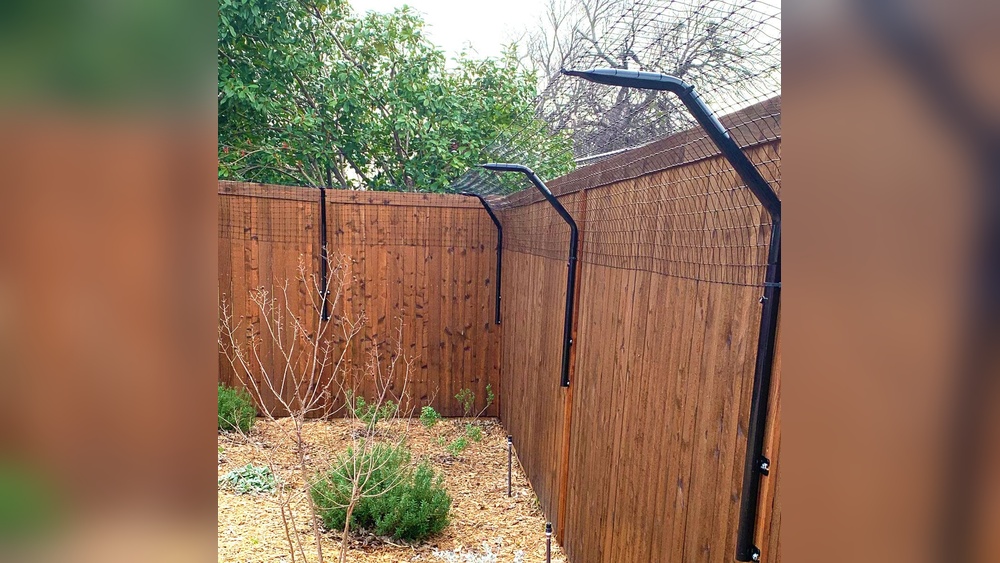
Smooth surfaces stop dogs from climbing. Metal or vinyl fences with no footholds work best. Avoid chain link fences with large gaps. Solid panels or tightly spaced pickets keep dogs from squeezing out. Adding a fence topper or angled extension can block jumping attempts.
Visibility And Aesthetics
Choose fences that let dogs see outside safely. Wire mesh or picket fences offer good visibility. Solid fences give privacy but may make dogs anxious. Pick a style that matches your home and yard. Balance looks with your dog’s comfort and security.
Durability Factors To Consider
Choosing the best perimeter fence for dogs means thinking about durability. A fence needs to last through different weather and daily wear. Dogs can be tough on fences. They might chew or scratch. Picking a strong, long-lasting fence saves money and stress later. Focus on key durability factors before buying.
Weather Resistance
A good fence stands up to sun, rain, snow, and wind. Some materials fade or break down fast outside. Metal fences can rust without a proper coating. Wood fences may rot or warp if not treated. Plastic or vinyl fences resist water and sun damage well. Check the fence’s weatherproof features to ensure it lasts.
Chew-proof Features
Dogs love to chew on fences. A weak fence can break or become unsafe. Hard materials like metal or thick vinyl resist chewing best. Avoid thin wood or plastic that dogs can bite through easily. Some fences have extra protection, like metal mesh, to stop chewing. A chew-proof fence keeps your dog safe and your fence intact.
Maintenance Requirements
Every fence needs some care. Some fences need regular painting or sealing. Others only need a quick wash now and then. Low-maintenance fences save time and money. Metal fences may need rust checks. Vinyl fences clean easily with soap and water. Pick a fence that fits your schedule and effort level.
Safety Features For Dogs
Safety is the top priority when choosing a perimeter fence for dogs. A secure fence keeps dogs safe and happy. It also gives owners peace of mind. A good fence has features that protect dogs from harm. It stops them from escaping and keeps dangers out. Below are key safety features that every dog fence should have.
Avoiding Sharp Edges
Sharp edges can hurt dogs if they rub or jump against the fence. The fence should have smooth surfaces and rounded corners. Avoid fences with exposed nails, screws, or wires. Check the fence regularly for wear and tear. Fix any sharp parts immediately. This protects dogs from cuts and scratches.
Preventing Escape Routes
Dogs often try to dig or squeeze through gaps in fences. The fence must be tall enough to stop jumping. It should reach deep into the ground to prevent digging under it. Small gaps or holes can be escape routes. Close all openings tightly. A secure fence keeps dogs inside and safe.
Protecting Against Predators
Predators like coyotes, stray dogs, or wild animals can harm pets. A strong, tall fence helps keep predators out. Some fences have extra barriers, such as mesh or electric wiring. These features stop predators from climbing or breaking through. Protecting dogs from outside threats is vital for their safety.
Installation Tips For Long-lasting Fences
Installing a fence for your dog is not just about choosing the right material. How you install it plays a big role in its strength and life. Strong installation keeps your dog safe and saves money on repairs. Follow these tips for a fence that lasts many years.
Proper Ground Anchoring
Anchoring the fence posts firmly in the ground is key. Use deep holes to hold the posts steady. Fill the holes with concrete or packed soil to stop movement. Check soil type first; soft soil may need extra support. Strong anchors prevent the fence from leaning or falling.
Choosing Professional Vs. Diy Installation
Decide if you want to install the fence yourself or hire a pro. DIY can save money but takes time and skill. Professionals have tools and experience for quick, safe setup. They can spot hidden problems under the ground. Choose what fits your budget and skills best.
Regular Inspections And Repairs
Check the fence often for damage or weak spots. Look for loose posts, broken wires, or gaps. Fix small problems right away to stop bigger damage. Clean the fence to avoid rust or decay. Regular care keeps the fence strong and safe for your dog.
Budgeting For Your Perimeter Fence
Setting a budget for your perimeter fence is important. It helps you choose the right fence without spending too much. Planning your budget early guides you to select materials that fit your needs and wallet. This way, you avoid surprises and stay within your financial limits.
Cost Comparison Of Materials
Different fence materials have different prices. Wood fences cost less but may need more upkeep. Metal fences tend to be pricier but last longer. Vinyl fences fall in the middle and are easy to maintain. Compare prices before buying to find what suits your budget best.
Balancing Price And Quality
Choosing the cheapest option might not always be smart. Low-cost fences can break or wear out fast. Good quality fences protect your dog better and last longer. Find a fence that offers solid quality without costing too much.
Long-term Investment Benefits
Spending more now can save money later. Strong fences reduce repair and replacement costs. They keep your dog safe and secure for years. Think of your fence as a long-term investment in your pet’s safety.
Innovative Fence Technologies
Innovative fence technologies are changing how we protect our dogs. They offer safety and convenience in new ways. These technologies keep pets secure while blending with modern homes. They also make fence management easier for owners.
Smart Fencing Solutions
Smart fences use sensors and cameras to monitor your yard. They can alert you if your dog tries to leave. Some models connect to your phone for real-time updates. These fences adjust boundaries based on your commands. They provide peace of mind without physical barriers.
Integration With Home Security
Fences now link directly to home security systems. This integration helps protect your dog and property together. If the fence detects unusual movement, it triggers alarms. Cameras capture any activity near the fence line. This system improves overall safety for your family and pets.
Wireless And Invisible Fence Options
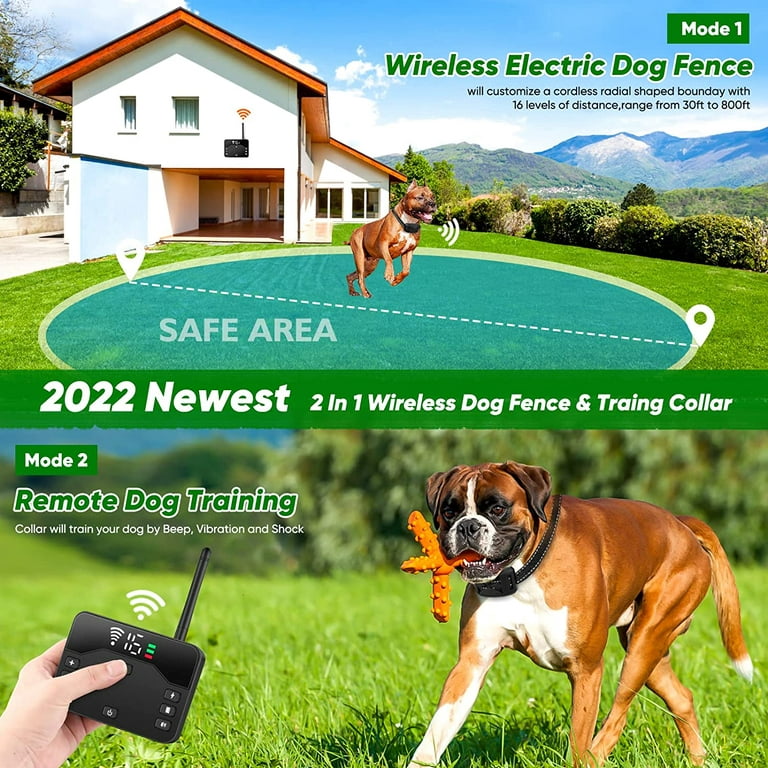
Wireless fences use radio signals to mark safe zones. They do not require digging or physical barriers. Dogs wear special collars that alert them near boundaries. Invisible fences keep yards clear without blocking views. These options suit many homes and dog types.
Credit: itie.rivilgroup.com
Frequently Asked Questions
What Is The Best Perimeter Fence For Dogs?
The best perimeter fence for dogs is durable, tall, and secure. It prevents escapes and keeps other animals out. Materials like chain link, vinyl, or wood are popular choices. Consider your dog’s size, breed, and behavior when choosing the fence type.
How High Should A Dog Perimeter Fence Be?
A dog perimeter fence should be at least 6 feet high. Taller fences prevent jumping or climbing escapes. Some breeds may need higher fences, especially if they are agile or large. Always choose a height based on your dog’s specific needs.
Can Electric Fences Safely Contain Dogs?
Yes, electric fences can safely contain dogs when installed correctly. They provide a mild shock deterrent without causing harm. Training your dog to understand the boundary is essential. Electric fences work best for dogs that respect boundaries and respond well to training.
Are Invisible Fences Effective For Dog Containment?
Invisible fences can be effective but have limitations. They use underground wires and a collar to warn dogs. They don’t physically block other animals or people. These fences require consistent training and may not suit all dog personalities.
Conclusion
Choosing the right perimeter fence keeps your dog safe and happy. Strong materials and proper height matter most. A good fence stops your pet from escaping. It also protects them from outside dangers. Regular checks help maintain the fence’s strength.
Think about your dog’s size and behavior too. A secure yard gives peace of mind for everyone. Take time to pick the best fence for your dog. Safe pets make happy homes.