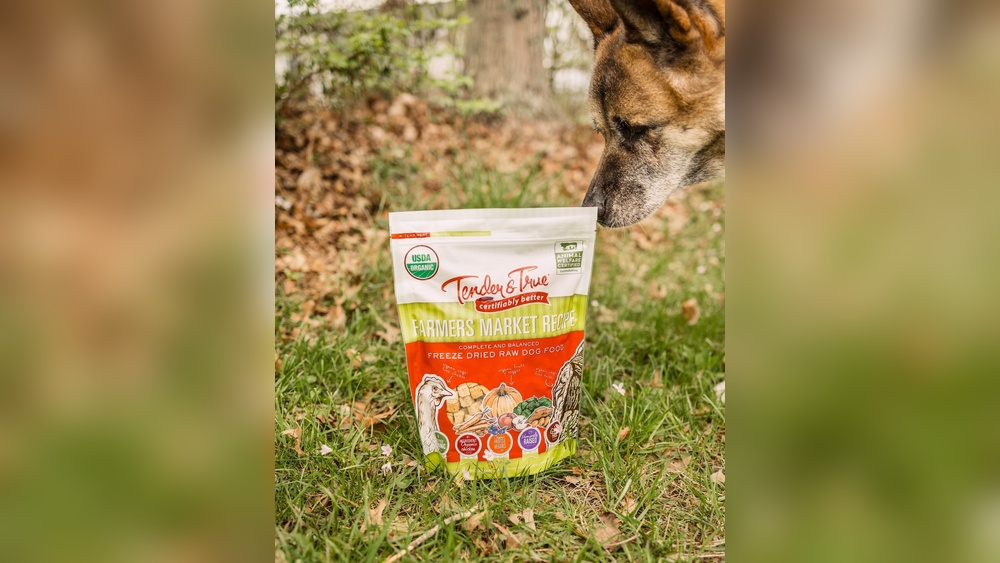
Are you looking to give your dog the healthiest, most natural diet possible? Choosing the best organic raw dog food can make a huge difference in your pet’s energy, coat, and overall happiness.
But with so many options out there, how do you find the one that truly meets your dog’s needs? You’ll discover simple, effective tips to pick the perfect organic raw food that supports your furry friend’s well-being. Keep reading to unlock the secrets to a happier, healthier dog!
Benefits Of Organic Raw Dog Food
Organic raw dog food offers many health benefits for your pet. It uses fresh, natural ingredients without chemicals. This type of diet supports your dog’s overall well-being. Dogs thrive on food close to their natural diet. Below are key benefits that make organic raw dog food a healthy choice.
Improved Digestion And Nutrient Absorption
Raw food contains enzymes that help break down food better. These enzymes aid digestion and reduce stomach issues. Dogs absorb nutrients more effectively from raw meals. This leads to better health and fewer digestive problems. Organic ingredients mean fewer fillers and additives that upset digestion.
Enhanced Immune System
Natural, raw foods have high levels of vitamins and minerals. These nutrients strengthen your dog’s immune defenses. A strong immune system fights off sickness and infections. Organic raw food avoids harmful pesticides that can weaken immunity. Healthier dogs stay active and resist diseases more easily.
Healthier Skin And Coat
Raw diets provide essential fatty acids like omega-3 and omega-6. These fats improve skin condition and coat shine. Dogs eating organic raw food often have less itching and dryness. Their fur looks fuller, softer, and more vibrant. Good skin health also prevents infections and allergies.
Increased Energy Levels
Fresh, nutrient-rich raw food fuels your dog’s body well. This leads to higher energy and better stamina. Dogs feel more playful and alert with a raw diet. Organic ingredients ensure clean, natural energy without artificial additives. Active dogs enjoy life more and stay fit longer.
Key Ingredients In Organic Raw Dog Food
Organic raw dog food focuses on natural, fresh ingredients. These ingredients provide dogs with essential nutrients. Quality matters a lot. Each ingredient plays a special role in your dog’s health.
High-quality Proteins
Proteins build strong muscles and tissues. Common sources include organic chicken, beef, and fish. These proteins are free from hormones and antibiotics. They help keep your dog active and fit.
Fresh Vegetables And Fruits
Vegetables and fruits add vitamins and fiber. Carrots, spinach, and apples are popular choices. These help digestion and boost the immune system. They also provide natural antioxidants for health.
Essential Fats And Oils
Fats give energy and support skin health. Organic fish oil and flaxseed oil are rich sources. These fats improve coat shine and brain function. Dogs need these fats for balanced nutrition.
Natural Supplements And Additives
Supplements add extra health benefits. Examples include kelp, probiotics, and turmeric. They support digestion, joints, and overall wellness. These natural additives keep dogs strong and healthy.
Choosing The Right Raw Food For Your Dog
Choosing the right raw food for your dog is very important. It helps keep your dog healthy and happy. Dogs need food that fits their age, size, and health. Raw food can be natural and nutritious. But not all raw foods are the same. You must choose carefully to meet your dog’s needs.
Consider many factors before picking raw food. Quality, ingredients, and safety all matter. This guide helps you understand what to check. It also shows popular brands and the choice between homemade and store-bought raw food.
Assessing Your Dog’s Dietary Needs
Each dog has unique dietary needs. Puppies, adults, and senior dogs need different nutrients. Some dogs have allergies or health issues to consider. Talk to your vet about your dog’s specific needs. Watch your dog’s weight and energy levels. These signs help you adjust the diet properly.
Reading Labels And Certifications
Check raw food labels carefully. Look for organic and natural ingredients. Avoid foods with fillers, additives, or artificial colors. Certifications like USDA Organic or Non-GMO show higher quality. These labels mean the food meets strict standards. Always choose raw food with clear, honest labeling.
Common Organic Raw Food Brands
Many brands offer organic raw dog food. Some are well-known for quality and safety. Brands like Primal, Stella & Chewy’s, and Darwin’s are popular choices. They use fresh, organic ingredients and avoid harmful chemicals. Research each brand’s practices before buying. Check reviews from other dog owners.
Homemade Vs. Commercial Raw Food
Homemade raw food lets you control ingredients. You can tailor meals for your dog’s taste and needs. But it takes time and knowledge to prepare safely. Commercial raw food is convenient and tested for safety. It often includes balanced nutrients. Choose what fits your lifestyle and your dog’s health best.
Transitioning Your Dog To Raw Food
Transitioning your dog to raw food can improve their health and energy. It takes patience and care to make the change smooth. Start by understanding your dog’s needs and signs of readiness. Follow a clear plan to avoid digestive issues and stress. Knowing common challenges helps prepare you for the process.
Signs Your Dog Is Ready
Your dog shows interest in new foods. They have a healthy appetite and good digestion. Energy levels are stable or improving. No signs of food allergies or sensitivities appear. Your dog is not picky or afraid of new textures. These signs suggest they can handle raw food well.
Step-by-step Transition Process
Begin by mixing a small amount of raw food with their current diet. Gradually increase the raw portion over two weeks. Monitor your dog’s stool and energy daily. Offer fresh water at all times. Adjust the pace based on how your dog reacts. This slow change helps their body adapt smoothly.
Common Challenges And Solutions
Your dog may resist the new taste or texture. Try different raw food recipes to find what they like. Some dogs may have loose stools at first. Reduce raw food amounts and increase slowly. Keep an eye on any allergies or digestive upset. Consult a vet if problems continue beyond two weeks.
Safety Tips And Storage Guidelines
Safety is very important when feeding your dog organic raw food. Raw food can carry bacteria if not handled properly. Following safety tips helps keep your dog healthy and prevents illness. Proper storage keeps the food fresh and safe to eat. Knowing how to handle raw food reduces risks for your whole family.
Preventing Contamination
Always wash your hands before and after touching raw dog food. Clean all surfaces and bowls with hot, soapy water. Use separate utensils for raw food and other items. Avoid letting raw food touch your kitchen counters or other foods. Keep raw food away from your dog’s toys and bedding.
Proper Storage Techniques
Store raw dog food in the coldest part of your fridge. Keep it in sealed containers to avoid leaks or spills. Freeze extra portions in small packs for easy thawing. Use thawed food within 24 hours to keep it fresh. Check expiration dates and never feed spoiled food to your dog.
Handling Raw Food Safely
Thaw frozen food in the fridge, not at room temperature. Serve raw food on a clean plate or bowl. Clean your dog’s feeding area after every meal. Dispose of unused raw food quickly and safely. Always wash your hands and tools after handling raw dog food.

Credit: cruceroclick.com
Myths And Facts About Raw Feeding
Raw feeding for dogs has many opinions. Some believe it is unsafe or unbalanced. Others say it is natural and healthy. Separating myths from facts helps dog owners make wise choices. Understanding the truth about raw diets protects pets and supports their wellbeing.
Debunking Common Misconceptions
Many think raw food causes infections. Proper handling and hygiene reduce risks greatly. Some believe raw diets lack nutrients. Balanced raw meals can meet all dog needs. Others say raw feeding is expensive. Preparing raw food at home can save money. Many worry about bones causing harm. Raw bones are softer and safer than cooked ones. These myths often come from fear, not facts.
Scientific Research Insights
Studies show raw diets can improve coat shine and energy. Research finds raw food boosts digestion and immune health. Some studies warn about bacteria risks, but proper hygiene lowers these risks. Veterinarians note raw feeding needs planning for nutrition balance. Science supports raw feeding if done with care. Understanding research helps owners feed dogs safely and well.
Cost And Budget Considerations
Choosing the best organic raw dog food often raises questions about cost. Feeding raw can seem expensive at first. Many dog owners worry about fitting it into their budgets. Understanding the costs helps plan better. It also helps avoid surprises and ensures your dog gets quality nutrition.
Comparing Raw Food Costs
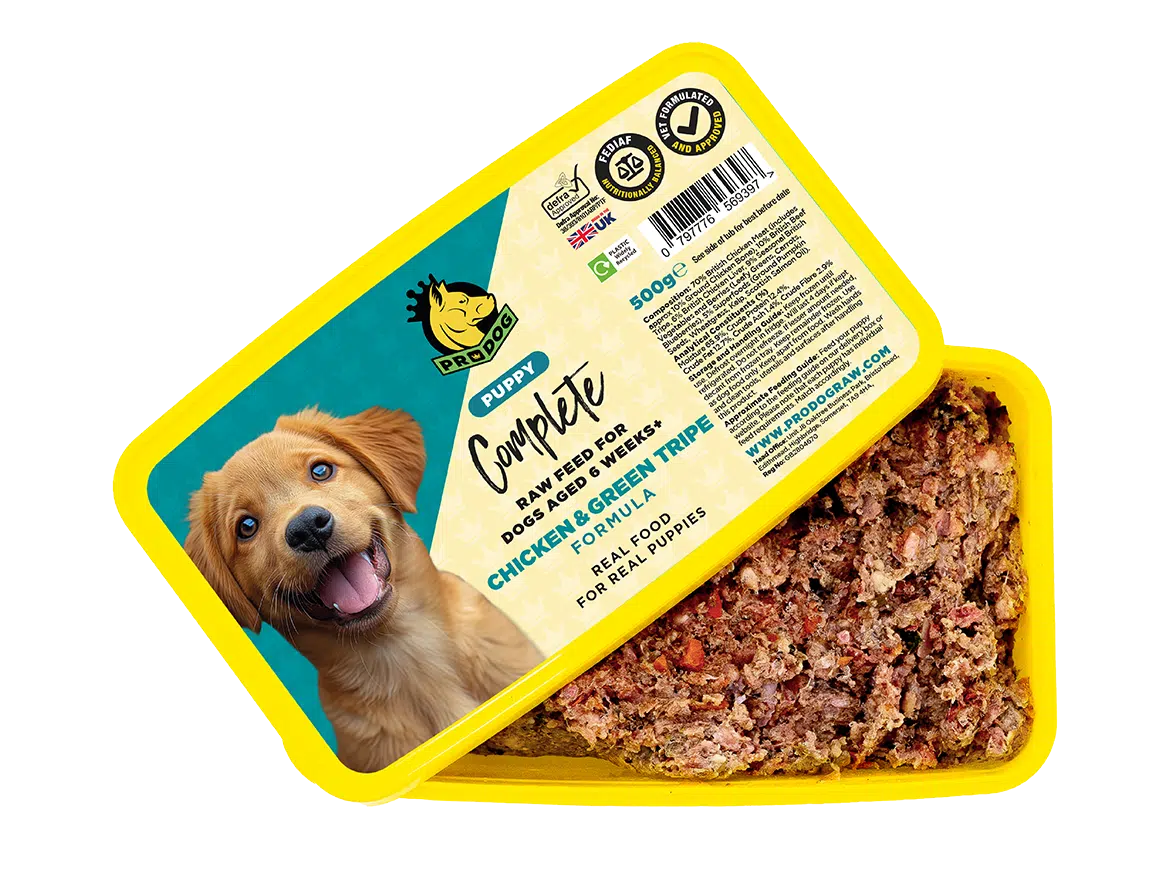
Organic raw dog food prices vary widely. Factors include ingredients, packaging, and brand reputation. Meat quality and sourcing affect price the most. Organic meats cost more than regular meats. Pre-made raw meals tend to be pricier than homemade mixes. Bulk buying usually lowers the price per serving. Some raw foods include supplements, which add to the cost. Comparing cost per pound helps make smart choices. Also, consider feeding amounts based on your dog’s size.
Tips To Save Money Without Compromising Quality
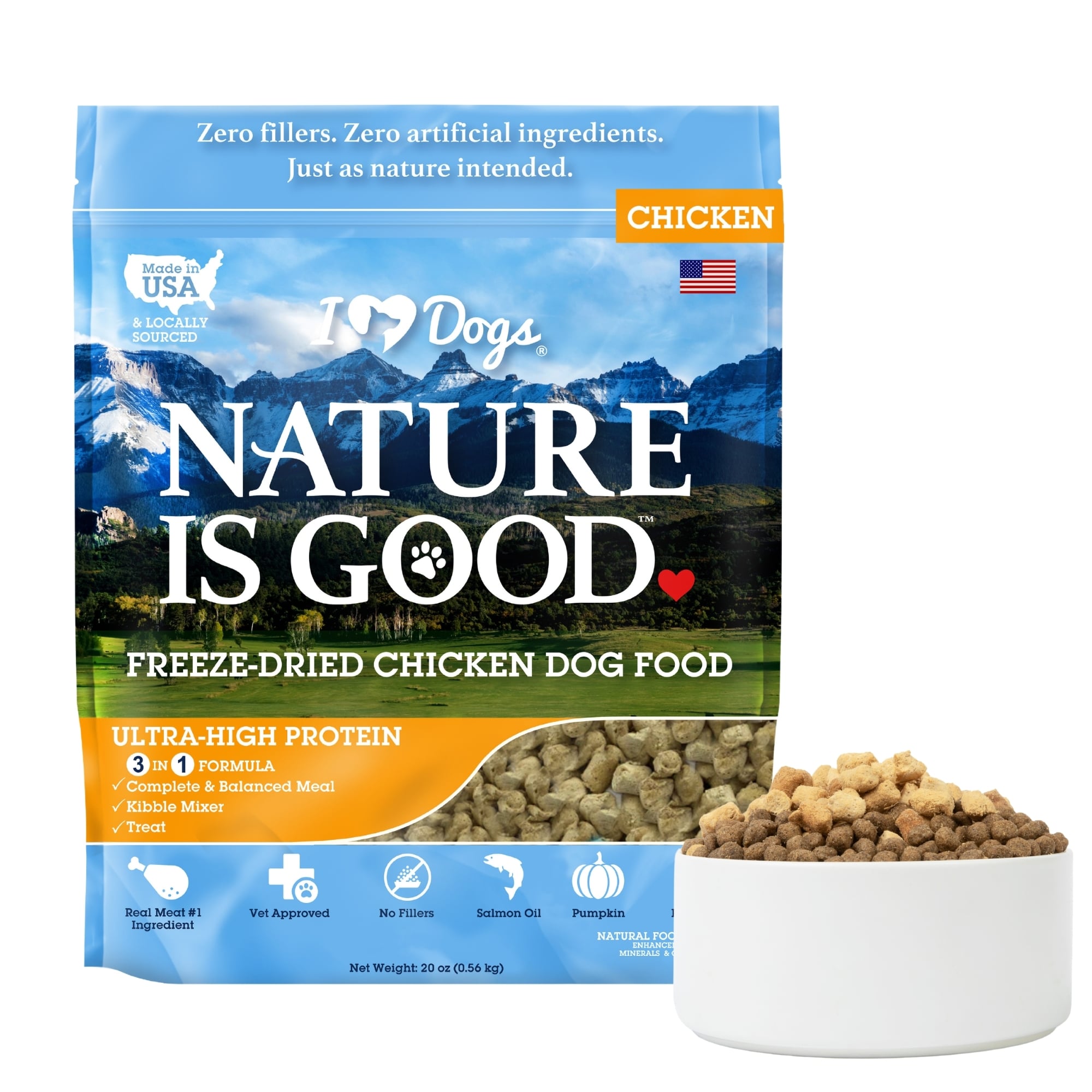
Buy organic meat in bulk from local farmers. Freeze portions to keep food fresh longer. Prepare raw food at home using simple recipes. Use less expensive cuts of meat safely. Rotate protein sources to avoid high costs. Shop at stores offering discounts on organic products. Join co-ops or buying groups for better deals. Avoid fillers and additives that increase costs without benefits. Prioritize nutrient-rich ingredients to keep meals balanced. Always check labels to ensure true organic certification.
Credit: www.showven.cn
Credit: www.cruceroclick.com
Frequently Asked Questions
What Are The Benefits Of Organic Raw Dog Food?
Organic raw dog food offers better nutrition, fewer chemicals, and improved digestion. It supports healthy skin, coat, and energy levels naturally.
How To Choose The Best Organic Raw Dog Food?
Look for high-quality ingredients, organic certification, balanced nutrients, and no fillers. Check for protein sources like free-range meat and organic vegetables.
Is Organic Raw Dog Food Safe For All Dogs?
Yes, but consult your vet first. Some dogs with health issues may need special diets or gradual transition.
How To Transition My Dog To Organic Raw Food?
Start by mixing small amounts with current food. Gradually increase raw food over 7-10 days to avoid digestive upset.
Conclusion
Choosing the best organic raw dog food helps your pet stay healthy. Natural ingredients support strong muscles and a shiny coat. Fresh food often tastes better to dogs, too. Feeding raw can improve digestion and energy levels. Always pick products with clear labels and trusted sources.
Your dog deserves safe, nutritious meals every day. Start with small portions and watch for changes. Good food means a happier, healthier dog overall. Simple choices make a big difference in your dog’s life.