
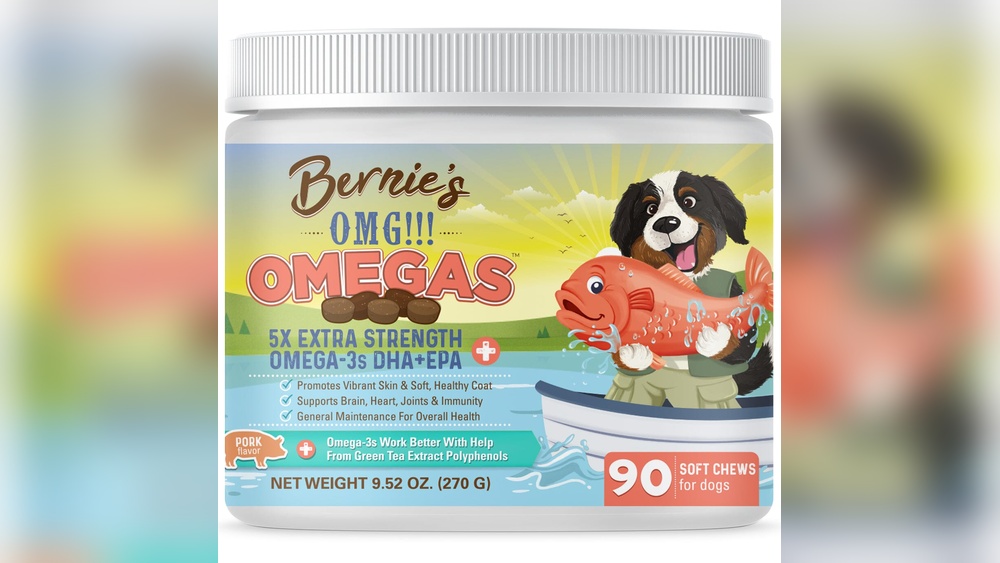
If you want your dog to stay healthy and happy, adding omega-3 supplements to their diet is a smart move. But with so many options out there, how do you find the best omega-3 chews for dogs?
You need something that’s effective, tasty, and easy to give. You’ll discover top choices that make boosting your dog’s health simple and enjoyable. Keep reading to find the perfect omega-3 chews your furry friend will love—and that you’ll feel good about giving.

Credit: store.bernies.com
Benefits Of Omega 3 For Dogs
Omega 3 fatty acids are essential nutrients for dogs. They help support many parts of your dog’s body. Giving omega 3 chews can improve your dog’s health in several ways. These benefits make omega 3 an important part of your dog’s diet.
Improved Skin And Coat
Omega 3 helps keep your dog’s skin healthy. It reduces itching and dryness. A shiny, soft coat often shows good omega 3 levels. Dogs with allergies or sensitive skin can see big improvements. Omega 3 also helps heal skin problems faster.
Joint Support
Omega 3 supports healthy joints and reduces inflammation. It can ease stiffness and pain in older dogs. Dogs with arthritis often move better with omega 3. It helps keep your dog active and comfortable for longer.
Brain And Eye Health
Omega 3 is important for brain function and eye health. It supports learning and memory in dogs of all ages. Puppies benefit from omega 3 for healthy brain development. It also helps maintain good vision as dogs age.
:strip_icc()/best-fish-oils-for-dogs-4589944-1437b3ef372f4a2c8b5887ef2554fab4.jpg)
Credit: www.thesprucepets.com
Types Of Omega 3 Chews
Omega 3 chews for dogs come in different types. Each type offers unique benefits for your pet’s health. Understanding these types helps pick the best option for your dog’s needs.
Fish Oil-based Chews
Fish oil-based chews contain omega 3 from fish like salmon or anchovies. They have EPA and DHA, key fatty acids that support heart and brain health. These chews often have a strong fish smell but taste good to many dogs. They help improve coat shine and reduce inflammation.
Flaxseed And Plant-based Options
Plant-based omega 3 chews use flaxseed, chia seeds, or algae. These are good choices for dogs with fish allergies. They provide ALA, a type of omega 3 that the body can partly convert to EPA and DHA. These chews support skin health and may help calm anxiety in dogs.
Combination Formulas
Combination formulas mix fish oil with plant oils or added vitamins. These chews offer a wider range of nutrients for overall health. They often include antioxidants and other supplements to support joints and immune function. This type suits dogs needing multiple health benefits in one chew.
Key Ingredients To Look For
Choosing the best omega-3 chews for dogs means focusing on key ingredients. These ingredients ensure your dog gets the full health benefits. Quality chews support your dog’s skin, coat, joints, and heart health. Understanding what to look for helps you pick the right product for your pet.
Epa And Dha Content
EPA and DHA are the most important omega-3 fatty acids. They come mainly from fish oil or algae. These acids reduce inflammation and support brain and eye health. Check the label for the amount of EPA and DHA per chew. Higher levels mean better support for your dog’s overall health.
Added Vitamins And Minerals
Some omega-3 chews include extra vitamins and minerals. Vitamin E is common because it protects omega-3 oils from damage. Other helpful nutrients include zinc and biotin. These improve skin and coat condition. Added nutrients create a more complete supplement for your dog.
Natural And Safe Additives
Avoid chews with artificial colors, flavors, or preservatives. Natural additives like mixed tocopherols help keep chews fresh. Look for simple, recognizable ingredients. Safe additives prevent allergic reactions and keep your dog healthy. Always pick products with clear, natural labels.
Top Omega 3 Chews For Dogs
Choosing the right omega 3 chews for dogs supports their health and happiness. Omega 3 fatty acids help improve skin, coat, and joint health. Many options exist, each with unique features and benefits. Finding the best fit depends on your dog’s needs and your budget. Below are some top omega 3 chews to consider.
Premium Quality Picks
Premium omega 3 chews often use high-grade fish oils. These chews provide pure, natural ingredients with no fillers. They support heart and brain health in dogs. Many premium brands test for safety and potency. Your dog gets the best nutrients in a tasty form. These options suit pet owners who want top quality and proven results.
Budget-friendly Options
Budget-friendly omega 3 chews deliver good benefits at lower prices. They often use mixed fish oils or plant-based omega sources. These chews still support skin and coat health. Perfect for pet owners who need value without sacrificing too much quality. Many budget options come in chewable or soft-gel forms for easy feeding.
Specialty Chews For Sensitive Dogs
Sensitive dogs need gentle omega 3 chews with limited ingredients. These chews avoid common allergens like grains or artificial additives. They use purified fish oils or algae-based omega 3s. Ideal for dogs with food allergies or digestive issues. These specialty chews help maintain health without causing upset stomachs.
How To Choose The Right Chew
Choosing the right omega 3 chew for your dog takes some thought. Each dog has unique needs that affect the best product. Focus on size, age, diet, and allergies to find the right fit. This helps ensure your dog gets the full health benefits safely and happily.
Considering Dog Size And Age
Small dogs need smaller chews that are easy to eat. Large dogs can handle bigger, tougher chews. Puppies require gentle formulas to support growth. Older dogs benefit from soft chews that are easy to chew. Match the chew size and texture to your dog’s age and size.
Assessing Dietary Needs
Omega 3 supports skin, coat, and joint health. Dogs with dry skin or dull coat need more omega 3. Active dogs or those with joint issues also benefit. Check if your dog’s regular food has enough omega 3. Choose chews that fill the gaps in your dog’s diet.
Checking For Allergies
Some dogs are allergic to fish or other ingredients. Read the ingredient list carefully before buying. Avoid chews with known allergens for your dog. Look for products labeled hypoallergenic or with limited ingredients. This keeps your dog safe and comfortable.
Dosage And Administration Tips
Giving the right amount of omega-3 chews to your dog is key. Proper dosage ensures your dog gets the benefits without risks. It also helps keep your dog’s health on track. Here are some tips on dosage and how to give these chews.
Recommended Serving Sizes
Check the product label for serving size advice. Most chews suggest servings based on dog weight. Small dogs usually need fewer chews than large dogs. Never give more than the recommended amount. Too much omega-3 can cause stomach upset or other issues.
Frequency Of Use
Daily use is often best for steady omega-3 levels. Some brands recommend giving chews once a day. Others suggest splitting the dose into two servings. Follow the brand’s instructions carefully. Consistency helps your dog absorb omega-3 properly.
Incorporating Into Daily Routine
Give chews during mealtime for easy feeding. Dogs learn to expect their chew with food. Use chews as treats after walks or training sessions. Keep a set time each day for giving chews. This helps build a habit and keeps your dog happy.
Potential Side Effects And Precautions
Omega 3 chews offer many health benefits for dogs. They support skin, coat, and joint health. Despite the benefits, some risks exist. Knowing potential side effects and precautions helps keep your dog safe. Always watch your dog carefully after starting omega 3 supplements.
Signs Of Overdose
Too much omega 3 can cause problems. Your dog may have loose stools or diarrhea. Vomiting is another sign to watch for. Excessive bleeding or bruising can happen too. If your dog acts weak or tired, take note. Stop the supplement and contact your vet right away.
Interactions With Medications
Omega 3 may affect some medicines. Blood thinners can interact badly with omega 3. This raises the risk of bleeding. Some anti-inflammatory drugs may also cause issues. Always tell your vet about all medications your dog takes. This helps avoid harmful interactions.
When To Consult A Vet
Contact your vet if your dog shows unusual symptoms. Persistent vomiting or diarrhea is a red flag. Bleeding that won’t stop needs urgent care. If your dog seems very weak or unwell, seek help. Regular check-ups ensure omega 3 supplements are safe and effective.
Storing And Handling Omega 3 Chews
Proper storing and handling of Omega 3 chews keep them safe and effective for dogs. These supplements contain oils that can spoil if not stored well. Careful storage helps maintain their health benefits and taste.
Follow simple steps to keep your dog’s Omega 3 chews fresh and ready to use. Understanding shelf life and freshness is key to getting the best results from these chews.
Best Storage Practices
Store Omega 3 chews in a cool, dry place away from sunlight. Heat and moisture cause oils to break down faster. Use airtight containers to protect chews from air and humidity. Keep the container tightly closed after each use. Avoid storing near heat sources like stoves or heaters.
Shelf Life Considerations
Check the expiration date on the packaging before buying. Most Omega 3 chews last six months to one year unopened. Once opened, use them within a few months for best quality. Expired chews may lose potency or develop an off smell. Discard chews that look or smell unusual.
Maintaining Freshness
Keep Omega 3 chews away from strong odors to avoid flavor changes. Store them in the original packaging or a sealed container. Refrigeration can extend freshness but read label instructions first. Use clean, dry hands when handling chews to prevent contamination. Regularly check for signs of spoilage to protect your dog’s health.

Credit: www.amazon.com
Frequently Asked Questions
What Are The Benefits Of Omega 3 Chews For Dogs?
Omega 3 chews support dogs’ skin, coat, and joint health. They reduce inflammation and improve heart and brain function. Regular use promotes overall well-being and vitality in dogs of all ages.
How Much Omega 3 Should My Dog Take Daily?
The ideal dose depends on your dog’s weight and health. Generally, 20-55 mg of EPA and DHA per pound daily is recommended. Always check product labels and consult your vet for precise dosing.
Are Omega 3 Chews Safe For All Dog Breeds?
Yes, Omega 3 chews are safe for most breeds. However, consult your vet if your dog has allergies or medical conditions. Quality ingredients and proper dosage ensure safety and effectiveness for all dogs.
Can Omega 3 Chews Help With Dog Allergies?
Omega 3s reduce inflammation, which can relieve allergy symptoms. They help improve skin health and reduce itching and redness. Consistent use can make allergic dogs more comfortable and improve their quality of life.
Conclusion
Choosing the right omega 3 chews helps keep dogs healthy and happy. These supplements support shiny coats, strong joints, and good heart health. Pick products with natural ingredients and clear labels for safety. Always follow the dosage instructions from your vet.
Regular use can improve your dog’s overall well-being. Small daily chews make giving supplements easy and stress-free. Healthy dogs mean joyful owners. Give your pet the care they deserve. Omega 3 chews are a simple step toward better health.


