
Are you wondering which meat is the healthiest and safest choice for your dog? Feeding your furry friend the right meat can boost their energy, improve their coat, and support their overall well-being.
But with so many options out there, it’s easy to feel confused or worried about making the best choice. You’ll discover the top meats that provide the most nutrition and taste dogs love. Keep reading to find out how to give your dog the best meat for a happy, healthy life.
Credit: www.elektro-illi.ch
Benefits Of Meat In Dog Diets
Meat plays a vital role in a dog’s diet. It provides many important nutrients dogs need to stay healthy and strong. Feeding dogs meat helps support their energy, growth, and overall well-being. Dogs are natural carnivores, so meat fits their digestive system well.
Including meat in dog food ensures they get balanced nutrition. It helps maintain muscle health, a shiny coat, and strong bones. Meat also supports the immune system and keeps dogs active and happy.
Nutritional Value Of Meat
Meat is rich in nutrients that dogs need daily. It contains high-quality protein and fat. These give dogs energy and help their body function properly. Meat also has water, which aids hydration.
Different types of meat provide a variety of nutrients. Beef, chicken, turkey, and lamb each have unique benefits. Feeding a mix can supply a broad range of essential elements.
Protein And Amino Acids
Protein is the main building block for dogs’ muscles and tissues. Meat offers complete protein with all essential amino acids. These amino acids support muscle repair, growth, and immune health.
Dogs need protein to stay active and recover from exercise. Meat protein is easier for dogs to digest than plant protein. It helps keep dogs strong and fit.
Essential Vitamins And Minerals
Meat contains important vitamins like B-complex and vitamin A. These vitamins help dogs’ metabolism and vision. Meat also has minerals such as iron, zinc, and phosphorus.
Iron in meat aids healthy blood and oxygen flow. Zinc supports skin, coat, and immune health. Phosphorus helps build strong bones and teeth. These nutrients keep dogs healthy inside and out.
Credit: cuisinesansfrontieres.ch
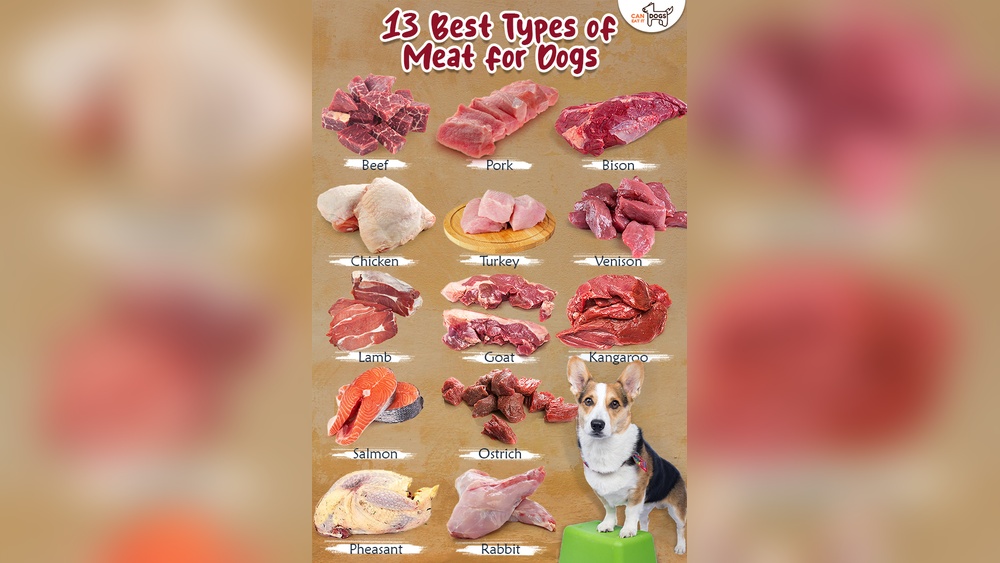
Top Healthy Meat Options
Meat plays a key role in a dog’s diet. It provides essential proteins and nutrients. Choosing the right meat supports your dog’s health and energy.
Here are some top healthy meat options for dogs. Each type offers unique benefits. These meats are safe and nutritious when cooked properly.
Chicken
Chicken is a popular meat for dogs. It is lean and easy to digest. It contains high-quality protein that helps muscle growth. Always serve it cooked and without bones.
Beef
Beef is rich in iron and zinc. These nutrients support your dog’s immune system. Choose lean cuts to avoid excess fat. Cook beef thoroughly to kill bacteria.
Turkey
Turkey is another lean meat good for dogs. It is low in fat and high in protein. Turkey helps maintain healthy muscles and skin. Make sure it is cooked plain and boneless.
Lamb
Lamb offers a good source of protein and fat. It works well for dogs with food allergies. This meat is rich in vitamins like B12. Serve lamb cooked and free of seasoning.
Fish
Fish provides omega-3 fatty acids that improve coat and brain health. Salmon and sardines are great choices. Avoid raw fish to prevent parasites. Cook fish gently before feeding.
Meats To Avoid For Dogs
Choosing the right meat for dogs is important for their health. Some meats can cause problems or make dogs sick. Avoid these types of meat to keep your dog safe and happy.
Processed Meats
Processed meats include sausages, bacon, and deli meats. They have high salt and preservatives. These can harm a dog’s kidneys and stomach. Avoid giving your dog any processed meat.
High-fat Cuts
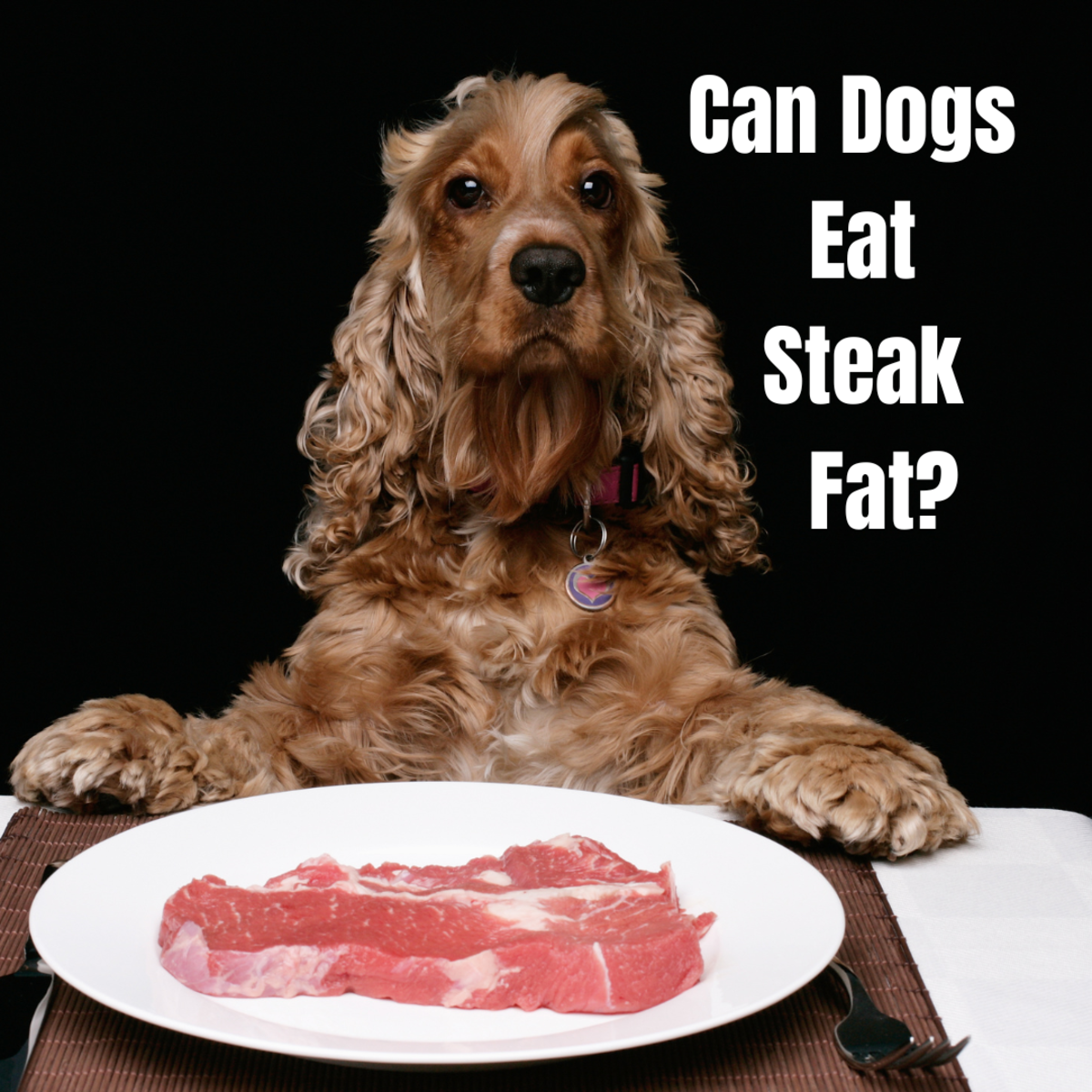
Fatty meats like pork belly and ribeye have a lot of fat. Too much fat can cause pancreatitis in dogs. It also leads to weight gain and other health issues. Choose lean cuts instead.
Seasoned Or Spiced Meats
Meats with spices, garlic, or onion are dangerous. These ingredients are toxic to dogs. They can cause stomach upset or worse health problems. Always serve plain, cooked meat without spices.
Preparing Meat Safely
Feeding your dog meat is a great way to give them protein and nutrients. Preparing meat safely is very important. It helps keep your dog healthy and avoids stomach problems. Handling and cooking meat the right way reduces risks from bacteria and harmful substances.
Cooking Methods
Cook meat thoroughly to kill bacteria. Boiling, baking, or grilling are good choices. Avoid frying with oil or butter. Raw meat can carry germs that make dogs sick. Make sure meat is cooked but not burnt. Cool the meat before serving to your dog.
Avoiding Harmful Additives
Never add salt, spices, or sauces to meat. These can hurt your dog’s health. Avoid processed meats like sausages or cold cuts. They often contain preservatives and chemicals. Plain, fresh meat is the safest option. Keep it simple for your dog’s well-being.
Portion Control
Give meat in small amounts. Too much meat can cause digestive issues. Balance meat with other foods for a healthy diet. Adjust portions based on your dog’s size and activity level. Watch for any signs of allergies or upset stomach.
Incorporating Meat Into Dog Meals
Meat is a natural and important part of a dog’s diet. It provides essential proteins and nutrients that support muscle growth and overall health. Including the right type of meat can make meals more tasty and nutritious for your dog. Understanding how to add meat properly helps keep your dog healthy and happy.
Balancing With Other Nutrients
Meat alone does not provide all nutrients dogs need. Dogs require vitamins, minerals, and fiber from other foods. Vegetables and grains can help supply these nutrients. A balanced meal includes meat, vegetables, and a small amount of carbohydrates. This balance supports digestion and strong immunity.
Homemade Vs Commercial Diets
Homemade meals let you control ingredients and meat quality. You can choose fresh meats and avoid fillers. Commercial diets are convenient and often complete in nutrition. Many use high-quality meat and added vitamins. Both options can work well if balanced correctly.
Transitioning To New Meats
Introduce new meats slowly to avoid stomach upset. Start with small amounts mixed with familiar food. Watch for allergies or digestive problems during the transition. Gradually increase the new meat over several days. This process helps your dog adjust safely to new flavors.

Credit: hakoya.co.jp
Special Considerations
Choosing the best meat for your dog is important. Some dogs need special care when eating meat. Knowing these special considerations helps keep your dog healthy and happy.
Allergies And Sensitivities
Some dogs have allergies to certain meats. Common allergies include beef, chicken, and lamb. Watch for signs like itching, swelling, or stomach upset. Try a small amount of new meat first. This helps spot any reactions early.
Age And Health Conditions
Young puppies and older dogs need different nutrition. Puppies need more protein for growth. Older dogs may need less fat and easier-to-digest meat. Dogs with health problems, like kidney disease, require special diets. Choose meats that fit their health needs.
Consulting A Veterinarian
Talk to your vet before changing your dog’s diet. Vets can suggest the best meat types and amounts. They help avoid risks and ensure balanced nutrition. Regular check-ups keep your dog safe and strong.
Frequently Asked Questions
What Is The Healthiest Meat For Dogs To Eat?
The healthiest meats for dogs are lean options like chicken, turkey, and beef. These provide essential proteins and nutrients. Avoid processed or fatty meats to maintain your dog’s health and energy.
Can Dogs Eat Raw Meat Safely?
Dogs can eat raw meat, but it must be fresh and handled properly. Raw meat can carry bacteria, so consult your vet before feeding it. Always ensure hygiene and balanced nutrition.
How Often Should I Feed Meat To My Dog?
Feeding meat to your dog 2-3 times a week is ideal. It provides protein without overloading their diet. Balance meat with other nutrients for overall health.
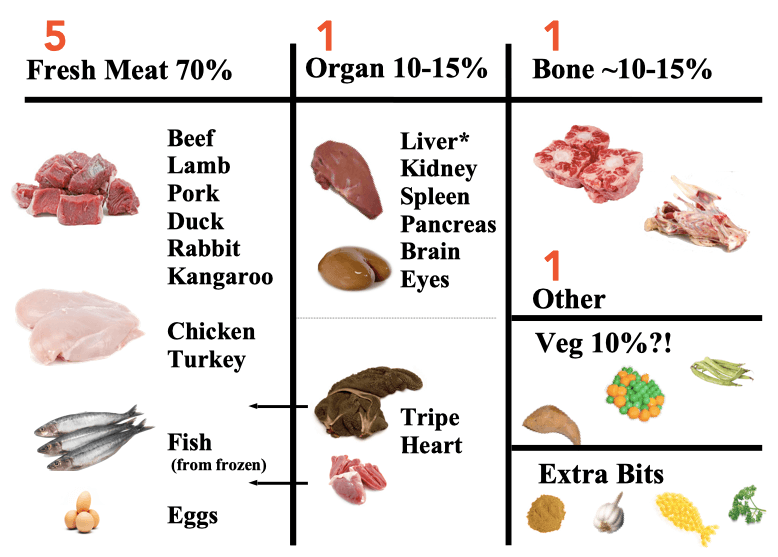
Are Organ Meats Good For Dogs?
Yes, organ meats like liver and kidneys are nutritious for dogs. They offer vitamins and minerals that support health. Feed in moderation to avoid nutrient imbalances.
Conclusion
Choosing the right meat helps keep your dog healthy and happy. Fresh, lean meats like chicken, beef, and turkey offer good protein. Avoid processed or fatty meats to protect your dog’s health. Always cook meat well to kill harmful germs.
Introduce new meats slowly to watch for allergies. Balanced meals support strong muscles and energy. Good nutrition means a joyful, active dog every day. Simple choices make a big difference in your dog’s life. Keep your furry friend safe with the best meat options.


