Choosing the best meat to feed your dog is one of the most important decisions you can make for their health and happiness. You want to give your furry friend the tastiest, most nutritious options that keep their tail wagging and energy high.
But with so many choices out there, how do you know which meat is truly the best? You’ll discover the top meats that not only satisfy your dog’s cravings but also support their overall well-being. Keep reading to find out how to make the best meat choices that will keep your dog thriving every day.
Benefits Of Meat In Dog Diets
Meat plays a vital role in a dog’s diet. It provides many important nutrients dogs need. Feeding meat supports overall health and well-being. Dogs naturally thrive on diets rich in animal proteins. Choosing the right meat helps keep dogs strong and active.
Protein And Amino Acids
Meat is a rich source of protein. Proteins supply amino acids that build muscles. Dogs need amino acids for tissue repair and growth. High-quality meat proteins are easy to digest. These proteins help maintain healthy fur and skin.
Essential Vitamins And Minerals
Meat contains many vitamins dogs require. It provides vitamin B12, important for energy and brain health. Meat also supplies iron, which helps carry oxygen in the blood. Zinc and selenium from meat boost the immune system. These nutrients support strong bones and good metabolism.
Improved Digestion And Energy
Meat is easier for dogs to digest than some plant foods. It provides natural fats that give dogs energy. These fats also support healthy skin and coat. Feeding meat helps dogs stay active and alert throughout the day.

Credit: www.wilsonspetfood.co.uk
Top Meats For Dogs
Choosing the right meat for your dog is important for their health and happiness. Dogs need protein to build muscles and stay active. Some meats provide better nutrients and are easier to digest. Here are the top meats that make great choices for your dog’s diet.
Chicken
Chicken is a lean meat full of protein. It is easy to digest and low in fat. Many dogs enjoy the mild taste of chicken. It also provides essential amino acids and vitamins. Always cook chicken fully and avoid bones.
Beef
Beef is rich in protein and iron. It supports muscle growth and energy. Some dogs prefer beef because of its strong flavor. Choose lean cuts to avoid too much fat. Cook beef well to keep it safe for your dog.
Turkey
Turkey is a good source of lean protein. It contains less fat than beef or pork. Turkey also has vitamins like B6 and niacin. These help keep your dog’s skin and coat healthy. Remove skin and bones before feeding.
Lamb
Lamb is a nutritious option for dogs with food sensitivities. It has high protein and healthy fats. Lamb is gentle on the stomach and often recommended for allergies. Cook lamb thoroughly and trim excess fat.
Fish
Fish is rich in omega-3 fatty acids. These fats improve coat shine and joint health. Salmon and whitefish are good choices for dogs. Avoid fish with many bones and cook it properly. Fish adds variety and nutrition to your dog’s meals.
Meat Preparation Tips
Preparing meat for your dog requires care and attention. Proper preparation keeps your dog safe and healthy. It also helps your dog enjoy the meal fully. Follow these tips to prepare meat the right way.
Cooking Methods To Avoid
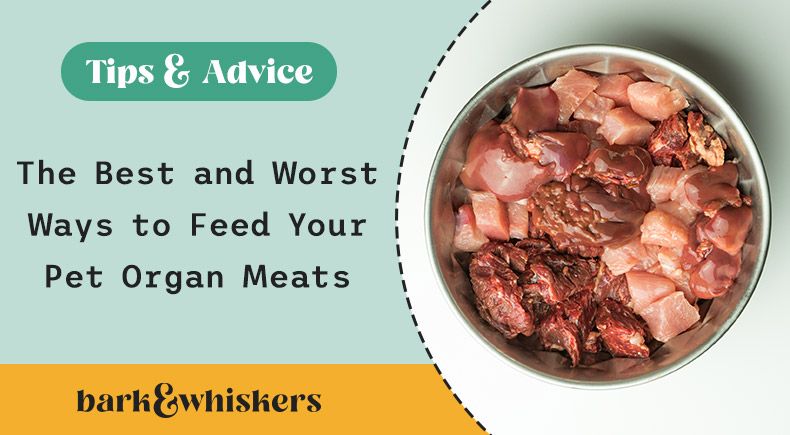
Never feed your dog raw or undercooked meat. It may contain harmful bacteria. Avoid frying meat in oil or butter. It adds unhealthy fats and can upset your dog’s stomach. Also, avoid seasoning meat with salt, garlic, or onion. These are toxic to dogs. Stay away from smoked or cured meats. They have preservatives that harm your dog’s health.
Safe Cooking Techniques
Cook meat thoroughly using gentle methods. Boiling is a safe choice. It kills bacteria without adding fat. Baking meat without oil also works well. Use plain water or broth for cooking. Grilling is okay if you avoid charring. Always let the meat cool before serving. Cut meat into small, bite-size pieces. This prevents choking and helps digestion.
Portion Sizes And Frequency
Feed your dog meat in moderation. Too much can cause stomach upset or weight gain. A good rule is to make meat about 25-30% of your dog’s diet. Offer meat two to three times a week. Balance meat with vegetables and grains. Adjust portions based on your dog’s size and activity. Consult your vet for personalized advice.
Credit: www.barkandwhiskers.com
Meat To Avoid
Not all meats are safe for dogs. Some can harm their health or cause stomach problems. Choosing the wrong meat can lead to serious issues. Knowing which meats to avoid keeps your dog happy and healthy.
Processed Meats
Processed meats like sausages and deli meats contain salt and preservatives. These ingredients can upset your dog’s stomach. They may also cause long-term health problems. Avoid giving your dog hot dogs, bacon, or ham.
High-fat Cuts
Fatty meats are hard for dogs to digest. High-fat cuts can lead to obesity and pancreatitis. Fatty beef or pork can cause vomiting and diarrhea. Choose lean cuts to keep your dog’s digestion smooth.
Toxic Meats For Dogs
Some meats are toxic to dogs and must be avoided. Raw pork can carry parasites harmful to dogs. Raw or undercooked poultry might contain bacteria like salmonella. Cook all meats properly and avoid feeding raw or spoiled meat.
Incorporating Meat Into Balanced Meals
Meat is a key part of your dog’s diet. It provides essential protein and nutrients. But meat alone is not enough. Dogs need a balanced meal to stay healthy and active. Combining meat with other ingredients creates a complete diet. This section explains how to add meat properly to your dog’s food.
Combining Meat With Vegetables
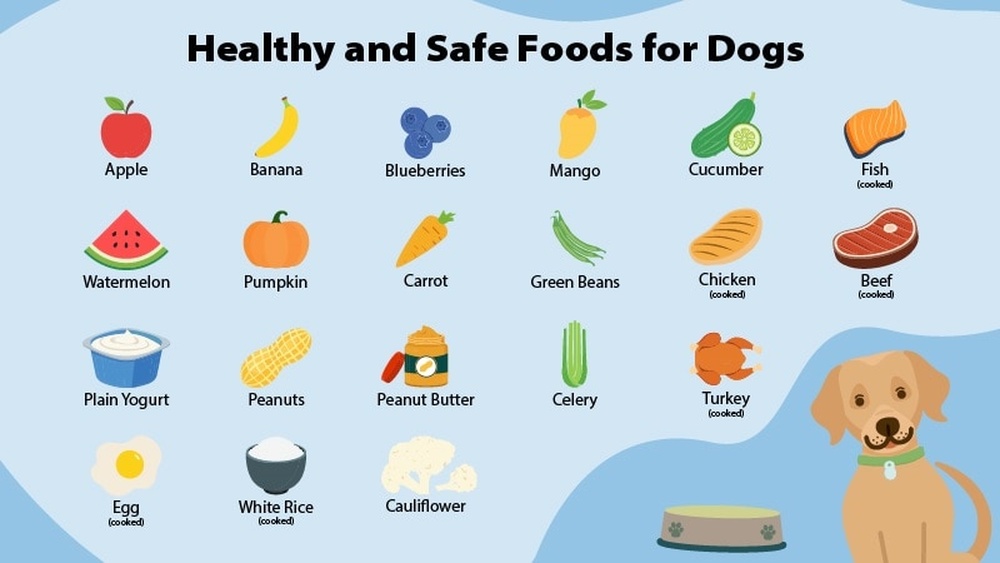
Vegetables add fiber, vitamins, and minerals to your dog’s meals. Carrots, peas, and green beans are good choices. Cook vegetables lightly for easier digestion. Avoid onions and garlic, as they are toxic to dogs. Mixing meat with veggies supports healthy digestion and strong immunity.
Adding Supplements
Supplements fill nutritional gaps in your dog’s diet. Fish oil provides omega-3 fatty acids for coat and brain health. Calcium supports strong bones and teeth. Consult a vet to choose the right supplements. Use them in small amounts to avoid overdosing.
Homemade Vs. Commercial Options
Homemade meals let you control ingredients and quality. They can be fresh and tasty but require time and effort. Commercial dog foods are convenient and balanced. Look for high-quality brands with real meat as the main ingredient. Both options can work well when chosen carefully.

Credit: mybestfrienddoggrooming.co.uk
Signs Of Meat Allergies Or Sensitivities
Dogs can develop allergies or sensitivities to certain types of meat. These reactions affect their health and comfort. Detecting signs early helps keep your dog healthy. Understanding symptoms, diagnosis, and alternatives is important for any dog owner.
Common Symptoms
Meat allergies often show on your dog’s skin. Look for itching, redness, and swelling. Rashes or hair loss can appear too. Some dogs may have digestive troubles like vomiting or diarrhea. Ear infections or excessive scratching are also signs. Watch your dog closely for these symptoms.
Testing And Diagnosis
Veterinarians use tests to find food allergies. Blood tests or skin tests are common methods. Sometimes, an elimination diet helps identify the problem meat. This diet removes certain proteins for several weeks. Then, proteins are slowly added back to watch reactions. Accurate diagnosis guides proper treatment for your dog.
Alternative Protein Sources
Dogs with meat allergies need safe protein options. Fish like salmon or whitefish is gentle on the stomach. Eggs and dairy can be good sources too. Plant-based proteins, such as lentils or chickpeas, may work. Novel proteins like duck or venison are options. Choose alternatives that suit your dog’s needs and preferences.
Frequently Asked Questions
What Is The Healthiest Meat For Dogs To Eat?
Chicken and turkey are lean, high-protein meats ideal for dogs. They provide essential amino acids and are easy to digest, supporting muscle growth and overall health.
Can Dogs Eat Raw Meat Safely?
Raw meat can carry harmful bacteria. Consult your vet before feeding raw meat. Proper handling and sourcing are crucial for safety.
Is Beef Good For A Dog’s Diet?
Yes, beef is rich in protein, iron, and zinc. Choose lean cuts and cook thoroughly to avoid parasites and bacteria.
How Often Should Dogs Eat Meat?
Dogs benefit from meat in every meal. Balance meat with vegetables and grains for a complete diet. Frequency depends on your dog’s health and activity.
Conclusion
Choosing the best meat helps keep your dog healthy and happy. Fresh, lean meats provide essential nutrients dogs need every day. Always introduce new meats slowly to avoid stomach upset. Variety in your dog’s diet can improve their energy and coat.
Consult your vet to find the safest options for your pet. Feeding quality meat shows you care about your dog’s well-being. Simple choices make a big difference in your dog’s life. Trust your instincts and watch your dog thrive.