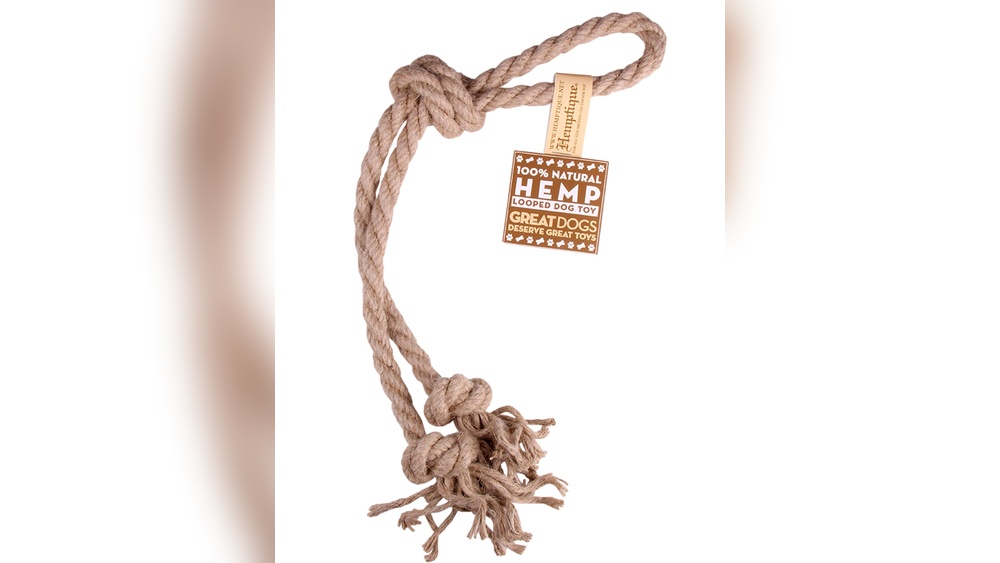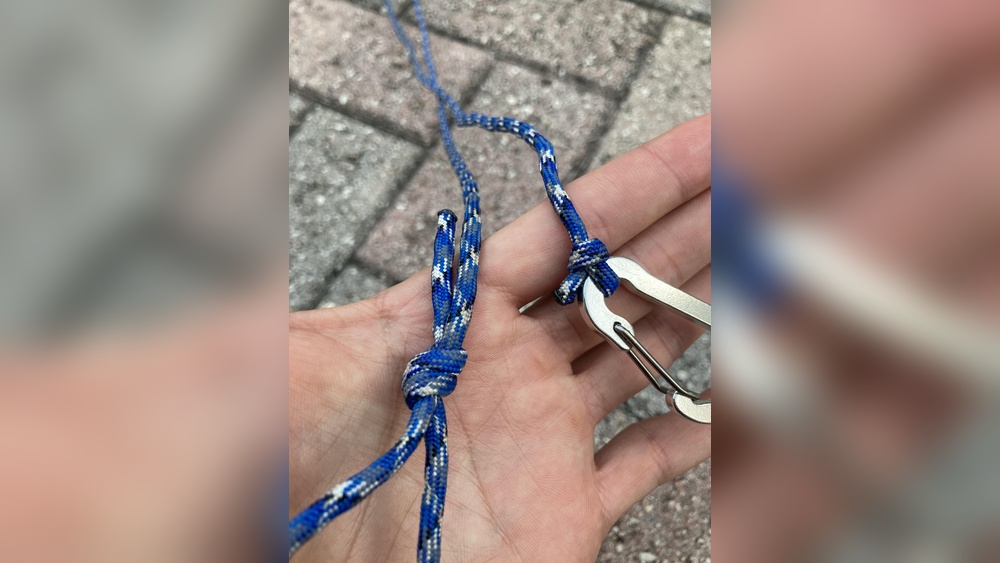
If you want to keep your dog safe and comfortable on every walk, choosing the best knot for your dog lead is key. The right knot can make your leash stronger, easier to handle, and more secure.
Imagine never worrying about your lead slipping or your dog pulling too hard. You’ll discover simple knots that anyone can tie quickly, even if you’re new to it. By the end, you’ll know exactly which knot works best for your dog and why it matters.
Ready to make every walk smoother and safer? Let’s dive in.

Credit: m.youtube.com
Choosing The Right Knot
Choosing the right knot for a dog lead is very important for safety and comfort. A strong knot keeps your dog secure. It also prevents the lead from slipping or breaking. Picking the right knot depends on the type of lead and your dog’s behavior.
Factors Affecting Knot Strength
The material of the lead affects knot strength. Some materials slip easily, while others hold knots tightly. The thickness of the lead also matters. Thicker leads need different knots than thin ones. The knot type can change how strong the connection is. Pulling force from the dog can weaken a bad knot. Wet or dirty leads may cause knots to loosen.
Types Of Knots For Dog Leads
Simple knots like the overhand knot are easy but not very strong. The figure-eight knot offers more security and is easy to untie. The double fisherman’s knot is very strong and good for slippery leads. Bowline knots create a fixed loop that won’t slip. Each knot suits different lead types and dog sizes. Practice tying knots before using them on your dog.
Top Knots For Dog Leads
Choosing the right knot for your dog lead is very important. A strong knot keeps your dog safe and secure during walks. Some knots work better with certain types of leads and activities. Below are some top knots that are easy to tie and very reliable for dog leads.
Bowline Knot
The Bowline knot creates a fixed loop at the end of the lead. It is very strong and does not slip under tension. You can use it to attach the lead to a collar or harness. This knot is easy to untie after use, even if it has held tight. It works well for most dog leads and is a favorite among many dog owners.
Figure Eight Knot
The Figure Eight knot is simple and strong. It forms a stopper knot to prevent the lead from slipping through rings or clips. This knot is often used to add safety and extra security. It is easy to learn and tie quickly. The shape also makes it easy to spot if tied correctly.
Clove Hitch
The Clove Hitch knot is great for quickly securing a lead to a post or ring. It adjusts easily and holds well under tension. This knot is good for short stops during walks or training. It can be tied with one hand, which is helpful when handling your dog. The Clove Hitch is a practical choice for many dog owners.
Double Fisherman’s Knot
The Double Fisherman’s knot joins two pieces of rope or lead together. It creates a very strong and reliable connection. This knot is perfect for making longer leads or repairing broken ones. It is compact and does not slip easily. Though it takes a bit more time to tie, it is worth the effort for safety.
Step-by-step Knot Tying
Tying the right knot for your dog lead is simple and useful. A strong knot keeps your dog safe and your lead secure. Follow these clear steps to tie four popular knots. Each knot has a different use and strength. Learn how to tie them with easy instructions.
Tying The Bowline
Make a small loop near the end of the rope. Pass the rope’s end through the loop from the bottom. Wrap the end around the standing rope. Bring the end back down through the loop. Pull tight to secure the knot. The bowline forms a strong loop that will not slip.
Tying The Figure Eight
Create a loop in the rope. Pass the end of the rope around the standing part. Thread the end back through the loop. Pull both ends to tighten the knot. The figure eight knot is easy to untie and very secure. It prevents the rope from fraying or slipping.
Tying The Clove Hitch
Wrap the rope around the post or ring once. Cross the rope and wrap it around again. Slide the end under the crossing part. Pull the ends to tighten the knot. The clove hitch is quick to tie and adjust. It holds well on smooth surfaces.
Tying The Double Fisherman’s
Take two rope ends and overlap them. Wrap one end around the other rope twice. Pass the end back through the loops. Repeat the steps with the other rope end. Pull both knots tight against each other. The double fisherman’s knot is very strong. It works well to join two ropes securely.

Credit: www.reddit.com
Tips For Secure Ties
Securing a dog lead knot is key for safe walks and control. A strong knot holds firm under pressure. A loose or weak knot can slip or come undone.
These tips help keep your knot tight and reliable. Small checks and good habits make a big difference.
Checking Knot Strength
Test the knot by pulling the lead firmly. It should not move or loosen. Tug from different angles. Watch for slipping or stretching.
If the knot shifts, retie it. Use a stronger knot type if needed. Regular checks prevent surprises during walks.
Avoiding Common Mistakes
Do not tie knots too close to the clip or handle. Leave some rope to allow tight tying. Avoid knots with too many loops.
Do not use damaged or worn lead material. Frayed leads weaken knots. Replace leads showing wear to keep ties secure.
Maintaining Knot Integrity
Keep the lead clean and dry to avoid slippage. Dirt and moisture can weaken knots. Retie knots often, especially after heavy use.
Store leads properly to avoid kinks or bends. A well-maintained lead supports a strong, lasting knot.
When To Replace Your Knot
Knowing when to replace your knot on a dog lead is very important. A strong knot keeps your dog safe and secure during walks. Over time, knots can weaken without clear signs. Regular checks help avoid accidents and ensure your dog’s safety.
Signs Of Wear And Tear
Look closely at the knot for any fraying or loose strands. Threads that look worn or thin mean the knot is weak. Check if the knot slips or feels loose when you pull it. A knot that unties easily is not safe. Also, inspect the lead near the knot for damage. Any damage means it’s time to replace the knot.
Safety Precautions
Always tie knots tightly to avoid slipping. Use knots known for strength and reliability. Avoid knots that are hard to untie after use. Replace knots after long or rough walks. Never use a knot that shows signs of damage. Regularly inspect your dog lead before each walk to keep your pet safe.

Credit: www.thehonestkitchen.com
Frequently Asked Questions
What Is The Best Knot For A Dog Lead?
The best knot for a dog lead is the Bowline knot. It creates a secure, non-slip loop that won’t tighten around the dog’s neck. This knot is easy to tie and untie, making it ideal for daily walks and training sessions.
How Do I Tie A Knot For A Dog Lead?
To tie a dog lead knot, use the Bowline knot. Make a small loop, pass the rope end through, around the standing part, and back through the loop. Pull tight to secure. This knot holds firm and is simple to undo when needed.
Why Choose A Bowline Knot For Dog Leads?
The Bowline knot is strong, reliable, and won’t slip under pressure. It creates a fixed loop that won’t tighten, ensuring your dog’s safety. Its ease of tying and untying makes it popular among dog owners and trainers.
Can Other Knots Be Used For Dog Leads?
Yes, other knots like the Figure Eight and Double Fisherman’s knots work well. However, the Bowline knot is preferred for its balance of security and simplicity. Choose knots that are easy to tie, strong, and safe for your dog.
Conclusion
Choosing the best knot for your dog lead keeps walks safe and easy. A strong knot stops the lead from slipping or breaking. Simple knots like the bowline or figure-eight work well for most dogs. Practice tying knots a few times to feel confident.
A secure knot means more fun and less worry outside. Keep your dog safe with the right knot every walk. Try different knots to find what fits you and your dog best. Safe walks start with a good knot.