Is your dog struggling with incontinence? Watching your furry friend deal with accidents can be tough for both of you.
You want to help, but finding the right medicine feels overwhelming. What if there was a simple way to ease your dog’s discomfort and bring back their confidence? You’ll discover the best incontinence medicine for dogs that can make a real difference.
Keep reading to find solutions that will help your pet feel comfortable and happy again.

Credit: www.amazon.com
Causes Of Incontinence In Dogs
Incontinence in dogs happens when they lose control over their bladder. This condition can be troubling for both pets and owners. Understanding the causes helps to manage and treat it better. Several factors can lead to incontinence in dogs.
Common Medical Conditions
Certain health issues cause incontinence. Urinary tract infections are a frequent cause. These infections irritate the bladder and lead to leaks. Kidney problems also affect urine control. Some dogs suffer from bladder stones that block urine flow. Diabetes can increase urine production, causing accidents. These medical conditions need proper diagnosis and care.
Age And Hormonal Changes
Older dogs often face incontinence. Aging weakens the muscles that hold urine. Female dogs may lose hormones after spaying. This hormonal drop weakens the bladder muscles. Males can also suffer from hormone imbalances. Age and hormones play a big role in bladder control.
Injury And Surgery Effects
Injuries to the spine or pelvis can cause incontinence. These injuries affect nerve signals to the bladder. Surgery near the urinary tract may also cause leaks. Scar tissue or nerve damage can disrupt normal function. Recovery from such injuries may include incontinence management.
Signs And Symptoms To Watch For
Recognizing signs and symptoms of incontinence in dogs helps catch the problem early. Early detection leads to better treatment and comfort for your pet. Watch closely for changes in behavior and physical signs. These clues show that your dog may need medical help.
Frequent Accidents
Your dog may start having accidents indoors more often. These are not just one-time mistakes. Notice if accidents happen even after bathroom breaks. Watch for wet spots on floors or furniture. Frequent accidents can indicate loss of bladder control.
Behavioral Changes
Changes in behavior can signal incontinence. Your dog might seem restless or anxious. It may avoid certain areas or hide more than usual. Some dogs lick their private parts often. These changes suggest discomfort or confusion linked to urinary issues.
Physical Indicators
Look for wet fur around the hind legs or tail base. Stains on bedding or carpets may appear. Your dog might have redness or irritation in the genital area. Sometimes, a strong smell of urine can be noticed. These physical signs point to urinary leakage.
Types Of Incontinence Medicines
Incontinence in dogs can be challenging for both pets and owners. Medicines help manage symptoms and improve comfort. Different types target various causes of incontinence. Understanding these medicines makes treatment easier. Here are the main types of incontinence medicines for dogs.
Hormonal Treatments
Hormonal treatments often help female dogs with urinary incontinence. These medicines replace or mimic hormones that control bladder function. Estrogen is a common hormone used. It strengthens the muscles that hold urine in the bladder. Hormonal treatments work best in spayed female dogs. They usually show improvement within a few weeks.
Muscle Relaxants
Muscle relaxants reduce bladder muscle spasms. These spasms can cause sudden urine leaks. Relaxing the muscles helps the bladder hold urine better. This type of medicine suits dogs with overactive bladder muscles. They help control involuntary urine release. Muscle relaxants may be used alone or with other treatments.
Antibiotics And Anti-inflammatories
Infections can cause or worsen incontinence in dogs. Antibiotics treat bacterial infections in the urinary tract. Clearing infections helps restore normal bladder control. Anti-inflammatories reduce swelling and pain around the bladder. Lower inflammation eases bladder function and comfort. These medicines support healing and reduce irritation.
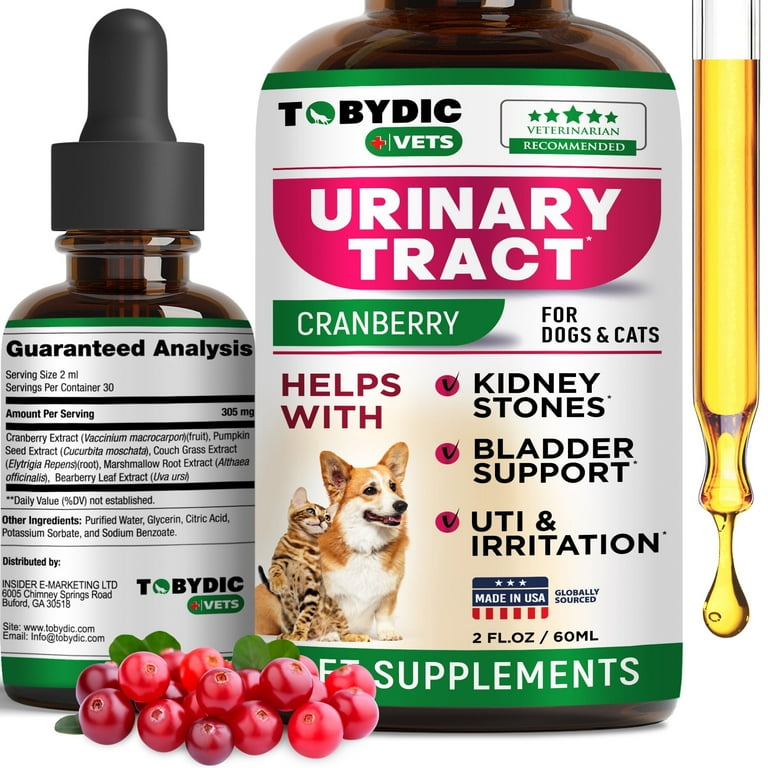
Credit: www.walmart.com
Top Medicines Reviewed
Choosing the right medicine helps manage your dog’s incontinence effectively. Several drugs are commonly used by vets to improve bladder control. Each medicine works differently and suits different dogs. Understanding these options helps you make better decisions.
Below are the top medicines reviewed for dog incontinence. Learn how they work and their common uses.
Phenylpropanolamine (ppa)
Phenylpropanolamine helps tighten the muscles around the bladder. It is often the first choice for treating urinary leakage. PPA works by increasing the tone of the urethral sphincter. This medicine is usually safe but requires vet supervision. It can cause mild side effects like increased heart rate or restlessness.
Diethylstilbestrol (des)
Diethylstilbestrol is a hormone therapy used mainly in female dogs. It helps restore bladder control by improving the urethral sphincter function. DES is effective but must be used carefully due to possible side effects. These may include changes in appetite or hormonal imbalance. Regular vet checks are important during treatment.
Bethanechol
Bethanechol stimulates bladder muscle contractions. It is helpful when the bladder does not empty properly. This medicine supports better urine flow and reduces dribbling. Side effects are rare but can include mild stomach upset. Bethanechol is often combined with other treatments for best results.
Other Popular Options
Other medicines include estriol and phenoxybenzamine. Estriol is a milder hormone used for some female dogs. Phenoxybenzamine relaxes the bladder neck muscles to improve urine flow. These options may suit dogs with specific needs or conditions. Always follow your vet’s advice for the safest treatment plan.
How To Administer Medicine Safely
Giving medicine to your dog safely is very important. It helps the medicine work well and keeps your pet healthy. You must follow clear steps to avoid problems. Learn how to give medicine the right way for your dog’s incontinence.
Dosage Guidelines
Always follow the exact amount the vet prescribes. Too much medicine can harm your dog. Too little may not work. Use a measuring tool for accuracy. Give medicine at the same time each day. This keeps the levels steady in your dog’s body.
Monitoring Side Effects
Watch your dog closely after giving medicine. Look for changes like vomiting, diarrhea, or unusual tiredness. Some dogs may scratch or have skin rashes. If you notice any strange signs, stop the medicine and check with a vet. Early action can prevent serious issues.
When To Consult A Vet
Call your vet if your dog refuses medicine. Also, ask for help if side effects appear. If symptoms of incontinence get worse, seek advice. Never change the dose without vet approval. Your vet knows best how to keep your dog safe.

Credit: www.austincaninerehab.com
Frequently Asked Questions
What Is The Best Medicine For Dog Incontinence?
The best medicine for dog incontinence depends on the cause. Common options include phenylpropanolamine and estrogen supplements. Always consult a vet for accurate diagnosis and prescription.
How Does Incontinence Medicine Work For Dogs?
Incontinence medicines help strengthen the urinary sphincter or balance hormones. This reduces urine leakage and improves bladder control in affected dogs.
Are There Side Effects Of Incontinence Medicine In Dogs?
Yes, side effects may include vomiting, lethargy, or increased thirst. Monitor your dog closely and consult a vet if symptoms worsen.
Can Incontinence Medicine Cure My Dog’s Condition?
Medicines manage symptoms but may not cure the underlying cause. Long-term treatment and lifestyle changes often improve your dog’s quality of life.
Conclusion
Choosing the right medicine helps your dog feel better fast. Always talk to your vet before giving any new treatment. Each dog’s needs are different, so find what suits yours. Watch for changes and keep your pet comfortable every day.
With care and the right medicine, your dog can enjoy life again. Small steps make a big difference in managing incontinence. Trust your instincts and stay patient through the process. Your dog deserves the best care you can give.