If your dog is scratching, licking, or biting a painful spot on their skin, you know how upsetting it can be. Hot spots are not only uncomfortable for your furry friend but can also lead to infections if left untreated.
You want quick relief that works and is safe for your pet. You’ll discover the best hot spot creams designed to soothe your dog’s skin fast, reduce itching, and help them feel like themselves again. Keep reading to find the perfect solution that will bring comfort to your dog and peace of mind to you.

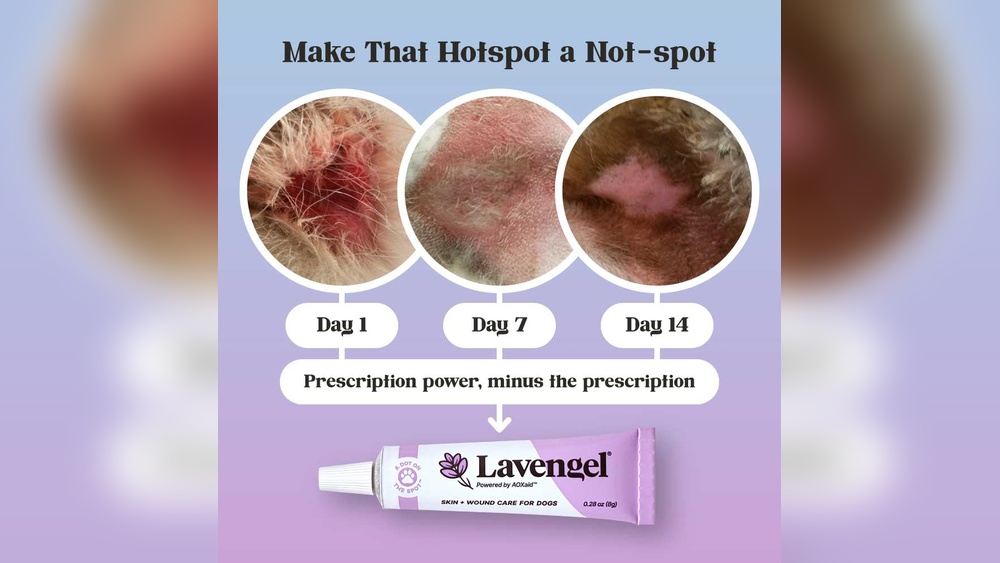
Credit: lavengel.com
Causes Of Hot Spots In Dogs
Hot spots in dogs are painful skin sores that appear suddenly. These sores can spread quickly and cause discomfort. Understanding what causes hot spots helps in preventing and treating them effectively.
Common Triggers
Hot spots often start from a small irritation. Dogs scratch or bite the area, making it worse. Flea bites, insect stings, or wounds can trigger these spots. Constant licking or scratching breaks the skin, causing sores.
Allergies And Infections
Allergies are a major cause of hot spots. Dogs may react to food, pollen, or dust mites. These allergies cause itching and inflammation. Bacterial infections can develop if the skin breaks. Infection makes the sore larger and more painful.
Environmental Factors
Hot, humid weather encourages hot spots. Moisture stays trapped in the dog’s fur and skin. Dirty or wet fur also increases risk. Stress and poor grooming habits weaken the dog’s skin defense.
Signs And Symptoms
Hot spots are painful skin infections that affect many dogs. They start quickly and can spread fast. Knowing the signs helps treat them early. Early care reduces pain and prevents bigger problems.
Identifying Hot Spots
Hot spots look like red, wet, and irritated patches on your dog’s skin. You might see hair loss around the area. The skin can be warm and smelly. These spots often appear on the neck, hips, or near the tail.
Behavioral Changes
Your dog may lick, bite, or scratch the hot spot often. They can seem restless or uncomfortable. Sometimes, dogs hide or avoid touch near the sore area. These behaviors show your dog is in pain or itchy.
When To See A Vet
Visit a vet if the hot spot grows quickly or bleeds. If your dog seems very tired or stops eating, get help fast. A vet can give medicine to stop infection and pain. Early vet care helps your dog heal better.
Criteria For Choosing Hot Spot Creams
Choosing the right hot spot cream for dogs is important. The cream must heal quickly and soothe the skin. It should not cause more harm or discomfort. Knowing what to check helps pick a good product. This section explains the main criteria for choosing hot spot creams.
Key Ingredients To Look For
The best creams have natural ingredients. Aloe vera calms itching and reduces redness. Calendula helps heal wounds fast. Tea tree oil fights bacteria and infections. Avoid creams with harsh chemicals or strong scents. These can irritate your dog’s skin more.
Safety And Side Effects
Check if the cream is safe for dogs. Some creams may cause allergies or rashes. Read the label for warnings and instructions. Test a small skin area before full use. Stop use if your dog shows signs of irritation or swelling.
Ease Of Application
Choose creams that are easy to apply. Thick creams may be hard to spread on fur. Look for products with smooth textures. Tubes or pump bottles help control the amount. Easy application means less stress for you and your dog.
Credit: www.amazon.com
Top Hot Spot Creams For Dogs
Hot spots can be painful and itchy for dogs. Choosing the right cream helps soothe discomfort and heal quickly. There are many options available, from natural to medicated creams. Each type serves a specific purpose in treating hot spots effectively.
Natural And Herbal Options
Natural creams use plant extracts and oils to calm irritated skin. Ingredients like aloe vera, chamomile, and tea tree oil reduce redness and itching. These creams are gentle and safe for sensitive dogs. They support healing without harsh chemicals or steroids. Natural options work well for mild hot spots or as a first step in treatment.
Medicated Creams
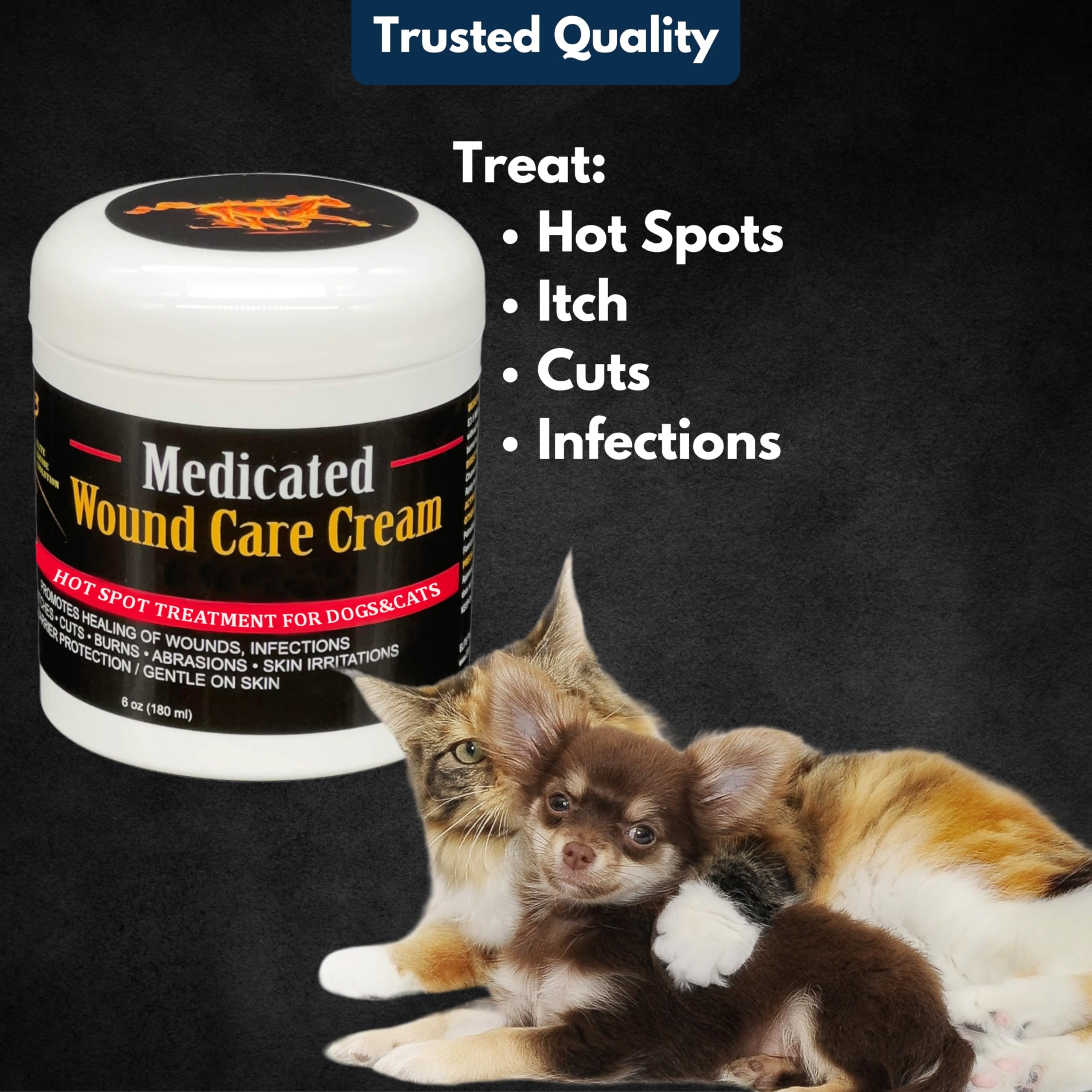
Medicated creams contain antibiotics or anti-inflammatory agents. They target infection and reduce swelling quickly. These creams are ideal for severe or infected hot spots. Always follow a vet’s advice when using medicated products. They can prevent the condition from worsening and speed recovery. Some medicated creams also include pain relief to ease discomfort.
Over-the-counter Solutions
OTC creams are easy to find and use at home. They often combine soothing and healing ingredients. Many OTC creams reduce itchiness and dry out the hot spot. These products suit mild to moderate cases and early treatment. Read labels carefully to ensure safety and effectiveness. OTC creams provide quick relief while monitoring your dog’s progress.
Application Tips For Quick Relief
Applying hot spot cream correctly speeds up your dog’s healing. Simple steps help the cream work best. Follow the right process to ease your dog’s discomfort quickly.
Preparing The Affected Area
Clean the hot spot gently with warm water. Use a soft cloth to remove dirt and hair. Dry the area fully before applying cream. This prevents infection and helps cream absorb better.
Proper Dosage And Frequency
Use the amount of cream shown on the package. Apply a thin layer over the hot spot. Repeat the application as directed, usually once or twice daily. Avoid overuse to prevent skin irritation.
Preventing Re-infection
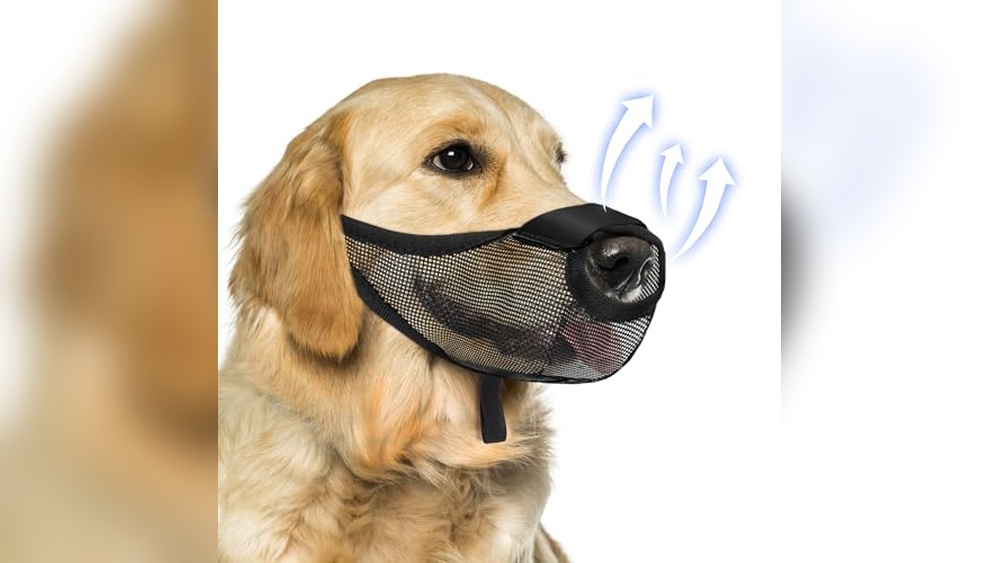
Keep your dog from licking the treated area. Use a cone collar if needed. Check the skin daily for signs of new spots. Keep your dog’s bedding clean and dry to reduce bacteria.
Additional Care And Prevention
Taking care of your dog’s skin goes beyond just using the best hot spot cream. Preventing hot spots is equally important. You can reduce the chance of these painful spots by following simple care steps every day. These steps help keep your dog’s skin healthy and comfortable.
Regular Grooming Practices
Brush your dog often to remove dirt and loose hair. This helps the skin breathe and stay clean. Bathing with gentle shampoo keeps the skin free from irritants. Check your dog’s skin regularly for any signs of redness or bumps. Grooming also helps spot early problems before they get worse.
Diet And Supplements
Good food supports healthy skin and a strong immune system. Include foods rich in omega-3 and omega-6 fatty acids. These fats help reduce inflammation and improve skin condition. Talk to your vet about adding supplements like fish oil. Proper nutrition makes your dog’s skin less likely to get hot spots.
Environmental Management
Keep your dog’s living area clean and dry. Moist and dirty places can cause skin infections. Avoid exposure to harsh chemicals and allergens. Use flea and tick preventatives to protect your dog from bites. Managing the environment lowers the risk of skin problems and hot spots.

Credit: www.amazon.com
Frequently Asked Questions
What Is Hot Spot Cream For Dogs?
Hot spot cream treats acute skin irritations in dogs caused by allergies, infections, or scratching. It soothes itching and promotes healing effectively.
How To Apply Hot Spot Cream On Dogs?
Clean the affected area gently before applying the cream. Use a thin layer and avoid licking by your dog.
Are Hot Spot Creams Safe For Puppies?
Most hot spot creams are safe for puppies, but always check the label. Consult your vet for the best product.
How Long Does Hot Spot Cream Take To Work?
Hot spot creams usually show improvement within 3 to 5 days. Complete healing depends on severity and consistent use.
Conclusion
Choosing the best hot spot cream helps your dog heal fast. These creams soothe itching and reduce redness quickly. Always follow the instructions for safe use. Watch your pet closely for any side effects. Keep your dog clean and dry to avoid new spots.
Consult a vet if the problem lasts or worsens. Your dog deserves comfort and care every day. Treat hot spots early for happy, healthy pets. Simple steps make a big difference in healing.