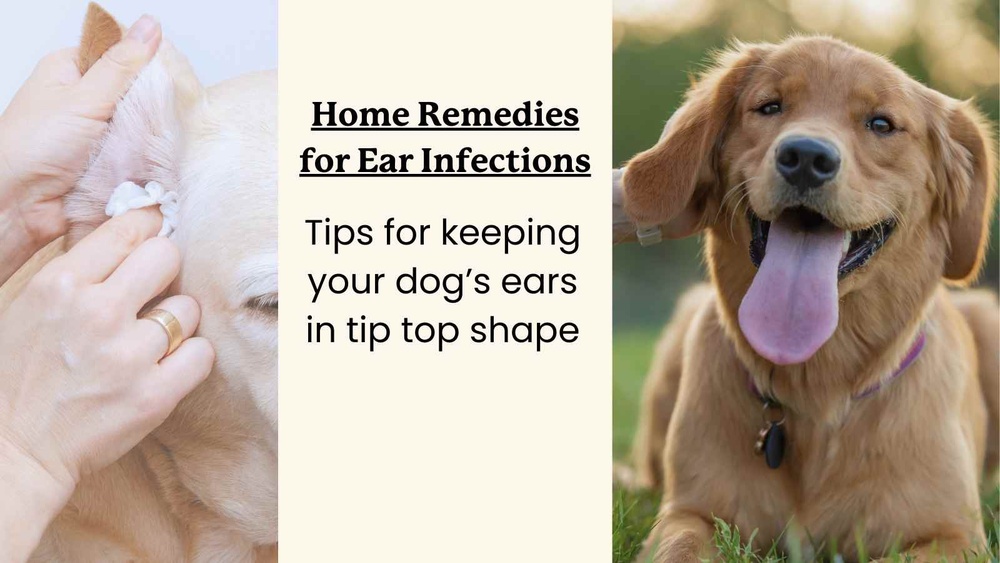
Is your dog constantly scratching its ears or shaking its head? You might be dealing with a yeast ear infection, a common and uncomfortable problem for many dogs.
Finding the best home remedy can save your furry friend from pain and keep vet bills low. You’ll discover simple, effective solutions you can try right now to soothe your dog’s ears and restore their comfort quickly. Keep reading—you owe it to your dog to help them feel their best again.
:strip_icc()/dog-yeast-infection-home-remedy-5089075-c4a877225d354e1d852c881db71a43a2.jpg)
Credit: www.thesprucepets.com
Causes Of Dog Yeast Ear Infection
Dog yeast ear infections happen when yeast grows too much in the ear. Yeast is a type of fungus that normally lives in small amounts on a dog’s skin and ears. It usually does not cause problems. But sometimes, it grows out of control. This causes itching, redness, and bad smell in the ear. Understanding the causes helps prevent and treat these infections better.
Common Triggers
Moisture is a top trigger for yeast growth in dog ears. Wet ears create a perfect place for yeast to multiply. Dogs that swim or get bathed often may have moist ears. Dirt and wax buildup also trap moisture inside the ear canal. Allergies can irritate the skin and change its balance. This change allows yeast to grow more easily. Ear mites or bacteria infections can also disturb the ear’s normal environment. These triggers upset the natural balance and lead to yeast infections.
Risk Factors
Some dogs are more likely to get yeast ear infections. Dogs with floppy ears have less air flow in their ears. This lack of air keeps ears damp and warm. Breeds like Cocker Spaniels and Basset Hounds are at higher risk. Dogs with allergies often suffer from yeast infections too. A weak immune system can allow yeast to grow. Older dogs or dogs with other health problems may have weaker immunity. Over-cleaning or using harsh ear products can also damage the ear’s natural defenses. These risk factors increase the chance of yeast infections in dogs.
Signs Of Yeast Ear Infection
Recognizing the signs of a yeast ear infection in dogs helps start treatment early. These infections cause discomfort and can worsen if ignored. Noticing symptoms quickly protects your dog’s health and comfort.
Physical Symptoms
Look for redness inside the ear. Swelling may make the ear flap appear larger. A bad smell is common with yeast infections. Your dog might scratch or rub the ear often. Dark brown or yellow discharge can appear. The ear may feel warm to the touch. Sometimes, the ear canal looks moist or greasy.
Behavioral Changes
Dogs with yeast ear infections may shake their heads a lot. They might avoid having their ears touched. Your dog could seem more tired than usual. Some dogs show signs of irritability or discomfort. They may stop playing or lose interest in activities. Restlessness at night is another common sign.
Safe Home Remedies
Safe home remedies can help ease your dog’s yeast ear infection. They are gentle and easy to use. These remedies can reduce itching and fight infection without harsh chemicals.
Always clean your dog’s ear before applying any treatment. Use a soft cloth or cotton ball. Make sure the ear is dry to prevent more yeast growth.
Apple Cider Vinegar Solution
Apple cider vinegar helps kill yeast due to its natural acidity. Mix equal parts of apple cider vinegar and water. Use a dropper to put a few drops in your dog’s ear. Gently massage the base of the ear to spread the solution. Do not use if the ear is raw or bleeding.
Coconut Oil Application
Coconut oil has antifungal properties that fight yeast infections. Warm the coconut oil slightly until it is liquid. Use a cotton ball to apply the oil inside your dog’s ear. Coconut oil also soothes itching and reduces inflammation. Repeat this treatment once or twice a day for best results.
Aloe Vera Treatment
Aloe vera is calming and helps heal irritated skin. Use pure aloe vera gel without added chemicals. Apply a small amount inside your dog’s ear. Aloe vera cools the skin and reduces swelling. This remedy is safe to use every day until the infection improves.

Credit: www.youtube.com
Step-by-step Treatment Guide
Dealing with a dog’s yeast ear infection can be stressful. This step-by-step guide helps you treat the infection safely at home. Follow each step carefully to soothe your dog’s discomfort and clear the infection.
Patience and consistency are key. The right approach can speed up healing and prevent future issues.
Cleaning The Ear
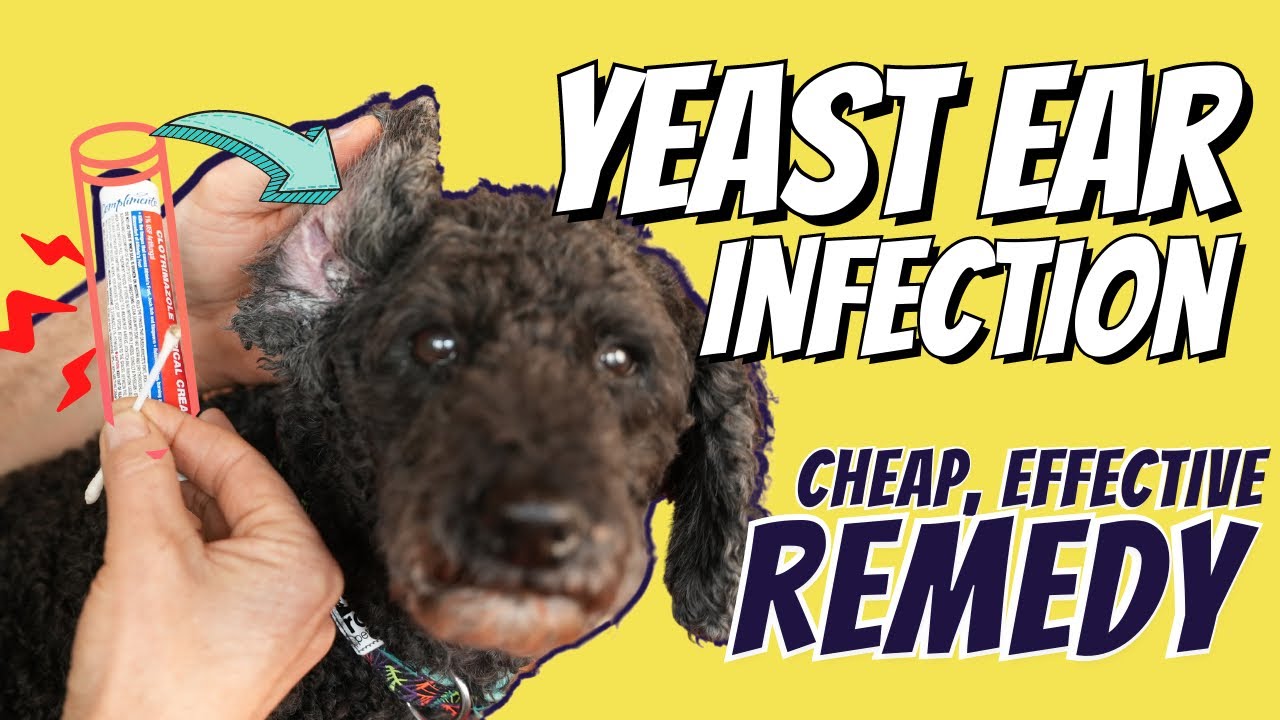
Start by gently cleaning your dog’s ear. Use a soft cloth or cotton ball. Avoid using cotton swabs inside the ear canal.
Apply a vet-approved ear cleaner or a mix of equal parts water and apple cider vinegar. This helps remove dirt and excess wax.
Wipe away debris carefully. Cleaning allows remedies to work better on the infection.
Applying Remedies
Choose natural remedies like coconut oil or aloe vera gel. Both have antifungal properties that fight yeast.
Warm the remedy slightly before use. Apply a few drops into the ear canal.
Massage the base of the ear gently. This spreads the remedy evenly and soothes your dog.
Frequency And Duration
Apply the remedy twice daily. Morning and evening work best.
Continue treatment for at least 7 to 10 days. Even if symptoms improve, don’t stop early.
Check your dog’s ears regularly. Persistent redness or odor means a vet visit is needed.
When To See A Vet
Knowing when to see a vet is very important for your dog’s health. Yeast ear infections can get worse if not treated well. Home remedies can help, but some signs mean your dog needs professional care. Watch your dog’s ears closely to keep them safe and healthy.
Persistent Symptoms
If your dog’s ear infection does not get better after a few days, see a vet. Redness, itching, and discharge that stay the same or get worse need a checkup. Your dog may need medicine that only a vet can give. Do not wait too long to get help.
Signs Of Severe Infection
Severe infections cause strong smell, swelling, or pain in your dog’s ear. Your dog may shake its head a lot or scratch the ear hard. If your dog loses balance or shows signs of fever, visit the vet fast. These signs show the infection is serious and needs medical care.
Preventing Future Infections
Preventing future yeast ear infections in dogs is key to keeping them healthy and comfortable. Yeast thrives in warm, moist environments. Stopping this environment helps reduce infections. Consistent care and attention to your dog’s ears can make a big difference. Small habits help prevent painful flare-ups and keep your dog happy.
Ear Hygiene Tips
Clean your dog’s ears regularly with a gentle ear cleaner. Avoid using cotton swabs deep inside the ear canal. Wipe the outer ear with a soft cloth or cotton ball. Dry ears well after baths and swimming. Moisture builds yeast quickly. Check ears often for redness, odor, or discharge. Early signs call for gentle cleaning and care. Keep hair trimmed around ears to improve air flow. Proper ear care stops yeast from growing.
Diet And Allergies
Food can cause allergies that worsen yeast infections. Some dogs react to certain proteins or grains. Choose a balanced diet with limited ingredients. Talk to your vet about allergy tests. Avoid foods that trigger itching or inflammation. Healthy skin and coat fight yeast better. Add omega-3 fatty acids to the diet. These help reduce inflammation and support skin health. Feeding well supports your dog’s immune system.
Credit: www.youtube.com
Frequently Asked Questions
What Is The Best Home Remedy For Dog Yeast Ear Infection?
Apple cider vinegar diluted with water is a top home remedy. It helps restore ear pH balance and fights yeast growth naturally. Apply gently with a cotton ball, avoiding deep ear canals to prevent irritation.
How Can I Prevent Yeast Ear Infections In Dogs?
Keep your dog’s ears clean and dry after baths or swimming. Regularly check for redness, odor, or discharge. Use vet-approved ear cleaners to maintain ear health and prevent yeast overgrowth.
Can Coconut Oil Help Treat Dog Yeast Ear Infections?
Yes, coconut oil has antifungal properties that can soothe and kill yeast. Apply a small amount to the affected ear area after cleaning. Always consult your vet before starting any home treatment.
When Should I See A Vet For My Dog’s Ear Infection?
If symptoms worsen or persist beyond a week, consult a vet. Signs like swelling, severe odor, or intense scratching require professional diagnosis and treatment. Early vet intervention prevents complications.
Conclusion
Treating your dog’s yeast ear infection at home can bring relief fast. Natural remedies like coconut oil and apple cider vinegar help fight yeast gently. Always clean your dog’s ears carefully and keep them dry. Watch for signs of improvement or worsening symptoms.
If your dog still feels itchy or uncomfortable, visit the vet soon. Consistent care and attention make a big difference. Healthy ears mean a happy dog. Simple home treatments can support healing safely and effectively. Keep your dog comfortable and safe with these easy steps.