
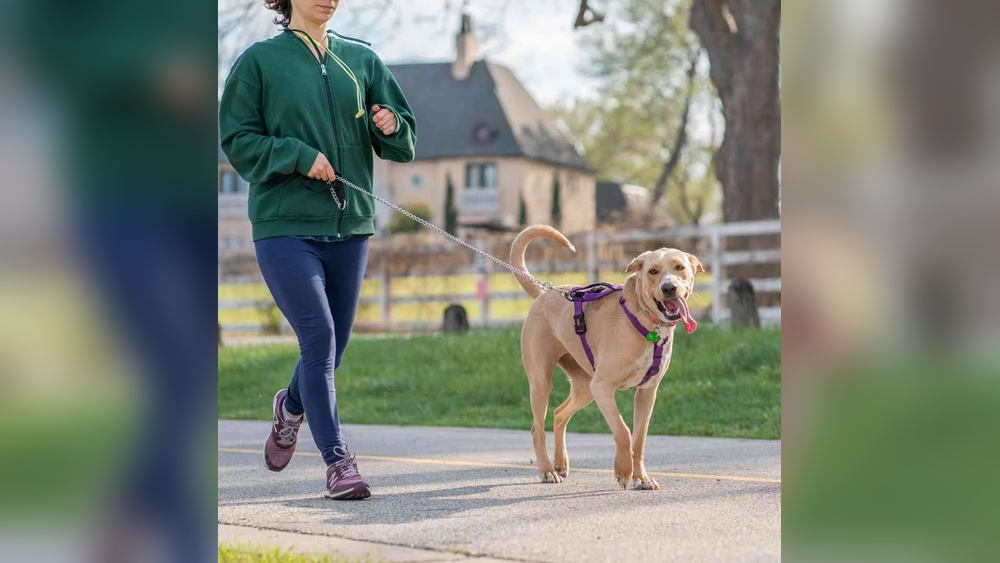
If your dog pulls hard on the leash every time you go for a walk, you know how frustrating it can be. It makes walks stressful for both you and your furry friend.
The good news? The right harness can change everything. Finding the best harness for dogs to stop pulling will give you more control, keep your dog comfortable, and make walks enjoyable again. Keep reading, and you’ll discover which harnesses work best and how to choose the perfect one for your dog.
Your next peaceful walk is just a few steps away.
Why Dogs Pull On Leash
Dogs pull on the leash for many reasons. Understanding why they do this helps choose the best harness to stop pulling. It also improves the walking experience for both the dog and owner. Let’s explore the main reasons dogs pull on their leash.
Common Causes
Dogs pull because they want to explore. They see new smells and sights and want to reach them fast. Some dogs have lots of energy and pulling helps release it. Others pull to greet people or animals ahead. Sometimes, dogs pull out of fear or excitement.
Behavioral Factors
Pulling can be a learned habit. Puppies often pull before learning leash manners. If owners allow pulling, dogs think it’s okay. Some dogs pull to show dominance or control. Lack of training or inconsistent rules make pulling worse. Teaching calm walking takes patience and practice.
Impact On Walks
Pulling makes walks less enjoyable. It can cause pain or injury to the dog’s neck. Owners may feel tired or frustrated. Pulling leads to short or avoided walks. A good harness helps control pulling and makes walks safe. Calm walks build a stronger bond with your dog.
Credit: www.k9bridle.com
Types Of Dog Harnesses
Choosing the right harness helps control your dog’s pulling. Different types serve different needs. Each type offers unique benefits for training and walking.
Understanding these types makes it easier to pick the best harness. Comfort, control, and safety are key factors to consider.
Front-clip Harnesses
Front-clip harnesses have the leash attachment on the chest. This design helps steer the dog’s direction. It reduces pulling by turning the dog toward you. Many trainers recommend front-clip harnesses for strong pullers. Dogs feel less pressure on their necks.
Back-clip Harnesses
Back-clip harnesses attach the leash on the back. They offer comfort and are easy to put on. Best for dogs that walk calmly without pulling. Not ideal for dogs that pull hard. They give dogs more freedom to pull forward.
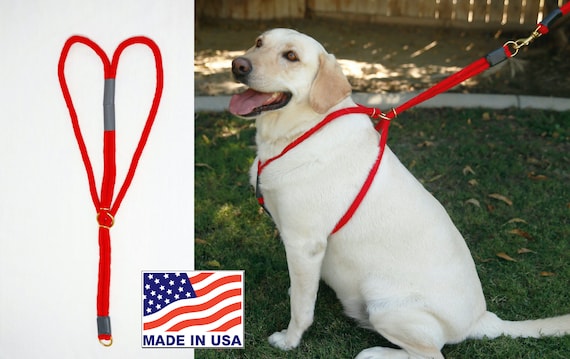
No-pull Harnesses
No-pull harnesses are designed to stop pulling gently. They use pressure points to discourage pulling. Often combine front and back clips for control. These harnesses help train dogs to walk nicely. They are safe and reduce strain on the dog.
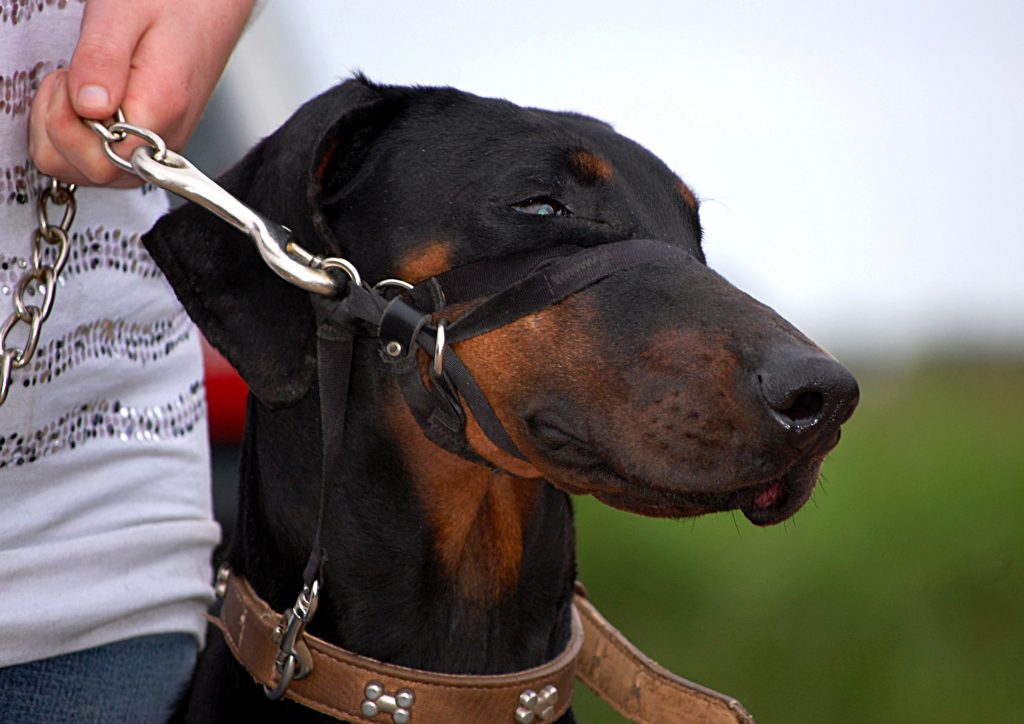
Head Halters
Head halters fit around the dog’s nose and neck. They control the dog’s head like a halter on a horse. Effective for strong pullers and large dogs. Dogs learn to follow head direction easily. Needs proper introduction to avoid discomfort.
Key Features For Control
Choosing the best harness for dogs to stop pulling means focusing on key features for control. These features help you manage your dog’s strength and behavior. A well-designed harness gives you better control and keeps your dog safe. Let’s explore the most important features.
Adjustability
A good harness must fit your dog perfectly. Adjustable straps allow you to change the size. This fits dogs of different shapes and sizes. Proper fit prevents slipping and discomfort. It also stops your dog from escaping. Adjustability means you can tighten or loosen the harness easily.
Clip Placement
Clip placement affects how much control you have over your dog. Front-clip harnesses reduce pulling by redirecting your dog’s movement. Back-clip harnesses offer comfort but less control. Some harnesses have both front and back clips. This gives you options for training and walking. Choose clip placement that fits your training needs.
Durability
Durability matters for long-lasting use. Strong materials resist wear and tear from pulling. Look for sturdy buckles and reinforced stitching. A durable harness stands up to strong dogs and rough walks. It keeps your dog secure and safe during every walk.
Credit: www.etsy.com
Comfort Considerations
Choosing a harness for your dog to stop pulling means focusing on comfort. A comfortable harness keeps your dog happy and makes walks better. Comfort depends on many factors like material, padding, and breathability. These elements help avoid chafing, irritation, and overheating.
Material Choices
Soft and strong materials are best for dog harnesses. Nylon and polyester are common because they last long and feel gentle on skin. Avoid rough fabrics that can cause itching or rubbing. Look for harnesses made with smooth edges to protect your dog’s fur and skin.
Padding And Fit
Padded harnesses add a layer of comfort around sensitive areas. Padding on the chest and straps helps reduce pressure when your dog pulls. The fit must be snug but not tight. A poor fit can cause discomfort or escape risks. Adjustable straps allow a better fit for different dog sizes.
Breathability
Breathable harnesses let air flow to keep your dog cool. Mesh panels and lightweight fabrics help prevent sweat build-up. Good breathability is important on warm days or during long walks. It stops your dog from feeling hot and uncomfortable.
Top Harness Picks For Pulling Dogs
Choosing the right harness can make walks more enjoyable for you and your dog. A good harness stops pulling and keeps your pet safe. Below are top harness picks designed to control pulling effectively.
Best Overall Harness
This harness fits most dogs comfortably and reduces pulling well. It has strong straps and a padded chest piece. The design spreads pressure evenly to avoid hurting your dog. Easy to put on and adjust, it suits daily walks.
Best For Large Dogs
Large dogs need sturdy harnesses with extra support. This option has reinforced stitching and durable materials. It offers good control without restricting movement. The wide chest plate helps prevent choking and pulling.
Best For Small Dogs
Small dogs require lightweight harnesses that fit snugly. This harness is soft, breathable, and adjustable. It stops pulling gently without causing discomfort. Perfect for tiny breeds that need gentle control.
Best Budget Option
This harness balances quality and price well. It controls pulling effectively and fits most dogs. Made from strong nylon, it lasts long despite its low cost. A great choice for pet owners on a budget.
Training Tips With Harnesses
Training your dog to stop pulling with a harness requires patience and clear steps. Harnesses give you control without hurting your dog. They also help your dog learn to walk calmly by your side. The right training tips can make this process easier and more effective.
Introducing The Harness
Let your dog get used to the harness slowly. Start by letting them sniff and see it. Put the harness on for short times inside your home. Praise your dog with gentle words and treats. This builds a positive feeling about the harness. Never force it on at once. Comfort helps your dog accept the new gear.
Positive Reinforcement
Use treats and praise to reward good walking behavior. When your dog walks without pulling, give a small treat. Say “good dog” with a happy voice. This teaches your dog that calm walking brings rewards. Avoid punishment or harsh corrections. Positive rewards help your dog want to listen and learn.
Consistency In Walks
Walk your dog regularly at the same times and places. Consistency helps your dog understand what you expect. Keep the harness on every walk to avoid confusion. Use the same commands and reward system. Regular practice builds strong habits. Your dog learns faster with steady routines.
Safety And Maintenance
Safety and maintenance are key to using a dog harness effectively. A harness that is well cared for keeps your dog safe during walks. It also lasts longer, saving money and effort. Taking simple steps regularly ensures the harness works as it should.
Regular Inspections
Check the harness before every walk. Look for broken buckles or loose stitching. Make sure straps are not frayed or worn out. Test the clips to see if they fasten securely. Spotting damage early prevents accidents and discomfort for your dog.
Cleaning Guidelines
Clean the harness often to keep it fresh and safe. Use mild soap and warm water. Avoid harsh chemicals that can weaken the material. Let it air dry completely before using it again. Clean harnesses reduce skin irritation and remove dirt that wears out fabric.
Replacing Worn Harnesses
Replace the harness if it shows signs of heavy wear. Frayed straps and broken parts cannot hold your dog safely. A worn harness may fail during a walk, risking injury. Choose a new harness that fits well and suits your dog’s size and strength.

Credit: www.bestmatedogtraining.co.nz
Frequently Asked Questions
What Type Of Harness Stops Dogs From Pulling?
Front-clip harnesses are best to reduce pulling. They gently redirect your dog’s movement without choking. This design discourages pulling effectively and keeps your dog comfortable during walks.
How Do Harnesses Prevent Dog Pulling?
Harnesses distribute pressure evenly across the chest and shoulders. This reduces strain on the neck and discourages pulling behavior. Proper fit and design help maintain control and improve walking manners.
Are No-pull Harnesses Safe For All Dogs?
Yes, no-pull harnesses are safe for most dogs when used correctly. Choose the right size and adjust straps properly. Always monitor your dog’s comfort to prevent chafing or discomfort.
Can Harness Training Replace Leash Training?
Harnesses aid training but don’t replace leash training. Consistent commands and positive reinforcement remain essential. Combining both methods improves walking behavior and reduces pulling effectively.
Conclusion
Choosing the right dog harness helps stop pulling during walks. It keeps your dog safe and comfortable. A good harness improves control and makes walks more enjoyable. Remember to pick one that fits well and suits your dog’s size. Training and patience also play a big role.
Try different styles to find the best match. Happy walks start with the right harness and a calm dog. Small changes can bring big results. Keep your dog happy, healthy, and safe on every walk.


