
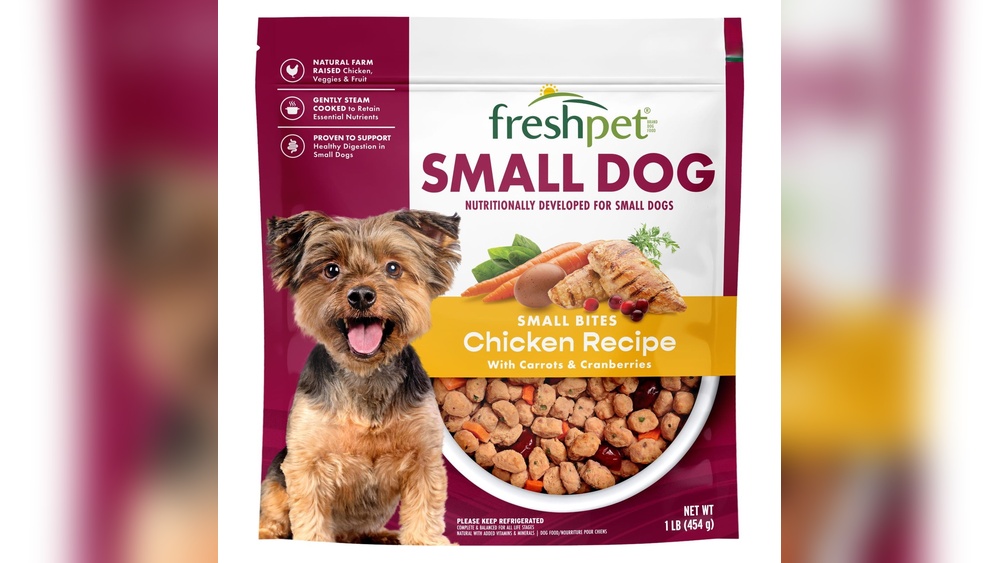
Finding the best food for your little dog can feel overwhelming. You want to keep your tiny friend healthy, happy, and full of energy.
But with so many options out there, how do you know what’s truly right for your pup? This guide will help you choose food that matches your dog’s size, age, and unique needs. By the end, you’ll feel confident that you’re giving your little companion the best nutrition possible.
Keep reading to discover the top foods that will make your small dog thrive every day.
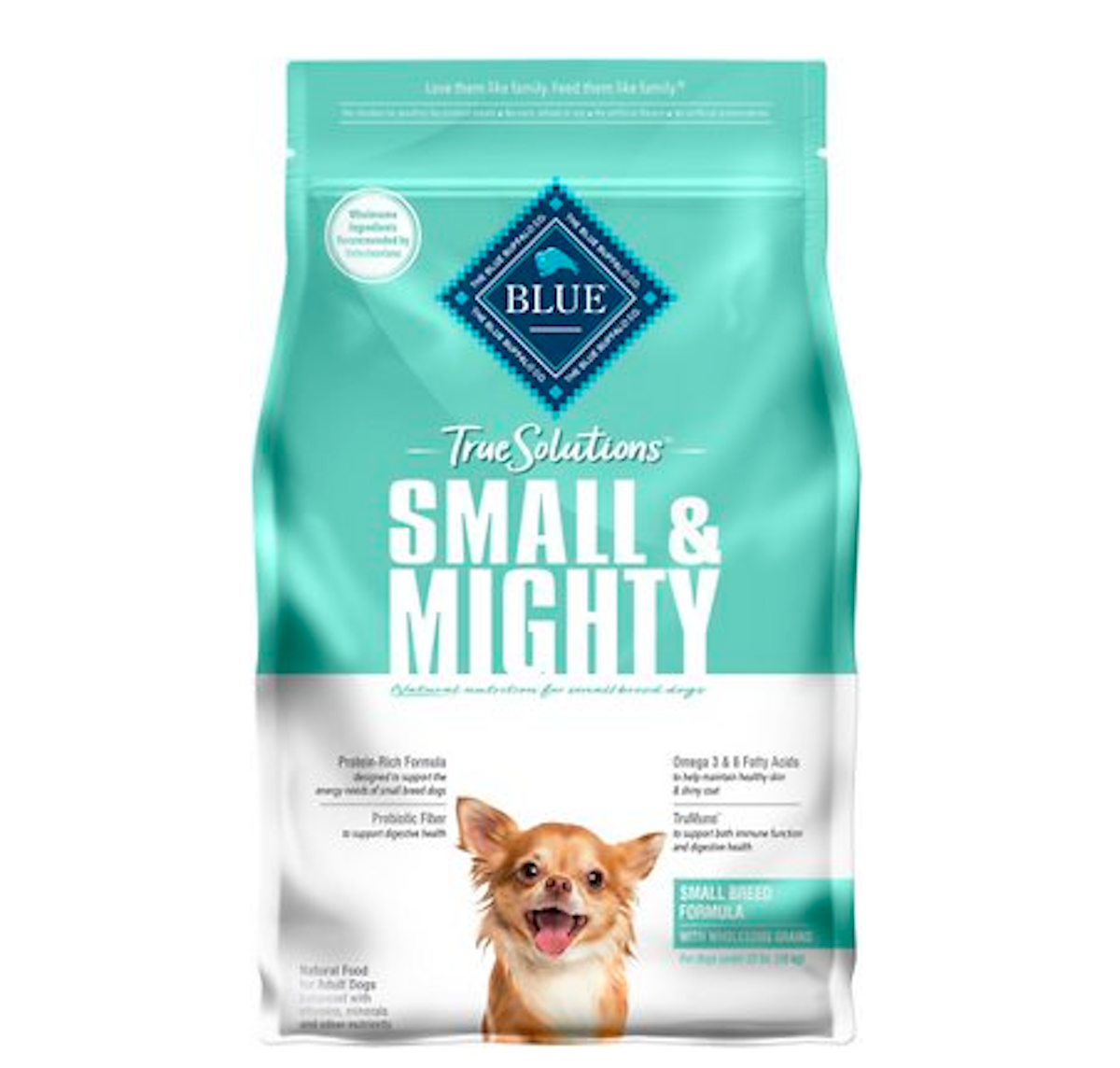
Credit: essensi.no
Why Nutrition Matters For Small Dogs
Nutrition plays a big role in the health of small dogs. Their bodies need the right food to stay strong and active. Feeding them properly helps avoid health problems and keeps them happy. Small dogs have special needs that differ from bigger dogs. Understanding these needs ensures they get the best care.
Unique Metabolic Needs
Small dogs have faster metabolisms than large dogs. They burn energy quickly and need more calories per pound. Their food must be rich in nutrients and easy to digest. Protein is important to support their muscles and organs. Fats provide energy and help keep their skin healthy.
Common Health Concerns
Small dogs often face dental issues and sensitive stomachs. Poor nutrition can lead to obesity or malnutrition. Feeding the wrong food may cause allergies or digestive problems. Choosing balanced meals helps prevent these health concerns. Regular feeding schedules and portion control are also key.
Impact On Energy Levels
The right diet keeps small dogs lively and playful. Balanced nutrition supports their endurance and mood. Lack of proper food can make them tired and weak. Healthy fats and proteins give steady energy throughout the day. Keeping energy levels high improves their quality of life.
Key Nutrients For Tiny Tummies
Small dogs need special care in their diet. Their tiny tummies require key nutrients to stay healthy and active. Choosing the right food helps support their growth and energy. Nutrients must be balanced and easy to digest for these little pets.
Protein Sources
Protein builds muscles and supports body repair. Good protein sources include chicken, turkey, and fish. These provide essential amino acids for growth. Small dogs need high-quality protein in every meal. Avoid low-quality fillers that lack proper nutrition.
Healthy Fats
Fats give energy and keep skin soft. Omega-3 and Omega-6 fatty acids are important. Fish oil and flaxseed oil are great sources. Healthy fats also help brain and eye development. Small dogs need fats in the right amount.
Essential Vitamins And Minerals
Vitamins and minerals support overall health. Calcium and phosphorus strengthen bones and teeth. Vitamin A and E protect the immune system. Zinc helps with healing and growth. Balanced vitamins and minerals keep small dogs strong.
Importance Of Fiber
Fiber aids digestion and prevents constipation. It helps keep the gut healthy and clean. Sources include vegetables and grains like brown rice. Proper fiber levels avoid stomach problems in small dogs. Fiber also controls weight and energy levels.
Top Commercial Foods For Small Breeds
Choosing the right food for small dog breeds is important for their health. Small dogs have different needs than larger dogs. Their food must support their energy and small mouths. Many commercial foods cater to these special needs. These foods come in dry kibble, wet options, and grain-free choices. Each type offers unique benefits for small dogs.
Dry Kibble Options
Dry kibble is popular for small dogs. It helps keep teeth clean and strong. Kibble pieces are small, easy to chew, and designed for little mouths. Brands often add extra nutrients for energy and coat health. Small breed formulas contain the right balance of protein and fat. These kibbles also support digestion and prevent weight gain.
Wet Food Choices
Wet food is soft and easy to eat. It contains more moisture, which helps dogs stay hydrated. Wet options often have rich flavors that small dogs enjoy. These foods can be mixed with dry kibble for variety. Many wet foods use real meat and vegetables. This makes meals tasty and nutritious for tiny dogs.
Grain-free Alternatives
Some small dogs need grain-free diets. Grain-free foods avoid wheat, corn, and soy. They use ingredients like potatoes, peas, or lentils. These options reduce allergies and digestive issues. Grain-free foods still provide all needed vitamins and minerals. They come in both dry and wet forms for small breeds.
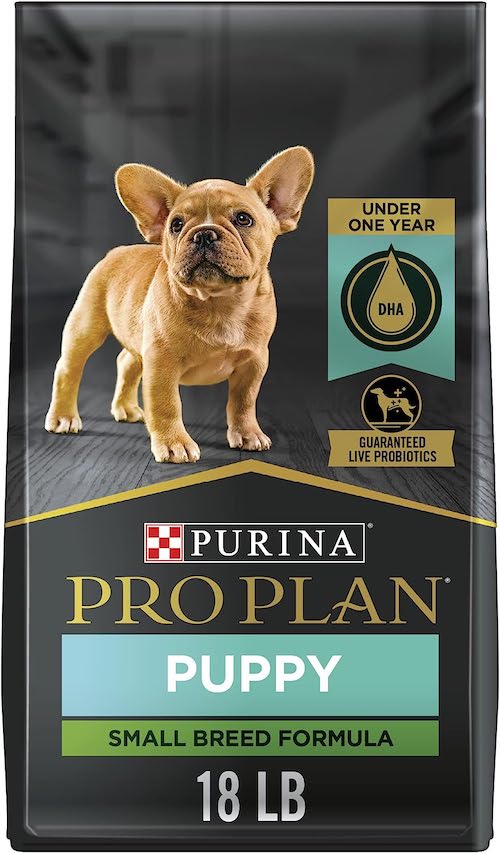
Credit: www.rover.com
Homemade Meals For Little Dogs
Preparing homemade meals for little dogs can be a healthy choice. It lets you control the ingredients and avoid fillers found in some commercial foods. Homemade food can also cater to your dog’s taste and dietary needs.
Small dogs have unique nutritional needs. Their meals should be nutrient-rich but easy to digest. Cooking at home allows you to tailor meals for their size and health.
Balanced Recipe Ideas
Start with a protein source like chicken, turkey, or fish. Add cooked vegetables such as carrots or green beans. Include a small amount of rice or sweet potato for energy. Mix in a bit of healthy fat, like olive oil. Ensure meals have vitamins and minerals, sometimes with supplements. Serve portions suitable for your dog’s weight and activity level.
Safe Ingredients To Use
Choose lean meats without bones or skin. Use fresh vegetables that are low in fiber. Plain cooked rice or pasta works well. Small amounts of fruits like apples or blueberries are safe. Avoid adding salt, spices, or sugar. Use water or low-sodium broth to keep food moist.
Foods To Avoid
Do not feed chocolate, onions, or garlic. Avoid grapes, raisins, and avocados. Never give cooked bones or fatty meats. Steer clear of artificial sweeteners and caffeine. Avoid dairy products if your dog is lactose intolerant. These foods can cause serious health problems.
Treats And Snacks That Support Health
Treats and snacks are more than just rewards for little dogs. They can help keep your pet healthy and happy. Choosing the right treats supports good digestion, strong teeth, and shiny coats. Healthy snacks also boost energy without adding too many calories. Small dogs need treats that match their size and dietary needs.
Nutritious Store-bought Treats
Many stores sell treats made with natural ingredients. Look for options with real meat, vegetables, or fruits. Avoid treats with artificial colors, flavors, or preservatives. Choose low-calorie treats to prevent weight gain. Some treats contain added vitamins and minerals. These help support your dog’s overall health. Always check the label for allergens or harmful ingredients.
Diy Treat Recipes
Making treats at home is easy and fun. Use simple ingredients like pumpkin, peanut butter, or oats. Homemade treats let you control what your dog eats. Bake small bites for portion control and freshness. Recipes with sweet potatoes or carrots add fiber and vitamins. Avoid using sugar, salt, or chocolate. Fresh, natural treats can improve your dog’s diet.
Portion Control Tips
Small dogs need tiny treat portions to stay healthy. Too many snacks can lead to weight problems. Use treats as rewards, not meals. Break larger treats into smaller pieces. Keep track of daily treat calories. Balance treats with regular meals and exercise. Proper portioning helps maintain your dog’s ideal weight.
:strip_icc()/hills-science-diet-dry-dog-food-adult-small-mini-breeds-74ff39dc8a074daa95910568de2f22c3.jpg)
Credit: www.thesprucepets.com
Feeding Tips For Small Dog Owners
Feeding small dogs right is key for their health and happiness. Small dogs need special care with their food. Their tiny stomachs and fast metabolism require careful feeding plans. Follow simple tips to keep your little dog strong and active.
Understanding meal frequency, safe food changes, and hydration helps your dog thrive. These tips make feeding time easier and better for your pet.
Meal Frequency And Portions
Small dogs have fast energy needs. Feed them smaller meals more often. Two to three meals daily works well. Avoid overfeeding to prevent weight gain. Use a measuring cup to give the right amount. Watch your dog’s weight and adjust portions as needed.
Transitioning Foods Safely
Changing your dog’s food needs care. Switch slowly over 7 to 10 days. Mix old food with new food in growing amounts. This helps avoid stomach upset. Watch for any allergies or reactions. A gentle change keeps your dog healthy and happy.
Hydration Importance
Water is vital for small dogs. Always provide fresh, clean water. Small dogs can get dehydrated fast. Check water bowls often and refill. Wet food can also add moisture. Proper hydration supports digestion and energy.
Signs Of Good Nutrition In Small Dogs
Good nutrition is key for small dogs. It supports their health and happiness. Knowing the signs of proper nutrition helps you care for your pet well. Watch your dog closely for these signs to ensure they get the best food.
Healthy Coat And Skin
A shiny coat shows good nutrition. Soft fur and clear skin mean your dog eats well. Dry or flaky skin may signal poor diet. Healthy fats and vitamins keep the coat bright and skin smooth.
Optimal Weight Maintenance
Small dogs should keep a steady weight. Neither too thin nor too heavy is ideal. Balanced meals help maintain proper weight. Weight changes can show nutrition problems or health issues.
Energy And Behavior Indicators
Active and happy dogs usually have good nutrition. Low energy or tiredness can mean poor diet. Good food supports alertness and playfulness. Watch behavior to spot changes in health early.
Frequently Asked Questions
What Is The Best Food For Small Dog Breeds?
The best food for small dogs is high-quality kibble with balanced nutrients. Look for protein-rich formulas designed for small breed metabolism and energy needs. Small kibble size aids chewing and digestion, ensuring your little dog stays healthy and energetic.
How Often Should I Feed My Little Dog Daily?
Feed small dogs two to three times a day to maintain stable energy levels. Smaller, frequent meals help prevent hypoglycemia common in tiny breeds. Adjust portions based on your dog’s age, activity, and health condition for optimal nutrition.
Can Little Dogs Eat Human Food Safely?
Some human foods like cooked chicken, carrots, and rice are safe in moderation. Avoid toxic foods like chocolate, onions, and grapes. Always consult your vet before introducing new human foods to your little dog’s diet to prevent health issues.
What Ingredients Should I Avoid In Small Dog Food?
Avoid foods with artificial preservatives, fillers, by-products, and excessive grains. These can cause allergies, digestive issues, and poor nutrition. Choose dog food with natural ingredients, real meat, and no unnecessary additives for your little dog’s wellbeing.
Conclusion
Choosing the right food helps your little dog stay healthy and happy. Small breeds need meals rich in nutrients and easy to digest. Always pick food made for small dogs’ needs and sizes. Fresh water and regular feeding times also support their well-being.
Pay attention to your dog’s taste and any allergies. A balanced diet leads to a longer, active life. Remember, good food is a key part of great care. Keep your little friend strong and full of energy every day.


