Finding the best hard dog food for your small dog can feel overwhelming. You want to give your furry friend the nutrition they need, but with so many options, how do you choose?
Your small dog has unique needs that require special care in their diet. The right food will keep them healthy, energetic, and happy. You’ll discover top picks that suit your dog’s size, taste, and health. Keep reading to find the perfect match that will make mealtime something your small dog looks forward to every day.
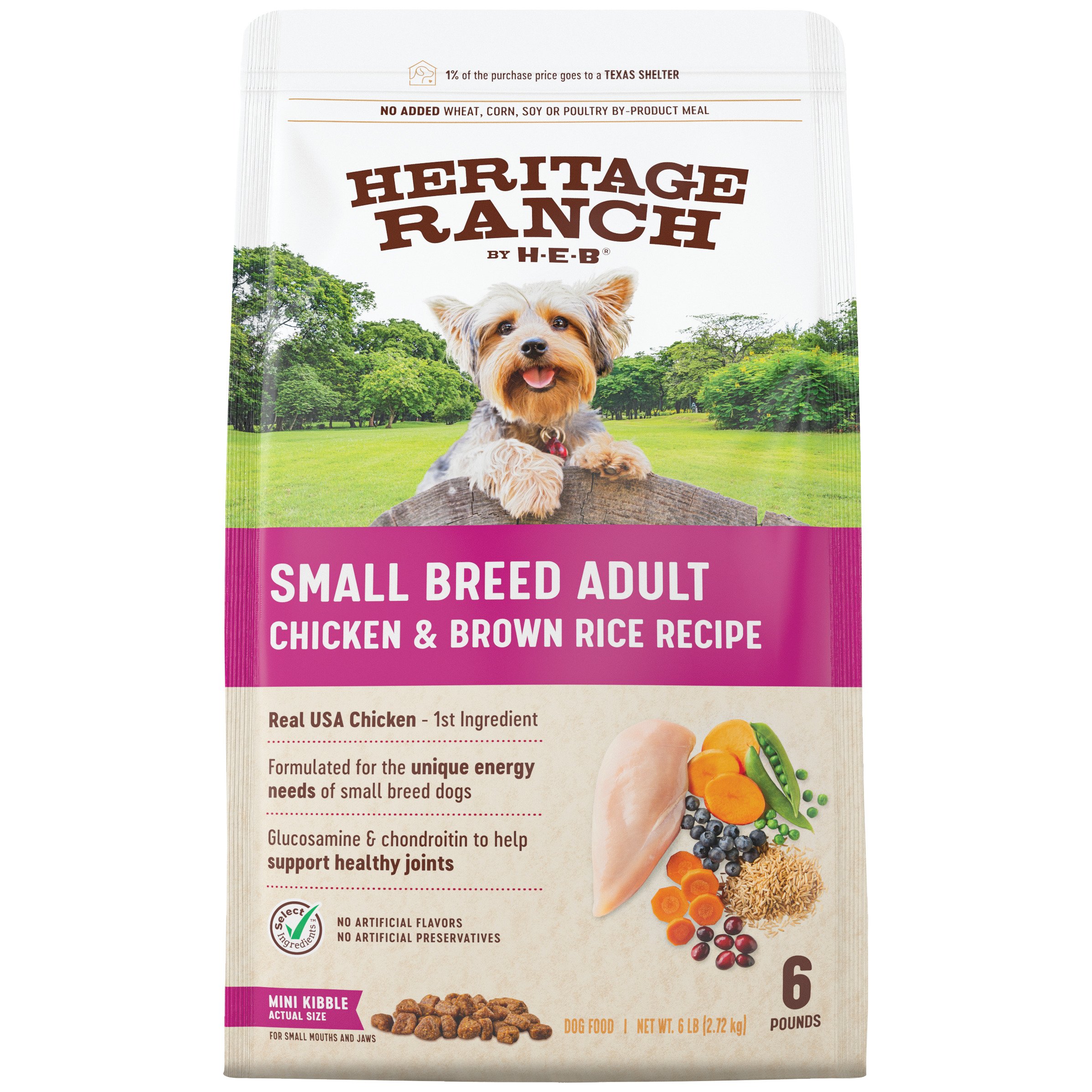
Credit: www.heb.com
Choosing Hard Dog Food For Small Breeds
Choosing the right hard dog food for small breeds is important. Small dogs have unique needs that differ from larger dogs. Their food must support their energy, health, and dental care. The right kibble helps keep your dog happy and strong.
Key Nutritional Needs
Small dogs need food rich in protein and fat for energy. Vitamins and minerals support their immune system and bones. Omega fatty acids help keep their skin and coat healthy. Balanced nutrition helps small dogs stay active and fit.
Benefits Of Hard Kibble
Hard kibble helps clean teeth by reducing plaque build-up. It also supports good digestion with the right fiber content. Kibble is easy to store and measure for proper portions. Feeding hard food can improve your dog’s dental health and overall well-being.
Size And Texture Considerations
Small dogs need smaller kibble pieces for easy chewing. Hard food should not be too tough to avoid choking. The texture must encourage chewing to help dental care. Choosing the right size and texture keeps your dog comfortable and safe.
Top Ingredients To Look For
Choosing the best hard dog food for small dogs means knowing what ingredients matter most. Good ingredients help your dog stay healthy and active. Small dogs need special care in their diet. Their food should support their energy and small size. Here are key ingredients to check on the label.
High-quality Proteins
Proteins build strong muscles and keep your dog fit. Look for real meat like chicken, beef, or fish listed first. Avoid foods with vague terms like “meat meal” or “by-products.” Quality protein helps your dog stay energetic and healthy.
Essential Fats And Oils
Fats give energy and keep the skin soft. Omega-3 and Omega-6 fatty acids are great for a shiny coat. Ingredients like fish oil and flaxseed provide these healthy fats. Good fats support brain and heart health too.
Vitamins And Minerals
Vitamins and minerals support your dog’s immune system and bones. Look for added nutrients like vitamin E, vitamin A, calcium, and zinc. These keep your small dog strong and help with growth and repair.
Avoiding Fillers And Additives
Fillers like corn, wheat, and soy add little nutrition. They can cause allergies and digestive problems. Stay away from artificial colors, flavors, and preservatives. Natural ingredients make food safer and healthier for small dogs.
Best Hard Dog Foods For Small Dogs In 2025
Finding the best hard dog food for small dogs in 2025 means focusing on nutrition and size. Small dogs need food that supports their energy and health. The right hard kibble helps keep their teeth clean and strong.
Food designed for small breeds comes in smaller pieces. This makes eating easier and reduces choking risks. Quality ingredients support digestion and coat health.
Premium Grain-free Options
Grain-free dog foods avoid wheat, corn, and soy. These options suit dogs with grain sensitivities. They use meats, vegetables, and fruits for energy. Premium brands focus on high protein and no fillers. This helps maintain lean muscles and steady energy.
Budget-friendly Choices
Good nutrition does not always cost a lot. Many brands offer balanced foods at lower prices. These include essential vitamins and minerals. Look for options with real meat as the first ingredient. Affordable food can still keep small dogs healthy and happy.
Specialty Formulas For Allergies
Allergies in small dogs need special diets. Hypoallergenic foods avoid common triggers like chicken or beef. Limited ingredient diets reduce the chance of reactions. These formulas often include novel proteins like duck or fish. They support sensitive stomachs and skin problems.
Organic And Natural Picks
Organic dog foods use ingredients grown without pesticides. Natural options avoid artificial colors and preservatives. These foods focus on whole, simple ingredients. They provide gentle nutrition for small dogs. Many owners choose these for better health and safety.
Feeding Tips For Small Dog Owners
Feeding small dogs the right hard dog food requires more than just picking the best brand. Owners must also know how to feed properly. Feeding small dogs involves careful planning and attention to their unique needs. This section covers key tips to help your small dog stay healthy and happy through proper feeding.
Portion Control And Frequency
Small dogs need smaller portions than larger breeds. Overfeeding can cause weight gain and health issues. Measure food accurately using a standard cup or scale. Feed your dog two to three small meals daily. This keeps energy levels steady and helps digestion. Avoid leaving food out all day to prevent overeating.
Transitioning To New Food
Switch dog food slowly to avoid stomach upset. Mix 25% new food with 75% old food for three days. Gradually increase new food amount over one week. Watch your dog’s reaction to the new diet. Sudden changes can cause vomiting or diarrhea. Patience is key during food transitions.
Monitoring Health And Digestion
Observe your dog’s stool for signs of digestive health. Firm, regular stools show good digestion. Loose stools or constipation mean a problem. Check your dog’s energy and coat condition often. Healthy skin and shiny fur reflect proper nutrition. Contact a vet if you notice persistent issues.
Common Mistakes To Avoid
Choosing the right hard dog food for small dogs is important. Many pet owners make mistakes that affect their dog’s health and happiness. Avoiding these errors helps your dog live a better life. Learn about common mistakes and how to prevent them.
Overfeeding And Obesity
Feeding too much food causes weight gain in small dogs. Obesity leads to health problems like joint pain and diabetes. Measure portions carefully. Follow the feeding guidelines on the dog food package. Adjust amounts based on your dog’s activity level and age.
Ignoring Ingredient Labels
Not checking ingredient lists can harm your dog’s health. Some foods have fillers, artificial colors, or low-quality meat. Look for real meat, vegetables, and whole grains. Avoid foods with many preservatives or by-products. Good ingredients support energy and overall well-being.
Skipping Vet Recommendations
Ignoring advice from your vet risks your dog’s health. Vets know your dog’s specific needs. They can suggest the best food type and brands. Always ask before changing your dog’s diet. A vet’s guidance ensures your small dog stays healthy.
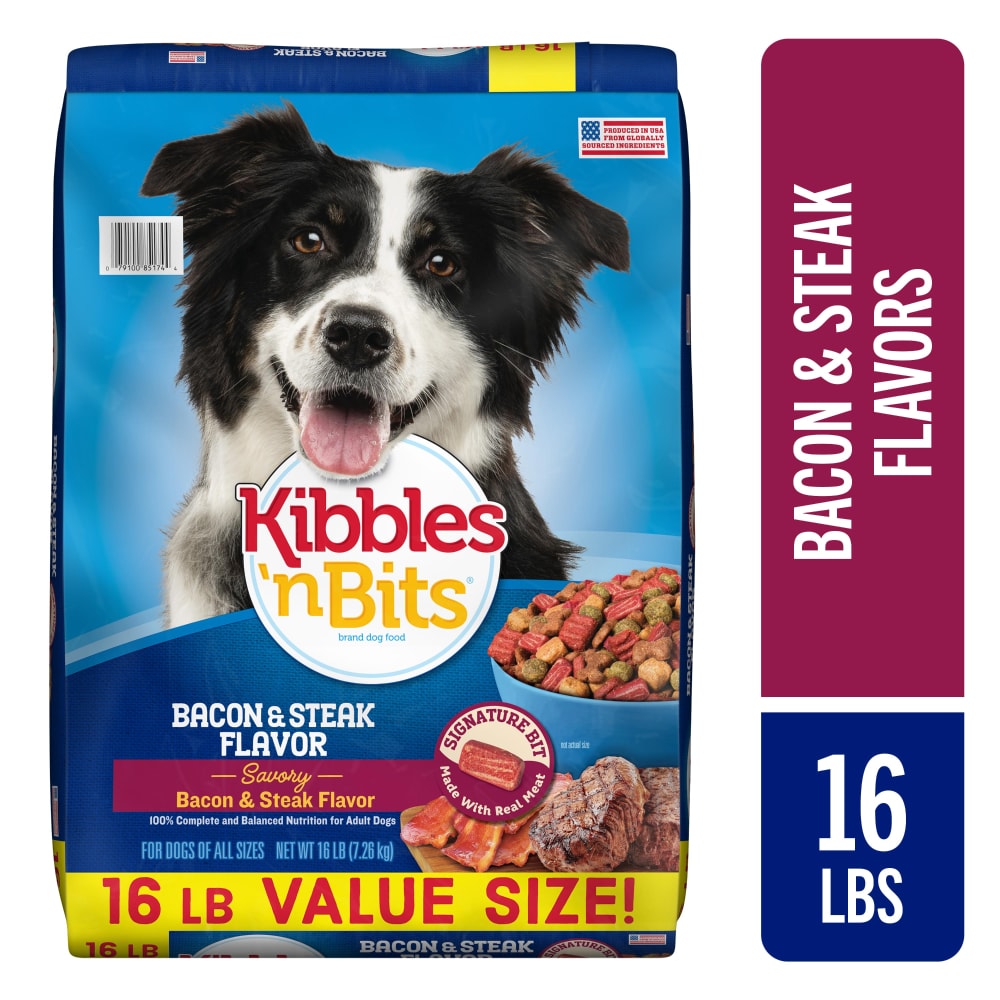
Credit: www.ralphs.com
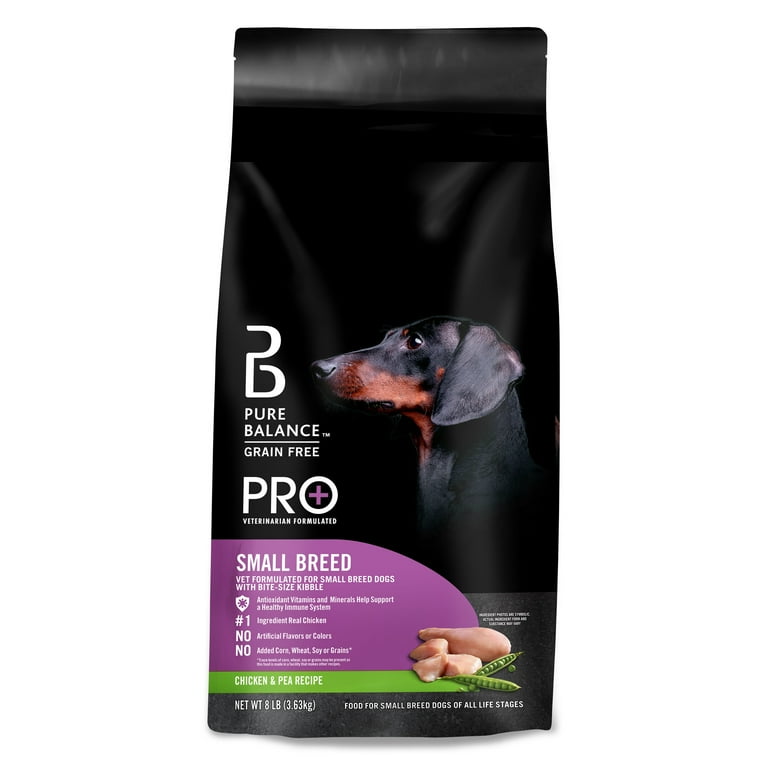
Credit: www.walmart.com
Frequently Asked Questions
What Is The Best Hard Dog Food For Small Dogs?
The best hard dog food for small dogs offers balanced nutrition, small kibble size, and high-quality protein. It supports healthy teeth and digestion. Look for formulas with natural ingredients and essential vitamins tailored to small breeds’ needs.
How Do I Choose Hard Food For My Small Dog?
Choose hard food by checking ingredient quality, kibble size, and nutritional content. Ensure it meets small dogs’ energy needs and includes vitamins and minerals for healthy growth and maintenance.
Can Small Dogs Digest Hard Dog Food Easily?
Yes, most small dogs digest hard dog food well if the kibble size suits their mouths. Properly formulated hard food supports digestion and dental health when given in appropriate portions.
Why Is Kibble Size Important For Small Dogs?
Kibble size matters because small dogs have smaller mouths and teeth. Appropriately sized kibble prevents choking and makes chewing easier, promoting better digestion and nutrient absorption.
Conclusion
Choosing the right hard dog food helps small dogs stay healthy and happy. Small breeds need food that fits their size and energy needs. Quality ingredients support strong teeth, shiny coats, and good digestion. Always check labels to avoid fillers and artificial additives.
Feeding your dog the best food can improve their life and vitality. Remember, a happy dog is a healthy dog. Keep their needs in mind for a long, joyful friendship. Simple choices make a big difference every day.