
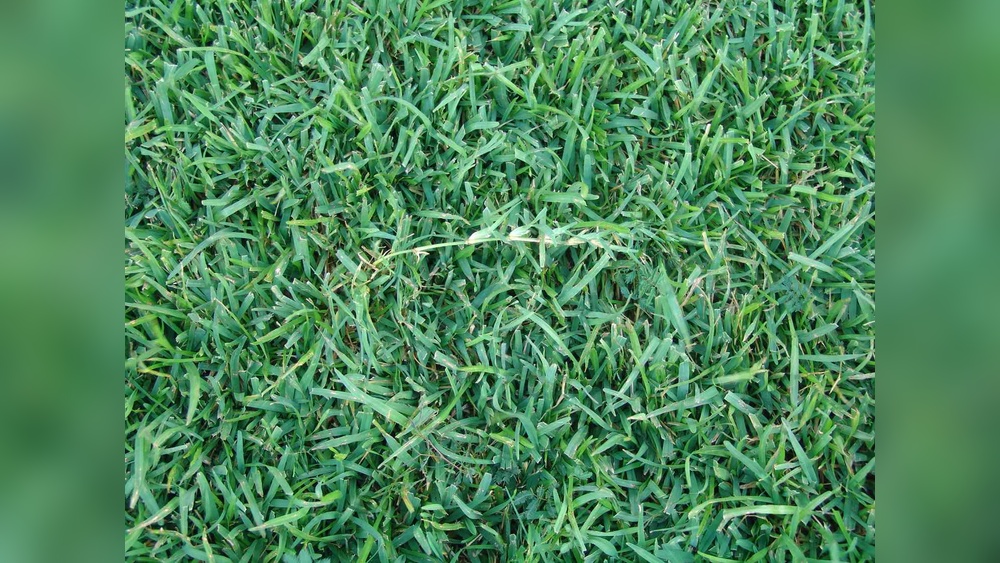
If you have a busy backyard where your dog loves to run and play, you know how hard it is to keep the grass looking healthy. Your lawn can quickly turn patchy and worn down from all that dog traffic.
But what if you could find the perfect grass seed that stands up to your dog’s activity while keeping your yard green and lush? You’ll discover the best grass seed options designed to handle heavy dog traffic. Keep reading to learn how you can protect your lawn and create a beautiful outdoor space both you and your furry friend will love.
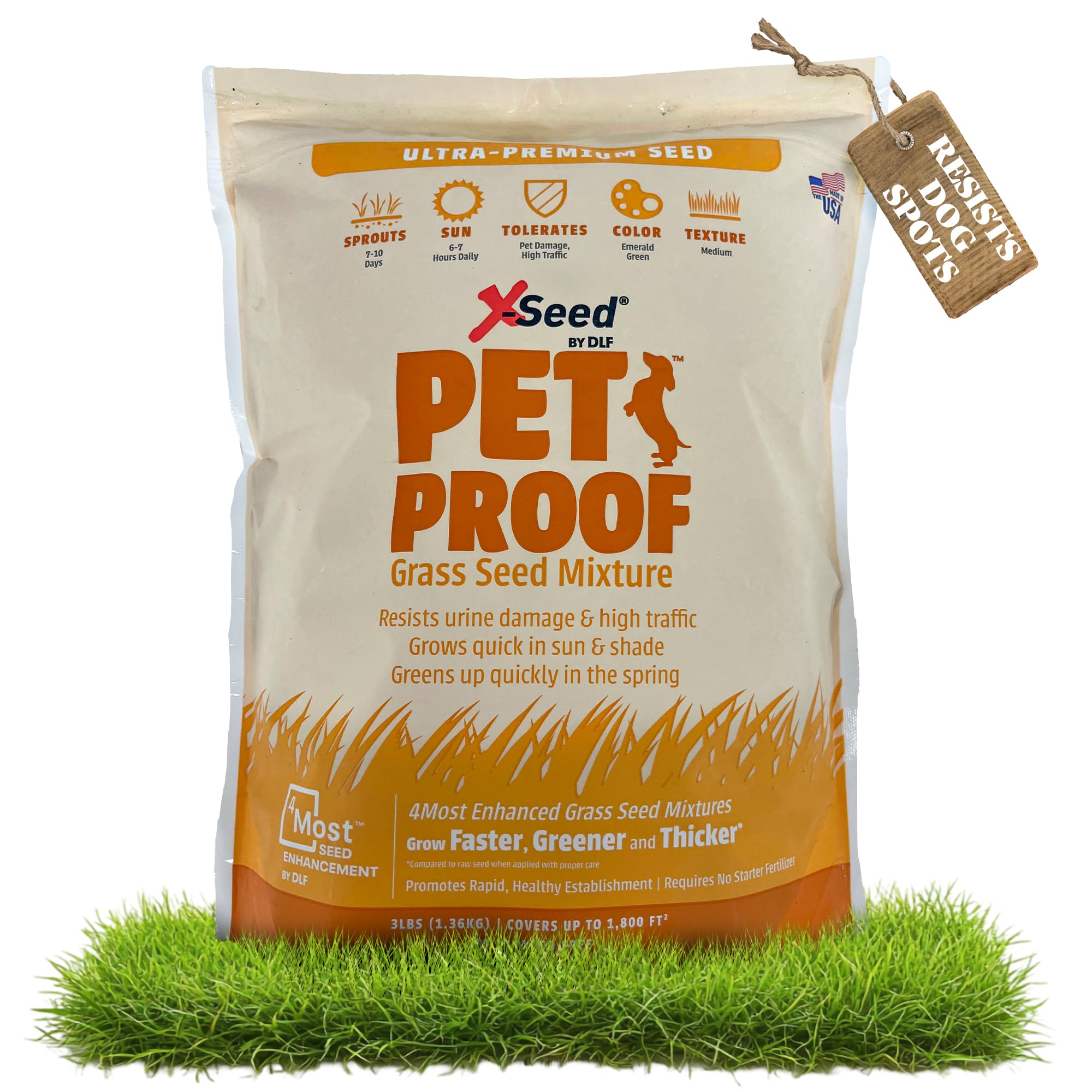
Credit: www.amazon.com
Choosing Grass For Heavy Use
Choosing the right grass for areas with heavy dog traffic is important. Dogs run, dig, and play a lot. This use can damage the lawn quickly. The grass must be strong and recover fast. It should also be safe for pets to walk and play on. Picking the right grass helps keep your yard green and healthy.
Factors Affecting Durability
Durability depends on grass type and growth habits. Some grasses grow deep roots that resist wear. Others spread quickly to fill bare spots. Thick blades handle trampling better than thin ones. Cool-season grasses like Kentucky bluegrass and perennial ryegrass are tough. Warm-season grasses like Bermuda grass also stand heavy use. Soil quality and watering affect grass strength. Well-fed grass recovers from damage faster. Proper mowing height helps grass stay healthy too.
Pet Safety Considerations
Choose grass that is non-toxic and gentle on paws. Avoid grasses with sharp or spiky blades. Some grasses cause allergies or skin irritation in dogs. Look for varieties that tolerate pet urine. Grass that resists browning from urine keeps lawns nice. Avoid chemicals and fertilizers that harm pets. Natural and organic treatments are safer. Clean grass means happier, healthier dogs playing outside.
Top Durable Grass Types
Choosing the right grass seed helps keep your lawn green and strong. Dogs running and playing can wear out the grass fast. Durable grass types stand up well to heavy use. These grasses recover quickly and stay healthy.
Kentucky Bluegrass
Kentucky Bluegrass is a popular choice for lawns with dogs. It grows thick and forms a dense carpet. This grass recovers fast from damage. It has good resistance to wear and tear. It needs moderate sunlight and regular watering.
Perennial Ryegrass
Perennial Ryegrass germinates quickly and establishes fast. It is tough and handles foot traffic well. This grass mixes well with other types for strength. It stays green in cool weather. It grows best in sunny spots.
Tall Fescue
Tall Fescue is known for its deep roots. It holds up well under heavy dog traffic. This grass tolerates heat and drought better than others. It stays green longer in dry conditions. Ideal for yards that get a lot of use.
Grass Blends For Dog Areas
Grass blends are a smart choice for dog areas. They combine different types of grass seeds. This mix helps the lawn stay green and strong. Dogs run, dig, and play. A single type of grass might not handle this well. Blends bring durability and beauty together.
Benefits Of Mixed Seeds
Mixed seeds create a tough lawn. Each grass type adds unique strengths. Some grasses resist wear from paws. Others recover fast after damage. Blends reduce bare spots and mud patches. They adapt to sun and shade. This mix improves soil health too. The lawn stays fresh longer with less care.
Popular Blend Options
Many blends suit dog areas. Kentucky Bluegrass mixes offer good color and toughness. Perennial Ryegrass grows fast and repairs quickly. Fine Fescues handle shade and dry soil well. Some blends combine all three for balance. You can find blends made for heavy traffic. Check the seed label for dog-friendly mixes. These choices keep your yard neat and safe for pets.
Maintaining Healthy Lawn With Pets
Keeping a green lawn with pets can be a challenge. Dogs running and playing can wear down grass quickly. Strong grass seed helps, but care is still needed. Healthy soil, water, and nutrients make the lawn last longer. Simple habits keep the grass fresh and green. These tips help your lawn stay beautiful and pet-friendly.
Watering And Fertilizing Tips
Water the lawn deeply but not too often. This helps roots grow strong and deep. Early morning is the best time to water. Use a balanced fertilizer to give grass nutrients. Avoid too much fertilizer, as it can harm the grass. Follow the instructions on the fertilizer package. Regular feeding keeps the grass thick and healthy.
Managing Pet Waste
Pet waste can burn grass and leave brown spots. Clean up solid waste quickly to protect the grass. Rinse areas where pets urinate with water. This helps dilute harmful chemicals in urine. Train pets to use a specific spot in the yard. This limits damage and makes cleanup easier.
Repairing Worn Spots
Check the lawn for bare or thin patches often. Reseed these spots with durable grass seed. Lightly loosen the soil before adding seed. Water the repaired areas gently but regularly. Use lawn patches or sod for quick fixes. Protect repaired spots from heavy pet traffic until grass grows back.
Installing Grass Seed For Best Results
Installing grass seed properly is key to creating a strong lawn that stands up to dog traffic. Good installation helps seeds grow fast and roots dig deep. It also makes the grass thicker and more durable. Follow these steps for the best results.
Soil Preparation
Start by clearing the area of rocks, sticks, and old grass. Loosen the soil using a rake or garden tiller. This helps air and water reach the seeds. Level the soil to avoid puddles. Spread a thin layer of compost or topsoil to add nutrients. Firm the soil gently to make a smooth seedbed.
Seeding Techniques
Spread the grass seed evenly by hand or with a seed spreader. Use half the seeds in one direction. Then spread the rest at a right angle. This covers the soil well. Lightly rake the seeds into the soil. Avoid burying them too deep. Press the soil down gently to keep seeds in place.
Post-planting Care
Water the seeded area lightly right after planting. Keep the soil moist but not soaked. Water daily until the grass sprouts. Mow the grass only after it reaches 3 inches tall. Avoid heavy foot traffic until the grass is strong. Add fertilizer after four weeks to boost growth.
:max_bytes(150000):strip_icc()/Fescuegrass-f2d6464400cf4d05bc10145dcac12d55.jpg)
Credit: www.thespruce.com
Alternative Pet-friendly Ground Covers
Alternative pet-friendly ground covers offer great options beyond traditional grass. They handle dog traffic well and stay green. These choices reduce mud and bare spots. They also require less water and upkeep. Great for yards where dogs play often.
Clover Varieties
Clover grows thick and soft, perfect for pets. It recovers fast from paw traffic. Clover uses less water than grass. It stays green in many climates. Bees love clover flowers, helping your garden. White clover is a popular variety. It spreads quickly and resists wear. Another option is microclover, which is low growing. Both types add nitrogen to soil. This means less need for fertilizers.
Artificial Turf Options
Artificial turf offers a clean, durable surface for dogs. It stays green all year long. No mud or dirt means cleaner paws inside. Turf drains water quickly to avoid puddles. Modern turf feels soft and looks natural. Easy to wash and sanitize after pet use. It does not need mowing or watering. Artificial turf lasts many years with little care. Ideal for busy pet owners or dry areas.
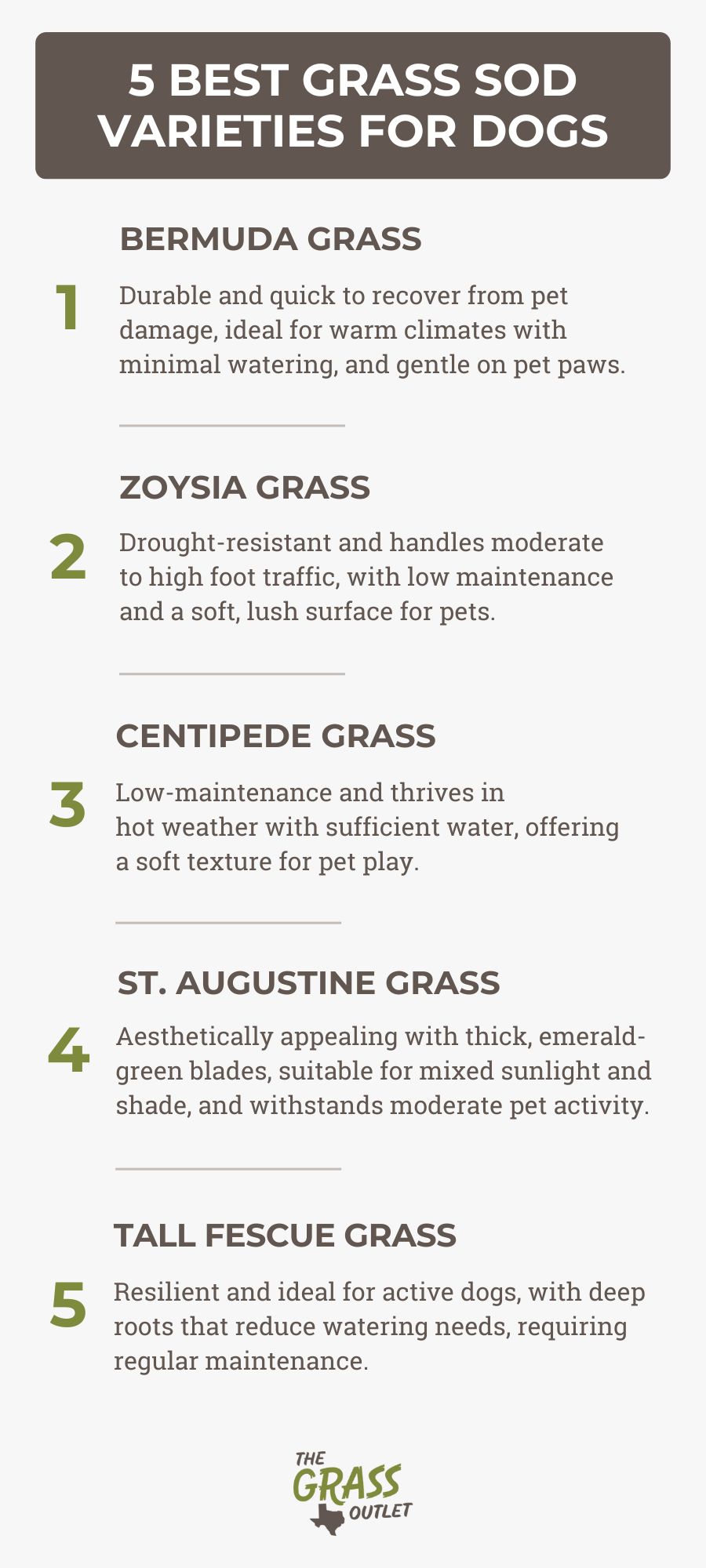
Credit: thegrassoutlet.com
Frequently Asked Questions
What Is The Best Grass Seed For Heavy Dog Traffic?
The best grass seed for heavy dog traffic is a durable, wear-resistant variety like Kentucky Bluegrass or Perennial Ryegrass. These types recover quickly from damage and handle foot traffic well, keeping your lawn green and healthy despite frequent dog play.
How Does Dog Traffic Affect Grass Seed Choice?
Dog traffic compacts soil and causes wear, needing tough grass seeds. Choosing resilient, fast-growing seeds helps lawns withstand paw impact, urine spots, and digging, ensuring a lasting, attractive yard even with active dogs.
Can Grass Seed Resist Damage From Dog Urine?
Some grass seeds, like Fescue and Ryegrass, tolerate dog urine better. These grasses have higher nitrogen tolerance, minimizing yellow spots and lawn damage. Proper watering and soil care also improve grass resistance to urine damage.
How To Maintain Grass Seeded For Dog Traffic?
Regular watering, aerating, and fertilizing keep dog-tolerant grass healthy. Clean up pet waste promptly, reseed worn areas, and avoid overuse spots. Consistent lawn care promotes strong roots and lush growth, even under heavy dog activity.
Conclusion
Choosing the right grass seed helps your lawn stay green and strong. Tough seeds resist damage from dogs running and playing. Healthy grass means fewer bald spots and less mud. Your yard will look better and last longer. Simple care and good seed keep your grass happy.
Enjoy a beautiful lawn that welcomes your pets every day.


