

If your dog loves to run, play, and explore your yard, you know how quickly grass can wear out. Finding the best grass for high traffic dogs and shade isn’t just about looking good—it’s about keeping your lawn strong, healthy, and comfortable for your furry friend.
You want a lawn that stands up to your dog’s energy while staying lush even in shady spots. Keep reading, and you’ll discover the top grass types that handle heavy paws and low light, so your yard stays vibrant and your dog stays happy.
:max_bytes(150000):strip_icc()/Centipede_Grass1-f479ace604d24b399245bd8f876f9097.JPG)
Credit: www.thespruce.com
Top Durable Grass Types
Choosing the right grass for areas with heavy dog traffic and shade is important. Durable grass types can handle wear and recover fast. They also stay green in low light. This helps keep your yard healthy and attractive.
Kentucky Bluegrass
Kentucky Bluegrass is strong and recovers quickly from damage. It forms a thick, lush lawn that resists wear. This grass grows well in shaded areas too. It needs regular watering to stay healthy. It is a top choice for yards with active dogs.
Perennial Ryegrass
Perennial Ryegrass grows fast and is very tough. It can stand heavy foot traffic without dying. This grass has a bright green color that looks nice in shade. It mixes well with other grasses for extra durability. It requires moderate care and watering.
Tall Fescue
Tall Fescue is known for deep roots and toughness. It handles shade better than many other grasses. This grass stays green longer in dry conditions. It tolerates dog traffic well and recovers fast. Tall Fescue is low maintenance and drought resistant.
Grass Varieties For Shady Areas
Choosing the right grass for shady areas is key for yards with dogs. Shade limits sunlight, which affects grass growth. Some grass types handle shade and foot traffic better. These grasses stay green and strong, even under trees or covered porches.
Fine Fescues
Fine fescues grow well in low light. They have thin, soft blades that look nice and dense. This grass can tolerate some wear from dogs. It recovers quickly from damage. Fine fescues also need less water, which helps in shaded spots.
St. Augustine Grass
St. Augustine grass thrives in shade and warm climates. It has wide, flat blades that form a thick carpet. This grass resists heavy foot traffic better than many others. St. Augustine also handles damp soil well, common in shady yards.
Zoysia Grass
Zoysia grass grows slowly but becomes very tough. It tolerates shade and heavy use by dogs. Zoysia forms a dense mat that stops weeds from growing. This grass needs less mowing and watering, making it easy to care for in shady areas.
Factors Affecting Grass Durability
Grass that survives heavy dog traffic and shade needs strong durability. Several factors affect how well grass holds up over time. Understanding these helps you choose and care for the best grass type. Healthy, durable grass stays green and thick despite paw prints and shade.
Soil Quality And Preparation
Good soil is the base for tough grass. Soil must drain well but hold enough moisture. Loose soil lets roots grow deep and strong. Compact soil stops root growth and weakens grass. Before planting, loosen the soil and add organic matter. This improves soil texture and nutrients. Healthy soil gives grass the strength to handle dog traffic.
Watering And Drainage
Grass needs water to stay alive and grow. Even water helps grass recover from wear and tear. Poor drainage causes water to pool and kills roots. Too much water softens the soil, making it easy to damage. Water deeply but less often to encourage strong roots. Proper watering and drainage keep grass healthy and tough.
Sunlight Exposure
Grass needs sunlight for food and growth. Shade reduces grass strength and slows growth. Choose grass types that tolerate shade well for shaded areas. More sunlight means faster recovery from wear. Balance sun and shade to keep grass green and thick. Understanding sunlight helps maintain durable grass in shady spots.
Tips To Maintain Lush Lawn With Dogs
Maintaining a lush lawn with dogs takes effort and care. Dogs love to run and play, which can damage grass. Shade areas add another challenge because grass grows slower there. Use smart tips to keep your lawn green and healthy despite these issues.
Regular Aeration
Aerate your lawn often to help grass breathe. Aeration opens small holes in the soil. This allows water, air, and nutrients to reach roots better. It reduces soil compaction caused by dog traffic. Use a hand aerator or a machine for bigger yards. Aerate during growing seasons for best results.
Pet-friendly Fertilizers
Choose fertilizers safe for pets to protect your dogs. Many fertilizers contain chemicals that can harm animals. Look for organic or natural options made for lawns with pets. Fertilize your lawn according to instructions. Over-fertilizing can damage grass and soil. Pet-friendly products keep your yard green and your dogs safe.
Managing Wear And Tear
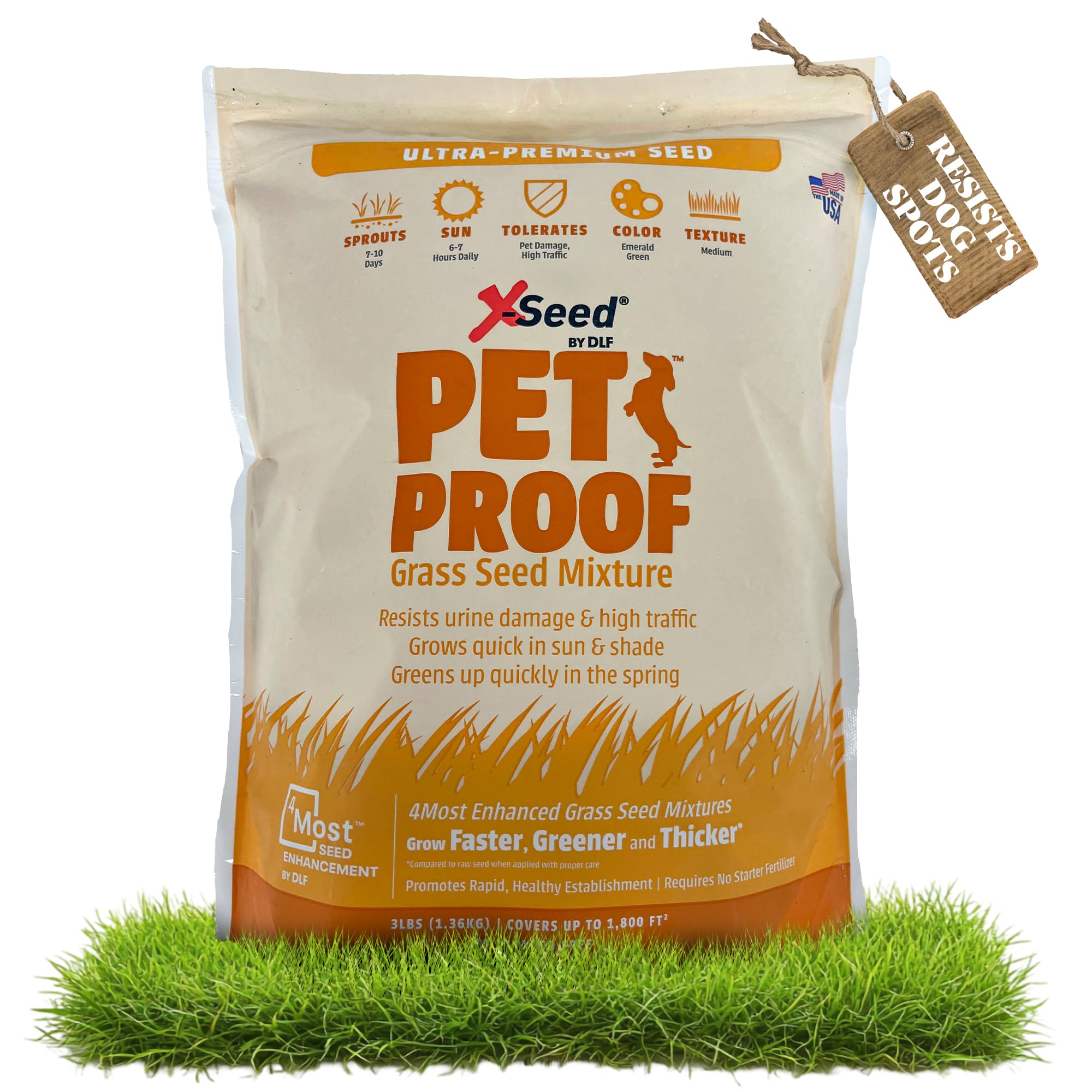
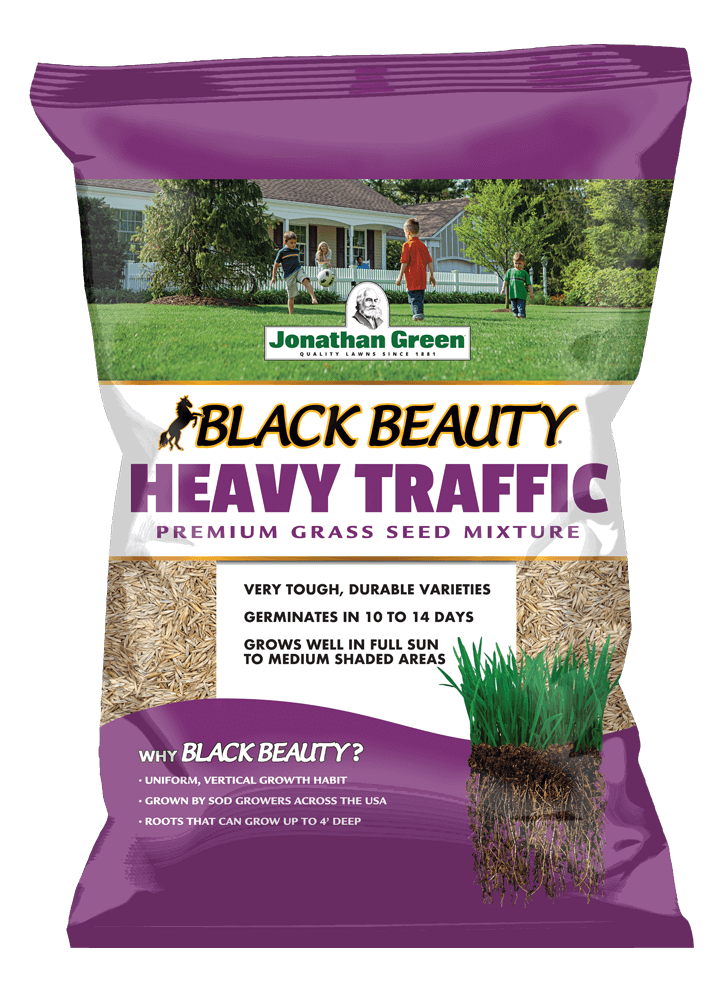
Manage spots where dogs run or dig the most. Rotate play areas to give grass time to recover. Fill bare patches with grass seed suited for shade and traffic. Use durable grass types like fescue or ryegrass. Create shaded paths or resting spots to reduce damage. Regularly trim grass to keep it strong and healthy.
Alternatives To Natural Grass
Natural grass can be hard to keep healthy with dogs and shade. Dogs cause wear and tear, making grass patchy and muddy. Shade stops grass from growing well. Alternatives to natural grass can offer durable, low-maintenance options for these tricky spots. They keep your yard looking good and safe for pets.
Artificial Turf Options
Artificial turf looks like real grass but needs less care. It stands up well to dog traffic and shade. Turf drains water quickly, avoiding mud and puddles. Many types are soft and pet-friendly. Cleaning is easy—just rinse with water. Turf lasts for years without patching or reseeding.
Ground Covers For Shade
Ground covers are plants that grow low and spread fast. They tolerate shade better than grass. Some good choices include clover, moss, and creeping thyme. These plants create a soft, green carpet. They handle light dog traffic without damage. Ground covers need less mowing and watering.
Mulch And Gravel Solutions
Mulch and gravel offer sturdy surfaces that resist wear. Mulch keeps soil moist and cool under trees. It is soft for dogs to walk on. Gravel drains water well and prevents mud. Choose small, smooth stones to protect paws. Both options reduce weeds and need little upkeep.
Credit: www.amazon.com
Credit: www.jonathangreen.com
Frequently Asked Questions
What Is The Best Grass For High Traffic Dog Areas?
Kentucky Bluegrass and Bermuda grass are great for high traffic dog areas. They are durable, recover quickly, and withstand heavy wear from pets.
How Does Shade Affect Grass Choice For Dog Yards?
Shade limits sunlight, so choose shade-tolerant grasses like Fine Fescue or St. Augustine. These grasses grow well with less sun.
Can Grass Survive Constant Dog Activity And Shade?
Yes, with proper selection like Tall Fescue or Zoysia, and good lawn care, grass can survive both heavy dog traffic and shade.
How To Maintain Grass In Shaded Dog Play Areas?
Regular aeration, proper watering, and overseeding with shade-tolerant grass help maintain healthy grass in shaded dog zones.
Conclusion
Choosing the best grass for dogs and shade helps keep your yard strong. Tough grass types resist wear from playful paws. Shade-loving grasses stay green even in low light. Healthy grass means less mud and dirt inside. Your dog will enjoy a soft, cool spot outside.
Care and watering keep grass fresh and lasting. A good lawn makes your home look neat and inviting. Simple steps lead to a happy yard for pets and people.


