If your dog struggles with a sensitive stomach, you know how tough it can be to find the right food. You want something gentle, nutritious, and free from grains that might cause discomfort.
Choosing the best grain free sensitive stomach dog food can make a huge difference in your dog’s health and happiness. You’ll discover top options that soothe digestion, keep your furry friend energized, and give you peace of mind. Keep reading to find the perfect match for your dog’s needs.
Why Choose Grain Free Dog Food
Choosing grain free dog food can help dogs with sensitive stomachs feel better. Many dogs have trouble digesting grains. This can cause discomfort and upset stomach. Grain free diets remove these common triggers. This lets dogs eat without pain or bloating. It supports their overall health and energy. Grain free dog food focuses on proteins and vegetables. These ingredients are easier to digest for many dogs.
Benefits For Sensitive Stomachs
Grain free dog food reduces stomach upset and gas. It lowers the risk of allergic reactions. Dogs often show less itching and skin problems. Their digestion improves and they absorb nutrients better. This food type helps keep dogs active and happy. It also reduces the chance of vomiting and diarrhea. Many dog owners see a difference within weeks.
Common Grain Allergies In Dogs
Wheat, corn, and soy are common grain allergens for dogs. These grains can cause itching, redness, and ear infections. Dogs might also have diarrhea or vomit after eating grains. Allergies can lead to poor coat condition and hair loss. Removing these grains helps many dogs feel healthier. Grain free diets avoid these problem ingredients. This helps protect sensitive dogs from allergic reactions.
Key Ingredients To Look For
Choosing the right grain free dog food for sensitive stomachs starts with knowing the key ingredients. These ingredients support digestion, reduce irritation, and provide essential nutrients. Understanding what to look for helps keep your dog healthy and happy.
High Quality Proteins
Proteins are the building blocks of your dog’s body. High quality proteins come from real meat, fish, or eggs. They are easier to digest and provide important amino acids. Avoid protein sources with fillers or by-products. Pure protein helps maintain muscle and energy.
Digestive Enzymes And Probiotics
Digestive enzymes break down food into nutrients your dog can absorb. Probiotics add good bacteria to the gut. Both work together to improve digestion and reduce stomach problems. Look for dog food that includes these ingredients for a healthy gut.
Avoiding Fillers And Additives
Fillers like corn, wheat, and soy can irritate sensitive stomachs. Artificial additives, colors, and preservatives may cause allergies or discomfort. Choose dog food free of these fillers and additives. This helps prevent digestive upset and keeps your dog comfortable.
Top Grain Free Dog Food Brands
Choosing the right grain free dog food helps keep sensitive stomachs calm. Many brands create formulas that avoid grains, which often cause allergies or digestion issues. This list covers top options from trusted brands. Each offers unique benefits for your dog’s health and comfort.
Find foods that match your budget, your dog’s needs, and your preference for special ingredients. Quality varies, but many brands focus on natural, easy-to-digest components. Here are some of the best grain free dog food brands to consider.
Premium Options
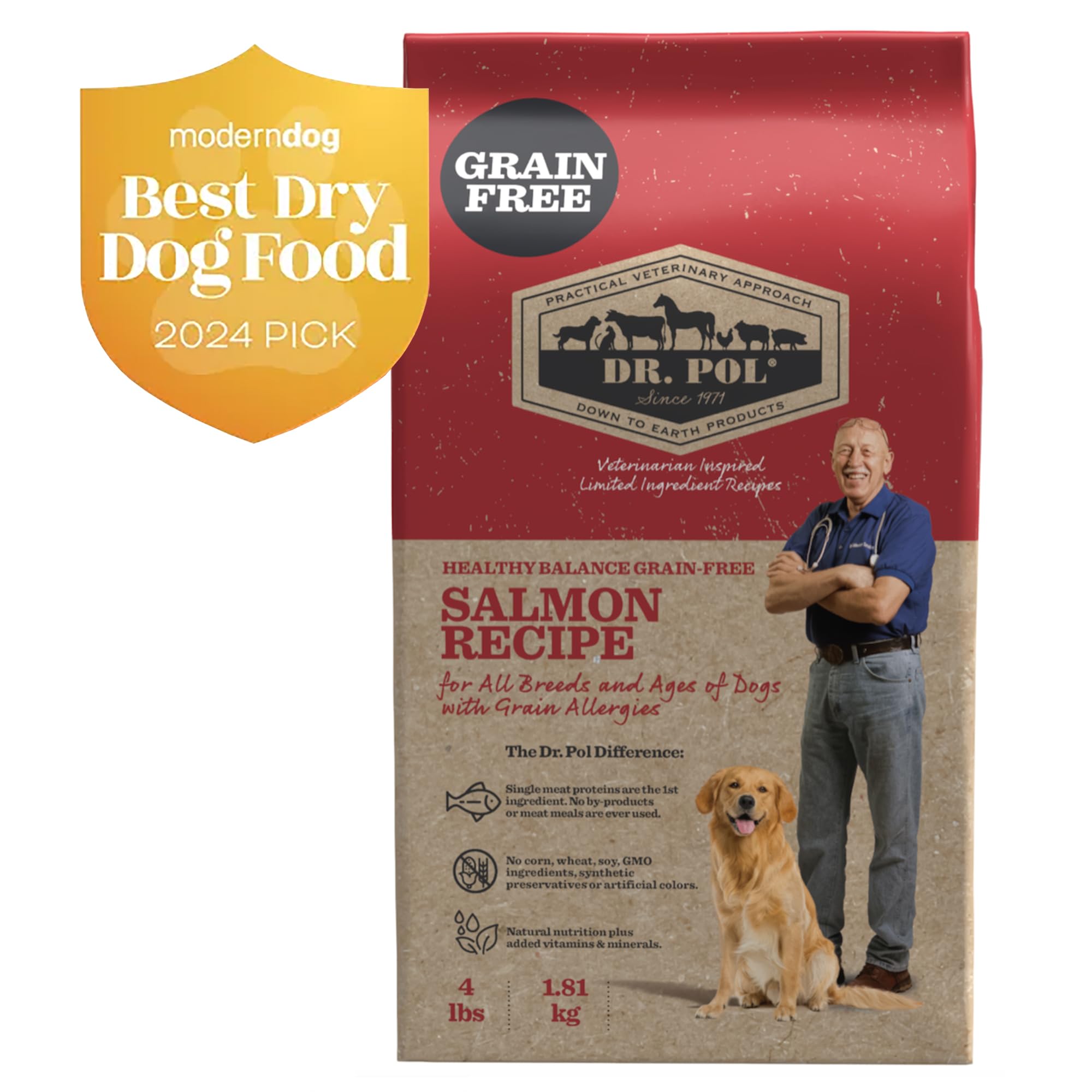
Premium brands use high-quality proteins like real chicken or salmon. They avoid fillers and artificial additives. These foods support sensitive stomachs with gentle ingredients. Some include probiotics to aid digestion. Brands like Blue Buffalo Wilderness and Wellness CORE stand out here. These options cost more but offer excellent nutrition and taste.
Budget Friendly Choices
Affordable grain free dog food can still be good for sensitive stomachs. These brands balance price and quality well. They use simple recipes with limited ingredients. Look for options like Natural Balance or Rachael Ray Nutrish. These provide good nutrition without extra cost. Perfect for pet owners on a budget.
Specialty Formulas
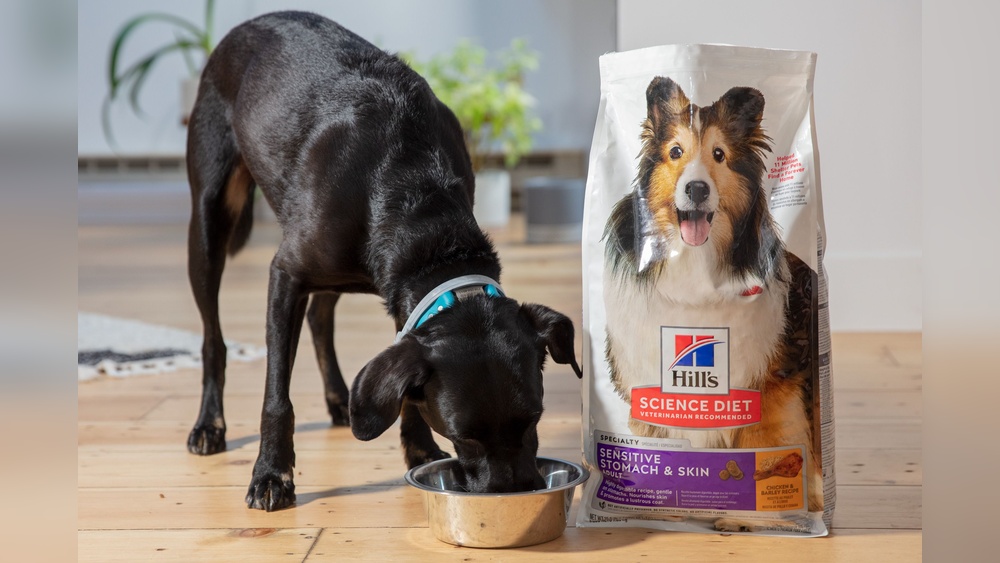
Some brands create formulas for specific health needs. These include limited ingredient diets or hypoallergenic foods. They reduce risk of allergies and improve digestion. Brands like Hill’s Science Diet and Merrick focus on these specialty diets. These foods help dogs with severe sensitivities stay healthy and happy.

Credit: www.walmart.com
How To Transition Your Dog’s Diet
Changing your dog’s food needs care and patience. A sudden switch can upset their stomach. It is best to change their diet slowly. This helps their body get used to the new food. A smooth change can keep your dog happy and healthy.
Gradual Introduction Tips
Start by mixing a small amount of new food with old food. Use about 25% new and 75% old for the first three days. Then, increase to half and half for the next three days. After that, give 75% new and 25% old food. Finally, feed only the new food. This process takes about 10 to 14 days.
Feed your dog at regular times. Avoid changing other things like treats or snacks. Keep water fresh and available at all times. Watch your dog’s eating habits closely during this period.
Monitoring For Reactions
Look for signs of stomach upset like vomiting or diarrhea. Check if your dog scratches or licks more than usual. Observe changes in energy or mood. If problems happen, slow down the transition. Go back to the old food for a few days if needed.
Keep a diary of your dog’s reactions. Note any changes in behavior or health. This helps you and your vet understand how well the new food works. Stay patient and watch closely. Your dog’s comfort is the top goal.
Signs Your Dog Benefits From Grain Free Food
Dogs with sensitive stomachs often show clear signs that grain free food suits them better. These signs help pet owners decide if switching to grain free dog food is the right choice. Watching your dog closely for changes in health and behavior is essential. Small improvements can mean a big difference in their well-being.
Improved Digestion
Grain free food can reduce digestive problems in many dogs. Look for fewer stomach upsets like gas, diarrhea, or vomiting. Your dog may have less bloating and more regular bowel movements. Better digestion means your dog feels more comfortable and energetic. This food type often includes easily digestible ingredients that do not irritate the stomach.
Better Coat And Skin Health
Grain free diets can improve your dog’s skin and coat health. Watch for less itching, redness, or dry patches on the skin. A shiny, soft coat often returns with the right nutrition. Grain free foods usually contain more natural oils and nutrients that support skin health. This change shows that your dog is absorbing nutrients better and feeling good.

Credit: ozyapicilar.com
Homemade Grain Free Dog Food Recipes
Homemade grain free dog food recipes offer a safe way to feed dogs with sensitive stomachs. These recipes avoid grains that may cause allergies or digestion issues. Preparing food at home lets you control every ingredient. This helps keep your dog healthy and happy.
Making grain free meals at home is easier than many think. You can create balanced dishes that meet your dog’s nutritional needs. Using fresh, natural ingredients supports better digestion and overall wellness.
Simple Balanced Meals
Start with a good protein source like chicken, turkey, or fish. Add vegetables such as carrots, green beans, or pumpkin. These veggies provide fiber and vitamins. Include a small amount of healthy fats, like olive oil or fish oil. This mix helps maintain energy and supports your dog’s skin and coat.
Cook the protein thoroughly and steam the vegetables lightly. Avoid seasonings, salt, or onions, as these can harm dogs. Measure portions to match your dog’s size and activity level. Keep meals fresh by making small batches and refrigerating them properly.
Safe Ingredients To Include
Choose lean meats without bones or skin. Sweet potatoes and zucchini are good carbohydrate options that are easy to digest. Use leafy greens like spinach or kale for extra nutrients. Plain pumpkin helps soothe upset stomachs and adds fiber.
Fruits such as blueberries or apples can be treats in small amounts. Avoid grapes, raisins, and citrus fruits, which can be toxic. Always check with your vet before introducing new foods. This ensures safety and helps avoid allergic reactions.
Faqs About Grain Free Dog Food
Many dog owners have questions about grain free dog food. This section answers common queries. It helps you understand if grain free food suits your pet. Learn facts and myths to make smart choices for your dog’s diet.
Is Grain Free Food Suitable For All Dogs?
Grain free food is not for every dog. Dogs with grain allergies or sensitivities benefit most. Others may do well on regular food with grains. Consult a vet before changing your dog’s diet. Watch for any changes in health or digestion.
Common Myths And Facts
Myth: Grain free means healthier food for all dogs. Fact: Some dogs need grains for energy and fiber. Myth: Grain free food causes heart problems. Fact: Heart issues relate to diet balance, not grains alone. Myth: Grain free food always costs more. Fact: Prices vary by brand and ingredients. Know the facts to feed your dog well.
Credit: www.amazon.com
Frequently Asked Questions
What Are The Benefits Of Grain Free Dog Food?
Grain free dog food helps reduce allergies and digestive issues. It suits dogs with sensitive stomachs. This food promotes better nutrient absorption and improves overall health. It avoids fillers that can cause irritation or inflammation.
How To Choose Dog Food For Sensitive Stomachs?
Look for limited ingredients and easily digestible proteins. Avoid grains, artificial additives, and fillers. Select formulas with probiotics to support gut health. Check for omega fatty acids to soothe inflammation. Consult your vet for personalized recommendations.
Can Grain Free Food Improve Dog Digestion?
Yes, grain free food often improves digestion by eliminating common irritants. It contains easily digestible ingredients that reduce stomach upset. Probiotics in these foods enhance gut flora balance. This leads to less gas, vomiting, and diarrhea.
Is Grain Free Dog Food Safe For All Breeds?
Grain free dog food is generally safe for most breeds. However, some dogs may need specific nutrients found in grains. Always consult a veterinarian before switching diets. Monitor your dog’s response and adjust if needed.
Conclusion
Choosing the right grain free dog food helps ease stomach troubles. Sensitive dogs need gentle ingredients that support digestion. Always check labels for natural, simple components. Feeding your dog this way can improve comfort and health. Trust your pet’s reactions to guide your choice.
A happy dog means a happy home. Keep your dog’s needs first, and enjoy peaceful mealtimes.