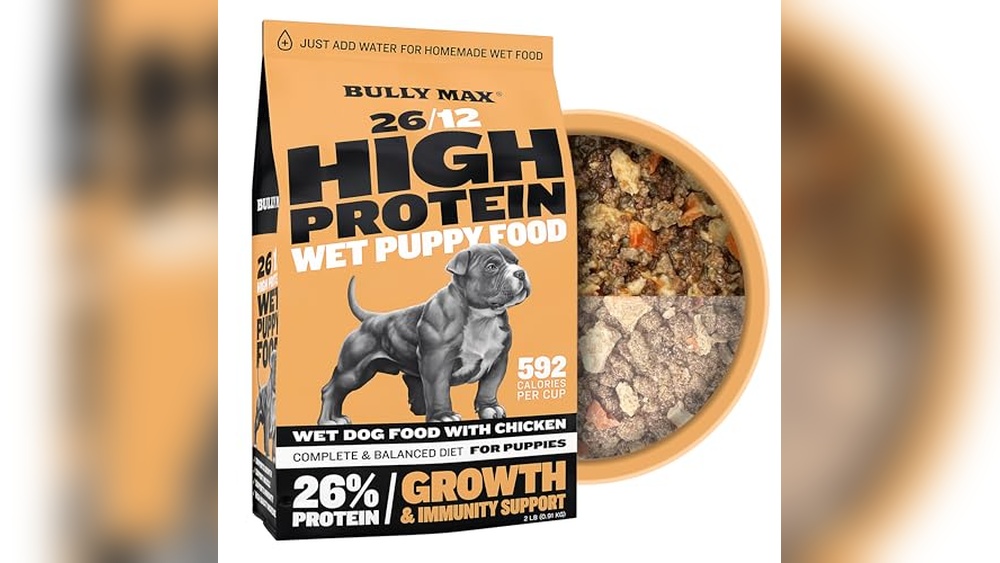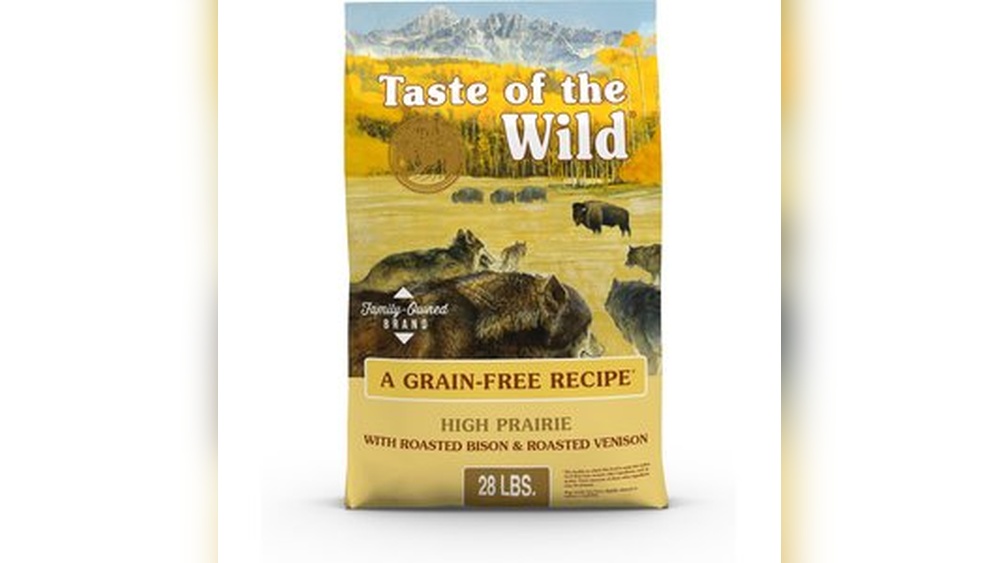
Are you worried about your dog’s health and what goes into their bowl every day? Choosing the best grain free food for dogs can make a huge difference in their energy, coat, and overall well-being.
You want your furry friend to thrive, not just survive. But with so many options out there, how do you pick the right one? Keep reading, because we’re about to reveal the top grain free dog foods that are not only healthy but also loved by pups everywhere.
Your dog deserves the best, and you’re just one step away from making that happen.
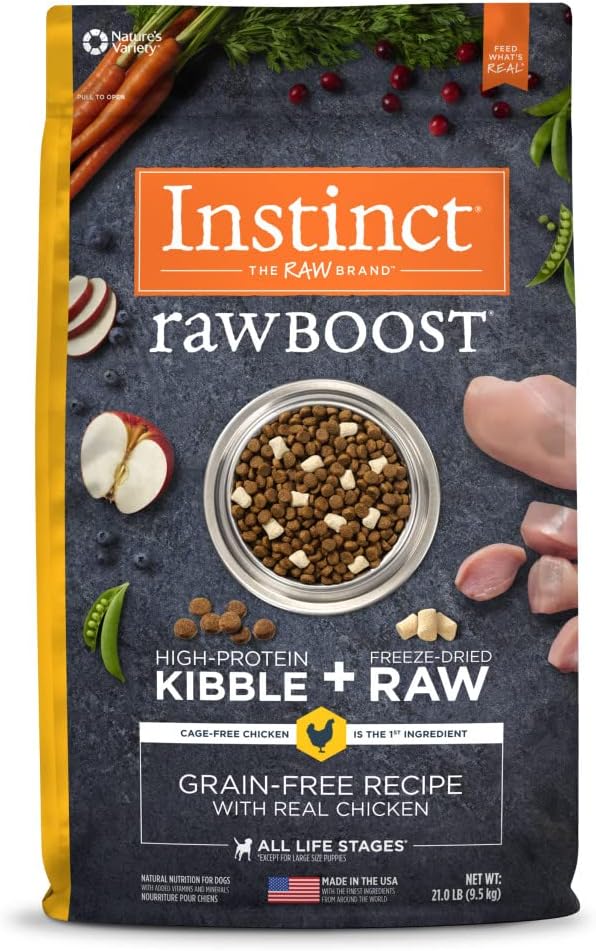
Credit: www.rover.com
Benefits Of Grain Free Dog Food
Grain free dog food offers many health benefits for your pet. It can improve digestion and reduce allergies. Dogs often feel better and more energetic on grain free diets. Their skin and coat also show visible improvements.
Improved Digestion
Grain free dog food uses ingredients that are easier to digest. Many dogs have trouble breaking down grains. Removing grains lowers the risk of stomach upset and diarrhea. Your dog’s digestive system works more smoothly and comfortably.
Allergy Reduction
Grains are common allergens in dog food. Grain free diets help reduce allergic reactions. Dogs may experience less itching, redness, and inflammation. This diet supports a healthier immune system over time.
Better Skin And Coat
Grain free food often contains more natural fats and oils. These nutrients improve skin hydration and shine. Dogs develop softer, shinier coats with less dandruff. Healthy skin means less scratching and discomfort.
Enhanced Energy Levels
Dogs digest grain free food more efficiently. This means they get more energy from their meals. Many dogs feel livelier and more playful. Consistent energy helps maintain a healthy weight and fitness.
Key Ingredients To Look For
Choosing the best grain free food for dogs means knowing which ingredients truly matter. Grain free does not just mean no grains. It means the food must have good nutrients that keep your dog healthy and happy. Some ingredients help build strong muscles and keep energy high. Others support digestion and overall wellness. These key ingredients work together to give your dog a balanced diet.
High Quality Proteins
Proteins are the building blocks of your dog’s body. Good grain free dog food uses real meat like chicken, beef, or fish. These proteins provide essential amino acids for muscle growth and repair. Avoid foods with vague meat sources like “meat meal” or “animal by-products.” High quality proteins help maintain strong muscles and a shiny coat.
Healthy Fats
Fats give your dog energy and support brain health. Look for foods with healthy fats from sources like fish oil or flaxseed. These fats contain omega-3 and omega-6 fatty acids. They reduce inflammation and keep skin soft. Healthy fats also improve your dog’s immune system and help with joint health.
Essential Vitamins And Minerals
Vitamins and minerals keep your dog’s body working well. Good grain free food includes vitamins A, D, E, and B-complex. Minerals like calcium, zinc, and iron are important for bones and blood health. These nutrients help your dog stay active and strong every day.
Natural Fiber Sources
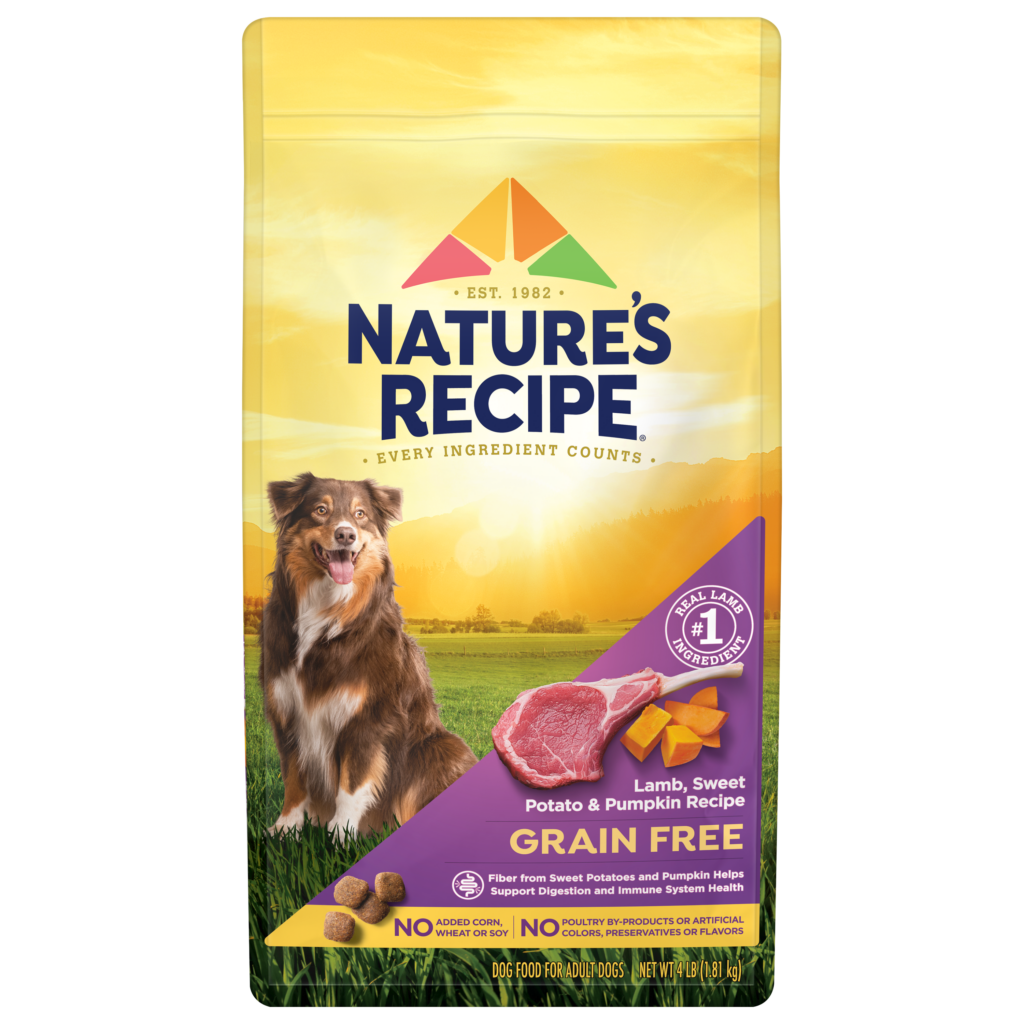
Fiber aids digestion and keeps your dog’s tummy comfortable. Look for natural fiber from ingredients like sweet potatoes, peas, or pumpkin. These fibers promote healthy bowel movements and prevent digestive issues. Natural fiber also helps control blood sugar levels and supports weight management.
Top Grain Free Dog Foods In 2025
Grain free dog food has become very popular in 2025. Many pet owners choose these foods to support their dogs’ health. Grain free diets can help dogs with allergies and digestion problems. The market offers many options, from dry kibble to wet food and treats. This guide highlights the best grain free dog foods available today.
Premium Dry Kibble Options
Dry kibble remains a favorite for many dog owners. Premium grain free kibble often uses high-quality proteins like chicken, beef, or fish. These formulas avoid corn, wheat, and soy, which can cause allergies. Many brands add vegetables and fruits for extra nutrients. Look for kibble with balanced vitamins and minerals to support your dog’s health.
Best Wet Food Choices
Wet dog food offers a tasty and moist alternative to dry kibble. Grain free wet foods often include real meat and broth. These meals are easy to digest and can be more appealing to picky eaters. Many wet foods contain natural ingredients without fillers. They help keep your dog hydrated and satisfied at mealtime.
Grain Free Treats
Treats are important for training and rewarding good behavior. Grain free treats avoid grains that may upset sensitive stomachs. Many use simple ingredients like sweet potatoes, chicken, or pumpkin. These treats support dental health and provide energy. Choose treats that match your dog’s size and dietary needs.
Specialty Diets
Some dogs need special diets for health reasons. Grain free specialty diets cater to allergies, weight control, and sensitive digestion. These formulas often include limited ingredients and novel proteins. Veterinary-approved grain free diets help manage chronic conditions. Always consult your vet before changing your dog’s diet.
Choosing The Right Food For Your Dog
Choosing the right food for your dog is important for their health and happiness. Dogs have different needs based on many factors. Picking grain free food can help avoid allergies and digestive issues. Knowing your dog’s specific needs makes feeding easier and more effective.
Age And Life Stage Considerations
Puppies need more energy and nutrients for growth. Adult dogs require balanced food to maintain their weight. Senior dogs benefit from food that supports joints and digestion. Grain free options come in formulas for every life stage.
Size And Breed Needs
Small breeds need small kibble and nutrient-rich food. Large breeds require food that supports strong bones and muscles. Some breeds have special dietary needs due to genetics. Grain free foods offer choices tailored to breed size and type.
Health Conditions
Some dogs have allergies or sensitive stomachs. Grain free food often reduces allergic reactions. Dogs with kidney or liver issues need special diets. Always check with a vet before changing food for health reasons.
Taste Preferences
Dogs can be picky eaters. Grain free food comes in many flavors like chicken, beef, and fish. Trying different flavors helps find what your dog likes best. Feeding time becomes more enjoyable with tasty options.
Common Myths About Grain Free Diets
Many pet owners have questions about grain free diets for dogs. Some ideas about these diets are not true. Knowing the facts helps you choose the best food for your dog. Here are some common myths about grain free diets explained clearly.
Grains Are Always Harmful
Some believe grains always cause problems for dogs. This is not true. Most dogs digest grains like rice and oats well. Grains can provide energy and fiber. Only a few dogs have allergies or sensitivities to grains. Grain free does not mean healthier for all dogs.
Grain Free Means Limited Nutrition
Another myth says grain free foods lack nutrition. Grain free dog food can have all needed nutrients. These foods use other ingredients like potatoes or peas for energy. Good grain free diets include vitamins, minerals, and protein. Nutrition depends on the whole recipe, not just grains.
Risks Of Grain Free Diets
Some reports link grain free diets to heart issues in dogs. These reports focus on certain ingredients replacing grains. More research is needed to fully understand risks. Talk to your vet before changing your dog’s food. Watch your dog’s health and energy on any diet.
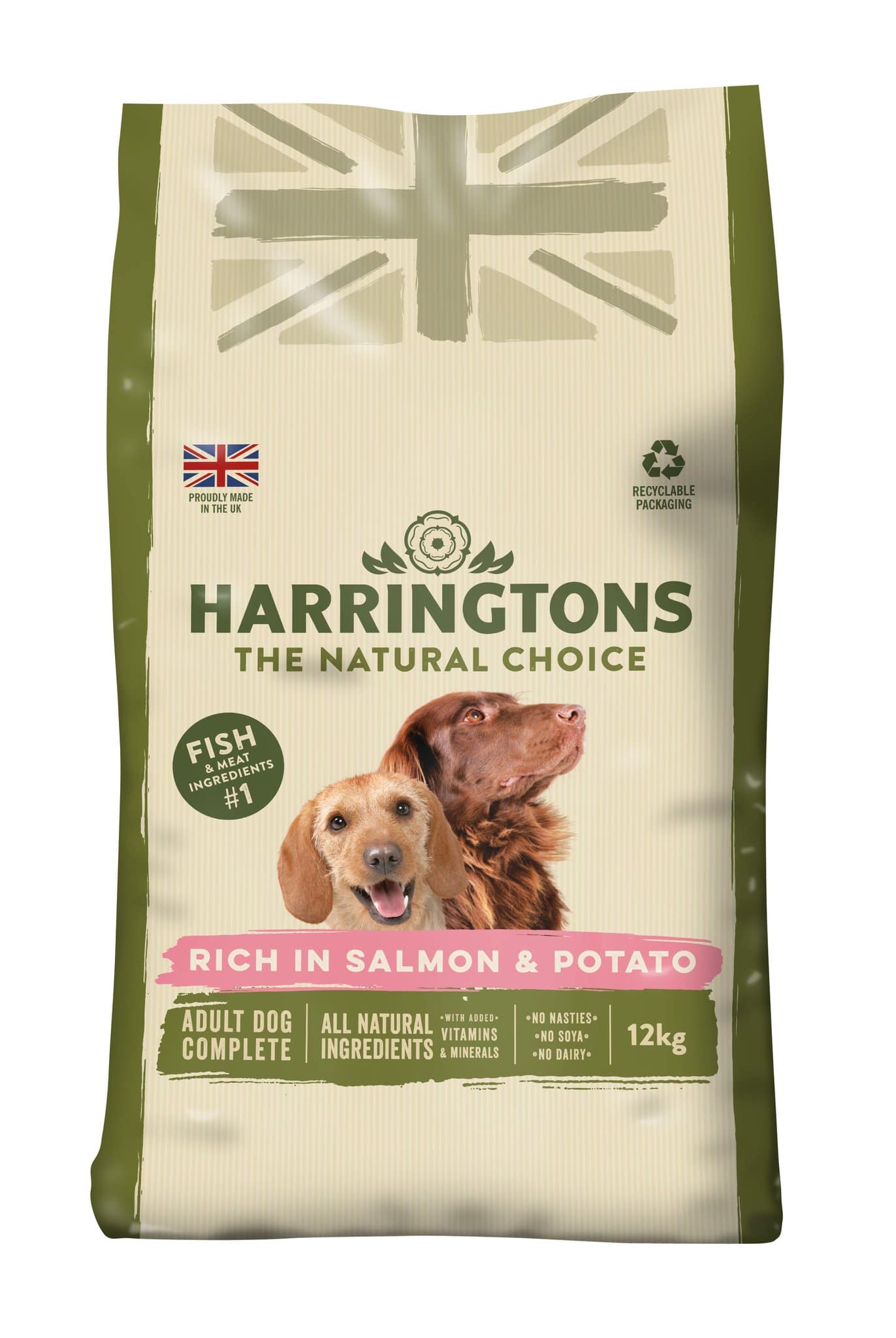
Credit: allo.com
Tips For Transitioning To Grain Free Food
Switching your dog to grain free food needs care and patience. Sudden changes can upset your dog’s stomach. A smooth transition helps your dog accept the new food easily. Watch your dog closely during this change. This section shares useful tips to guide you through the process.
Gradual Switching Process
Start by mixing a small amount of grain free food with your dog’s current food. Increase the grain free portion slowly over 7 to 10 days. This slow change helps your dog’s digestive system adjust. Avoid giving only grain free food on the first day. Mixing the foods keeps your dog comfortable and less stressed.
Monitoring Your Dog’s Response
Observe your dog’s behavior and health each day. Check for signs like vomiting, diarrhea, or lack of appetite. Watch for skin changes or itching, which may show allergies. Note any positive changes like more energy or better coat condition. Keep a daily record to track progress and spot issues early.
When To Consult A Vet
Contact your vet if your dog shows severe symptoms. Persistent vomiting or diarrhea needs immediate attention. If your dog refuses food for several days, seek help. Your vet can suggest the best diet for your dog’s needs. Professional advice ensures your dog stays healthy during the switch.
Credit: www.naturesrecipe.com
Frequently Asked Questions
What Are The Benefits Of Grain Free Dog Food?
Grain free dog food reduces allergies and improves digestion. It suits dogs with grain sensitivities and promotes healthier skin and coat. Many owners report increased energy and reduced inflammation with grain free diets.
Which Ingredients Replace Grains In Grain Free Dog Food?
Common grain substitutes include sweet potatoes, peas, lentils, and chickpeas. These provide carbohydrates and fiber while avoiding potential allergens. High-quality protein sources like chicken, fish, or beef are also emphasized.
Is Grain Free Dog Food Suitable For All Dogs?
Grain free food suits dogs with grain allergies or sensitivities best. Healthy dogs without allergies may not need grain free diets. Always consult a vet before switching to ensure it meets your dog’s nutritional needs.
Can Grain Free Diets Cause Health Risks In Dogs?
Some studies link grain free diets to heart issues, but evidence is inconclusive. Balanced nutrition is key, regardless of diet type. Consult your vet to choose the safest food for your dog.
Conclusion
Choosing the best grain free food helps your dog stay healthy. Many dogs feel better without grains in their diet. Grain free options can support digestion and reduce allergies. Always check ingredients for quality and nutrition balance. Talk to your vet before changing your dog’s food.
Happy dogs mean happy owners. Feeding the right food shows you care. Small changes can make a big difference. Keep your dog active and well-fed every day.