Are you looking for the perfect running buddy who never complains and always keeps up? Finding the best dog to run with you can turn your workouts into a fun, motivating experience.
Imagine having a furry friend who matches your pace, boosts your energy, and makes every mile feel shorter. You’ll discover which dog breeds are the best partners for your running routine. Whether you’re a beginner or a seasoned runner, these dogs will inspire you to lace up your shoes and hit the road together.
Keep reading to find your ideal running companion!
Credit: armpocket.com
Benefits Of Running With Dogs
Running with dogs offers many advantages beyond simple exercise. It creates a shared activity that benefits both you and your pet. Dogs motivate you to stay active and make workouts more enjoyable. The experience improves your health, mood, and relationship with your furry friend.
Physical Health Perks
Running with a dog helps increase your daily exercise. Dogs run at a steady pace, encouraging you to maintain consistent speed. This builds endurance and strengthens muscles. Regular running improves heart health and lung capacity. Dogs also push you to run longer and more often. Both you and your dog burn calories and stay fit together.
Mental Boosts
Running with a dog reduces stress and anxiety. The presence of a pet comforts and calms the mind. Exercise releases endorphins that improve mood. Dogs bring joy and fun to running sessions. This positive experience can help fight depression. Focusing on your dog distracts from worries and negative thoughts.
Strengthening The Bond
Running together builds trust and loyalty between you and your dog. Shared activities deepen your connection and understanding. Training your dog to run beside you teaches discipline. This teamwork improves communication and obedience. Spending active time together strengthens your friendship. Your dog feels loved and valued through regular exercise.
Key Traits Of Running Dogs
Choosing the right dog to run with can make your exercise more fun and safe. Some dogs have special traits that make them better running partners. These traits help them keep up with you and enjoy the activity. Understanding these key traits will guide you to pick the best running dog.
Endurance And Stamina
Running dogs need strong endurance to keep moving without tiring. They can run longer distances without stopping. Stamina helps dogs stay active and happy during runs. Look for breeds known for high energy and lasting power.
Temperament And Trainability
A good running dog listens well and follows commands. Calm and focused dogs are safer on busy paths. Trainable dogs learn running rules quickly. They stay close and avoid distractions. Choose dogs that enjoy working with you.
Size And Pace Compatibility
Size affects how fast and far a dog can run. Small dogs might struggle on long or fast runs. Large dogs can match faster paces and longer distances. Pick a dog whose size fits your running speed and route.
Top Energetic Breeds For Runners
Running with a dog makes exercise more fun and motivating. Some dog breeds have high energy and love to run. These breeds can keep up with your pace and enjoy long runs.
Choosing the right breed helps you enjoy every run. Here are some of the top energetic breeds for runners.
Labrador Retriever
Labradors are friendly and strong. They have great stamina for long runs. Their playful nature keeps the run exciting. Labs enjoy outdoor activities and love to stay active.
Border Collie
Border Collies are smart and quick. They have endless energy and need regular exercise. Their agility makes them perfect running partners. They also enjoy mental challenges during runs.
Vizsla
Vizslas are lean and fast. They have high endurance and love to run. These dogs bond closely with their owners. They thrive on daily exercise and attention.
Australian Shepherd
Australian Shepherds are alert and active. Their energy lasts for long distances. They enjoy running in open spaces. These dogs respond well to training and commands.
Weimaraner
Weimaraners are strong and fast runners. They have a sleek build perfect for speed. These dogs need regular exercise to stay happy. They form strong bonds with their runners.
Siberian Husky
Siberian Huskies have incredible endurance. They were bred for long-distance running. Their thick coat suits cold weather runs. Huskies love to run in packs or with people.
Dalmatian
Dalmatians are energetic and steady runners. They have a unique build for endurance. These dogs enjoy running daily to burn energy. They stay motivated by company and challenges.
Rhodesian Ridgeback
Rhodesian Ridgebacks are strong and fast. They have great stamina for long runs. These dogs are loyal and protective. They enjoy running in open areas and trails.
Credit: www.fix.com
Training Tips For Running With Dogs
Running with your dog is a fun way to stay active together. Training helps your dog enjoy the run and stay safe. Start with simple steps and build from there. Patience is key. Let’s explore some training tips to make running with your dog smooth and safe.
Building Endurance Gradually
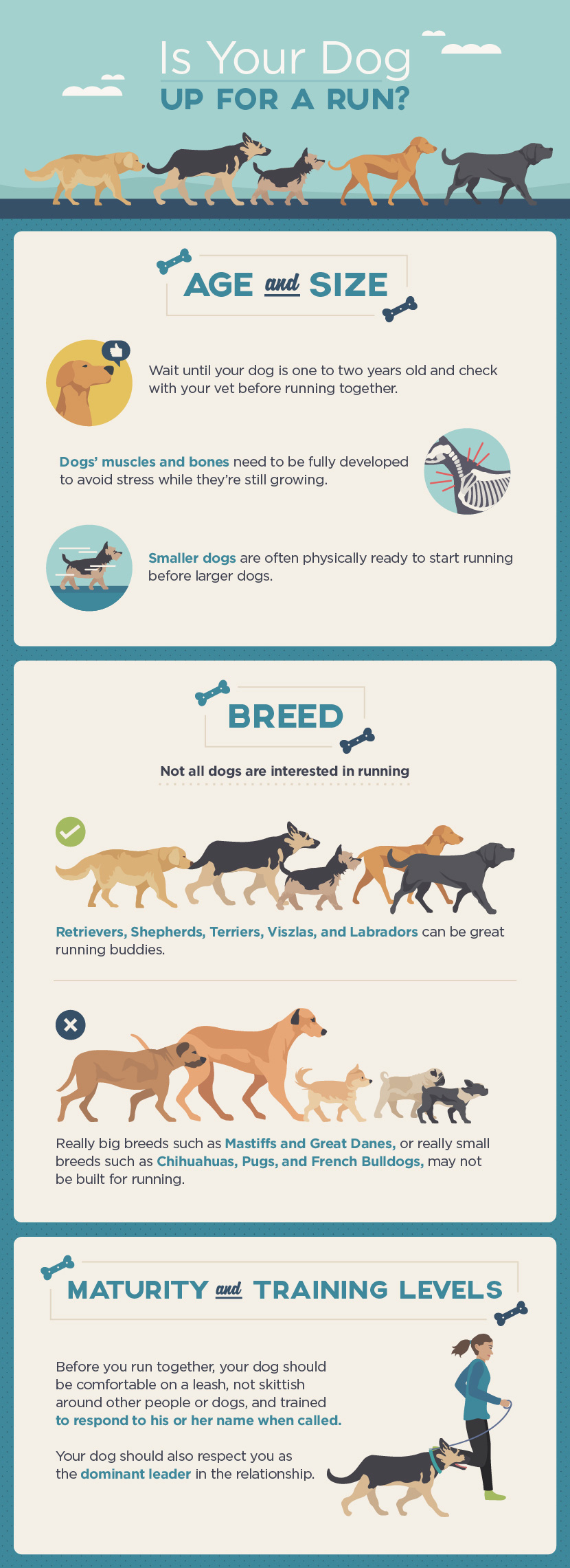
Begin with short runs to help your dog get used to running. Increase the distance slowly over weeks. Watch your dog’s energy and breathing. Stop if your dog seems tired or struggles to keep up. Rest days are important for recovery. This steady approach builds strong muscles and good stamina.
Safety And Hydration
Keep water handy for both you and your dog. Offer water breaks often, especially on hot days. Avoid running on very hot or cold surfaces. Look out for signs of overheating or exhaustion. Choose safe, quiet routes away from busy roads. Protect your dog’s paws from rough or hot ground.
Using Proper Gear
Use a well-fitted harness instead of a collar to prevent neck strain. Choose a leash that gives you control but allows some freedom. Reflective gear helps you and your dog stay visible in low light. Consider dog shoes if running on harsh surfaces. Proper gear keeps your dog safe and comfortable on runs.
Common Challenges And Solutions
Running with your dog is fun but can bring some challenges. Understanding these common issues helps you enjoy your runs more. Each dog is different, so some problems may come up. Here are ways to handle common running challenges with your dog.
Dealing With Overexcitement
Dogs often get too excited before or during runs. They may pull on the leash or jump around. This can make running hard and unsafe. Teach your dog to stay calm before starting. Use commands like “sit” or “stay” to control excitement. Practice short runs and reward good behavior. Over time, your dog learns to run calmly beside you.
Handling Weather Conditions
Weather affects both you and your dog during runs. Hot days can cause overheating or paw burns. Cold weather may make your dog’s paws sore or stiff. Choose cooler times for running in summer, like early morning or evening. Use protective paw wax or boots for rough surfaces. Dress your dog in a coat if it is very cold. Always carry water to keep your dog hydrated.
Managing Different Running Paces
Dogs have different energy levels and speeds. Some run fast, others prefer a slow jog. Match your running pace to your dog’s comfort. Start with short distances at a slow pace. Watch your dog’s breathing and body language. Stop if your dog seems tired or stressed. Gradually increase distance and speed as your dog gets stronger. This keeps running safe and enjoyable for both of you.
Credit: runningmagazine.ca
Adjusting Runs For Dog’s Age And Health
Running with your dog is a great way to stay active together. Each dog needs a different running plan. Age and health play a big role in how much your dog should run. Adjusting runs helps keep your dog safe and happy. It also helps avoid injuries and tiredness. Pay attention to your dog’s needs and limits. This way, running stays fun for both of you.
Puppies And Young Dogs
Puppies have growing bones and joints. Long runs can hurt them. Keep runs short and slow for young dogs. Frequent breaks help them rest and stay safe. Avoid hard surfaces that can stress their paws. Let puppies explore at their own pace. Watch for signs of tiredness or discomfort. Playful walks build strength before running.
Senior Dogs
Older dogs need gentler exercise. Their joints may be stiff or sore. Shorter, slower runs work best for seniors. Soft trails protect their paws and joints. Monitor breathing and energy closely. End runs early if your dog shows tiredness. Gentle stretching before and after helps flexibility. Walking combined with light running suits most senior dogs.
Health Checks Before Running
Check your dog’s health before starting runs. Visit a vet for a full health check. Make sure your dog has no heart or joint problems. Regular check-ups keep your dog safe during exercise. Watch for signs like limping or coughing. Stop running if your dog shows pain. A healthy dog enjoys running more and recovers faster.
Frequently Asked Questions
What Breeds Are Best For Running Companions?
Breeds like Border Collies, Vizslas, and Labrador Retrievers excel as running partners. They have high energy and endurance, making them ideal for long runs and active lifestyles.
How To Train A Dog For Running?
Start with short runs and gradually increase distance. Use positive reinforcement and ensure the dog is comfortable and healthy before intense runs.
Can All Dogs Run Long Distances?
No, not all dogs are suited for long-distance running. Breeds with respiratory or joint issues should avoid strenuous running to prevent health problems.
What Age Is Best To Start Running With A Dog?
Wait until your dog is fully grown, usually 12-18 months. Running too early can harm developing bones and joints.
Conclusion
Choosing the right dog makes running more fun and safe. These breeds enjoy exercise and keep a steady pace. They also have energy to match your runs. A good running partner boosts your motivation every day. Remember to start slow and build up time together.
Enjoy the fresh air and the bond you create. Running with your dog brings health and happiness to both. Find your perfect running buddy and hit the trail!