

If you have a small dog, you want the best food to keep them healthy and happy. Choosing grain-free dog food can be a smart move if your furry friend has allergies or sensitive digestion.
But with so many options out there, how do you know which one is right for your little companion? This guide will help you find the best grain-free dog food for small breeds, so your pup gets the nutrition they need without any unwanted fillers.
Keep reading to discover top picks that will make mealtime both tasty and safe for your small dog.
:strip_icc()/Spruce-best-dog-food-for-allergies-4173781-024027f06d344cd8acf7267d38694fa3.jpg)
Credit: www.abc-usa.org
Benefits Of Grain-free Diets
Grain-free diets have gained popularity among dog owners, especially for small breeds. These diets remove grains like wheat, corn, and rice. Many dogs digest grain-free food better. Some small breeds may feel more energetic and healthier on these diets. Understanding the benefits helps pet owners choose the best food.
Grain-free diets focus on proteins and vegetables. These ingredients often match a dog’s natural eating habits. Many small dogs have sensitive stomachs. Grain-free food can ease digestion problems and promote overall health.
Improved Digestion
Grains can cause stomach upset in some dogs. Grain-free diets use alternative carbohydrates like sweet potatoes. These are easier to digest for many small breeds. This change reduces bloating and gas. Dogs may have fewer stomach issues and better bowel movements.
Reduced Allergies
Grains are a common allergen for dogs. Grain-free food lowers the risk of allergic reactions. Dogs may show less itching, redness, and ear infections. Choosing grain-free options can help sensitive dogs feel more comfortable. It often leads to fewer vet visits for allergy treatments.
Better Skin And Coat
Healthy skin and a shiny coat show a dog’s well-being. Grain-free diets include more natural fats and oils. These nutrients improve skin hydration and reduce dryness. Many owners notice softer fur and less shedding. Grain-free food supports a healthy, glossy coat in small breeds.
Key Nutrients For Small Breeds
Small breed dogs need special nutrition. Their fast metabolism and active nature demand the right nutrients. Choosing grain-free dog food means focusing on quality ingredients that support their health. Key nutrients help maintain energy, strong muscles, and a shiny coat. Understanding these nutrients guides you to pick the best food for your small dog.
Protein Sources
Protein builds muscles and repairs tissues. Small breeds need high-quality protein from meat or fish. Chicken, turkey, lamb, and salmon are excellent choices. These proteins provide essential amino acids. Avoid fillers like soy or corn protein. Real meat ensures better digestion and energy.
Essential Fats
Fats supply energy and support brain function. Omega-3 and Omega-6 fatty acids keep skin healthy. Fish oil and flaxseed are rich in these fats. Small dogs benefit from fats that reduce inflammation. Good fats also help keep their coat shiny and soft.
Vitamins And Minerals
Vitamins and minerals boost immunity and bone strength. Vitamin A, E, and B-complex are vital. Calcium and phosphorus maintain strong teeth and bones. Natural sources like fruits and vegetables add these nutrients. Balanced vitamins and minerals improve overall health and vitality.
Top Grain-free Dog Food Brands
Choosing the right grain-free dog food is important for small breeds. Quality brands use healthy ingredients that support your dog’s energy and digestion. Many options fit different budgets and special needs.
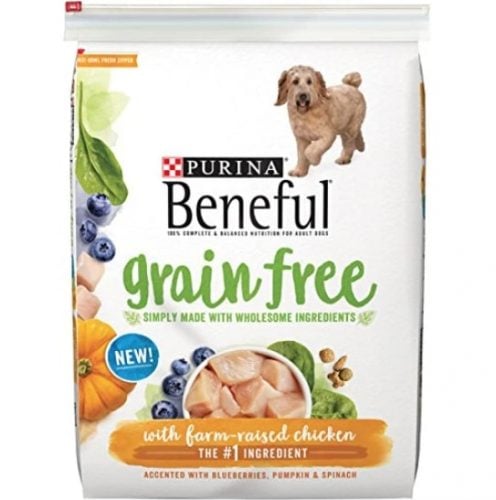
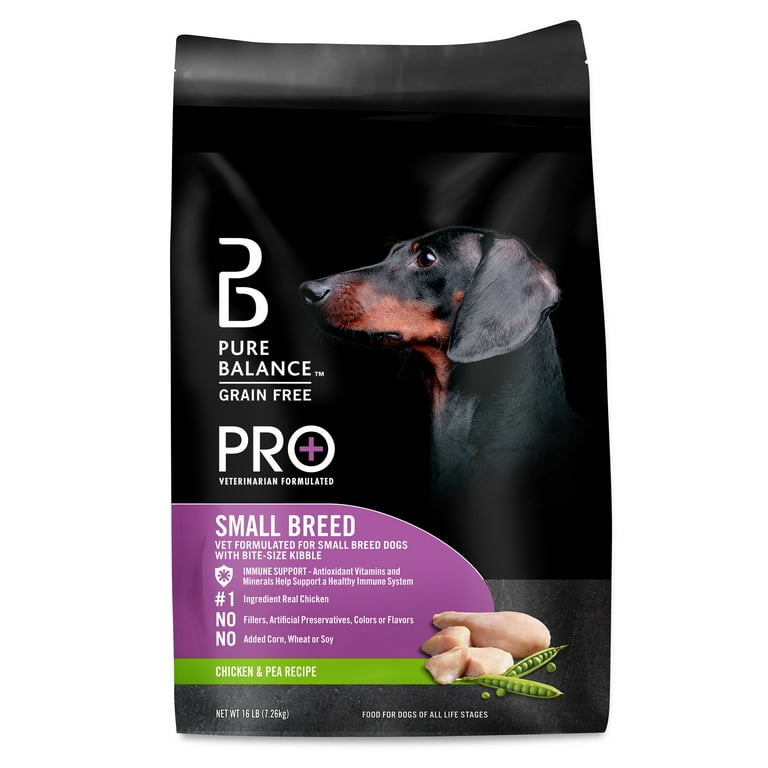
Here are some top grain-free dog food brands that small dogs enjoy. Each offers unique benefits and focuses on wholesome nutrition.
Premium Options
Premium grain-free dog foods contain high-quality proteins like real chicken or fish. They include natural ingredients and avoid fillers. These brands often add vitamins and minerals for balanced health. Expect rich flavors that small dogs prefer. They suit owners who want the best nutrition and can invest a bit more.
Budget-friendly Choices
Budget-friendly grain-free foods still provide good nutrition without a high price. These brands use simple recipes with essential nutrients. They avoid artificial colors and flavors. Great for owners who want to feed well but save money. Small dogs get enough energy and nutrients to stay healthy.
Specialty Formulas
Specialty grain-free dog foods target specific health needs. Some focus on sensitive stomachs, allergies, or weight control. These formulas use limited ingredients to reduce risks. They often include added supplements like omega fatty acids. Perfect for small dogs with unique dietary needs or health concerns.
Credit: help.sc.ug
Choosing The Right Food For Your Dog
Choosing the right food for your small breed dog is very important. Small dogs have different needs than larger dogs. Their metabolism works faster, and they often need more calories per pound. Grain-free dog food can be a good choice if your dog has special dietary needs or sensitivities.
Understanding what to look for helps you pick the best option. This keeps your dog healthy and happy. Consider your dog’s unique health conditions and preferences. Always aim for balanced nutrition and quality ingredients.
Reading Labels
Start by reading the food label carefully. Check the first ingredients listed. They should be real meat or fish, not fillers. Avoid foods with corn, wheat, or soy. These are common grains that can cause issues in some dogs. Look for vitamins and minerals to ensure balanced nutrition. Avoid artificial colors, flavors, and preservatives. These can harm your dog’s health over time.
Considering Allergies
Some small dogs suffer from allergies or food sensitivities. Grain-free food helps reduce these problems. Watch for signs like itching, ear infections, or upset stomach. These may mean an allergy. Choose foods with limited ingredients to spot the problem easier. Avoid common allergens like chicken or beef if your dog reacts to them. Try novel proteins like duck or salmon instead. This can help reduce allergic reactions and improve your dog’s comfort.
Consulting Your Vet
Your vet knows your dog’s health best. Discuss diet changes before switching food. Your vet can recommend the best grain-free options. They may suggest special formulas for allergies or health issues. Regular check-ups ensure the food works well for your dog. Share any changes in behavior or health after switching food. This helps your vet adjust the diet if needed. Trusting your vet keeps your dog’s health on track.
Homemade Grain-free Recipes
Homemade grain-free recipes offer a natural way to feed small breed dogs. These meals avoid grains like wheat, corn, and rice. Many dogs with allergies or sensitive stomachs benefit from grain-free diets. Cooking at home allows control over ingredients and freshness. It also helps tailor meals to your dog’s tastes and needs.
Simple Meal Ideas
Start with lean proteins such as chicken, turkey, or fish. Add vegetables like carrots, green beans, or peas. Use sweet potatoes or pumpkin for healthy carbohydrates. Mix ingredients well and cook thoroughly. Avoid using spices or seasonings. Serve small portions that fit your dog’s size.
Balancing Nutrients
Protein should make up a large part of the meal. Include healthy fats from sources like fish oil or flaxseed oil. Vegetables provide fiber and vitamins. Calcium is important for strong bones. Add crushed eggshells or a dog-safe supplement. Keep meals varied to cover all nutrients.
Safety Tips
Check every ingredient for toxicity to dogs. Avoid onions, garlic, grapes, and chocolate. Always cook meat to kill harmful bacteria. Introduce new foods slowly to monitor reactions. Store leftovers in the fridge and use quickly. Consult a vet before changing your dog’s diet.
Common Myths About Grain-free Dog Food
Grain-free dog food often faces many myths. These myths confuse pet owners about what is best for small breeds. Understanding the facts helps choose the right food for your dog’s health and happiness.
Debunking Misconceptions
One myth says grain-free food lacks important nutrients. This is not true. Good grain-free dog food has balanced ingredients that support health. Another myth claims grain-free diets cause heart problems. Studies show no direct link in most cases. Some believe grains always cause allergies. Allergies depend on the dog, not just grains. Grain-free options can help dogs with grain sensitivities but are not always necessary.
Scientific Insights
Science shows dogs digest grains well in most diets. Nutrients in grains support energy and digestion. Grain-free formulas replace grains with other carbs like potatoes or peas. These alternatives provide essential nutrients, too. Research continues on diet impacts, but no clear harm exists from grain-free food alone. Always choose dog food that meets AAFCO standards for nutrition. Consult a vet for diet advice based on your dog’s needs.
Credit: www.walmart.com
Frequently Asked Questions
What Are The Benefits Of Grain-free Dog Food For Small Breeds?
Grain-free dog food reduces allergies and improves digestion in small breeds. It often contains higher protein and fewer fillers, promoting better energy and coat health. This diet suits dogs with grain sensitivities or allergies.
How To Choose The Best Grain-free Food For Small Dogs?
Look for high-quality protein sources, essential nutrients, and no artificial additives. Ensure it meets AAFCO standards. Consider your dog’s age, weight, and health when selecting a grain-free formula tailored for small breeds.
Are Grain-free Diets Safe For All Small Dog Breeds?
Grain-free diets are generally safe but consult your vet first. Some small breeds may require specific nutrients found in grains. Monitor your dog’s health and adjust the diet if any issues arise.
Can Grain-free Food Help With Small Dog Allergies?
Yes, grain-free diets can reduce symptoms caused by grain allergies. Eliminating grains often decreases itching, skin irritation, and digestive problems in sensitive small dogs.
Conclusion
Choosing the best grain-free dog food helps your small breed stay healthy. Grain-free options can reduce allergies and improve digestion. Always check ingredient lists for quality and nutrition. Feeding your dog right supports energy and a shiny coat. Small dogs have special needs; feeding them well matters.
Trust your knowledge to pick food that suits your pet. Keep your dog happy and active with good nutrition. Simple choices lead to a healthier, longer life for your furry friend.


