

If your dog is scratching, itching, or showing signs of skin allergies, you know how tough it can be to watch them uncomfortable. What you feed your furry friend plays a huge role in calming those irritated spots and boosting their overall skin health.
Choosing the best food for skin allergies in dogs isn’t just about avoiding symptoms—it’s about giving your pet real relief and a happier, healthier life. Keep reading to discover which foods can make a difference and how you can help your dog feel their best every day.
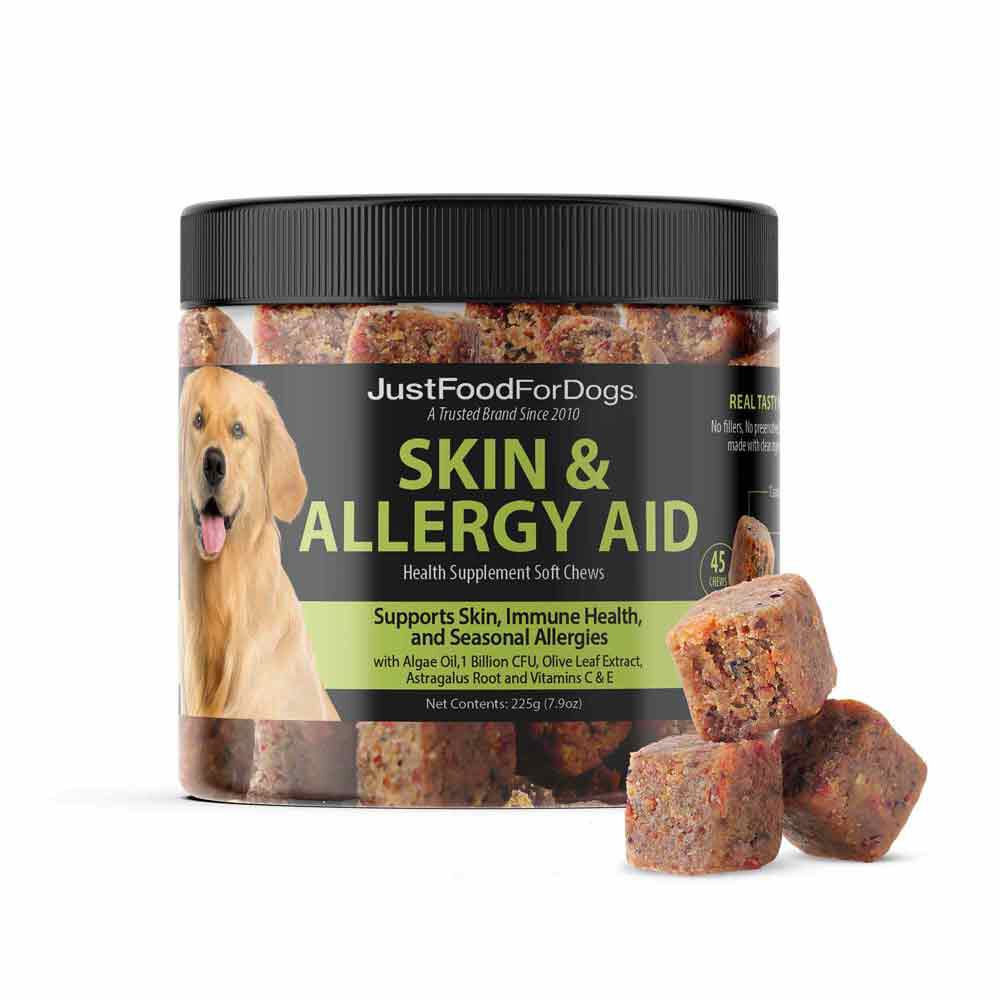
Credit: www.justfoodfordogs.com
Common Skin Allergies In Dogs
Skin allergies in dogs are common and can cause discomfort. They affect your pet’s skin and fur. Allergies may lead to itching, redness, and hair loss. Knowing the signs and causes helps in managing the problem well.
Symptoms To Watch
Itching is the most obvious symptom of skin allergies. Dogs may scratch or bite their skin often. Red and inflamed patches can appear on the body. Hair loss in spots is also common. Some dogs develop scabs or sores from constant scratching. You might notice a bad smell from the skin. Paw licking or chewing may increase too. Keep an eye out for any changes in your dog’s skin health.
Triggers And Causes
Several factors can trigger skin allergies in dogs. Food allergies are a frequent cause. Common allergens include beef, chicken, dairy, and grains. Environmental factors like pollen, dust mites, and mold also trigger reactions. Flea bites cause allergic reactions for some dogs. Contact allergies happen from exposure to certain shampoos or plants. Genetics play a role; some breeds are more prone to allergies. Identifying the cause helps in choosing the best food and care.
Role Of Diet In Skin Health
Diet plays a key role in maintaining your dog’s skin health. The food your dog eats can either calm or worsen skin allergies. Choosing the right diet helps reduce itching, redness, and irritation. Nutrients from food support the skin’s natural barrier and immune system. A healthy diet means a happy, comfortable dog with clear skin.
Nutrients That Soothe Allergies
Omega-3 fatty acids help reduce inflammation in the skin. They come from fish oils like salmon and sardines. Vitamin E protects skin cells and supports healing. Zinc helps the skin repair and stay strong. Probiotics improve digestion and boost the immune system. These nutrients work together to calm allergic reactions. Including them in your dog’s diet can ease skin problems.
Foods To Avoid
Certain foods can trigger or worsen skin allergies. Common offenders include beef, dairy, wheat, and soy. These ingredients often cause itching and rashes. Artificial additives and preservatives may also harm sensitive skin. Avoid feeding your dog table scraps or processed treats. Sticking to a simple, natural diet reduces allergy risks. Reading labels carefully helps keep your dog safe.
Top Healing Diets For Skin Allergies
Choosing the right diet can help soothe your dog’s skin allergies. Certain foods reduce irritation and support healing. A healing diet focuses on ingredients that are gentle and nourishing.
Many dogs benefit from special diets made to avoid common allergens. These diets help lower inflammation and improve skin health over time.
Hypoallergenic Dog Foods
Hypoallergenic dog foods contain proteins that rarely cause allergies. They often use novel protein sources like duck or venison. These foods avoid common triggers like beef and chicken. They also remove grains and artificial additives. This helps reduce the chance of allergic reactions. Many vets recommend hypoallergenic diets for dogs with skin issues.
Limited Ingredient Diets
Limited ingredient diets have fewer ingredients to limit allergy risks. They focus on simple recipes with one protein and one carbohydrate. This makes it easier to identify what causes allergies. These diets often exclude dairy, wheat, and soy. Feeding limited ingredient foods can calm your dog’s skin and reduce itching.
Homemade Meal Options
Homemade meals let you control every ingredient your dog eats. You can choose fresh, whole foods that support skin health. Common ingredients include sweet potatoes, rice, and lean meats. Avoid foods known to cause allergies for your dog. Consult your vet before starting homemade diets. Proper balance is important for nutrition and healing.
Beneficial Ingredients For Allergic Skin
Choosing the right ingredients helps soothe your dog’s allergic skin. Certain foods reduce itching and inflammation. These ingredients support skin health and boost the immune system. Feeding your dog with the best nutrients can ease allergy symptoms naturally.
Omega-3 And Omega-6 Fatty Acids
Omega-3 and Omega-6 fatty acids fight skin inflammation. They keep the skin moist and reduce redness. Fish oil, flaxseed, and chicken fat are rich sources. These fats also help repair damaged skin cells. A balanced ratio of these acids improves skin barrier function.
Antioxidant-rich Foods
Antioxidants protect skin cells from damage by free radicals. Vitamins C and E are powerful antioxidants. Blueberries, spinach, and sweet potatoes contain many antioxidants. These foods help reduce swelling and improve skin healing. Antioxidants also boost your dog’s immune defense.
Probiotics And Gut Health
Probiotics support a healthy gut, which affects skin condition. Good bacteria in the gut reduce allergic reactions. Yogurt, kefir, and certain supplements provide probiotics. A strong gut helps lower inflammation in the body. Healthy digestion means healthier skin for your dog.
Supplements That Support Skin Recovery
Supplements can help dogs heal skin allergies faster. They support the skin’s natural barrier and reduce itching. Using the right supplements improves skin health and comfort. These help repair damage caused by allergies and keep the skin strong.
Choosing supplements with essential nutrients is important. They reduce inflammation and promote healing from inside. Here are two popular supplements that support skin recovery in dogs.
Fish Oil Capsules
Fish oil is rich in omega-3 fatty acids. These fats reduce inflammation and soothe irritated skin. They also help keep the skin moist and shiny. Giving fish oil capsules daily can lower redness and itching.
Omega-3s support the immune system, making skin less reactive. Fish oil is easy to add to your dog’s diet. Always check the dose with your vet for safe use.
Vitamin E And Zinc
Vitamin E helps protect skin cells from damage. It works as an antioxidant to calm skin irritation. Zinc supports wound healing and improves the skin barrier. Both nutrients are vital for skin repair.
Supplements with vitamin E and zinc reduce dryness and flakiness. They also boost the dog’s natural defenses against allergens. These supplements come in soft chews or capsules for easy feeding.
:strip_icc()/Spruce-best-dog-food-for-allergies-4173781-024027f06d344cd8acf7267d38694fa3.jpg)
Credit: www.thesprucepets.com
Tips For Transitioning Your Dog’s Diet
Changing your dog’s diet needs care and patience. Sudden switches can upset your dog’s stomach. Allergic dogs need gentle changes to avoid skin flare-ups. Follow simple steps to help your dog adjust smoothly to new food.
Gradual Introduction
Start by mixing a small amount of new food with the old. Increase the new food slowly over 7 to 10 days. Watch how your dog eats and feels. A slow change helps the body get used to new ingredients. Quick changes can cause vomiting or diarrhea. Keep meals consistent in timing and portion size.
Monitoring Allergic Reactions
Check your dog’s skin and coat every day. Look for redness, itching, or swelling. Note any new signs like sneezing or ear infections. Keep a diary of symptoms and food changes. Early detection helps you stop the new food if needed. Contact your vet if allergic signs get worse. Careful watching protects your dog’s health during diet change.
When To Consult A Veterinarian
Knowing when to consult a veterinarian is important for your dog’s health. Skin allergies can cause discomfort and lead to serious issues. Early care can help prevent worsening symptoms. Watch your dog closely and act quickly if needed.
Signs Of Severe Allergies
Severe allergies cause intense itching and redness. Look for swelling on the face or paws. Open sores or scabs may appear from scratching. Your dog might lose fur in patches. Excessive licking or biting is a warning sign. Difficulty breathing or vomiting requires urgent care.
Diagnostic Tests For Food Allergies
Veterinarians use tests to find the allergy cause. Blood tests check for immune system reactions. Skin tests help identify specific allergens. An elimination diet removes suspect foods. This diet adds foods back slowly to find triggers. Testing guides the right treatment plan for your dog.
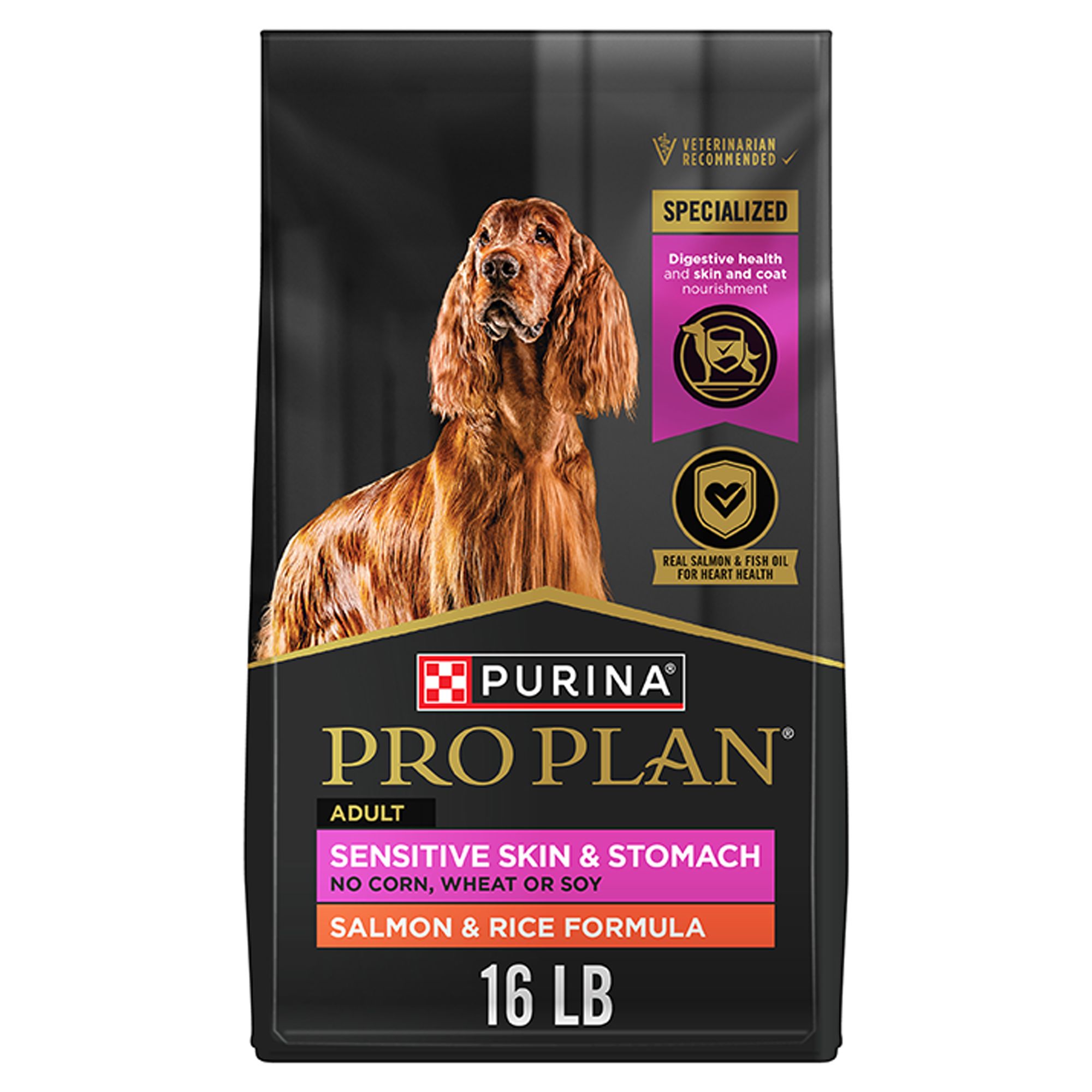
Credit: www.petsmart.com
Frequently Asked Questions
What Foods Help Reduce Dog Skin Allergies?
Foods rich in omega-3 fatty acids, like fish oil and flaxseed, help reduce inflammation. Hypoallergenic diets with limited ingredients also ease skin allergies. Avoid common allergens such as beef, dairy, and wheat to improve your dog’s skin health naturally.
Can Grain-free Diets Improve Dog Skin Allergies?
Yes, grain-free diets can help if your dog is allergic to grains. These diets replace wheat, corn, and soy with alternative carbohydrates. However, consult your vet before switching to ensure balanced nutrition and to identify the specific allergen causing the reaction.
Are Homemade Diets Good For Dogs With Skin Allergies?
Homemade diets can be beneficial as they allow control over ingredients. Use fresh, hypoallergenic foods like sweet potatoes, turkey, and pumpkin. Always work with a vet or pet nutritionist to ensure the diet is complete and meets your dog’s health needs.
How Long Does It Take For Food To Improve Dog Skin Allergies?
Improvement usually takes 4 to 8 weeks after changing to an allergen-free diet. Consistency is key; sudden changes may worsen symptoms. Monitor your dog closely and consult your vet if symptoms persist or worsen despite dietary adjustments.
Conclusion
Choosing the right food helps ease your dog’s skin allergies. Foods rich in omega-3 and vitamins support healthy skin. Avoiding common allergens reduces itching and redness. Fresh, natural ingredients offer the best nutrition. Monitor your dog’s reaction to new foods closely.
Consult your vet for personalized advice and care. Healthy skin means a happier, more comfortable dog. Simple diet changes can make a big difference. Your dog deserves the best food for their skin. Keep their meals clean, balanced, and allergy-friendly.


