If you have a little dog at home, you know how special they are. Their tiny size means they need food that fits their unique needs.
Choosing the best food for your little dog isn’t just about filling their bowl—it’s about keeping them happy, healthy, and full of energy. You might wonder what ingredients really matter or which brands offer the best nutrition. This guide will help you find the perfect meal that supports your pup’s health and keeps their tail wagging every day.
Keep reading to discover how to make the best food choices for your small furry friend.
Nutritional Needs Of Small Breeds
Small dog breeds have unique nutritional needs. Their fast metabolism and tiny stomachs require special care. Feeding them the right food supports their energy and health. Understanding these needs helps keep them active and happy.
Calorie Requirements
Small dogs burn calories quickly. They need more calories per pound than larger dogs. Their food must be calorie-dense to meet energy demands. Feeding too few calories can cause weight loss and weakness. Too many calories lead to obesity and health issues.
Essential Nutrients
Protein is vital for muscle and tissue health. Small dogs also need healthy fats for energy. Vitamins and minerals support their immune system and bones. Omega-3 fatty acids help keep their skin and coat healthy. Balanced nutrients improve their overall well-being.
Common Dietary Challenges
Small dogs may eat less at each meal. This makes nutrient balance harder to achieve. They can be picky eaters, avoiding some foods. Dental problems can limit the types of food they eat. Choosing the right food texture and size is important.
Top Ingredients For Small Dog Food
Choosing the right food for small dogs starts with understanding the best ingredients. Small dogs need foods that support their energy and health. The ingredients must be easy to digest and full of nutrients. Good ingredients help keep your little dog active and happy every day.
High-quality Proteins
Proteins build muscles and support body functions. Small dogs benefit from proteins like chicken, turkey, or fish. These sources are easy to digest and rich in nutrients. Proteins help maintain strong muscles and healthy skin. Avoid low-quality fillers like by-products or meat meals.
Healthy Fats
Fats give small dogs energy and help keep their coats shiny. Look for foods with fish oil or flaxseed oil. These fats also support brain health and reduce inflammation. Healthy fats are vital for small dogs’ growth and daily activities. Avoid foods with too many unhealthy fats or fillers.
Vitamins And Minerals
Vitamins and minerals keep your dog’s body working well. Ingredients like sweet potatoes, carrots, and spinach are rich in these nutrients. Calcium and phosphorus support strong bones and teeth. Antioxidants protect cells and boost the immune system. Balanced vitamins and minerals help small dogs stay healthy.
Best Commercial Dog Foods For Small Breeds
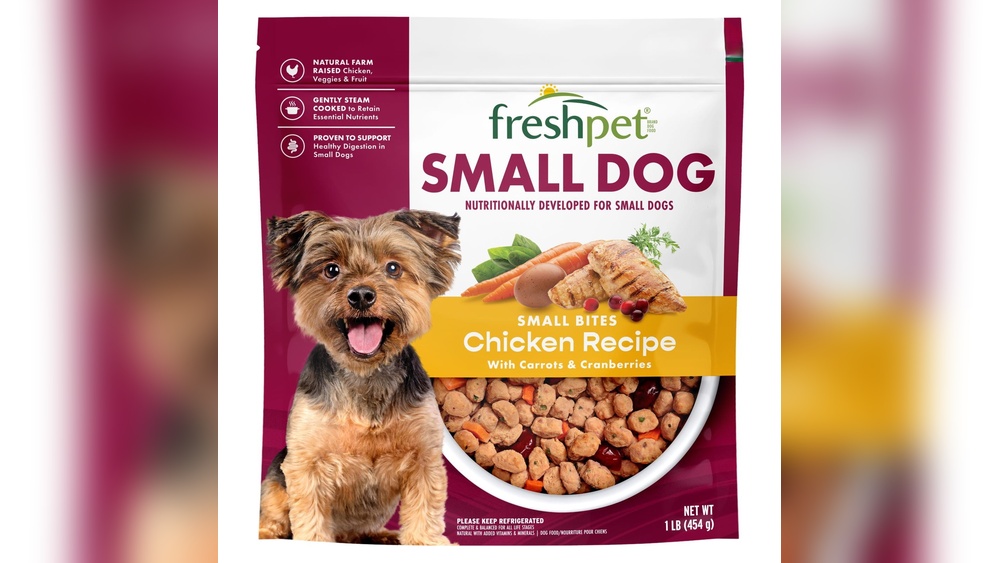
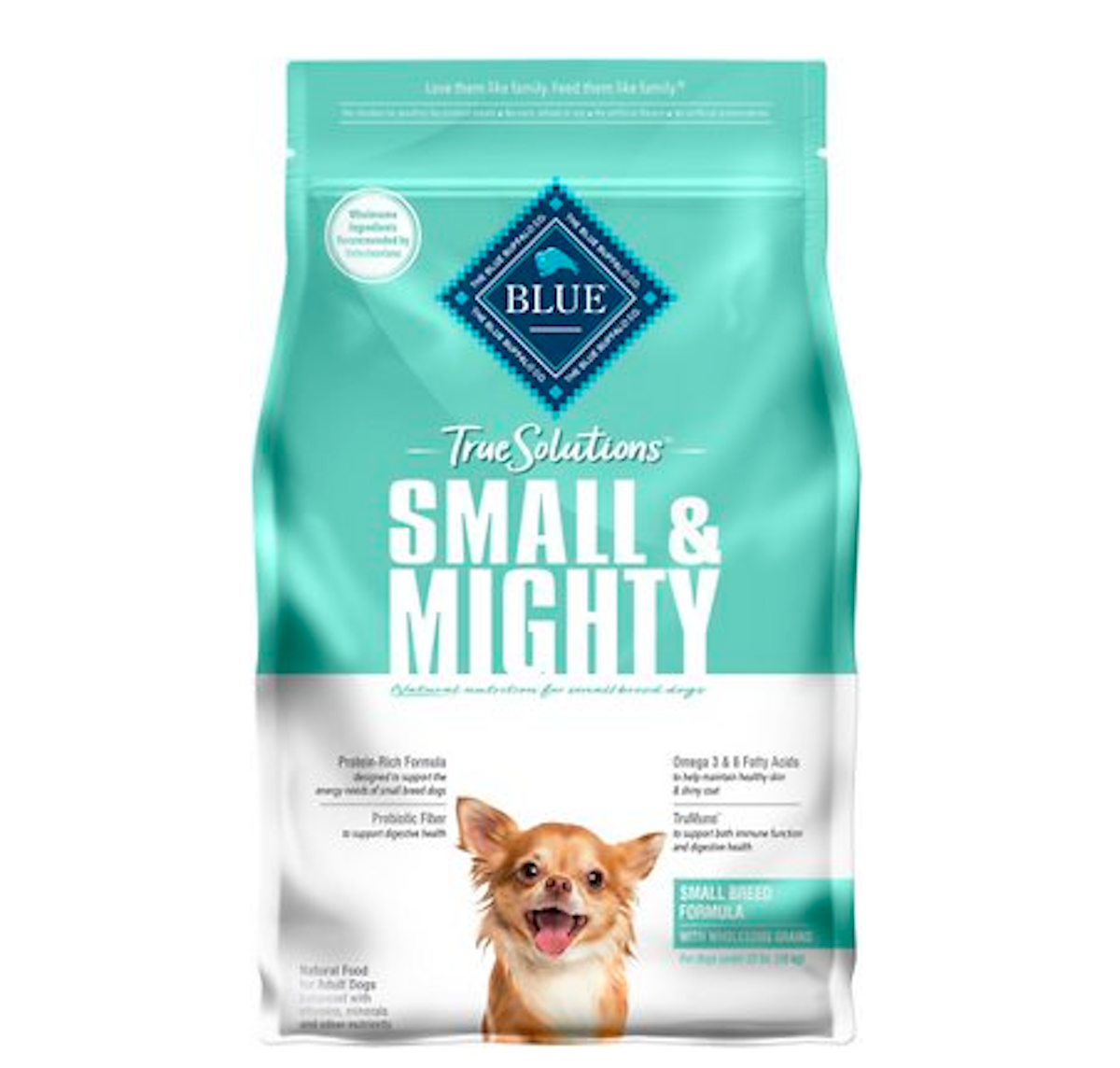
Choosing the right commercial dog food is key for small breed dogs. Their tiny bodies need special care. Small breeds have fast metabolisms and different nutritional needs than larger dogs. The right food supports their energy, helps maintain a healthy weight, and keeps their coat shiny. Many brands offer formulas designed just for small dogs. These foods have smaller kibble and balanced nutrients. Below are some of the best commercial food types for little dogs.
Dry Kibble Options
Dry kibble is popular for small dogs. It helps keep teeth clean by reducing plaque buildup. Kibble made for small breeds is smaller in size. This makes chewing easier for tiny mouths. Many brands add extra protein and fat to meet energy needs. Look for formulas with real meat as the first ingredient. Some options include chicken, turkey, or salmon. These provide essential amino acids for muscle health. Small breed kibble also often contains added vitamins and minerals. This supports bone strength and immune health.
Wet Food Choices
Wet food is moist and easy to chew. It can be great for picky eaters or dogs with dental issues. Wet food usually has higher protein and water content. This helps keep dogs hydrated and satisfied. Many wet foods contain real meat and vegetables. These meals offer a balanced diet in each serving. Small breed wet foods often come in smaller cans or pouches. This prevents waste and keeps food fresh. Mixing wet and dry food can add variety to mealtime.
Grain-free Alternatives
Some small dogs have allergies or sensitivities to grains. Grain-free foods remove wheat, corn, and soy. These diets use ingredients like sweet potatoes or peas instead. Grain-free options still provide balanced nutrition with protein and fiber. This can help improve digestion and reduce allergic reactions. These foods often include added vitamins and minerals for overall health. Always check with a vet before switching to grain-free diets. Not all dogs need them, but some benefit greatly.
Credit: essensi.no
Homemade Meals For Little Dogs
Making homemade meals for little dogs is a great way to control their diet. It ensures fresh ingredients and avoids fillers found in some commercial foods. Small dogs have unique nutritional needs. Homemade meals let you tailor food to their size and health.
Safe Ingredients To Use
Choose lean meats like chicken, turkey, or lean beef. Cook them well to avoid bacteria. Include cooked vegetables such as carrots, green beans, and peas. Use grains like rice or oats for energy. Avoid spices, salt, and sugar. Fresh water should always be available.
Balanced Meal Recipes
Combine protein, vegetables, and grains in each meal. A good ratio is 40% protein, 50% vegetables, and 10% grains. Add a small amount of healthy fat like fish oil. Check with your vet about vitamin supplements. Rotate ingredients to keep meals interesting and nutritious.
Avoiding Toxic Foods
Never feed chocolate, onions, garlic, or grapes. These can harm your dog severely. Avoid artificial sweeteners like xylitol. Keep away from raw dough and alcohol. Always research or ask a vet before introducing new foods. Safety first to keep your dog healthy.
Feeding Tips For Small Dogs
Feeding small dogs needs special care. Their bodies are tiny but full of energy. Proper feeding helps them stay healthy and happy. Good habits make a big difference in their life. Follow these simple tips to feed your little dog well.
Portion Control
Small dogs need smaller meals. Overfeeding can lead to weight gain. Use a measuring cup to give the right amount. Check the food package for daily portion advice. Adjust portions based on your dog’s activity and age.
Feeding Frequency
Small dogs have fast metabolisms. They need more frequent meals than big dogs. Feed them two to three times a day. This keeps their energy steady and prevents hunger. Avoid leaving food out all day to stop overeating.
Monitoring Weight And Health
Watch your dog’s weight every week. A healthy dog has a visible waist and ribs you can feel. If your dog gains or loses weight fast, see a vet. Regular health checks help catch problems early. Keep your dog active to maintain a good weight.
Credit: www.rover.com
Special Diets And Considerations
Choosing the right food for little dogs needs special care. Small breeds have unique needs. These needs change with age, health, and lifestyle. Special diets help keep them healthy and happy. Understanding these diets helps pet owners provide the best nutrition.
Allergies And Sensitivities
Some small dogs have allergies or food sensitivities. Common allergens include wheat, soy, and certain proteins. Symptoms may show as itching, stomach upset, or ear infections. Hypoallergenic or limited-ingredient diets can ease these issues. Always observe your dog after trying new foods.
Age-specific Nutrition
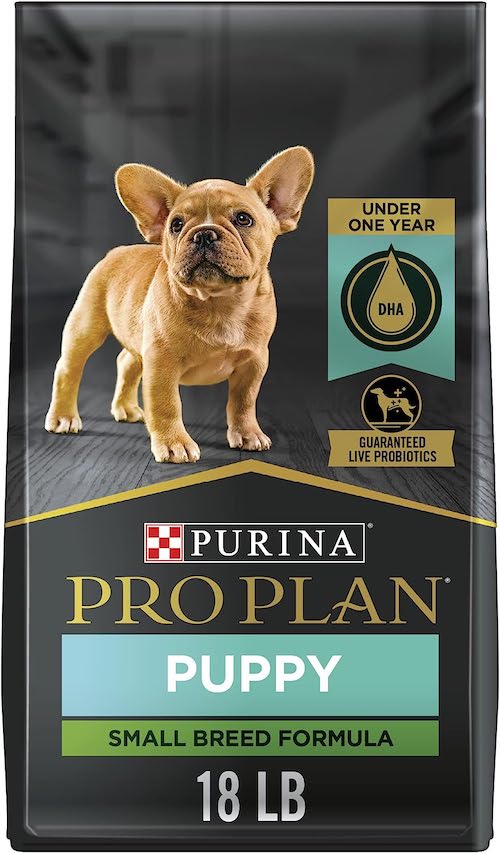
Nutrition needs vary by age. Puppies need more calories and nutrients for growth. Adult dogs need balanced food to maintain health. Senior dogs benefit from diets that support joints and digestion. Feeding age-appropriate food helps keep dogs energetic and strong.
Weight Management Plans
Small dogs can gain weight quickly. Excess weight leads to health problems like diabetes and joint pain. Feeding portion-controlled meals and low-calorie foods helps manage weight. Regular exercise combined with proper diet keeps your dog fit. Consult a vet for the best weight plan.
:strip_icc()/hills-science-diet-dry-dog-food-adult-small-mini-breeds-74ff39dc8a074daa95910568de2f22c3.jpg)
Credit: www.thesprucepets.com
Frequently Asked Questions
What Is The Best Food For Little Dogs?
The best food for little dogs is nutrient-rich, high-protein, and specially formulated for small breeds. It supports their energy and health needs.
How Much Food Should Little Dogs Eat Daily?
Little dogs need small, frequent meals totaling about ¼ to ½ cup of food daily, depending on their size and activity.
Can Little Dogs Eat Human Food Safely?
Some human foods like cooked chicken and carrots are safe for little dogs, but avoid toxic foods like chocolate and onions.
Should I Feed My Little Dog Dry Or Wet Food?
Both dry and wet foods are good, but dry food helps keep teeth clean, while wet food aids hydration and taste.
Conclusion
Choosing the right food helps your little dog stay healthy and happy. Small breeds need balanced meals with good nutrients. Fresh ingredients and proper portions support their energy and growth. Watch their reactions to different foods to find the best fit.
Feeding your dog well shows you care about their wellbeing. Keep their meals consistent and check with your vet regularly. A healthy diet means more playtime and longer life. Simple choices make a big difference for tiny companions.