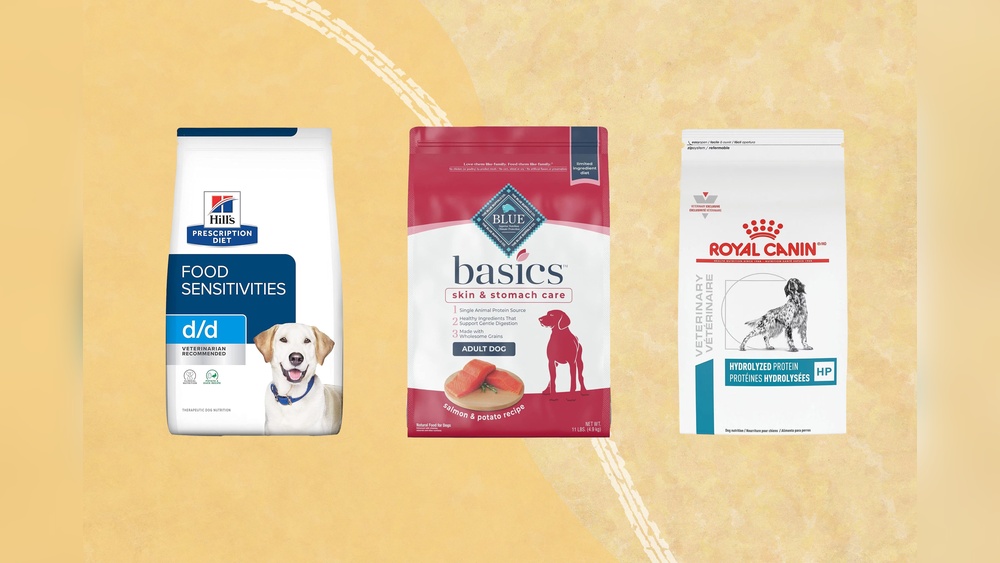
If your dog struggles with allergies, you know how tough it can be to find the right food that keeps them comfortable and healthy. Choosing the best food for allergies in dogs isn’t just about avoiding certain ingredients—it’s about giving your furry friend a diet that supports their immune system and reduces flare-ups.
You’ll discover simple, effective options that can make a real difference in your dog’s life. Keep reading to learn how to help your dog feel their best every day.
Common Dog Allergies
Dogs can suffer from many allergies. These allergies cause itching, redness, and discomfort. Recognizing common allergies helps you care for your dog better. Understanding these allergies supports choosing the best food for allergies in dogs.
Food Allergies
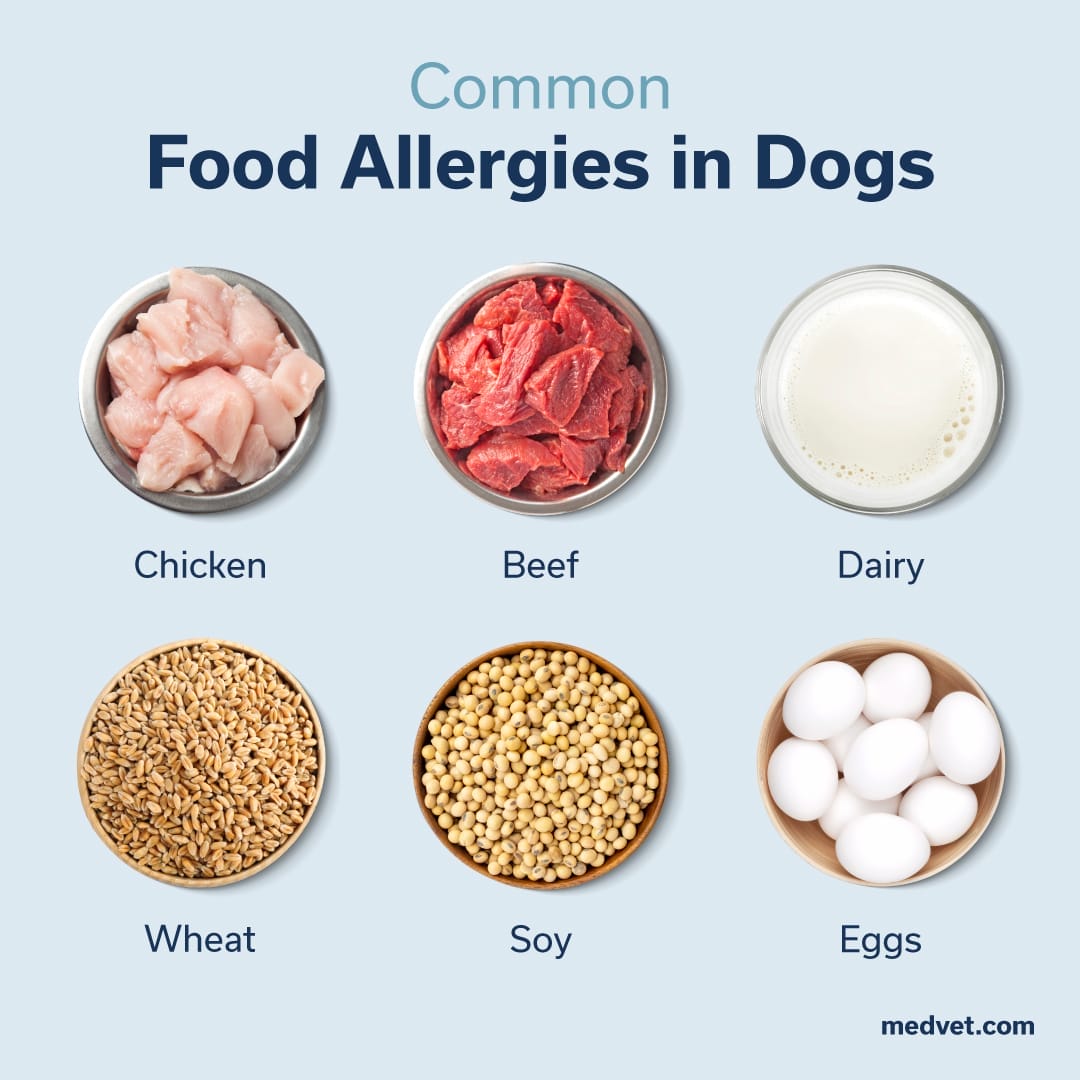
Food allergies occur when a dog’s immune system reacts to certain ingredients. Common triggers include beef, chicken, dairy, and wheat. Signs include itching, ear infections, and upset stomach. Limited ingredient diets help identify and avoid allergens. Hypoallergenic dog food reduces allergic reactions effectively.
Environmental Allergies
Environmental allergies come from pollen, dust mites, mold, and grasses. Dogs may scratch, lick paws, or develop skin rashes. These allergies often worsen in spring and summer. Bathing and cleaning help reduce allergens on the dog’s coat. Choosing food that supports skin health can ease symptoms.
Flea Allergies
Flea allergies are caused by flea bites and saliva. Even a single flea can cause severe itching for sensitive dogs. Flea allergy dermatitis leads to hair loss and sores. Regular flea control is vital to prevent flare-ups. Nutritional support strengthens the dog’s skin barrier against irritation.
Credit: www.poochandmutt.co.uk
Symptoms To Watch For
Dogs with allergies often show signs through their body and behavior. Spotting these symptoms early helps you manage their diet better. Watch closely for changes in their skin, digestion, and mood. These hints guide you to find the best food for allergies in dogs.
Skin Irritations
Redness, itching, and rashes are common signs. Dogs may scratch or bite their skin a lot. Hair loss in patches can also occur. These symptoms often show on paws, ears, and belly. Skin problems can worsen without proper food changes.
Digestive Issues
Vomiting and diarrhea happen frequently in allergic dogs. Loose stools or constipation may appear too. Your dog might seem less hungry or refuse food. Gas and bloating are other signs to watch. These digestive problems relate to food allergies.
Behavioral Changes
Allergies can make dogs restless and irritable. They may lick or chew their paws often. Sleep patterns might change, with more restlessness. Some dogs become withdrawn or less playful. These changes often link to discomfort from allergies.
Top Allergy-relief Foods
Dogs with allergies need special foods to feel better. Certain ingredients help reduce itching and discomfort. Choosing the right diet supports their skin and digestion.
Foods designed for allergy relief often avoid common triggers. They include nutrients that calm the immune system. This approach helps many dogs live happier lives.
Hypoallergenic Diets
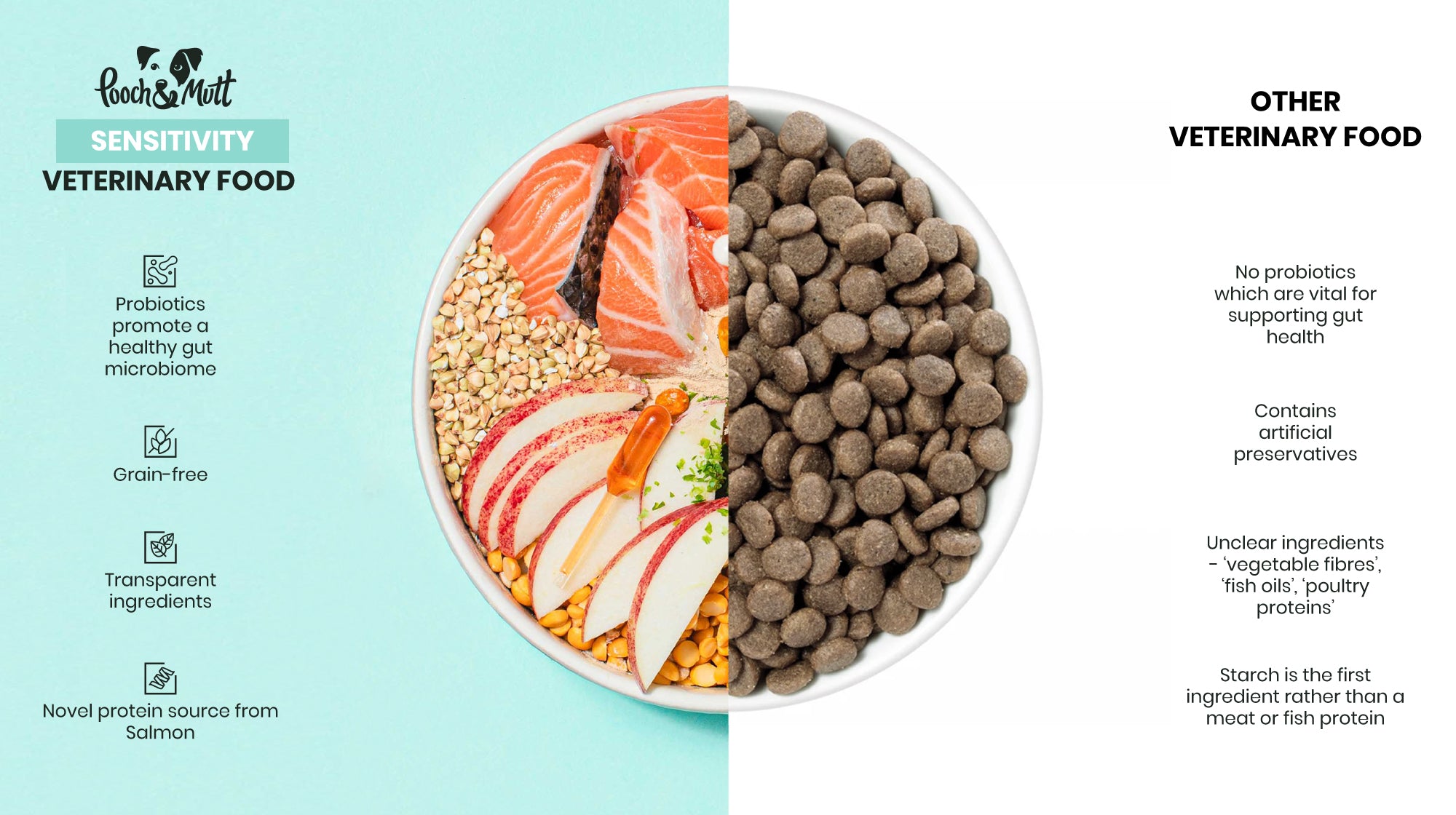
Hypoallergenic diets use ingredients less likely to cause reactions. They avoid common allergens like beef, chicken, and dairy. These diets often contain hydrolyzed proteins. Hydrolyzed proteins are broken down to small parts. Dogs’ bodies do not recognize them as allergens. This reduces immune system attacks and skin problems.
Omega-3 Rich Ingredients
Omega-3 fatty acids reduce inflammation and soothe irritated skin. Fish oil and flaxseed are good sources of omega-3s. These ingredients improve coat shine and skin health. Regular omega-3 intake can lower allergy symptoms over time. They also support overall immune system balance.
Novel Protein Sources
Novel proteins come from uncommon meats like duck, venison, or rabbit. These proteins help dogs allergic to common meats. Feeding novel proteins can stop allergic reactions. They give the immune system a break. Novel protein diets often include unique carbohydrates like sweet potatoes.
Credit: tehachapisportsmanclub.com
Home Remedies And Supplements
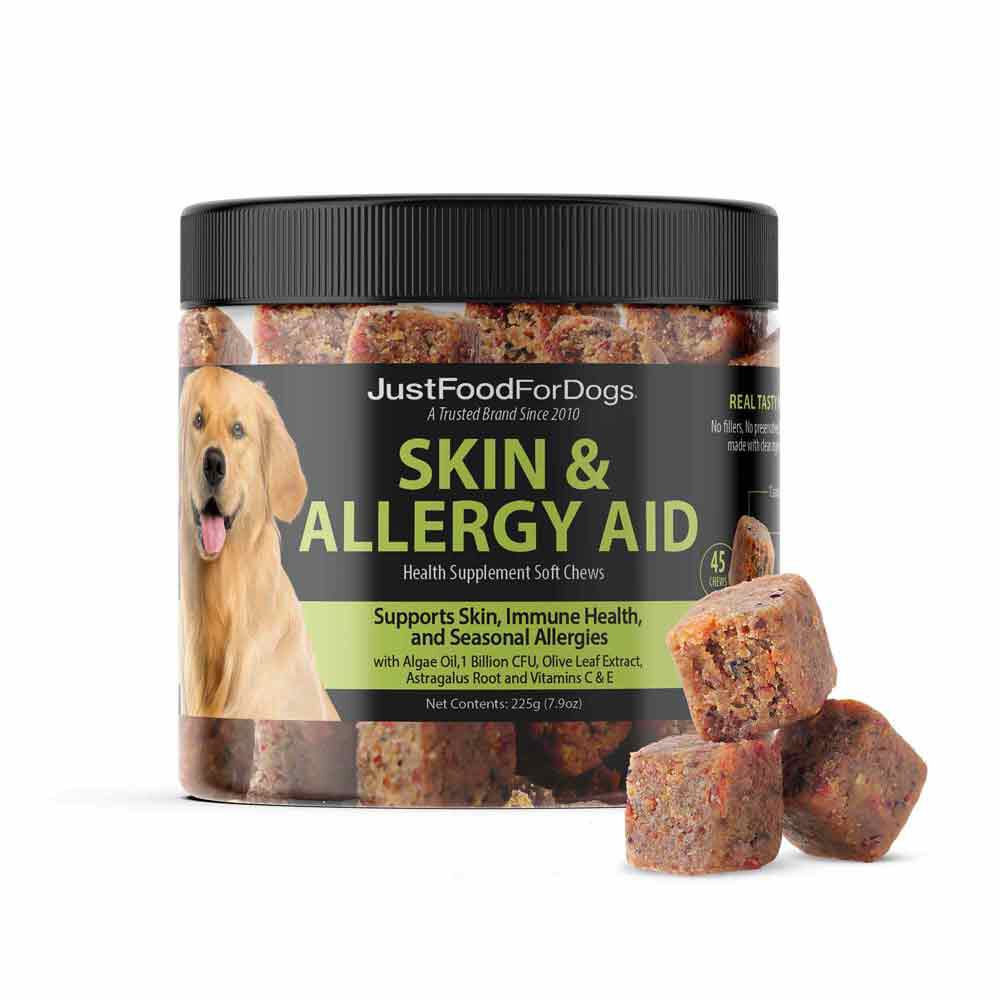
Home remedies and supplements can help ease allergies in dogs. They support the immune system and reduce inflammation naturally. These options often cause fewer side effects than medications. Using natural products can improve your dog’s comfort and health.
Natural Anti-inflammatories
Some foods and supplements reduce inflammation in dogs. Fish oil is rich in omega-3 fatty acids. It helps calm itchy skin and redness. Turmeric contains curcumin, a natural anti-inflammatory. It can soothe irritated skin and joints. Always check with your vet before adding these to your dog’s diet.
Probiotics For Gut Health
Probiotics support a healthy gut in dogs. A strong gut helps the immune system fight allergies. These good bacteria balance the digestive system. Yogurt and special probiotic powders work well. Probiotics may reduce allergy symptoms by improving digestion.
Herbal Options
Herbs like chamomile and calendula can help reduce itching. They have calming and healing effects on the skin. Aloe vera gel soothes hot spots and dry patches. Herbal remedies are gentle and safe for most dogs. Use them carefully and watch for any reactions.
Foods To Avoid
Choosing the right food is key for dogs with allergies. Some foods can cause itching, swelling, or upset stomachs. Avoiding certain ingredients helps keep your dog safe and comfortable. Below are common foods to watch out for.
Common Allergens
Many dogs react to proteins like beef, chicken, or dairy. Eggs and fish can also cause allergies. These ingredients often trigger skin problems and digestive issues. Avoid foods with these proteins if your dog shows symptoms.
Artificial Additives
Colors, flavors, and preservatives may cause allergic reactions. These additives are in many processed dog foods. They can irritate your dog’s skin and stomach. Choose natural or limited-ingredient diets to reduce risk.
Grains And Fillers
Wheat, corn, and soy are common fillers in dog food. Some dogs are sensitive to these grains. Fillers add little nutrition and can worsen allergies. Grain-free options may be better for sensitive dogs.
Feeding Tips For Sensitive Dogs
Feeding sensitive dogs requires care and attention. Their digestive systems react easily to certain ingredients. Choosing the right food helps reduce allergic reactions and improves their health. Feeding tips can guide you to make better food choices for your dog.
Elimination Diets
Elimination diets help identify foods causing allergies. Start with a simple diet containing one protein and one carb. Feed this for several weeks. Watch for any allergic reactions to disappear. Slowly add other foods back to find the problem ingredient.
Gradual Food Changes
Switch dog food slowly to avoid stomach upset. Mix small amounts of new food with old food daily. Increase new food gradually over 7 to 10 days. This helps your dog’s system adjust easily without stress.
Monitoring And Adjustments
Observe your dog’s reaction to new food closely. Check skin, coat, and digestion for any issues. Note changes in energy or behavior as well. Adjust the diet if signs of allergies return. Regular monitoring keeps your dog healthy and happy.
When To See A Vet
Knowing when to see a vet is crucial for dogs with food allergies. Allergies can cause many symptoms, some mild and others serious. Early vet visits help manage your dog’s health and prevent complications. Watch your dog closely for any changes in behavior or health.
Persistent Symptoms
Persistent symptoms need a vet’s attention. If your dog keeps scratching, licking, or biting the skin, do not wait. Ongoing vomiting or diarrhea also signals a problem. These signs suggest allergies or another health issue. A vet can provide treatment to ease your dog’s discomfort.
Severe Reactions
Severe reactions require immediate veterinary care. Signs like swelling of the face or difficulty breathing are emergencies. Sudden weakness or collapse also needs urgent help. Quick action can save your dog’s life. Do not try to treat severe reactions at home.
Testing And Diagnosis
Testing helps find the exact allergy cause. Your vet may suggest food trials or skin tests. Blood tests can also identify allergens. Accurate diagnosis allows better food choices and treatments. Follow your vet’s advice carefully for the best results.
Credit: www.justfoodfordogs.com
Frequently Asked Questions
What Are Common Food Allergens For Dogs?
Common food allergens for dogs include beef, dairy, chicken, wheat, and soy. These ingredients often cause allergic reactions and digestive issues in sensitive dogs. Avoiding these can help reduce allergy symptoms and improve your dog’s overall health.
Which Dog Foods Are Best For Allergies?
Hypoallergenic dog foods with novel proteins like duck, venison, or salmon are best for allergies. Grain-free and limited ingredient diets also help minimize allergic reactions by reducing exposure to common allergens.
How Can I Identify My Dog’s Food Allergy Symptoms?
Symptoms include itching, redness, ear infections, vomiting, and diarrhea. Persistent scratching or licking, hair loss, and skin inflammation are also common signs of food allergies in dogs.
Can Homemade Diets Help Allergic Dogs?
Yes, homemade diets allow control over ingredients, reducing exposure to allergens. Consult a vet or pet nutritionist to ensure the diet is balanced and meets your dog’s nutritional needs.
Conclusion
Choosing the right food helps your dog feel better fast. Simple ingredients often cause fewer allergies. Fresh, natural options support your dog’s health. Watch your pet closely for any reactions. Changing food slowly keeps dogs comfortable. Always talk to your vet before switching diets.
Happy dogs show more energy and joy. A good diet helps control allergy symptoms well. Healthy meals make life easier for both of you. Care and attention create a happier dog every day.