
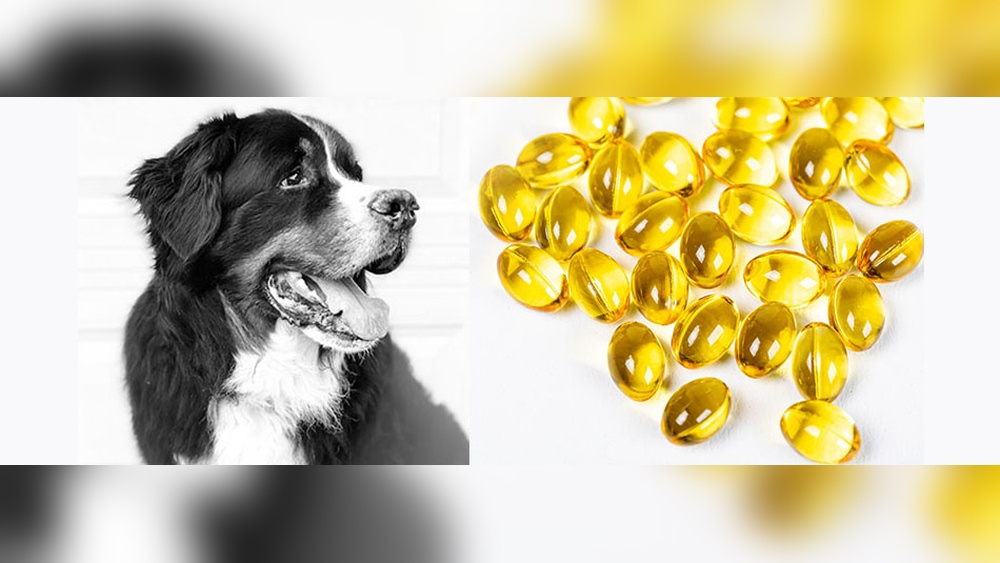
If your dog is fighting cancer, you want to do everything possible to support their health and comfort. One powerful way to help is by choosing the best fish oil for dogs with cancer.
Fish oil is known to reduce inflammation, boost the immune system, and improve overall well-being. But with so many options out there, how do you find the right one for your furry friend? You’ll discover the top fish oils that can make a real difference in your dog’s journey.
Keep reading to learn how to give your dog the care they deserve.
Benefits Of Fish Oil For Dogs With Cancer
Fish oil offers several benefits for dogs with cancer. It contains omega-3 fatty acids that help support health in many ways. These oils can improve quality of life and ease some cancer symptoms. Understanding these benefits can help you care better for your dog.
Fish oil is easy to add to your dog’s diet. It works quietly but effectively to support the body during tough times. Here are some key benefits that fish oil provides for dogs fighting cancer.
Anti-inflammatory Effects
Fish oil helps reduce inflammation in the body. Cancer often causes swelling and pain in dogs. Omega-3s in fish oil lower inflammation naturally. This can help your dog feel less discomfort and move more easily. Lower inflammation may also slow cancer growth.
Immune System Support
Fish oil boosts the immune system. A strong immune system fights infections and diseases better. Dogs with cancer need extra immune support. Omega-3 fatty acids help the body defend itself. This support can improve your dog’s overall health.
Improved Joint Health
Cancer and its treatments can affect joints and mobility. Fish oil helps keep joints healthy and flexible. Omega-3s reduce joint pain and stiffness. This allows your dog to stay active and comfortable. Better joint health improves quality of life.
Enhanced Skin And Coat
Cancer and medications may harm your dog’s skin and coat. Fish oil nourishes the skin from inside. It reduces dryness, itching, and irritation. Your dog’s coat looks shinier and healthier with fish oil. Healthy skin helps protect your dog against infections.

Credit: www.simonvetsurgical.com
Key Ingredients To Look For
Choosing the best fish oil for dogs with cancer means knowing what ingredients really matter. The right components help support your dog’s health and may ease cancer symptoms. Focus on key nutrients that provide real benefits. This guide explains the main ingredients to check before buying fish oil for your dog.
Omega-3 Fatty Acids
Omega-3 fatty acids are the main reason fish oil helps dogs. These fats reduce inflammation and support the immune system. They also promote healthy skin and joints. Look for fish oil rich in omega-3s like EPA and DHA. These are the most effective types for dogs with cancer.
Epa Vs Dha
EPA and DHA are two important omega-3 fats in fish oil. EPA helps lower inflammation and supports immune health. DHA is vital for brain and eye function. Both work well together. Fish oil for dogs with cancer should have a good balance of EPA and DHA for overall health support.
Purity And Quality Standards
Purity is key for fish oil safety. Dogs with cancer need the cleanest product possible. Choose fish oil tested for heavy metals and toxins. Look for oils made from wild-caught fish. Check for certifications like GMP or third-party testing. High quality means fewer impurities and better health results.
Added Nutrients And Antioxidants
Some fish oils include extra nutrients like vitamin E. Antioxidants help protect cells from damage caused by cancer. These added ingredients can improve the oil’s effectiveness. Look for products with natural antioxidants to help your dog’s body fight stress and support healing.
Top Fish Oil Supplements For Dogs With Cancer
Choosing the best fish oil supplement for dogs with cancer supports their health and comfort. Fish oil offers omega-3 fatty acids that help reduce inflammation. These nutrients can improve your dog’s immune system and overall well-being. Various forms of fish oil supplements exist. Each type has unique benefits for easy daily use and absorption.
Premium Liquid Fish Oils
Liquid fish oils allow flexible dosing for dogs of all sizes. They mix easily with food, making feeding simple. Many liquid options have natural flavors dogs enjoy. These oils often contain high levels of EPA and DHA. They absorb quickly to provide fast health support.
Softgel Capsules
Softgel capsules protect fish oil from air and light. This keeps the oil fresh and potent. Capsules are easy to store and carry. They offer a mess-free way to give fish oil. Dogs can swallow capsules whole or have them opened.
Chewable Treats
Chewable fish oil treats combine nutrition with taste. These treats make supplement time a positive experience. They often include added vitamins for extra health benefits. Chewables are ideal for picky dogs. They encourage regular intake without stress.
Prescription-grade Options
Prescription-grade fish oils come with strict quality control. Vets may recommend these for serious health needs. These products often have higher concentrations of omega-3s. They provide targeted support for dogs with cancer. Prescription options ensure safety and effectiveness.
:strip_icc()/best-fish-oils-for-dogs-4589944-1437b3ef372f4a2c8b5887ef2554fab4.jpg)
Credit: www.thesprucepets.com
How To Choose The Right Supplement
Choosing the right fish oil supplement for dogs with cancer is very important. The right supplement supports your dog’s health and comfort. Many options exist, so knowing what to check helps.
Focus on dosage, formulation, allergies, and expert advice. These factors guide you to the best choice. Understanding each point makes the process easier.
Dosage Guidelines
Follow clear dosage guidelines for your dog’s size and condition. Too little may not help. Too much can cause side effects. Check the label carefully. Start with the lowest dose suggested. Adjust only with your vet’s advice.
Formulation Preferences
Fish oil comes in capsules, liquid, or treats. Capsules hide the taste, good for picky dogs. Liquid mixes with food easily. Treats combine benefits with a snack. Choose a form your dog accepts well. Freshness matters to keep nutrients strong.
Allergy Considerations
Check for allergies before use. Some dogs react to fish or other ingredients. Look for supplements labeled hypoallergenic. Watch your dog for itching or upset stomach. Stop use if any signs appear. Consult your vet about safe options.
Veterinarian Recommendations
Your vet knows your dog’s health best. Share your plan to use fish oil. Ask for product suggestions and dosage tips. Regular check-ups track your dog’s response. Follow your vet’s advice strictly for safety.
Potential Side Effects And Precautions
Fish oil can help dogs with cancer by supporting their health. Still, it may cause side effects or interact with medicines. Knowing these risks helps keep your dog safe. Watch your dog closely after starting fish oil. Stop use if problems occur.
Digestive Issues
Some dogs may have upset stomachs. Symptoms include vomiting, diarrhea, or gas. These problems often happen at first. Giving fish oil with food can reduce discomfort. Lower the dose if issues continue.
Interaction With Medications
Fish oil can affect blood-thinning medicines. It may increase bleeding risk. Tell your vet before starting fish oil. They can check for safe doses and timing. Avoid giving fish oil with other supplements without advice.
Signs Of Overdose
Too much fish oil can cause problems. Watch for tiredness, loose stools, or bad breath. Your dog may bleed more easily. Overdose can affect liver and kidneys. Contact your vet if you see these signs.
When To Stop Use
Stop fish oil if your dog shows bad reactions. Severe vomiting or allergic signs need quick action. If bleeding worsens, pause the supplement. Always follow your vet’s advice on stopping fish oil.
Credit: www.whole-dog-journal.com
Tips For Administering Fish Oil To Dogs
Giving fish oil to dogs with cancer requires care and patience. The right method helps your dog accept the supplement easily. It also ensures your dog gets the full benefits.
Follow these tips to make the process smooth and effective.
Mixing With Food
Mix fish oil with your dog’s regular meal. Stir it well to spread the oil evenly. Choose strong-smelling foods like wet dog food or canned tuna. This helps hide the fish oil taste. Serve the meal fresh to keep the oil from spoiling.
Using Treats And Capsules
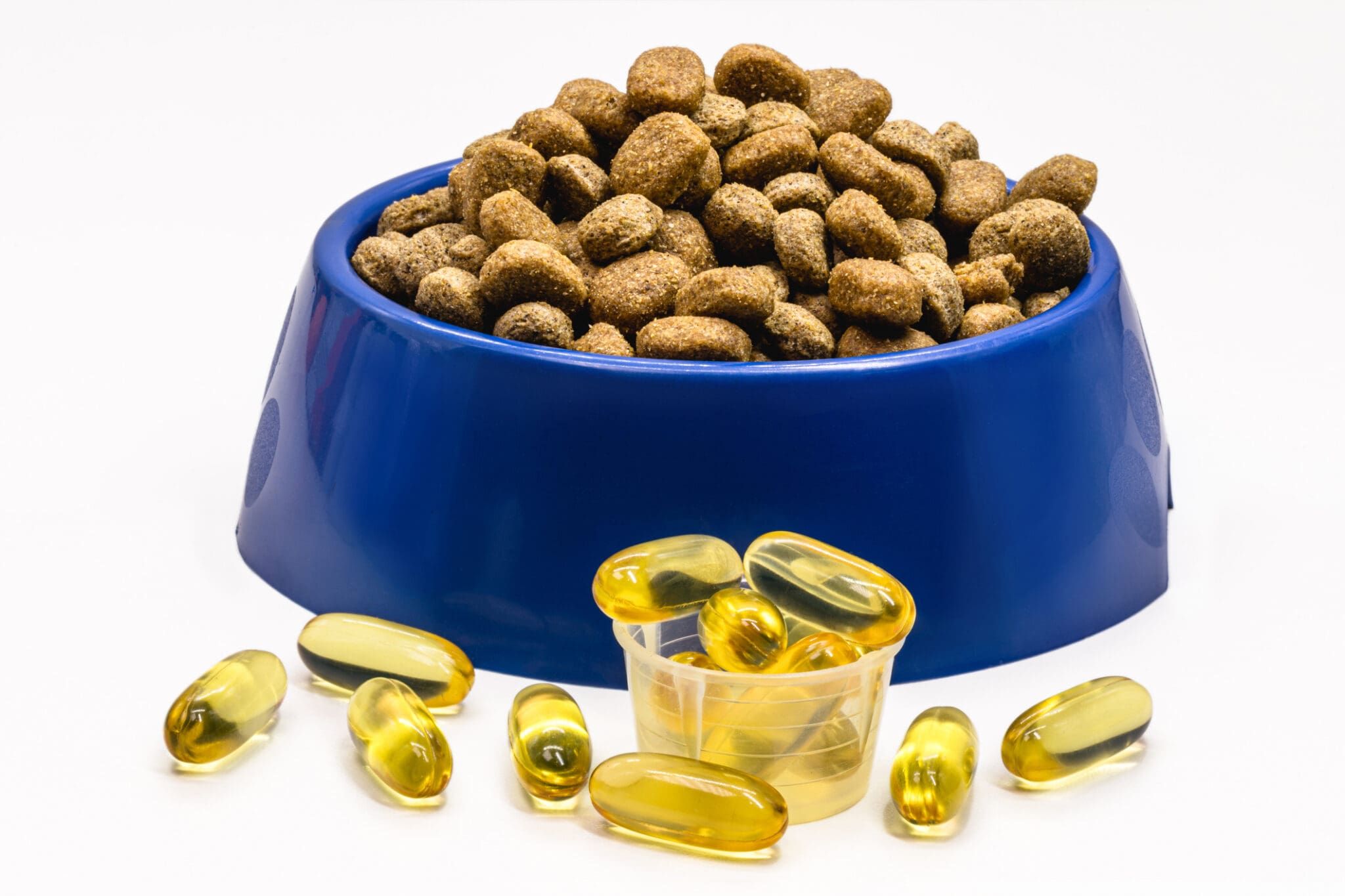
Some dogs prefer capsules over liquid oil. You can hide capsules inside treats or soft food. Break open capsules if your dog dislikes swallowing pills. Use dog-friendly treats to encourage swallowing. Always give capsules with water to avoid choking.
Monitoring Your Dog’s Response
Watch for any changes after giving fish oil. Look for signs of allergies like itching or swelling. Check your dog’s stool for diarrhea or soft stools. If problems appear, stop the oil and talk to your vet. Keep track of energy levels and appetite too.
Storage And Shelf Life
Store fish oil in a cool, dark place. Keep bottles tightly closed to avoid air exposure. Refrigerate after opening to maintain freshness. Use fish oil within the expiry date. Old oil can lose potency and cause stomach upset.
Frequently Asked Questions
What Are The Benefits Of Fish Oil For Dogs With Cancer?
Fish oil supports immune health and reduces inflammation in dogs with cancer. It provides omega-3 fatty acids, which may slow tumor growth and improve quality of life. Regular supplementation can help manage symptoms and support overall wellness during cancer treatment.
How Much Fish Oil Should I Give My Dog With Cancer?
Dosage depends on your dog’s weight and health condition. Consult your veterinarian for a precise dosage plan. Typically, 20-55 mg of combined EPA and DHA per pound of body weight is recommended. Avoid overdosing to prevent side effects.
Can Fish Oil Interact With Cancer Medications For Dogs?
Yes, fish oil may interact with some cancer drugs and blood thinners. Always consult your vet before starting fish oil supplements. They can evaluate potential risks and adjust medications accordingly to ensure safe combined use.
Which Fish Oil Type Is Best For Dogs With Cancer?
Choose high-quality, purified fish oil rich in EPA and DHA. Look for products tested for heavy metals and toxins. Liquid or softgel forms are commonly used, but purity and concentration are more important than form.
Conclusion
Choosing the right fish oil can help support your dog’s health during cancer. Quality and purity matter most for safety and results. Always check ingredients and dosage before buying. Talk to your vet to find the best option for your pet.
Small changes can make a big difference in comfort and wellbeing. Give your dog the care it deserves every day. Fish oil is a simple way to add extra support. Keep your dog happy and strong through treatment and beyond.


