Choosing the right food for your small breed dog can feel overwhelming. You want something that keeps your furry friend healthy, happy, and full of energy.
But with so many options out there, how do you know which dry dog food is truly the best? This guide will help you find the perfect match for your little companion’s unique needs. Keep reading to discover dry dog foods that support your dog’s health, taste great, and fit your budget—all in one place.
Your small dog deserves the best, and you’re just one step away from giving it to them.
Benefits Of Dry Food For Small Dogs
Dry dog food offers many benefits for small dog breeds. It provides balanced nutrition designed to meet their unique needs. Small dogs have faster metabolisms and need food that supports their energy levels. Dry food helps supply essential vitamins and minerals in every bite.
This type of food also supports dental health. Small dogs often face dental problems due to their tiny mouths. Dry kibble helps reduce plaque and tartar buildup by gently cleaning teeth while chewing. This keeps their smiles healthy and fresh.
Another advantage is convenience. Dry dog food is easy to store and measure. It stays fresh longer than wet food and does not require refrigeration. Pet owners find it simple to feed small dogs without mess or waste.
Nutritional Advantages
Dry dog food contains balanced nutrients for small breeds. It includes proteins, fats, and carbohydrates in the right amounts. These nutrients support growth, energy, and overall health. Many brands add vitamins and minerals to boost immunity.
Small breeds need calorie-dense food to maintain their energy. Dry kibble often offers higher calories per serving than wet food. This helps meet their fast metabolism needs without overfeeding. Ingredients are carefully chosen to promote healthy skin and coat.
Dental Health Benefits
Chewing dry food helps clean small dogs’ teeth naturally. The crunchy texture scrapes off plaque and food particles. This reduces the risk of cavities and gum disease. Dry kibble encourages better breath and oral hygiene.
Small dogs are prone to dental problems due to crowded teeth. Regular chewing on dry food helps prevent tartar buildup. It also strengthens jaw muscles and promotes healthy gums. This can lower vet visits and dental treatments.
Convenience And Storage
Dry dog food is easy to store and use. It comes in resealable bags that keep it fresh. You can measure portions quickly, avoiding overfeeding or waste. No refrigeration is needed, making it ideal for busy pet owners.
Dry food does not spoil as fast as wet food. It lasts longer once opened, saving money. The lightweight packaging is easy to carry and store. Feeding small dogs becomes a simple, hassle-free task every day.
Credit: www.walmart.com
Key Nutrients For Small Breeds
Small dog breeds have special dietary needs. Their tiny bodies work faster and burn energy quickly. Choosing the right dry dog food means focusing on key nutrients. These nutrients support their health, energy, and growth. Understanding these needs helps you pick the best food for your small dog.
Protein And Fat Requirements
Protein is vital for muscle strength and tissue repair. Small breeds need high-quality protein sources like chicken or fish. Fat provides energy and helps keep their skin and coat healthy. Small dogs require a higher fat content than larger breeds. This fuels their fast metabolism and active lifestyles.
Essential Vitamins And Minerals
Vitamins support the immune system and overall health. Minerals like calcium and phosphorus build strong bones and teeth. Small breeds also benefit from antioxidants to fight cell damage. Balanced vitamins and minerals keep small dogs lively and healthy every day.
Portion Size And Caloric Needs
Small dogs have smaller stomachs but high energy demands. Feeding the right portion size prevents overeating and weight gain. Calorie needs vary by age, activity, and health. Measuring food carefully ensures your dog gets enough fuel without excess calories.
Top Dry Dog Foods For Small Breeds
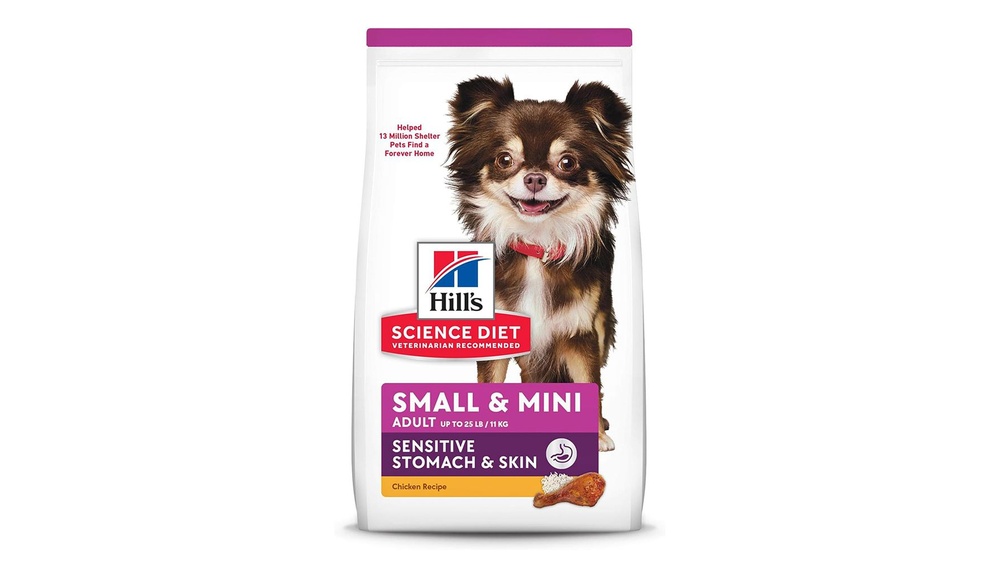
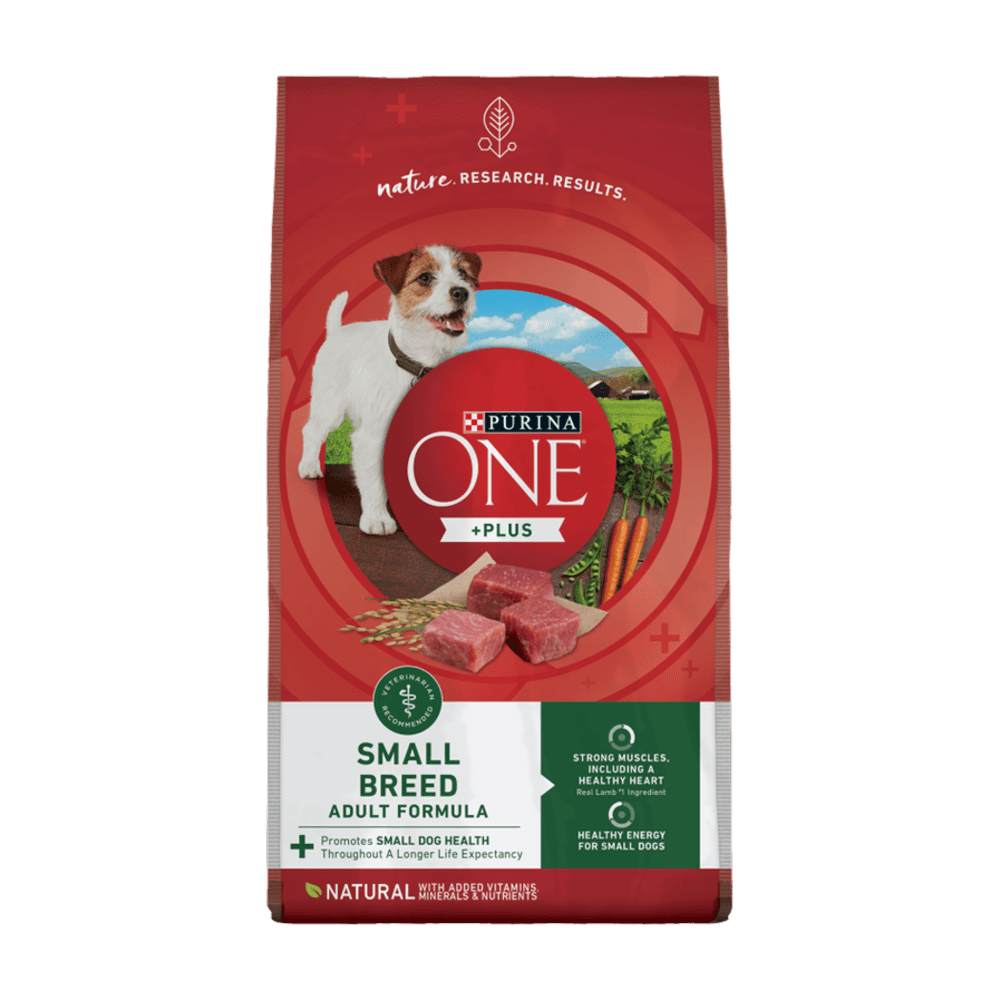
Choosing the right dry dog food for small breeds matters a lot. Small dogs have unique needs. Their food should support their energy and health. The right kibble can help keep them active and happy.
Here are some top dry dog food options designed for small breeds. Each category offers great choices to match different needs and budgets.
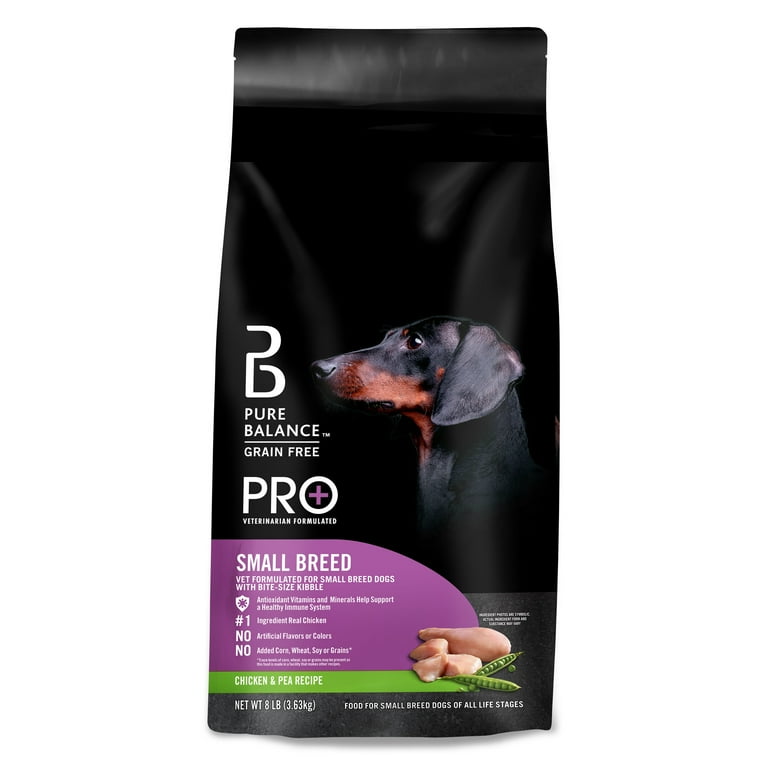
Premium Grain-free Options
Grain-free dry foods often use high-quality protein. They avoid common allergens like wheat or corn. These foods help dogs with sensitive stomachs. Ingredients like chicken, fish, and sweet potatoes provide good nutrition. Many premium brands add vitamins and minerals. These keep small dogs strong and healthy.
Budget-friendly Choices
Affordable dry foods can still offer good nutrition. Look for brands with balanced ingredients. Protein should come from real meat sources. Avoid foods with too many fillers. These options keep your dog nourished without overspending. Many budget foods include essential vitamins and minerals. They support growth and energy for small breeds.
Organic And Natural Brands
Organic dry foods use natural ingredients. They often avoid artificial colors and preservatives. Many small dog owners prefer these for cleaner nutrition. These brands focus on whole foods like organic chicken and vegetables. They can improve digestion and coat health. Natural foods suit dogs with allergies or sensitivities.
Credit: www.visco-foam.com
Choosing The Right Food
Choosing the right dry dog food for small breeds affects your pet’s health and happiness. Small dogs have unique needs. Their food must support their energy, digestion, and growth. Picking the right food means thinking about many factors. These include allergies, age, and advice from your vet. This helps you find food that fits your dog perfectly.
Considering Allergies And Sensitivities
Some small dogs have allergies or sensitive stomachs. Common triggers are grains, dairy, or certain proteins. Foods with limited ingredients can reduce allergies. Check labels for harmful additives or fillers. Choose formulas made with natural, gentle ingredients. This keeps your dog comfortable and healthy.
Age-specific Formulas
Small dogs need different nutrition at each life stage. Puppies require more protein and fat for growth. Adult dogs need balanced nutrition to stay active. Senior dogs benefit from foods that support joints and digestion. Pick food designed for your dog’s current age. This supports their overall health and energy.
Consulting Your Veterinarian
Your veterinarian knows your dog’s health best. They can recommend foods based on medical history and needs. Vets also spot early signs of allergies or deficiencies. Regular check-ups help adjust your dog’s diet as needed. Always ask your vet before changing your dog’s food.
Tips For Transitioning Foods
Changing your small dog’s food needs care and patience. A smooth switch helps avoid stomach upset. It also helps your dog enjoy the new taste. Follow clear steps to make the transition easy.
Gradual Introduction Process
Start by mixing 25% new food with 75% old food. Keep this for three days. Next, use half new and half old for another three days. Then, mix 75% new with 25% old. After a week, serve only the new food. This slow change helps your dog’s tummy adjust.
Monitoring Your Dog’s Reaction
Watch your dog closely during the change. Look for signs like vomiting, diarrhea, or loss of appetite. Also, check for energy changes or itching. If problems appear, slow down the switch. Consult a vet if issues last more than a few days.
Handling Feeding Challenges
Some dogs may refuse new food at first. Try warming it slightly or adding a little water. Mix in small amounts of tasty extras like boiled chicken. Stay calm and patient. Avoid forcing your dog to eat. Consistency and time usually solve feeding problems.
Maintaining A Balanced Diet
Maintaining a balanced diet is essential for small breed dogs. Their tiny bodies need the right mix of nutrients to stay healthy and active. Feeding them quality dry dog food helps meet these needs. It supports strong bones, shiny coats, and good energy levels. Balance means more than just the food in the bowl. Other factors play a key role in their overall nutrition and well-being.
Incorporating Treats And Supplements
Treats should be healthy and given in moderation. Choose low-calorie options made for small dogs. Supplements can fill nutrition gaps. Omega-3 fatty acids help with skin and coat health. Probiotics support digestion and gut health. Talk with a vet before adding any supplements. Avoid giving too many treats to prevent weight gain.
Hydration And Feeding Schedule
Water is vital for digestion and organ function. Fresh water must always be available. Small breeds may need smaller, more frequent meals. This keeps their energy steady throughout the day. Use a consistent feeding schedule to build routine. Avoid free feeding to control portion sizes. Watch your dog’s weight and adjust food amounts as needed.
Regular Health Checkups
Regular vet visits help monitor your dog’s health. Checkups catch problems early before they worsen. Vets can recommend diet changes based on age or health conditions. Keep vaccinations and parasite control up to date. A healthy dog is a happy dog. Regular checkups support long life and good quality of life.
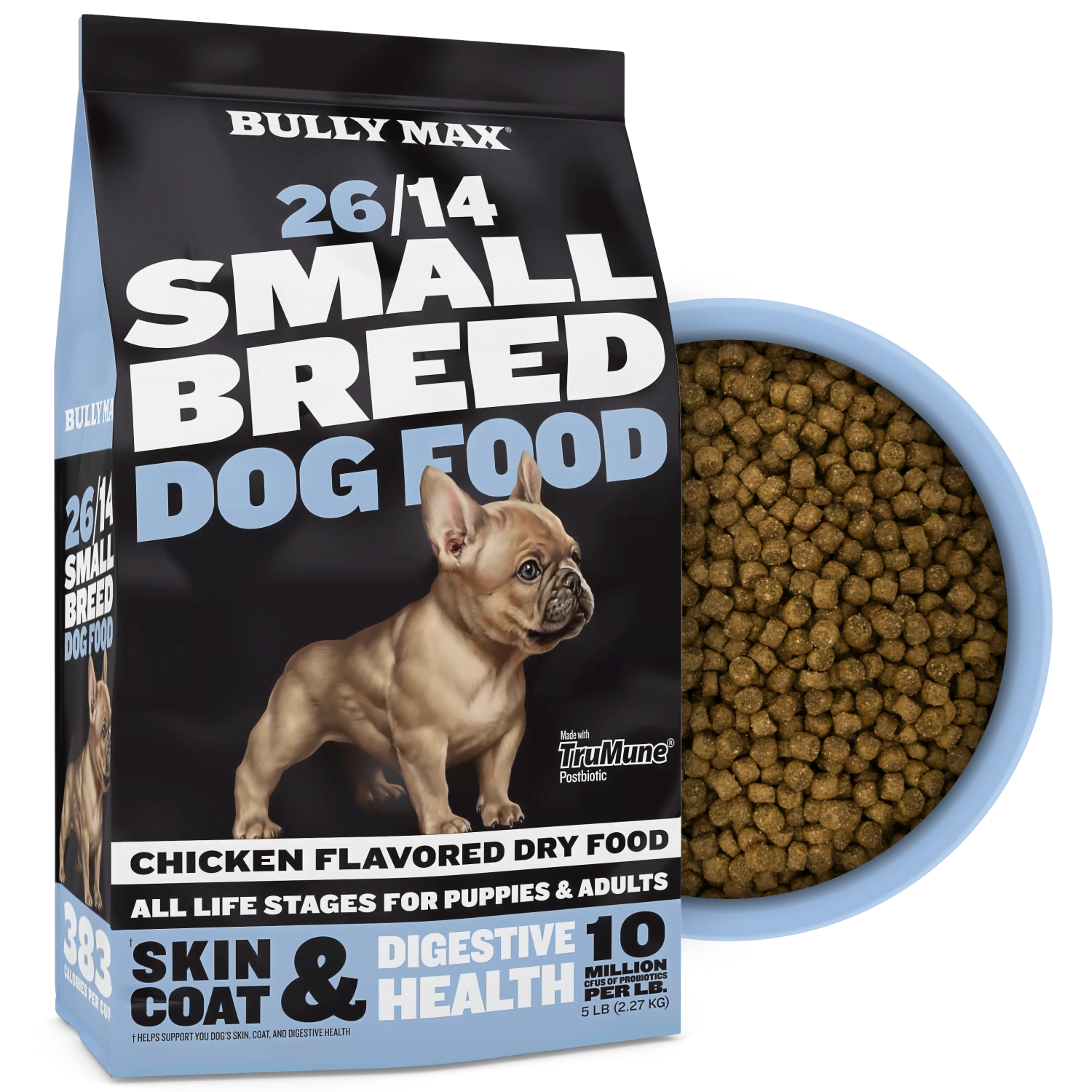
Credit: shop.bullymax.com
Frequently Asked Questions
What Is The Best Dry Dog Food For Small Breeds?
The best dry dog food for small breeds is nutrient-rich and tailored to their size. Look for high protein, healthy fats, and small kibble sizes to support their energy and dental health.
How To Choose Dry Food For Small Breed Puppies?
Choose dry food with balanced nutrients, DHA for brain development, and smaller kibble size. It should support growth and be easy for puppies to chew and digest.
Are Grain-free Dry Foods Better For Small Dogs?
Grain-free dry foods can benefit dogs with allergies but aren’t always better. Consult your vet to determine if your small dog needs grain-free options.
How Often Should I Feed Dry Food To Small Dogs?
Feed small dogs 2-3 times daily in measured portions. Regular feeding supports metabolism and prevents overeating, keeping your pet healthy and active.
Conclusion
Choosing the right dry food helps small dogs stay healthy and happy. Good nutrition supports their energy and growth every day. Always check ingredients for quality and avoid fillers. Small breeds need food made just for them. Feeding the best dry food keeps their coat shiny and digestion smooth.
Remember, healthy dogs live longer and feel better. Pick a food that fits your dog’s needs and taste. Careful choices make a big difference in your pet’s life.