

If your dog is scratching more than usual or showing signs of discomfort, a yeast infection might be the cause. You want to help your furry friend feel better quickly and safely.
But with so many medicines out there, how do you choose the best one? This guide will walk you through the top dog yeast infection medicines, so you can make the right choice for your pet’s health. Keep reading to discover which treatments work best and how to spot the signs early, giving your dog the relief they deserve.
Causes Of Dog Yeast Infections
Dog yeast infections occur when the natural balance of yeast on the skin gets disturbed. Yeast is normally present on a dog’s skin, but too much can cause problems. Understanding the causes helps prevent and treat these infections effectively.
Common Triggers
Warm, moist areas on a dog’s body encourage yeast growth. Ears, paws, and skin folds are common spots. Allergies can also trigger yeast infections by irritating the skin. Poor grooming allows dirt and moisture to build up. Antibiotic use may kill good bacteria, letting yeast grow unchecked. Stress weakens the immune system, making infections more likely.
Risk Factors
Dogs with weakened immune systems face higher risks. Breeds with floppy ears or skin folds get infections more often. Overweight dogs have more skin folds, trapping moisture. Dogs living in hot, humid climates are more prone to yeast infections. Poor diet and lack of exercise reduce a dog’s ability to fight infections. Regular vet check-ups can help catch problems early.
Symptoms To Watch For
Recognizing the symptoms of a dog yeast infection is key to early treatment. These infections can cause discomfort and worsen quickly. Watch closely for signs on your dog’s skin and in their behavior. Acting fast helps your dog feel better sooner.
Skin Signs
Look for redness and inflammation on the skin. Areas may become itchy and swollen. Your dog might scratch or lick the same spot often. You may notice a foul smell from infected areas. Patches of hair loss can also appear. The skin might look oily or flaky.
Behavioral Changes
Watch for increased irritability or restlessness. Your dog may seem tired or less active. Pawing or biting certain spots is common. Changes in eating or sleeping habits might occur. Your dog may avoid being touched in sore areas. These behaviors signal discomfort and pain.
Top Over-the-counter Medicines
Top over-the-counter medicines can help manage dog yeast infections effectively. These medicines are easy to find and can relieve symptoms quickly. Choosing the right product depends on the severity and location of the infection. Many pet owners prefer these options for their convenience and fast action. Here are some common types of over-the-counter treatments to consider.
Antifungal Creams
Antifungal creams work well on small, localized yeast infections. They reduce redness, itching, and discomfort. These creams contain ingredients that kill yeast or stop its growth. Applying the cream directly to the affected area allows fast relief. Use as directed on the label for best results. Avoid letting your dog lick the treated area to keep the medicine effective.
Medicated Shampoos
Medicated shampoos are ideal for infections covering larger skin areas. They clean the skin and remove yeast buildup. These shampoos often include antifungal agents like ketoconazole or miconazole. Regular baths with medicated shampoo can control yeast growth. Make sure to rinse your dog well to prevent irritation. Follow the instructions carefully for safe and effective treatment.
Prescription Treatments
Prescription treatments play a vital role in managing dog yeast infections. These medicines help control the infection quickly and effectively. A veterinarian must prescribe these treatments after a proper diagnosis. They ensure the right drug and dosage for your dog’s specific condition.
Oral Medications
Oral medications are a common choice for treating yeast infections in dogs. These drugs work from inside the body to fight the yeast. They are easy to give and reach all infected areas.
Common oral medicines include antifungal pills and capsules. These medicines stop yeast growth and reduce symptoms. Your vet will decide how long your dog needs the treatment. Always follow the vet’s instructions strictly for the best results.
Veterinary-recommended Options
Veterinarians may suggest various prescription options beyond oral medications. These include medicated shampoos, creams, and ointments. Such treatments help clean and soothe the skin.
Veterinary-recommended medicines target the infection directly on the skin. They reduce itching, redness, and discomfort quickly. Using these products as directed by the vet improves healing speed. Regular check-ups ensure the infection clears completely and prevents recurrence.
Natural Remedies And Home Care
Natural remedies and home care offer gentle ways to help dogs with yeast infections. These methods support healing without harsh chemicals. They focus on calming irritation and restoring balance to the skin and fur. Owners can use safe, easy treatments at home to ease symptoms. Combining these with good hygiene and vet advice often leads to better results.
Diy Treatments
Simple home treatments can soothe your dog’s yeast infection. A diluted apple cider vinegar rinse helps reduce yeast growth. Mix one part vinegar with one part water. Apply it to the affected area using a soft cloth. Avoid open wounds and sensitive spots to prevent stinging.
Coconut oil is another option. It has natural antifungal properties. Gently rub a small amount on the itchy skin. This can reduce redness and dryness. Use this treatment once or twice daily for best effects.
Diet And Supplements
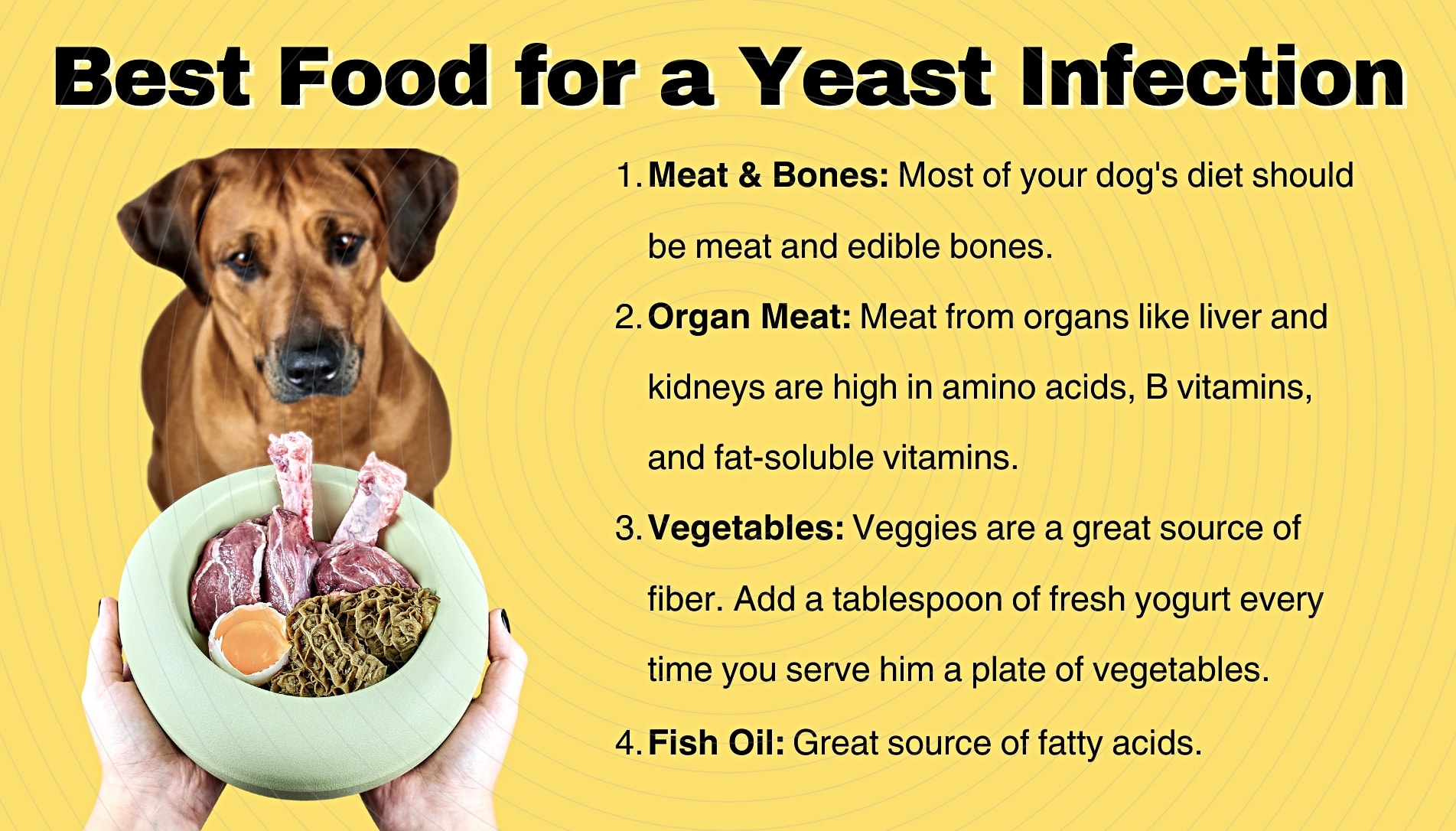
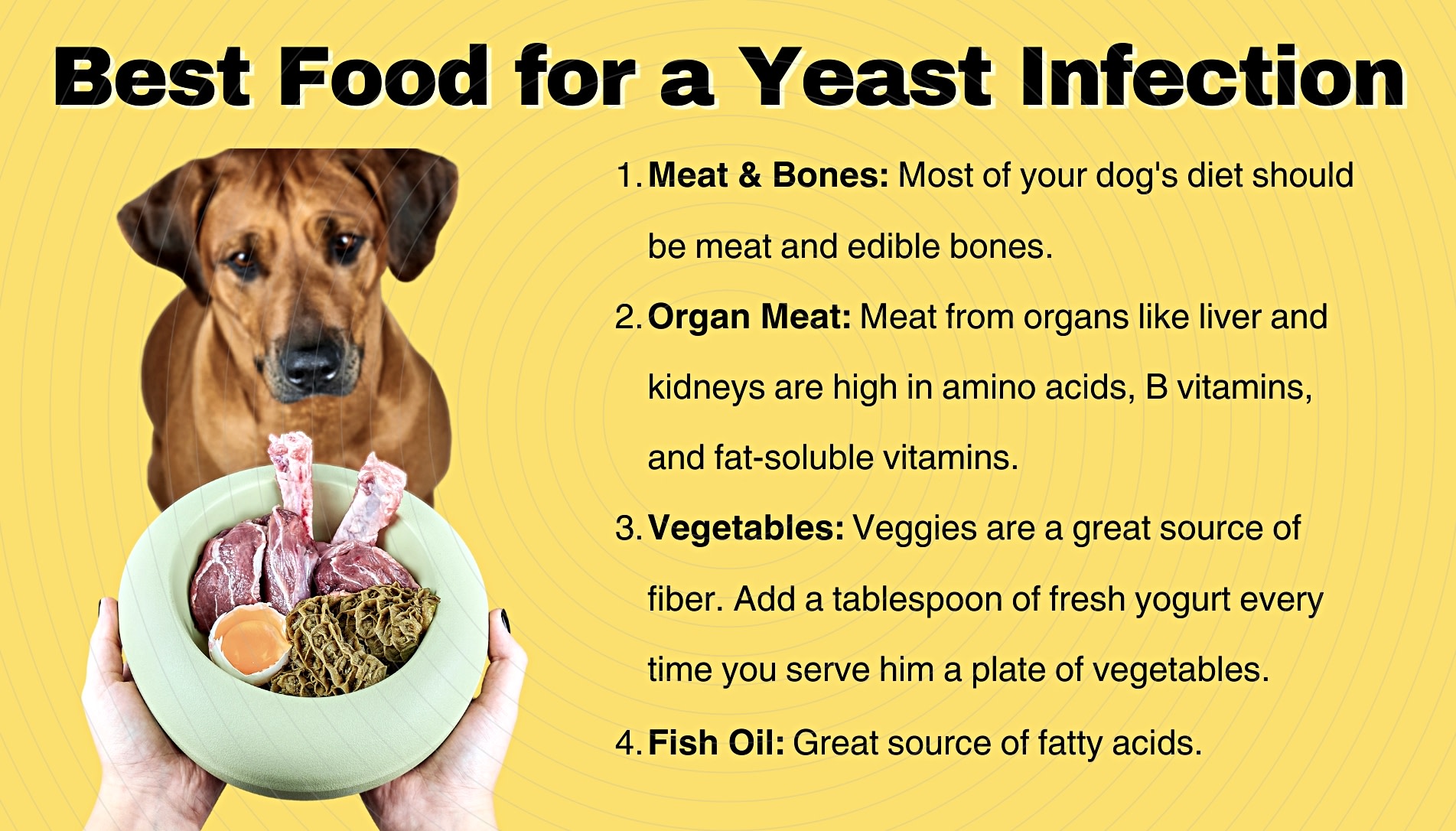
Changing your dog’s diet can lower yeast infection risks. Avoid foods high in sugar and grains. These ingredients can feed yeast and worsen symptoms. Instead, choose high-quality proteins and vegetables.
Probiotics help balance good bacteria in your dog’s gut. This supports the immune system and fights yeast overgrowth. Add probiotic supplements or yogurt to your dog’s meals. Always check with your vet before starting new supplements.
Credit: pethelpful.com
Preventing Future Infections
Stopping yeast infections before they start is very important for your dog’s health. Yeast grows well in warm, damp places. Keeping your dog clean and dry lowers the chance of infection. Small daily steps can make a big difference.
Hygiene Tips
Clean your dog’s ears and paws regularly. Use a vet-approved cleanser to remove dirt and moisture. Dry these areas well after baths or walks. Check for any redness or smell. Avoid over-bathing, which can cause skin dryness. Trim hair around ears and paws to help air flow.
Lifestyle Adjustments
Feed your dog a balanced diet to support a strong immune system. Avoid foods that cause allergies or upset the gut. Give your dog plenty of fresh water daily. Provide a dry, comfortable place to rest. Limit time in wet or muddy areas. Regular exercise helps keep your dog healthy and resistant to infections.
When To See A Vet
Knowing when to take your dog to the vet is very important for treating yeast infections. Early care helps avoid serious problems. Some signs mean it is time to get professional help. Watch your dog closely for these signs.
Signs Of Severe Infection
Severe yeast infections cause redness and swelling. Your dog may scratch or lick the skin a lot. You might see sores or a bad smell. If the infection spreads to ears or paws, visit the vet. Your dog may lose hair in infected areas. These signs show the infection needs medical care.
Treatment Resistance
Yeast infections usually improve with medicine in a few days. If your dog’s condition does not get better, see a vet. Some yeast infections resist over-the-counter treatments. The vet can prescribe stronger medicine or tests. Do not wait too long if treatment fails. Early vet care helps your dog heal fast.

Credit: www.amazon.com
Credit: pethelpful.com
Frequently Asked Questions
What Is The Best Medicine For Dog Yeast Infections?
The best medicine often includes antifungal creams or oral medications prescribed by a vet. Common choices are ketoconazole or miconazole. Always consult a vet to get the right treatment for your dog’s specific condition.
How Quickly Do Dog Yeast Infection Medicines Work?
Most dog yeast infection medicines show improvement within 3 to 7 days. Full recovery may take 2 to 4 weeks. Consistent treatment and follow-up are essential for complete healing.
Can Over-the-counter Medicines Treat Dog Yeast Infections?
Some OTC antifungal creams may help mild cases, but vet-prescribed medicines are more effective. Misuse of OTC products can worsen the infection. Always seek veterinary advice for proper diagnosis and treatment.
Are There Natural Remedies For Dog Yeast Infections?
Natural remedies like coconut oil or apple cider vinegar may help mild cases. However, they are not substitutes for vet-prescribed antifungal treatments. Always consult your vet before using natural remedies.
Conclusion
Choosing the right medicine helps your dog heal fast. Treat yeast infections early to avoid more problems. Always follow your vet’s advice for best results. Watch your dog closely during treatment. Clean your dog’s skin and keep it dry. Healthy skin means a happy, active dog.
Good care today prevents infections tomorrow. Keep learning about your dog’s health. Every small step matters for your pet’s well-being.


