

If you have an older dog, you know how important it is to keep them happy and comfortable. Choosing the right toys can make a big difference in their daily life.
But with so many options out there, how do you find the best dog toys for old dogs? You want toys that are gentle on their joints, easy to handle, and still fun enough to keep them engaged. You’ll discover top picks that match your senior dog’s needs perfectly.
Keep reading to find out how to bring more joy and comfort to your furry friend’s golden years.
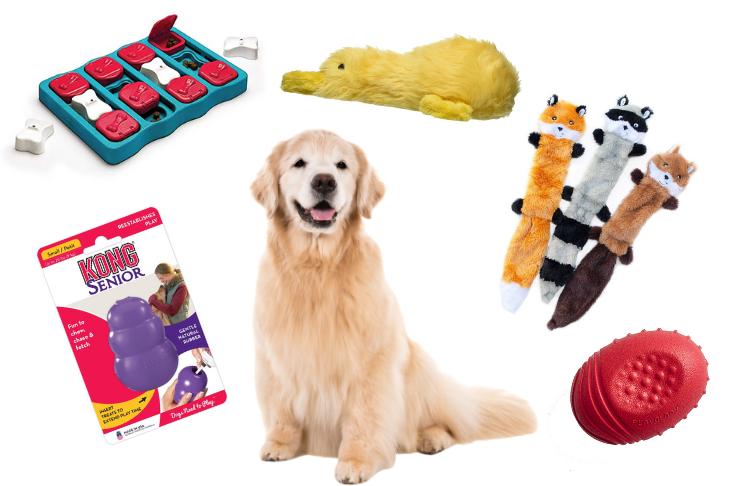
Credit: www.akc.org
Benefits Of Toys For Senior Dogs
Toys play a key role in keeping senior dogs happy and healthy. They provide more than just fun. Toys help maintain your dog’s mind, body, and emotions. Senior dogs benefit greatly from regular play and interaction. This support boosts their quality of life in many ways.
Mental Stimulation
Toys challenge your dog’s brain and keep it active. Puzzle toys and treat dispensers make them think. Mental activity slows down memory loss and confusion. It also helps prevent boredom and destructive behavior. Keeping the mind sharp is important for older dogs.
Physical Exercise
Toys encourage gentle movement and light exercise. Soft balls and chew toys promote healthy joints and muscles. Regular play helps maintain a healthy weight. Exercise improves circulation and boosts energy levels. Even small activities help senior dogs stay fit.
Emotional Comfort
Toys provide comfort and reduce anxiety in older dogs. Soft toys can act as companions during quiet times. Chewing releases stress and offers a calming effect. Playtime strengthens the bond between you and your dog. Emotional well-being is vital for senior dogs’ happiness.
Key Features To Look For
Choosing the right toys for old dogs requires special attention. Senior dogs have different needs than young dogs. Their teeth, joints, and energy levels change over time. Toys that are too hard or small can cause harm. Here are key features to consider when picking toys for older dogs.
Soft And Gentle Materials
Toys made from soft materials protect aging teeth and gums. Rubber, plush, and foam are good choices. These materials reduce the risk of pain or injury. Soft toys also offer comfort, which senior dogs often seek. Avoid hard plastics or tough nylons that can hurt sensitive mouths.
Easy To Grip And Chew
Old dogs may have weaker jaws and less strength. Toys should be easy to hold and chew without much effort. Textured surfaces or handles help dogs grip better. This makes playtime less frustrating and more enjoyable. Choose toys that encourage gentle chewing and easy biting.
Size And Safety Considerations
Select toys that match your dog’s size and chewing style. Large toys prevent choking and swallowing hazards. Avoid small parts that can break off and cause blockages. Durable but gentle toys last longer and keep your dog safe. Always check toys regularly for wear or damage.
Top Toys For Senior Dogs
Senior dogs have special needs when it comes to play. Their toys should be soft, safe, and easy to use. Choosing the right toys helps keep them happy and active. Here are some of the best types of toys for older dogs.
Plush And Cuddly Toys
Soft toys offer comfort and warmth for senior dogs. They enjoy snuggling with plush toys during rest time. These toys are gentle on aging teeth and gums. Look for ones without small parts that can be swallowed. Plush toys also provide a sense of security and calmness.
Interactive Puzzle Toys
Puzzle toys engage a dog’s mind and slow down eating. They help keep older dogs mentally sharp and entertained. Simple puzzles with large pieces work best for senior dogs. These toys encourage problem-solving without causing frustration. Mental stimulation supports overall brain health in old dogs.
Gentle Chew Toys
Chewing is natural and soothing for dogs of all ages. Gentle chew toys protect older dogs’ fragile teeth and gums. Choose toys made from soft rubber or silicone. Avoid hard or sharp materials that can cause pain. These toys help reduce stress and keep jaws strong.

Credit: www.akc.org
Diy Toy Ideas For Older Dogs
DIY toys offer great fun for older dogs. These toys keep their minds sharp and bodies active. Making toys at home is easy and cheap. You can use safe materials that suit your dog’s needs. Simple toys help reduce stress and boredom. Here are some easy ideas for DIY dog toys.
Homemade Treat Dispensers
Older dogs love treats and gentle play. Use plastic bottles or boxes to create treat dispensers. Cut small holes for treats to fall out slowly. Your dog will enjoy figuring out how to get the treats. This activity keeps their brain busy without too much effort. Always check toys for sharp edges before giving them to your dog.
Soft Fabric Toys
Soft toys are gentle on older dogs’ teeth. Use old t-shirts or towels to make these toys. Cut strips, braid them, and tie knots tightly. These toys are easy to chew and squeeze. You can add a small squeaker inside for extra fun. Soft fabric toys are great for dogs with sensitive gums or missing teeth.
Scented Toys For Engagement
Scented toys stimulate an older dog’s strong sense of smell. Dab a bit of dog-safe essential oil or add herbs inside fabric toys. Lavender and chamomile help calm nervous dogs. Change scents regularly to keep your dog interested. Scented toys encourage sniffing and gentle play. This is good exercise for both mind and nose.
Tips To Keep Senior Dogs Engaged
Keeping senior dogs engaged is important for their happiness and health. As dogs age, their energy and interest in toys can change. Simple steps help keep them active and entertained.
Focus on gentle play and variety. Small changes can make a big difference in their mood and activity level.
Rotate Toys Regularly
Offer a few toys at a time, then swap them out every few days. This keeps toys fresh and exciting. It also prevents boredom and encourages your dog to explore new objects.
Incorporate Playtime Into Routine
Set specific times each day for play. Senior dogs benefit from regular, gentle activity. Short sessions help maintain their interest and build a comforting habit.
Monitor For Wear And Tear
Check toys often for damage. Old dogs may chew less, but broken toys can be unsafe. Replace worn toys quickly to avoid choking hazards or injuries.

Credit: yumove.co.uk
Frequently Asked Questions
What Are The Best Toys For Senior Dogs?
The best toys for senior dogs are soft, gentle, and easy to chew. Look for toys that promote mental stimulation and are made from non-toxic materials. Avoid hard or noisy toys that may irritate sensitive teeth or joints.
How Do Dog Toys Benefit Old Dogs?
Dog toys help keep old dogs mentally active and physically engaged. They reduce boredom and anxiety, improve joint mobility, and provide gentle exercise. Toys also strengthen the bond between owner and pet through interactive play.
Which Materials Are Safest For Older Dog Toys?
Safe materials for older dog toys include soft rubber, plush fabric, and durable foam. Avoid hard plastics or materials that can splinter. Choose non-toxic, hypoallergenic options to protect sensitive gums and teeth.
Can Toys Help With Arthritis In Old Dogs?
Yes, toys designed for gentle chewing and light play can ease arthritis discomfort. Soft, flexible toys encourage movement without stressing joints. Regular play with such toys promotes joint flexibility and reduces stiffness.
Conclusion
Choosing the right toys keeps old dogs happy and active. Soft, gentle toys protect aging teeth and joints. Toys that stimulate their mind help slow memory loss. Simple designs make play easier and more fun. Every dog deserves comfort and joy in their senior years.
Try different toys to see what your dog enjoys most. Enjoy the special moments playtime brings with your loyal friend.


