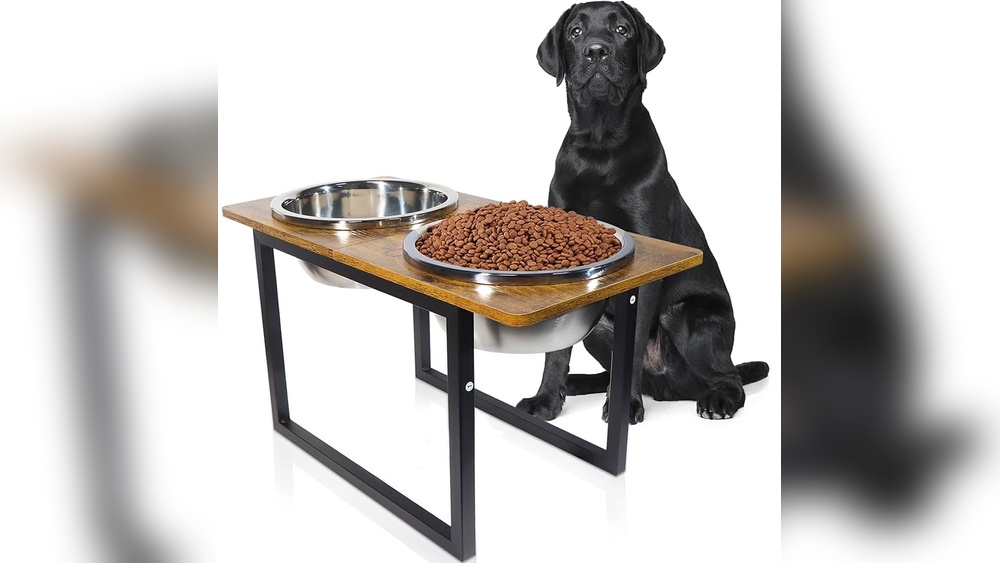
Choosing the best dog food for your extra large breed is more important than you might think. Your dog’s size means they have unique needs that regular dog food just can’t meet.
You want to keep your big friend healthy, strong, and full of energy for years to come. But with so many options out there, how do you know which one is truly the best? Keep reading, because we’ll help you find the perfect food that supports your dog’s joints, digestion, and overall well-being.
Your extra large dog deserves the best—let’s make sure you give it to them.
Credit: www.chewy.com
Nutritional Needs Of Giant Dogs
Giant dogs have special needs. Their size makes their nutrition very important. Feeding them right helps them stay strong and healthy. Their diet must support their big bodies and busy lives.
Choosing food for extra large breeds means understanding their unique needs. They require more energy and nutrients than smaller dogs. The right balance of calories, protein, fat, vitamins, and minerals is key.
Calorie Requirements
Giant dogs burn more energy daily. They need more calories than smaller dogs. Too few calories cause weight loss and weakness. Too many calories lead to obesity and joint problems. A balanced calorie intake keeps their weight steady and muscles strong.
Protein And Fat Ratios
Protein builds and repairs muscles in giant dogs. Their large frames need high-quality protein sources. Fat provides energy and helps absorb vitamins. A good dog food has balanced protein and fat levels. This supports muscle health and keeps energy steady throughout the day.
Essential Vitamins And Minerals
Vitamins and minerals support many body functions. Calcium and phosphorus build strong bones and teeth. Vitamins A, C, and E boost the immune system. Zinc and selenium help skin and coat health. Proper amounts of these nutrients keep giant dogs active and healthy.
Key Ingredients To Look For
Choosing the right dog food for extra large breeds means checking the ingredients carefully. These dogs have special needs due to their size and growth rate. The best dog food supports their muscles, bones, and overall health. Certain ingredients play a key role in meeting these needs.
High-quality Proteins
Proteins help build and maintain strong muscles. Look for named meat sources like chicken, beef, or fish. Avoid foods with vague terms like “meat meal” or “by-products.” High-quality proteins provide essential amino acids for energy and repair. Large breeds need more protein to support their big bodies.
Healthy Fats
Fats give energy and keep the coat shiny. Omega-3 and Omega-6 fatty acids help reduce inflammation. These fats support brain function and skin health. Fish oil and flaxseed are good sources. Healthy fats also help with joint comfort in large dogs.
Digestible Carbohydrates
Carbohydrates supply energy in a gentle way. Whole grains like brown rice and oats are easy to digest. Vegetables like sweet potatoes offer fiber and vitamins. Avoid too many fillers like corn or wheat. Proper carbs help keep digestion smooth and energy steady.
Joint Support Additives
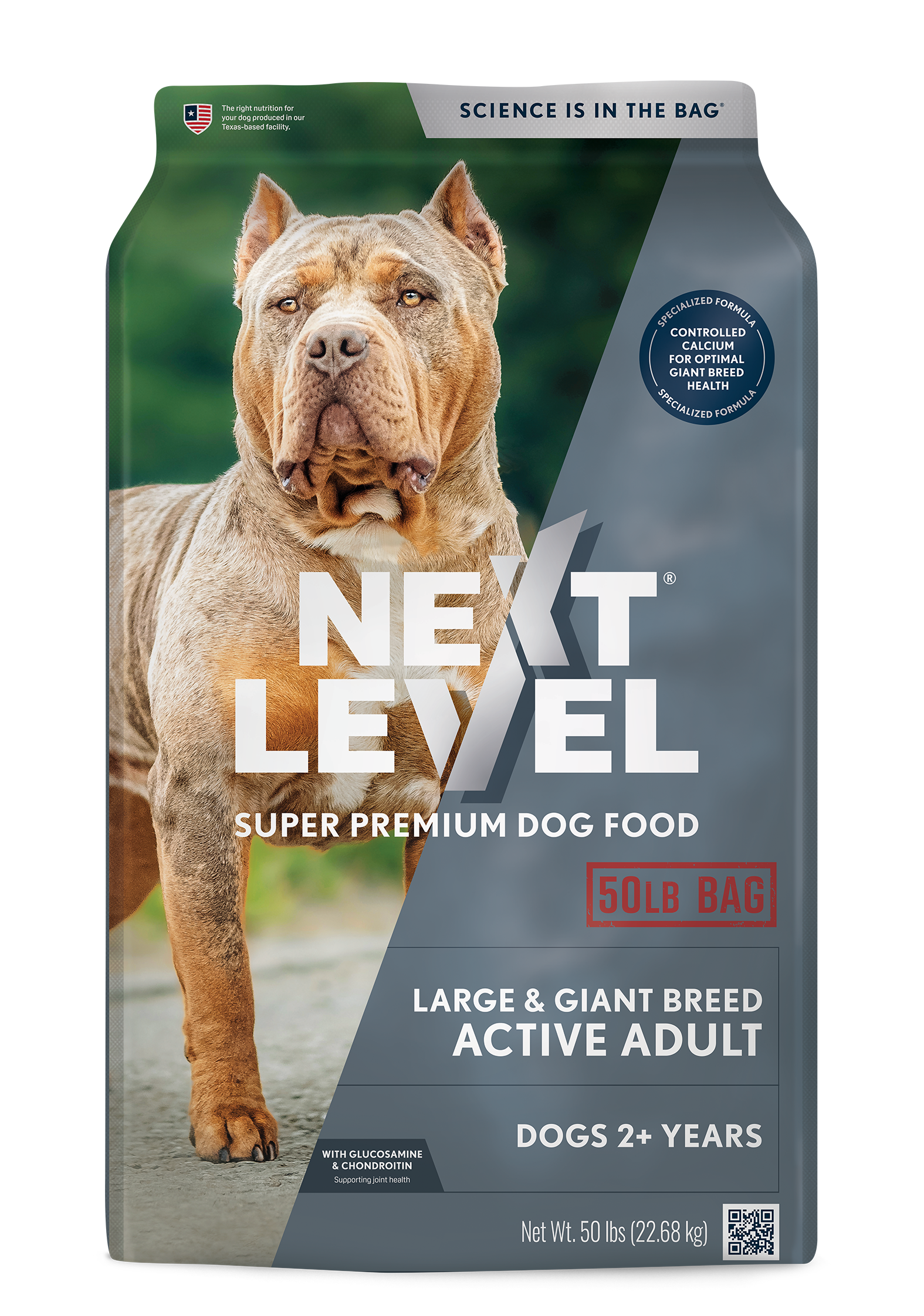
Extra large breeds often face joint problems. Ingredients like glucosamine and chondroitin protect joints and cartilage. They help reduce pain and improve mobility. Some foods include green-lipped mussel extract for added support. These additives help keep big dogs active and comfortable.
Top Dog Food Brands For Extra Large Breeds
Choosing the right dog food brand is very important for extra large breeds. These dogs have special needs for their size and health. The best dog food supports their joints, bones, and energy levels. Many brands offer formulas made just for these big dogs. It helps to know which brands provide the best nutrition and value.
Premium Options
Premium dog foods use high-quality ingredients. They often contain real meat as the main ingredient. These foods include added vitamins and minerals for strong bones. They also have supplements like glucosamine for joint health. Brands like Blue Buffalo and Orijen offer excellent premium choices. These foods give extra large breeds the nutrition they need to thrive.
Budget-friendly Choices
Budget-friendly brands still provide good nutrition. They use a mix of meat and grains for energy. These foods keep your dog healthy without high costs. Brands such as Diamond Naturals and Nutro are known for value. They balance price and quality well for large dogs. These options fit well for owners on a budget.
Grain-free Alternatives
Some dogs need grain-free diets due to allergies or digestion issues. Grain-free dog foods replace grains with vegetables and legumes. These foods often have more protein and fat for energy. Brands like Merrick and Taste of the Wild offer grain-free formulas. These options help dogs with sensitive stomachs feel better.
Special Considerations For Giant Dogs
Giant dog breeds have unique needs that require special care. Their size affects how they eat, move, and stay healthy. Choosing the right food helps keep them strong and happy. This section highlights key points to consider for giant dogs.
Managing Weight
Extra large dogs can gain weight quickly. Too much weight strains their heart and joints. Choose dog food with balanced calories and nutrients. Measure meals to avoid overfeeding. Regular exercise also helps keep weight in check.
Supporting Joint Health
Giant breeds often face joint problems like arthritis. Look for dog food with glucosamine and chondroitin. These ingredients support cartilage and joint repair. Omega-3 fatty acids reduce inflammation and improve mobility. Healthy joints mean a happier, more active dog.
Avoiding Bloat
Bloat is a serious risk for giant dogs. It happens when the stomach fills with gas or twists. Feed smaller, frequent meals instead of one large meal. Avoid vigorous exercise right after eating. Choose dog food that digests easily to lower bloat risk.
Homemade Vs. Commercial Dog Food
Choosing the best food for extra large dog breeds can be tricky. Many pet owners debate between homemade and commercial dog food. Each option has its own benefits and challenges. Understanding these can help you make the right choice for your dog’s health and happiness.
Pros And Cons
Homemade dog food lets you control ingredients and avoid fillers. You can tailor meals to your dog’s specific needs. It can be fresh and free from preservatives. On the downside, making balanced meals requires knowledge and time. Nutrient gaps may occur if not planned well.
Commercial dog food is convenient and made to meet nutritional standards. It saves time and effort for busy owners. Many brands offer formulas designed for extra large breeds. Some products contain artificial additives or low-quality ingredients. Always check the label for quality and suitability.
Safety Tips
When preparing homemade meals, cook all meats thoroughly. Avoid toxic foods like onions, garlic, and chocolate. Store food properly to prevent spoilage. Consult a vet before changing your dog’s diet. For commercial food, choose reputable brands with clear ingredient lists. Monitor your dog for any allergic reactions or digestive issues.
Balanced Meal Ideas
Combine lean meats like chicken or beef with cooked vegetables. Add grains such as rice or oats for energy. Include healthy fats from fish oil or flaxseed. Use supplements like calcium or vitamins if needed. Ensure meals have the right protein, fat, and fiber balance. Rotate ingredients to provide variety and nutrition.

Credit: www.amazon.com
Feeding Schedules And Portion Control
Feeding schedules and portion control are key for extra large dog breeds. These dogs have unique needs due to their size and energy. Proper feeding helps maintain their health and supports strong bones and muscles. It also prevents obesity and digestive issues. Setting clear feeding times and controlling portions keeps your dog happy and healthy.
Daily Feeding Guidelines
Feed your large dog two to three times each day. Divide the daily amount into equal meals. Avoid free feeding to prevent overeating. Use a measuring cup for accuracy. Follow the dog food label’s recommended amounts for large breeds. Adjust the amount based on your dog’s needs and vet advice.
Adjusting Portions By Age And Activity
Puppies need more food for growth. Feed them more often, about three to four times daily. Adult dogs eat less but need balanced nutrition. Older dogs may eat less due to lower activity. Adjust portions if your dog is very active or mostly resting. Monitor how your dog responds to changes in food.
Monitoring Your Dog’s Weight
Check your dog’s weight regularly. Use a scale or visit the vet for accurate checks. Look for signs of weight gain or loss. Feel your dog’s ribs; they should be easy to feel but not visible. Track your dog’s body condition score to keep ideal weight. Adjust feeding portions to maintain a healthy weight.
Credit: nextlevelpetfood.com
Frequently Asked Questions
What Nutrients Are Essential For Extra Large Breed Dogs?
Extra large breed dogs need protein, fat, calcium, and glucosamine. These nutrients support muscle growth, joint health, and bone strength. Balanced nutrition helps maintain their overall health and energy levels.
How Much Food Should Extra Large Breeds Eat Daily?
Feed extra large breeds based on weight, age, and activity. Typically, they need 4 to 6 cups of high-quality dog food daily. Always follow specific feeding guidelines on the dog food package.
Can Extra Large Breeds Eat Regular Dog Food?
Regular dog food may lack nutrients for extra large breeds. Specialized formulas contain joint support and controlled calcium levels. Choosing breed-specific food promotes better growth and long-term health.
Why Is Joint Support Important For Extra Large Breeds?
Extra large breeds are prone to joint issues due to their size. Joint support ingredients like glucosamine reduce arthritis risk and improve mobility. Proper nutrition helps maintain healthy joints and active lifestyles.
Conclusion
Choosing the right food helps your large dog stay strong and healthy. Good nutrition supports their bones, muscles, and energy. Always check ingredients for quality and balance. Feeding your dog well means fewer health problems later. Remember, each dog is unique and needs proper care.
Trust your knowledge and watch your dog thrive every day. Quality dog food makes a big difference in their life. Keep your big friend happy with the best food choices.