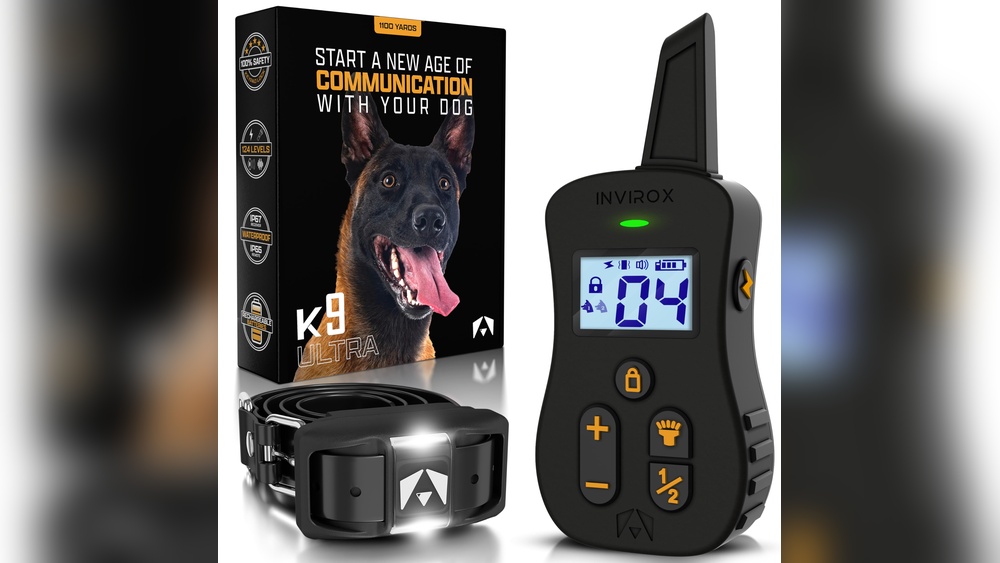
If you’re struggling to train your dog and want a reliable tool to help improve their behavior, you’ve probably heard about shock training collars. But with so many options out there, how do you find the best dog shock training collar that’s safe, effective, and fits your needs?
This guide will walk you through the top choices, helping you make a smart decision for your furry friend. Keep reading to discover how the right collar can transform your training sessions and bring out the best in your dog.

Credit: www.amazon.com
Benefits Of Shock Training Collars
Shock training collars offer clear benefits for dog owners and pets. They help manage behavior and improve training results. These collars create a stronger bond between owner and dog through better communication. Safe use of these collars supports a positive training experience.
Improved Behavior Control
Shock collars help correct unwanted behaviors quickly. Dogs learn limits and rules faster. This control reduces frustration for owners and pets. Consistent signals help dogs understand what is expected. Behavior problems like barking and jumping decrease effectively.
Enhanced Communication
These collars provide clear, immediate feedback to dogs. Owners can give signals from a distance. Dogs connect actions with consequences faster. The collar’s signals act as a language between owner and dog. This improves training sessions and daily interactions.
Safety Features
Many shock collars have built-in safety options. They limit the strength and length of the shock. Some models include vibration or sound as alternatives. These features prevent harm and reduce stress. Safe collars protect dogs while helping with training.
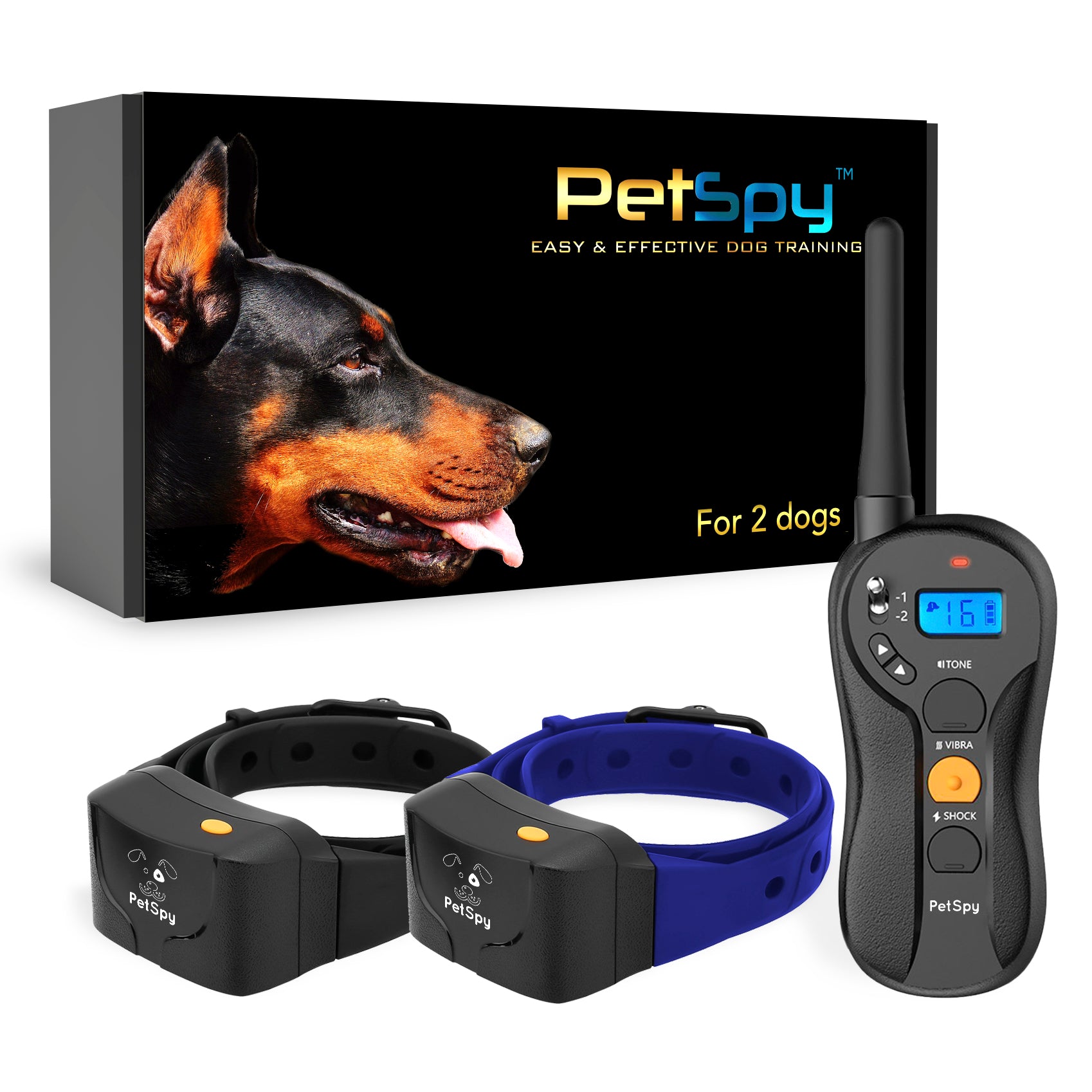
Credit: petspy.com
Types Of Shock Training Collars
Shock training collars come in different types to suit various training needs. Each type offers unique features and ways to communicate with your dog. Choosing the right collar depends on your dog’s size, behavior, and sensitivity.
Static Shock Collars
Static shock collars deliver a mild electric pulse to the dog’s neck. The pulse is safe but noticeable, helping to correct unwanted behavior. Intensity levels can often be adjusted for comfort and effectiveness. These collars work best for dogs that need firm guidance.
Vibration And Sound Collars
Vibration and sound collars use gentle vibrations or tones to get your dog’s attention. These are less intense than static shocks and are good for sensitive dogs. They can help with training without causing discomfort. These collars are ideal for teaching commands and reducing barking.
Remote Controlled Collars
Remote controlled collars allow you to send signals from a distance. You can choose static shock, vibration, or sound modes on many models. This feature helps train dogs in open spaces or during walks. It provides precise control over the training process.
Key Features To Consider
Choosing the right dog shock training collar needs careful thought. Certain features affect how well the collar works. These features help keep your dog safe and comfortable. They also make training easier and more effective.
Understanding what to check can save time and money. Focus on what matters most for your dog’s size and behavior. Below are key features to keep in mind before buying.
Adjustable Intensity Levels
Different dogs need different shock strengths. A collar with adjustable intensity lets you choose the right level. Start with the lowest setting and increase only if needed. This control helps avoid hurting your dog. It suits small dogs and big dogs alike.
Range And Battery Life
Range shows how far you can be from your dog. Longer range means more freedom during training. Battery life affects how long the collar works without charging. Look for collars with rechargeable batteries. A long battery life prevents interruptions.
Water Resistance
Dogs love playing outside, even in wet weather. Water-resistant collars last longer and work better in rain or puddles. This feature protects the collar from damage. Make sure the collar fits your dog’s outdoor lifestyle.
Comfort And Fit
A collar must fit your dog well to avoid discomfort. It should be adjustable to match your dog’s neck size. Soft materials prevent skin irritation and chafing. A comfortable collar makes training more effective and safe.
Top Dog Shock Training Collars
Choosing the right dog shock training collar can help improve your dog’s behavior. These collars offer different features to suit various needs and dog sizes. The right collar gives you control and helps with training faster.
Below are some top dog shock training collars that stand out for quality, price, and size. Each one works well for specific types of dogs or budgets.
Best Overall Collar
The best overall collar offers a balance of features and reliability. It has multiple stimulation levels and a long-range remote. The design is durable and fits most dogs comfortably. This collar suits most training needs and dog sizes.
Best Budget Option
The best budget collar provides basic training functions at a low price. It includes adjustable shock levels and a simple remote. The collar is lightweight and easy to use. It is perfect for owners who want an affordable training tool.
Best For Large Dogs
Large dogs need collars with strong stimulation and sturdy design. This collar has a powerful shock and a wide adjustable strap. It can handle bigger necks and heavier dogs. The remote has a good range for outdoor training.
Best For Small Dogs
Small dogs require gentle stimulation and a lightweight collar. This model offers low shock levels and a slim collar size. It is soft on small necks and easy to wear. The remote control is simple and user-friendly.
Training Tips With Shock Collars
Training a dog with a shock collar requires care and patience. Using the collar correctly helps your dog learn faster. It also keeps training safe and effective. Follow these tips to get the best results.
Proper Collar Placement
Place the collar high on your dog’s neck, just below the ears. This spot ensures the dog feels the correction clearly. Avoid loose collars. The collar should fit snugly but not too tight. Check the fit every day during training.
Gradual Intensity Increase
Start with the lowest shock setting. Watch your dog’s reaction closely. Increase the intensity slowly if the dog does not respond. Never use a high shock level at the start. The goal is gentle guidance, not pain.
Combining With Positive Reinforcement
Use treats and praise along with the shock collar. Reward your dog for good behavior immediately. Positive reinforcement helps your dog learn what is right. This method creates trust between you and your pet.
Avoiding Common Mistakes
Do not leave the collar on your dog for too long. Avoid shocking your dog out of anger or frustration. Never use the collar as the only training tool. Consistency and patience are key to success.
Credit: www.outdoorlife.com
Safety And Ethical Considerations
Shock training collars can help with dog behavior, but safety and ethics matter most. Owners must think about their pet’s well-being before using these devices. Understanding risks and laws helps make better choices.
Training should always be kind and fair. Dogs learn best with patience, not fear.
Health Risks To Dogs
Shock collars may cause physical pain and stress. Some dogs show signs of anxiety or fear. Long-term use can harm a dog’s mental health. Skin burns or injuries might happen if used wrongly. Always watch your dog’s reaction closely.
Legal Regulations
Many countries have rules about shock collar use. Some places ban or limit them. Knowing local laws helps avoid fines or trouble. Check government websites or animal groups for updates. Follow all laws to protect your pet and yourself.
Alternative Training Methods
Positive reinforcement works well for most dogs. Treats, praise, and toys motivate good behavior. Clicker training is a gentle, effective option. Professional trainers often recommend reward-based methods. These approaches build trust and make learning fun.
Frequently Asked Questions
What Are The Benefits Of Dog Shock Training Collars?
Dog shock collars help improve obedience and correct unwanted behaviors. They provide immediate feedback, making training faster and more effective. These collars are adjustable and can be used safely with proper guidance. They are ideal for outdoor training and controlling excessive barking.
Are Shock Training Collars Safe For Dogs?
Yes, shock collars are safe when used correctly. Always start at the lowest setting and monitor your dog’s reaction. Avoid prolonged use and never leave the collar on unsupervised. Proper training and humane use ensure safety and effectiveness without causing harm.
How Do I Choose The Best Shock Training Collar?
Look for adjustable intensity levels and reliable remote control range. Consider the collar’s fit, battery life, and waterproof features. Read user reviews and check for additional training modes. Choose collars from reputable brands with clear safety guidelines.
Can Shock Collars Be Used For All Dog Breeds?
Shock collars can be used for most breeds but suitability varies. Small or sensitive dogs may require lower intensity settings. Always consult with a vet or trainer before starting shock collar training. Proper adjustment ensures comfort and avoids stress for your dog.
Conclusion
Choosing the right dog shock training collar can help with behavior. These collars support clear and consistent communication with your pet. Always use them carefully and follow instructions to avoid harm. Training takes time, patience, and kindness to see good results.
Remember, collars are tools, not solutions by themselves. Pair them with positive reinforcement for best success. Your dog will learn better and stay safe this way. Trust the process and keep your dog’s well-being first.