

Are you worried about keeping your dog safe without the hassle of a traditional fence? Imagine giving your furry friend the freedom to roam while knowing they’ll stay within your yard.
The best dog invisible fence system can make that possible. You’ll discover how these systems work, what to look for, and which options give you the most reliable protection. Keep reading to find the perfect invisible fence that fits your needs and keeps your dog secure.
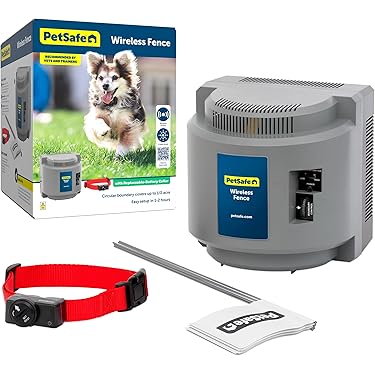
Credit: www.amazon.com
Choosing The Right Invisible Fence
Choosing the right invisible fence for your dog is important for safety and comfort. This decision affects how well your dog stays within boundaries without stress. Many types of fences exist, each with unique features. Consider your dog’s size, behavior, and yard layout. Your budget also plays a key role. Understanding these points helps you pick the best system for your pet’s needs.
Types Of Invisible Fences
There are three main types of invisible fences. Wired fences use a buried wire that creates a boundary. Wireless fences send signals from a central transmitter. Hybrid fences combine wired and wireless features. Each type suits different yard sizes and dog temperaments. Wired fences work well for large yards. Wireless fences fit smaller or irregular spaces. Hybrid fences offer flexible coverage.
Factors To Consider
Think about your dog’s size and temperament. Some fences suit small dogs better. Others handle large, active dogs. Check the fence’s range and boundary shape. Is your yard simple or complex? Look for adjustable correction levels. Your dog should feel safe, not scared. Also, consider battery life and collar comfort. Easy installation is a plus. Ensure the system comes with clear instructions.
Budget And Costs
Invisible fences vary in price from affordable to premium. Basic systems cost less but have fewer features. Higher-end models offer more control and durability. Include installation costs if you need help. Replacement parts and batteries add to expenses. Think about long-term costs, not just upfront price. Choose a system that fits your budget and needs. Quality matters for your dog’s safety.

Credit: www.renardo-puffinou.fr
Top Invisible Fence Brands
Choosing the right invisible fence for your dog is important. The best brands offer safety, comfort, and reliability. They provide clear boundaries without harming your pet. These brands have proven records and many happy customers. Let’s explore some top invisible fence brands and what makes them stand out.
Features Comparison
Top brands offer different features for pet safety. Some fences have adjustable shock levels to suit your dog’s size. Others include GPS tracking for extra security. Battery life varies, with some systems lasting weeks before recharge. Wireless options allow easy setup without digging. Wired systems cover larger areas but need more work. Look for systems with clear warning signals and easy controls.
Customer Reviews
Customers share real experiences with each brand. Many praise ease of use and training support. Some report that their dogs quickly learned the boundaries. Others mention helpful customer service for setup questions. Common concerns include discomfort if the shock is too strong. Brands with consistent positive reviews often have loyal users. Reading reviews helps find a system that fits your needs.
Warranty And Support
Reliable brands offer solid warranties for peace of mind. Most provide at least one year of coverage. Some extend warranties for up to three years. Good support includes phone help and online resources. Quick response times are key for troubleshooting. Some brands offer replacement parts free of charge. Warranty terms show how much the company trusts its product.
Installation Tips
Installing an invisible dog fence system needs careful planning. Proper setup ensures your pet stays safe and secure. Follow these tips to install the system correctly and avoid problems.
Preparing Your Yard
Clear the area where you plan to install the fence wire. Remove sticks, stones, and sharp objects. Check for underground cables or pipes to avoid damage. Mark the boundary clearly using flags or chalk. This helps you lay the wire in a straight, even line.
Step-by-step Setup
Start by connecting the transmitter to a power source inside your home. Lay the boundary wire around your yard according to the marked line. Bury the wire 1 to 3 inches under the soil for protection. Connect the wire ends back to the transmitter to complete the loop. Test the system using the collar to check if it works properly.
Common Installation Mistakes
Avoid crossing wires as it cancels the signal. Do not place the transmitter near metal objects or water heaters. Make sure the wire is tight and secure to stop it from moving. Do not install the collar transmitter too close to other electronic devices. Check the system regularly for any wire breaks or damage.

Credit: www.cordell-hull.org
Training Your Dog
Training your dog to use an invisible fence system takes patience and clear steps. Dogs learn best through consistency and gentle guidance. This helps your dog understand the boundary without fear or confusion. The process builds trust and keeps your dog safe within the yard.
Introducing The Fence
Start by showing your dog the boundary area. Walk the fence line with a leash. Let your dog see and smell the area. Use flags or markers to make the boundary clear. Stay close and calm during this phase. Avoid any sudden corrections.
Positive Reinforcement Techniques
Reward your dog when it stays inside the boundary. Use treats or praise to encourage good behavior. This helps your dog link the fence with positive feelings. Keep training sessions short and fun. Repeat often to build strong habits.
Handling Challenges
Some dogs may test the limits or feel confused. Stay patient and keep training consistent. Avoid punishment; instead, guide your dog back calmly. If problems persist, review the fence setup or seek help. Understanding your dog’s needs is key to success.
Maintaining The System
Maintaining your dog invisible fence system is important for safety and long-lasting use. Regular care keeps the system working well. It also helps avoid unexpected problems. Small checks can save time and money. Here is how to maintain the system easily.
Battery And Collar Care
Check the collar battery often. Replace it before it dies. Use the right battery type for your collar. Clean the collar contacts to keep good signals. Avoid water damage by removing the collar during baths. Store the collar in a dry place when not in use. A well-kept collar lasts longer and works better.
Regular Testing
Test the system every few weeks. Walk near the boundary with the collar on. Check if the warning beep works. Confirm the static correction activates only near the boundary. Test both the transmitter and collar for full function. Fix any issues immediately to keep your dog safe.
Troubleshooting Issues
Look for weak signals or no beep from the collar. Check battery levels and replace if low. Inspect the boundary wire for breaks or damage. Ensure the transmitter is plugged in and working. Reset the system after repairs. Contact support if problems continue. Quick action prevents system failure and keeps your pet secure.
Safety Considerations
Safety is the top priority when choosing an invisible fence system for your dog. This system uses signals to keep pets within a set area without a physical barrier. Understanding safety aspects helps prevent harm and ensures your dog’s well-being.
Health Impact On Dogs
Invisible fences deliver a mild shock to warn dogs. Some pets may feel stress or fear from this shock. Dogs with sensitive skin or health issues might have reactions. Monitor your dog’s behavior closely after installation. Proper training reduces stress and helps dogs adapt. Consult a vet if your dog shows signs of anxiety or pain.
Legal Regulations
Rules about invisible fences vary by location. Some places require specific warnings for these fences. Certain laws protect dogs from harsh training methods. Check local regulations before installing a system. Complying with laws helps avoid fines and legal trouble. Understanding rules also ensures your dog’s safety.
Alternatives To Invisible Fences
Physical fences offer a clear boundary and prevent escapes. Training your dog to stay within limits is effective. Leashes or tie-outs control dogs safely outdoors. Electronic collars with sound warnings cause less stress. Choose an option that fits your dog’s personality and needs. Safety and comfort matter most for your pet.
Frequently Asked Questions
What Is An Invisible Dog Fence System?
An invisible dog fence uses a hidden boundary wire to keep dogs safe. It delivers a mild correction if dogs cross the limit. This system avoids physical fences and allows pets freedom to roam safely within set boundaries.
How Does An Invisible Dog Fence Work?
The system uses a transmitter connected to a boundary wire. When a dog approaches the boundary, its collar receives a warning beep. If the dog continues, it gets a gentle static correction to deter crossing.
Are Invisible Fences Safe For Dogs?
Yes, invisible fences are safe when used properly. The correction is mild and designed not to harm dogs. Training your dog to understand the boundary ensures a safe and effective system.
Can Invisible Fences Be Used For All Dog Sizes?
Invisible fences work for most dogs, from small to large. Some collars have adjustable correction levels to suit different sizes and temperaments. Always check product specs for compatibility with your dog.
Conclusion
Choosing the best dog invisible fence system keeps pets safe and secure. It helps dogs stay within boundaries without harm. Easy installation and clear signals make training simple. Durable materials ensure long-lasting protection in all weather. Select a system that fits your yard size and dog’s temperament.
A good fence gives peace of mind for pet owners. Safety and comfort matter most for your furry friend. Think about your dog’s needs before making a choice. This way, your pet enjoys freedom and stays protected.


