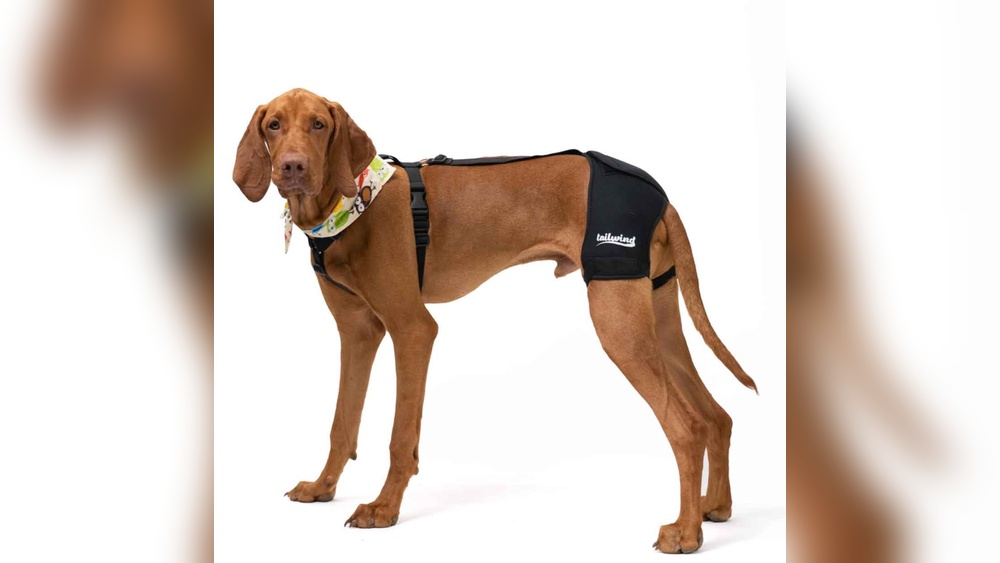
If your dog struggles with hip dysplasia, you know how important it is to find the right support. A good dog harness can make a big difference in their comfort and mobility.
But with so many options out there, how do you choose the best one for your furry friend? You’ll discover the top harnesses designed to ease hip pain and keep your dog moving happily. Keep reading to find the perfect fit that protects your dog’s hips and improves their quality of life.

Credit: zoomadog.co.uk
Causes And Symptoms Of Hip Dysplasia
Hip dysplasia is a common joint problem in dogs. It affects the hip joint’s proper formation and function. Understanding the causes and symptoms helps in early care and treatment. This section explains the main causes and signs of hip dysplasia.
Genetic And Environmental Factors
Hip dysplasia often runs in families. Some dog breeds are more likely to have it. Large breeds like German Shepherds and Labradors have a higher risk. Environment also plays a role. Poor nutrition and rapid growth can worsen the condition. Overweight dogs face more stress on their hips. Rough exercise or injury can trigger symptoms.
Recognizing Early Signs
Early signs may be subtle. Watch for difficulty rising or reluctance to run. Limping or uneven walking can appear. Dogs may show pain when touched near hips. Less interest in play or exercise is common. Early detection helps manage pain and slow damage.
Impact On Mobility
Hip dysplasia limits a dog’s movement. Stiffness and weakness often develop over time. Dogs may struggle climbing stairs or jumping. Long walks become tiring or painful. As the condition worsens, mobility decreases further. Proper support and care improve quality of life.
Credit: orthodog.com
Why Harnesses Matter For Hip Dysplasia
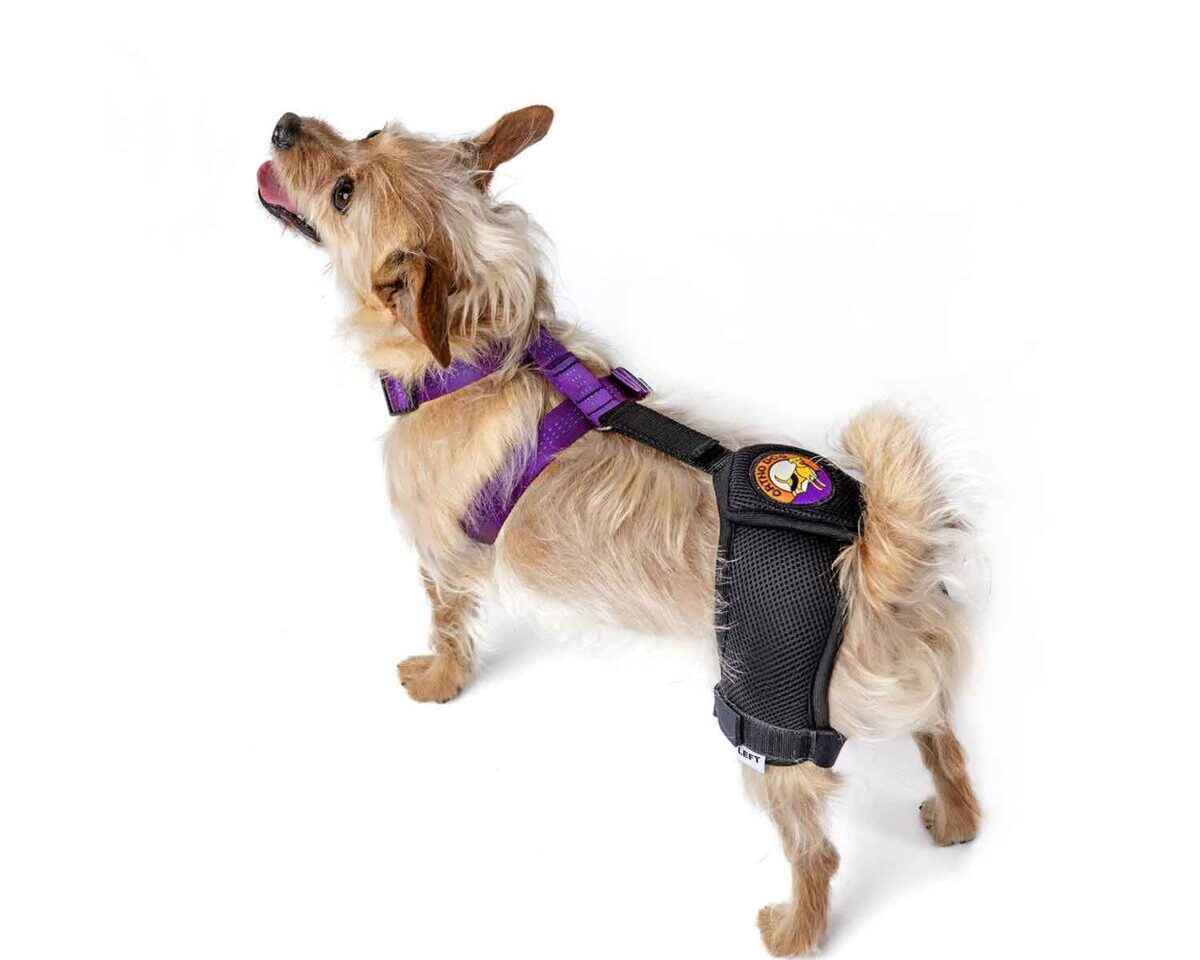
Hip dysplasia is a common problem in dogs that affects their joints. It causes pain and difficulty in movement. A good harness helps manage these issues. It supports your dog without putting pressure on sensitive areas. Harnesses play an important role in making daily walks easier and safer for dogs with hip dysplasia.
Reducing Hip Pressure
A well-fitted harness spreads weight across the chest and shoulders. This avoids pulling on the hips and lower back. It lowers strain on the hip joints during walks. Less pressure means less pain for your dog. Harnesses prevent tight collars from causing extra stress on weak hips.
Improving Stability
Hip dysplasia makes dogs lose balance and coordination. Harnesses give extra support around the body. They help your dog stay steady on slippery or uneven ground. Some harnesses have handles that let you assist your dog easily. This improves confidence and reduces the risk of falls.
Enhancing Comfort
Comfort matters for dogs with hip problems. Soft, padded harnesses stop chafing and discomfort. Adjustable straps create a snug but gentle fit. This reduces skin irritation and allows free movement. Comfortable harnesses encourage dogs to stay active without pain.
Features To Look For In A Dog Harness
Choosing the right dog harness for hip dysplasia needs care. The harness must support your dog’s hips and joints. Comfort and safety are the top goals. Certain features make a harness better for dogs with hip problems.
These features help reduce pain and improve movement. They also prevent pressure on sensitive areas. Knowing what to look for helps you pick the best harness for your dog.
Supportive Padding And Design
Good padding is important for comfort. Soft, thick padding protects sore hips from pressure. The design should spread weight evenly across the body. Avoid harnesses that put force on the hips or spine. Look for shapes that hold the dog gently but firmly.
Adjustability And Fit
Every dog is different in size and shape. Adjustable straps help get the perfect fit. A snug harness stops slipping and rubbing. Check that straps can be tightened or loosened easily. Proper fit prevents chafing and gives better support.
Durable And Lightweight Materials
Strong materials keep the harness safe and long-lasting. Lightweight fabrics reduce strain on weak hips. Breathable materials help keep your dog cool. Avoid heavy or stiff harnesses that limit movement. Quality materials balance strength and comfort well.
Top Harness Types For Hip Dysplasia
Choosing the right harness helps dogs with hip dysplasia move more comfortably. Some harness types offer better support and reduce strain on the hips. Understanding these options makes it easier to find the best fit for your dog.
Vest Harnesses
Vest harnesses cover a larger area of the dog’s chest and back. They spread pressure evenly, reducing stress on the hips. Soft padding adds comfort and prevents rubbing. These harnesses are easy to put on and take off. Ideal for daily walks and gentle exercise.
Step-in Harnesses
Step-in harnesses allow dogs to step into the loops with their front legs. No overhead pulling needed, which is easier for dogs with joint pain. They provide a secure fit without tight straps around the neck. These harnesses are simple to use and adjust. Great for dogs who dislike harnesses that go over the head.
Supportive Mobility Harnesses
Supportive mobility harnesses have handles or straps to help lift and support dogs. They assist dogs struggling to walk or climb stairs. These harnesses reduce pressure on hips and joints during movement. Perfect for dogs needing extra help or physical therapy. They improve safety and comfort for both dogs and owners.
Fitting And Using A Harness Correctly
Fitting and using a harness correctly is vital for dogs with hip dysplasia. A proper fit ensures comfort and support while reducing strain on painful joints. It also helps keep your dog safe during walks and daily activities.
Choosing the right harness size and adjusting it well prevents chafing and slipping. Teaching your dog to wear the harness calmly makes every outing more enjoyable. These steps protect your dog’s hips and improve their overall well-being.
Measuring Your Dog
Measure your dog’s chest girth behind the front legs. Use a soft tape measure for accuracy. Also, check the neck size where the collar would sit. Compare measurements to the harness size chart. Choose a harness that fits snugly but not tight.
Proper Adjustment Tips
Adjust all straps to fit your dog comfortably. The harness should allow two fingers to slide under the straps. Avoid loose straps that cause rubbing or slipping. Secure buckles firmly but gently. Check adjustments before every walk.
Training Your Dog To Wear A Harness
Introduce the harness slowly to your dog. Let them sniff and explore it first. Use treats and praise when putting the harness on. Start with short wearing times at home. Gradually increase duration and add walks once your dog is calm.
Additional Support Tools And Accessories
Dogs with hip dysplasia need more than just a good harness. Support tools and accessories help them move easier and feel better. These items reduce pain and protect weak hips. They also improve your dog’s daily comfort and quality of life.
Hip Support Slings
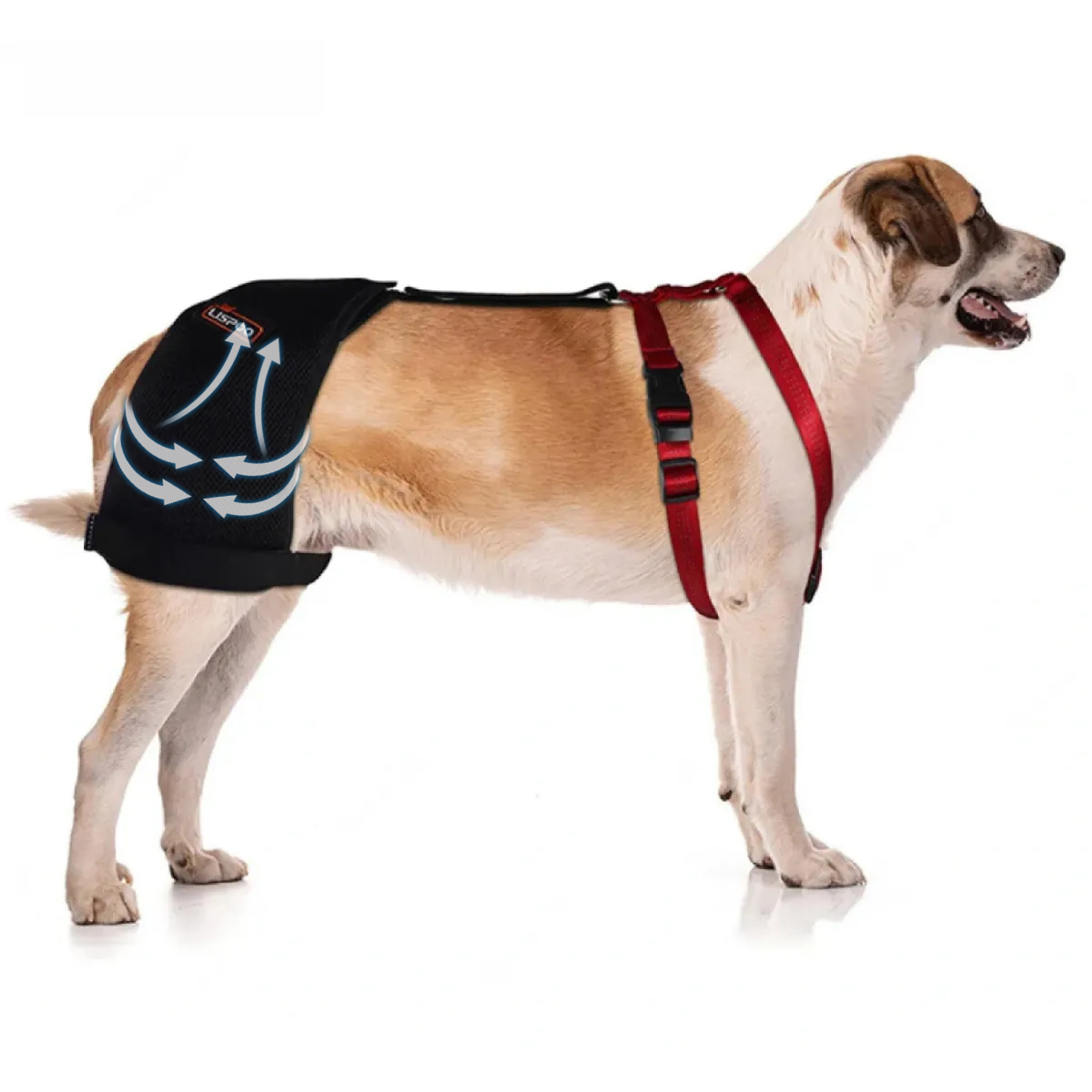
Hip support slings help lift your dog’s back legs. They ease the pressure on the hips during walks or climbing stairs. These slings provide stability and prevent falls. Using a sling allows your dog to stay active without pain. It is a simple tool for better support at home or outside.
Orthopedic Beds
Orthopedic beds offer firm and soft support for aching joints. They reduce pressure on the hips and spine while resting. These beds use memory foam or special padding to comfort dogs. A good bed helps your dog sleep better and heal faster. It is a key item for dogs with joint problems.
Joint Supplements
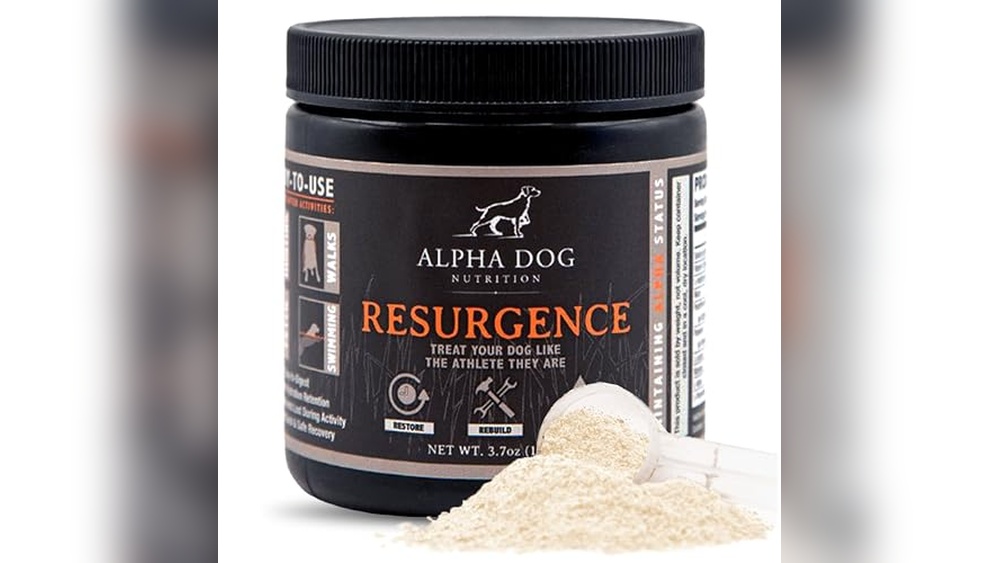
Joint supplements contain ingredients that support cartilage and reduce inflammation. Common supplements include glucosamine, chondroitin, and omega-3 fatty acids. These help keep joints strong and flexible. Giving supplements daily can slow down hip damage. They work best as part of a full care plan.
Care And Maintenance Of Dog Harnesses
Caring for your dog’s harness keeps it safe and comfortable. Proper maintenance helps the harness last longer. It also protects your dog’s sensitive hips from extra strain.
Regular cleaning and checks ensure the harness works well. Small problems can be fixed before they get worse. A well-kept harness supports your dog’s movement and health.
Cleaning Guidelines
Clean the harness often to remove dirt and sweat. Use mild soap and warm water. Avoid harsh chemicals that can damage the fabric. Hand wash is best to keep the harness shape. Rinse well and air dry completely before using again.
Inspecting For Wear And Tear
Check straps, buckles, and stitching regularly. Look for frayed edges or loose threads. Test buckles to ensure they lock securely. Damaged parts can cause discomfort or fail during use. Early detection prevents accidents and pain.
Replacing Your Harness
Replace the harness if damage is severe or frequent. A worn harness may not support your dog properly. Choose a new one that fits well and suits hip dysplasia needs. Replace as soon as you notice problems to keep your dog safe.
Credit: syprea.org
Real-life Reviews And Recommendations
Choosing the right harness for a dog with hip dysplasia is not easy. Real-life reviews help a lot. They show what works well and what does not. Reading opinions from vets and owners gives a clearer view. It also helps find options that fit different budgets. Let’s explore some top recommendations from real users.
Veterinarian Favorites
Many vets suggest harnesses with strong support and padding. These help reduce pressure on the hips. Brands like Ruffwear and Julius-K9 often appear in their lists. Vets praise harnesses that are easy to adjust and secure. They also recommend harnesses that allow natural movement. Comfort and safety are top priorities for them.
Owner Testimonials
Dog owners share honest stories about their harness experiences. They often mention how a good harness eased their dog’s pain. Many say harnesses with chest and back support worked best. Owners like harnesses that stay in place without causing chafing. Some also highlight how harnesses improved their dog’s walking. Real feedback helps others find the right fit faster.
Budget-friendly Options
Not everyone can spend a lot on a harness. Some budget-friendly models offer decent support and comfort. Brands like Blue-9 and PetSafe have affordable choices. These harnesses get good reviews for durability and fit. Many owners report good results without high costs. Careful selection can balance quality and price well.
Frequently Asked Questions
What Is The Best Dog Harness For Hip Dysplasia?
The best harness offers support without pressure on the hips. Look for padded, adjustable, and front-clip designs. These features reduce strain and improve mobility for dogs with hip dysplasia.
How Does A Dog Harness Help Hip Dysplasia?
A harness distributes weight evenly, reducing hip joint stress. It aids walking by providing control and support. This minimizes pain and prevents further hip damage.
Can Hip Dysplasia Harness Improve My Dog’s Mobility?
Yes, a well-fitted harness supports the hips and eases movement. It encourages walking and exercise, which are vital for joint health. Improved mobility enhances your dog’s quality of life.
What Features To Look For In A Hip Dysplasia Harness?
Choose harnesses with padding, adjustable straps, and strong buckles. Front-clip options help control pulling without hip pressure. Lightweight, breathable materials ensure comfort during extended use.
Conclusion
Choosing the right harness helps your dog move with less pain. It supports hips and eases pressure during walks. Comfort and safety matter most for dogs with hip issues. A good harness makes daily activities easier and more fun. Take time to find one that fits well and feels soft.
Your dog will thank you with happier steps and wagging tails. Care and attention make a big difference in your dog’s life. Keep your pet active, comfortable, and loved every day.