If you’ve ever worried about losing your dog, you know how important it is to keep them safe. A GPS tracker chip implant can give you peace of mind by helping you find your furry friend quickly.
But before you decide, you probably want to know: How much does the best dog GPS tracker chip implant cost? You’ll discover everything you need to make the right choice for your pet and your budget. Keep reading to find out how to protect your dog without breaking the bank.
Benefits Of Gps Chip Implants
GPS chip implants offer many benefits for dog owners. These small devices help keep pets safe and secure. They provide peace of mind by making it easy to find a lost dog. The technology is reliable and works even in busy areas.
Understanding the benefits helps decide if the implant is right for your dog. Below are key advantages of using a GPS chip implant.
Enhanced Pet Safety
GPS chip implants improve pet safety by allowing quick location. In emergencies, you can find your dog fast. The implant works inside the dog’s body, so it cannot be lost or removed easily. This ensures your pet is always protected.
Real-time Location Tracking
These implants offer real-time tracking of your dog’s position. You can see where your dog is anytime on your phone. This feature helps monitor your pet during walks or outdoor play. It reduces worry and helps keep dogs within safe areas.
Theft And Loss Prevention
GPS chip implants help prevent theft and loss of pets. Thieves cannot easily hide a dog with a GPS implant. If your dog gets lost, the implant helps you find it quickly. This reduces the chance of your pet being away for long.
Credit: tractive.com
Types Of Dog Gps Trackers
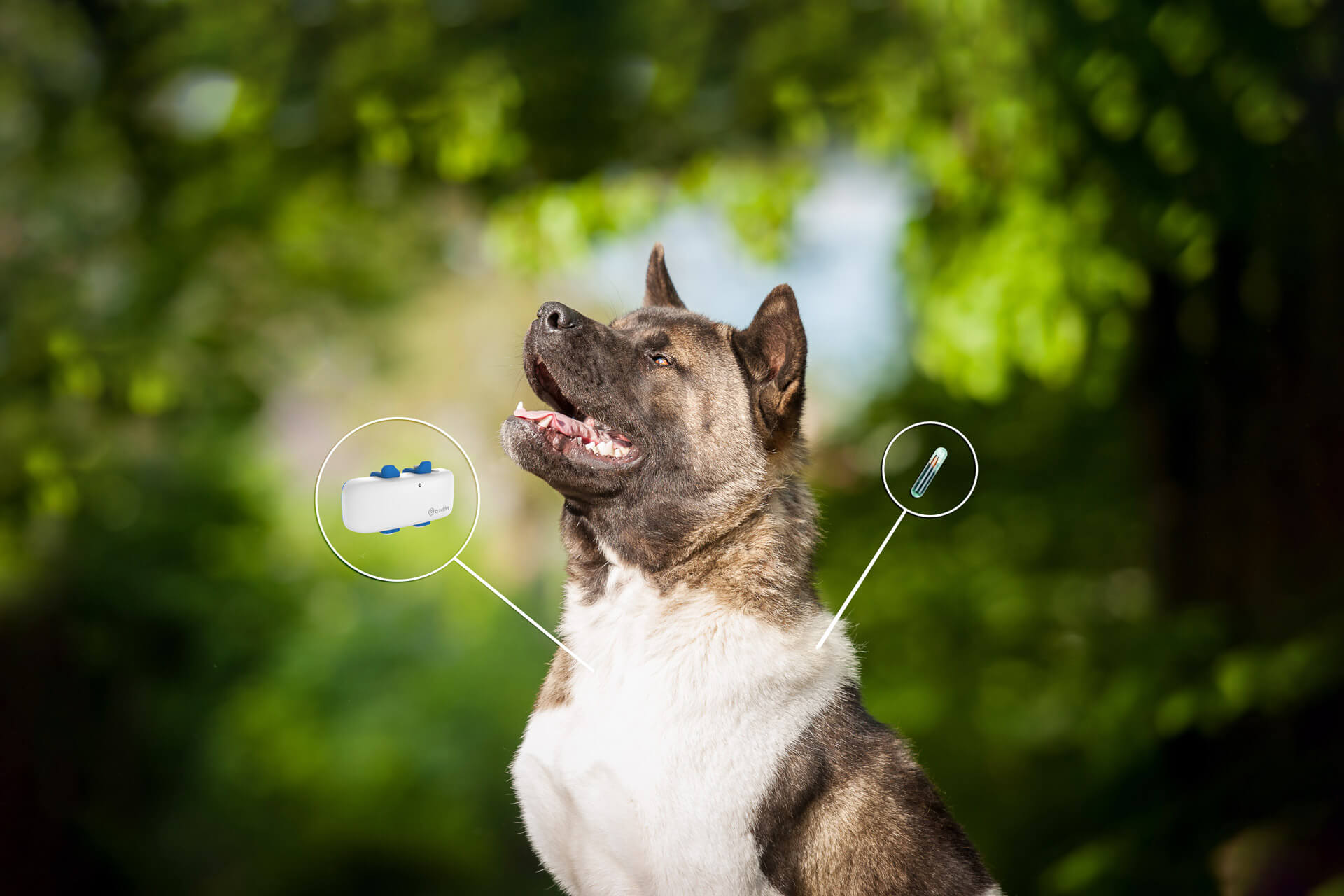
Dog GPS trackers help owners find pets quickly and easily. These devices use satellite signals to show your dog’s location on a map. Different types of GPS trackers fit different needs. Some attach to collars, some you can wear, and others are implants under the skin. Understanding each type helps you pick the right one for your dog.
Collar-mounted Devices
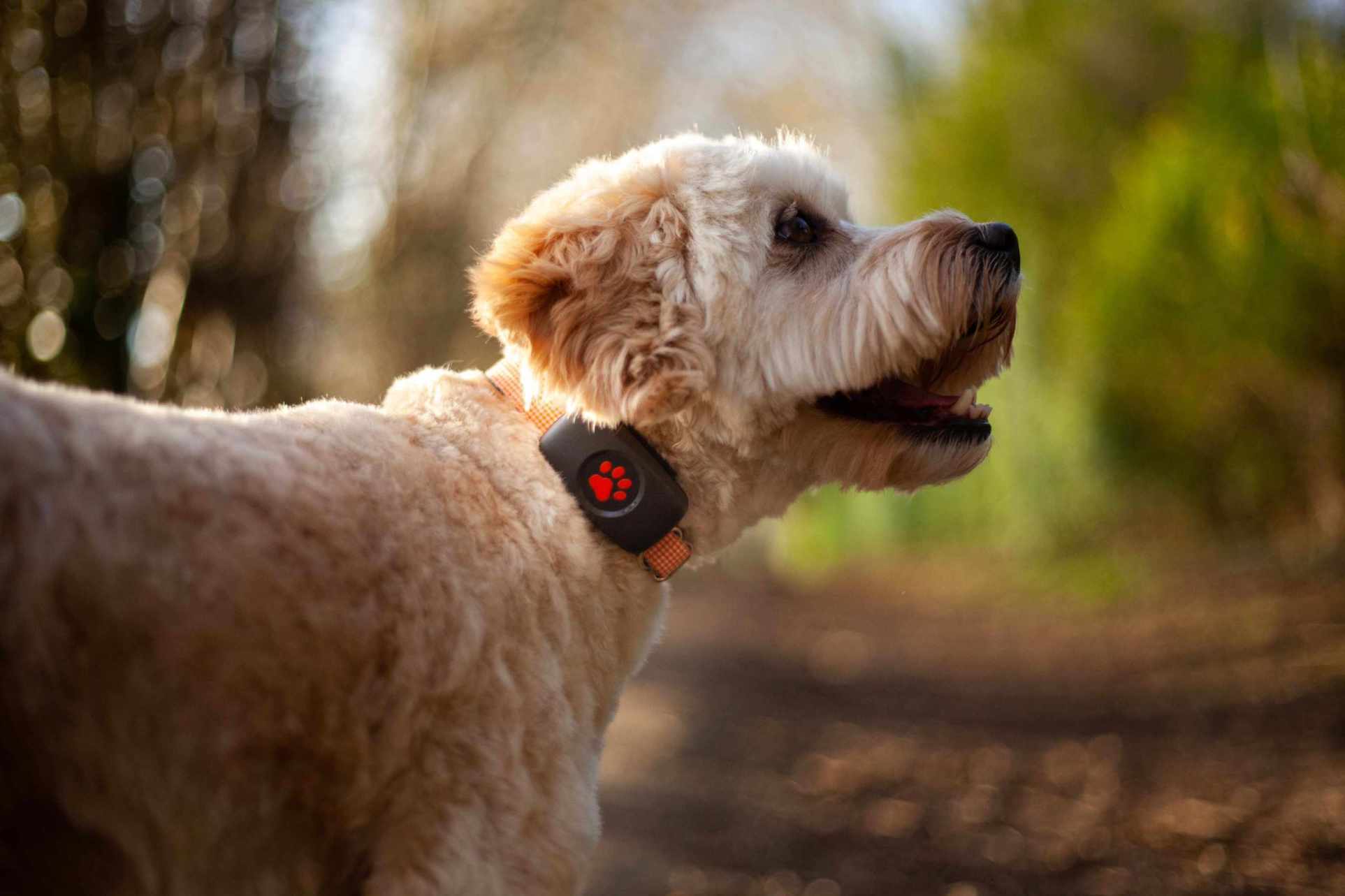
Collar-mounted GPS trackers attach directly to a dog’s collar. They are easy to put on and remove. These devices often have built-in batteries. You can check your dog’s location using a smartphone app. Many models offer extra features like activity tracking and safe zones. They work best for dogs that wear collars all the time.
Implantable Gps Chips
Implantable GPS chips sit under the dog’s skin. These chips are small and light. The chip sends location signals to a connected device. Implantable chips last longer without charging. They are harder to lose or remove. Surgery is needed to insert the chip, which may cost more. These chips provide constant tracking without extra gear.
Wearable Gps Tags
Wearable GPS tags clip onto harnesses or collars. They are lightweight and do not bother dogs. These tags often come with long battery life. Some models include LED lights for nighttime visibility. Wearable tags are good for active dogs and outdoor adventures. They offer reliable tracking without the need for implantation.
Cost Factors For Gps Chip Implants
Understanding the cost of GPS chip implants for dogs helps in making smart choices. Several factors affect the total price. Knowing these can prepare pet owners for the expenses ahead.
Device Price Range
The GPS chip device cost varies by brand and features. Basic models start around $50. Advanced chips with extra functions can cost up to $200. Quality and accuracy often influence the price.
Veterinary Procedure Fees
Implanting the chip requires a vet visit. Fees depend on the clinic and location. Most clinics charge between $50 and $150. The procedure is quick and causes minimal discomfort to pets.
Subscription And Maintenance Costs
Many GPS chips need a monthly or yearly subscription. This covers data tracking and app access. Subscriptions usually cost $5 to $15 per month. Regular updates and battery checks keep the device working well.
Credit: www.pitpat.com
Choosing The Right Gps Chip
Choosing the right GPS chip for your dog is very important. It helps keep your pet safe and easy to find. The right chip fits your dog’s needs and lifestyle. It should work well without causing discomfort. Several factors affect which GPS chip is best for your dog.
Compatibility With Your Dog
Check if the GPS chip works with your dog’s size and breed. Some chips are too big for small dogs. Others may not fit well under the skin. Talk to your vet about the best option. Make sure the chip matches your dog’s health and age.
Battery Life And Range
Long battery life means less worry about charging. Look for chips that last several days on one charge. The GPS range matters too. It tells how far you can track your dog. Choose a chip with a range that fits your dog’s activity.
Durability And Comfort
The chip must be strong and last long. It should resist water and shocks. Comfort is key to avoid stress or pain. The implant should feel natural for your dog. A good chip lets your dog move freely without problems.
Implant Procedure And Aftercare
Getting a GPS tracker chip implanted in your dog helps keep them safe. Knowing the implant procedure and aftercare is important. This section explains what to expect during implantation, how to care for your dog after, and possible risks to watch for.
What To Expect During Implantation
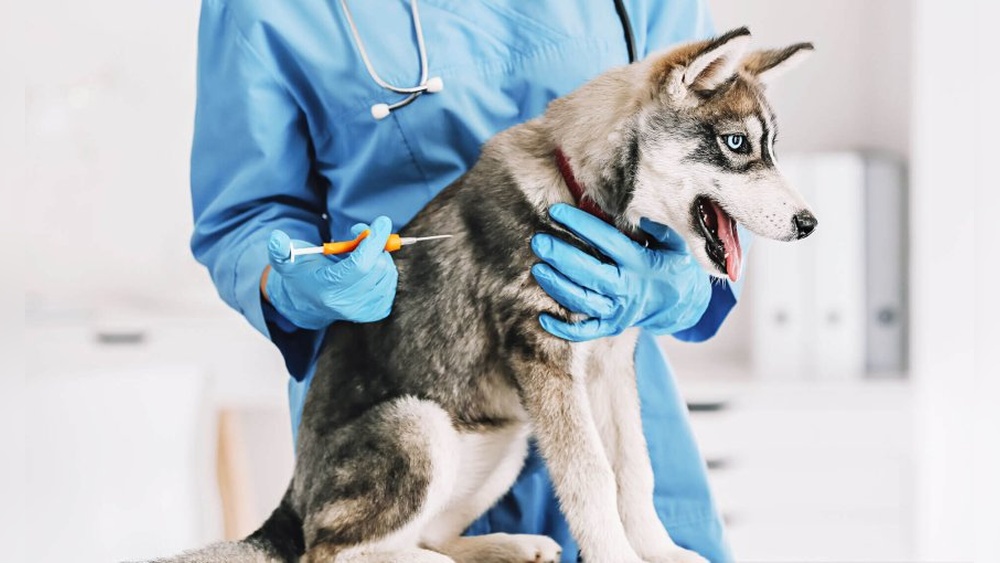
The vet starts by cleaning the area under your dog’s skin. A small needle injects the chip, usually between the shoulder blades. The procedure takes only a few minutes. Your dog may feel a quick pinch or mild discomfort. Most dogs stay calm during the process. No stitches are needed since the chip is tiny and placed under the skin.
Post-procedure Care Tips
Keep the injection site clean and dry for several days. Avoid bathing your dog for 2-3 days after the implant. Check the area daily for redness or swelling. Stop your dog from scratching or licking the spot. Using a cone collar can help prevent this. Monitor your dog for any unusual behavior or signs of pain. If you notice anything odd, contact your vet immediately.
Potential Risks And Safety
Implanting a GPS chip is generally safe and low risk. Some dogs may have mild swelling or irritation. Rarely, the chip can move from its original spot. Infection is uncommon but possible. Choose a licensed vet to reduce risks. The chip does not cause harm and rarely affects your dog’s health. Regular check-ups ensure the chip works properly and your dog stays healthy.
Alternatives To Implant Gps Trackers
Implant GPS trackers offer a high-tech way to keep pets safe. Yet, some dog owners prefer other options. These alternatives can be less invasive and easier to use. They also vary in cost and features. Exploring these choices helps find the best fit for your pet and budget.
Traditional Microchips
Traditional microchips are small devices placed under the dog’s skin. They store an ID number linked to the owner’s contact details. These chips don’t track real-time location. Instead, vets or shelters scan them to identify lost pets. They are inexpensive and widely used for pet identification. No batteries or maintenance are needed for microchips.
Collar-based Trackers
Collar-based trackers attach to your dog’s collar. They use GPS to show your pet’s location on a phone app. These devices often include features like activity monitoring. Battery life can last from days to weeks. They are easy to remove or switch between pets. Prices vary depending on brand and features. Most collars are waterproof and durable for active dogs.
Mobile Apps And Community Networks
Mobile apps and community networks help find lost dogs through crowd-sourcing. Users share photos and locations of found pets in real time. Some apps connect local shelters and pet owners. These tools rely on community support, not GPS signals. They are free or cost very little. Apps work best in areas with many active users. This option complements other tracking methods for extra safety.
Tips To Maximize Gps Tracker Effectiveness
Maximizing the effectiveness of your dog’s GPS tracker chip implant helps keep your pet safe. Small steps can improve tracking accuracy and reliability. Follow these simple tips to get the best results from your device.
Regular Device Updates
Keep your GPS tracker’s software up to date. Updates fix bugs and improve performance. Check for updates often and install them promptly. This ensures your device works smoothly and tracks your dog accurately.
Proper Placement And Fit
Place the GPS tracker where it fits well on your dog. A snug, secure fit prevents the tracker from slipping or getting lost. Avoid loose collars or spots where the device can move too much. Proper placement helps the tracker get a clear signal.
Monitoring And Alerts Setup
Set up alerts to get notified if your dog moves outside a safe zone. Customize the settings based on your needs. Regularly check the app or device to monitor your dog’s location. Early alerts help you act fast if your pet wanders off.
Where To Buy And Get Implants
Finding the right place to buy a dog GPS tracker chip implant is important. The process involves choosing a trusted brand and getting the chip implanted by a qualified vet. This ensures your dog’s safety and proper tracking. It is best to learn about your options before making a purchase or scheduling an appointment.
Recommended Brands And Models
Choose brands known for reliability and accuracy. Popular models include those from companies like Whistle, Tractive, and Garmin. These brands offer chips with good battery life and wide coverage. Check reviews and compare features before deciding.
Finding Qualified Vets
Implanting a GPS chip requires skill and care. Look for vets with experience in microchipping pets. Many animal clinics offer this service at a reasonable cost. Always ask about the procedure and aftercare to keep your dog safe.
Online Vs. In-store Options
Buying chips online offers convenience and variety. You can compare prices and read user feedback easily. In-store purchases allow you to get advice from staff and see products firsthand. Some stores may also help with implantation or direct you to trusted vets.
Credit: www.weenect.com
Frequently Asked Questions
What Is The Average Cost Of A Dog Gps Tracker Chip Implant?
The average cost ranges from $50 to $200, including the chip and implantation. Prices vary by vet, brand, and features.
How Does A Dog Gps Tracker Chip Implant Work?
The implant uses GPS signals to track your dog’s location in real-time. It sends data to a connected app or device.
Are Gps Tracker Chip Implants Safe For Dogs?
Yes, they are generally safe. The chip is small, biocompatible, and inserted under the skin by a vet.
Can Gps Tracker Chips Be Removed Or Updated?
Yes, a vet can remove or replace the chip. Some chips offer software updates for improved tracking features.
Conclusion
Choosing the right GPS tracker chip implant helps keep dogs safe. Costs vary depending on features and vet fees. Think about your dog’s size and activity level. A reliable tracker offers peace of mind to owners. Always check reviews and ask your vet for advice.
Small upfront costs can save big worries later. Tracking technology is a smart way to protect pets. Make an informed choice to suit your budget and needs. Your dog’s safety is worth the investment.