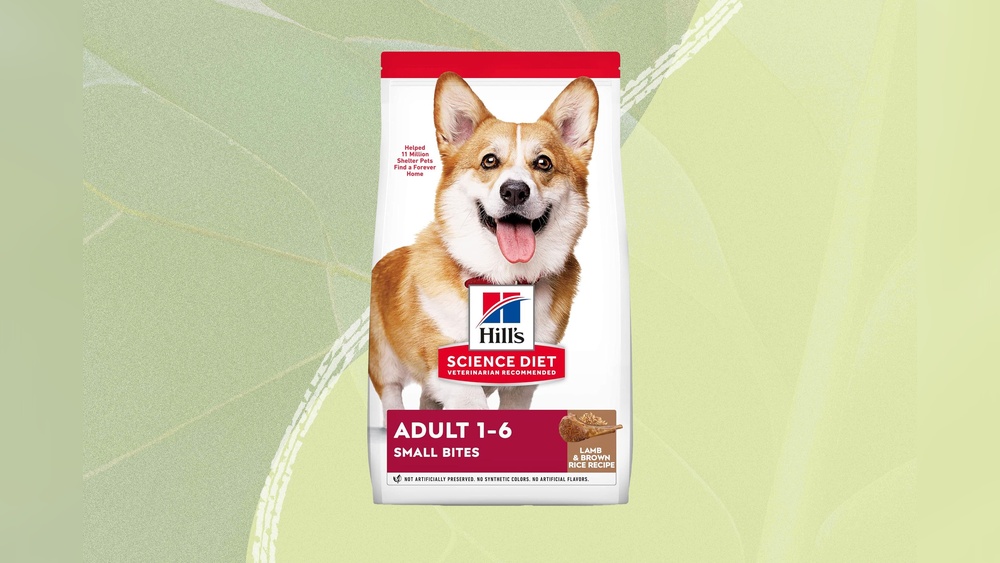
Finding the best dog food with grain can feel overwhelming. You want to give your furry friend a healthy meal that supports their energy and digestion.
But with so many options out there, how do you know which one truly fits your dog’s needs? This guide will help you discover top-quality dog foods that include grains, offering balanced nutrition without compromising taste. Keep reading to find the perfect match that keeps your dog happy, healthy, and full of life.
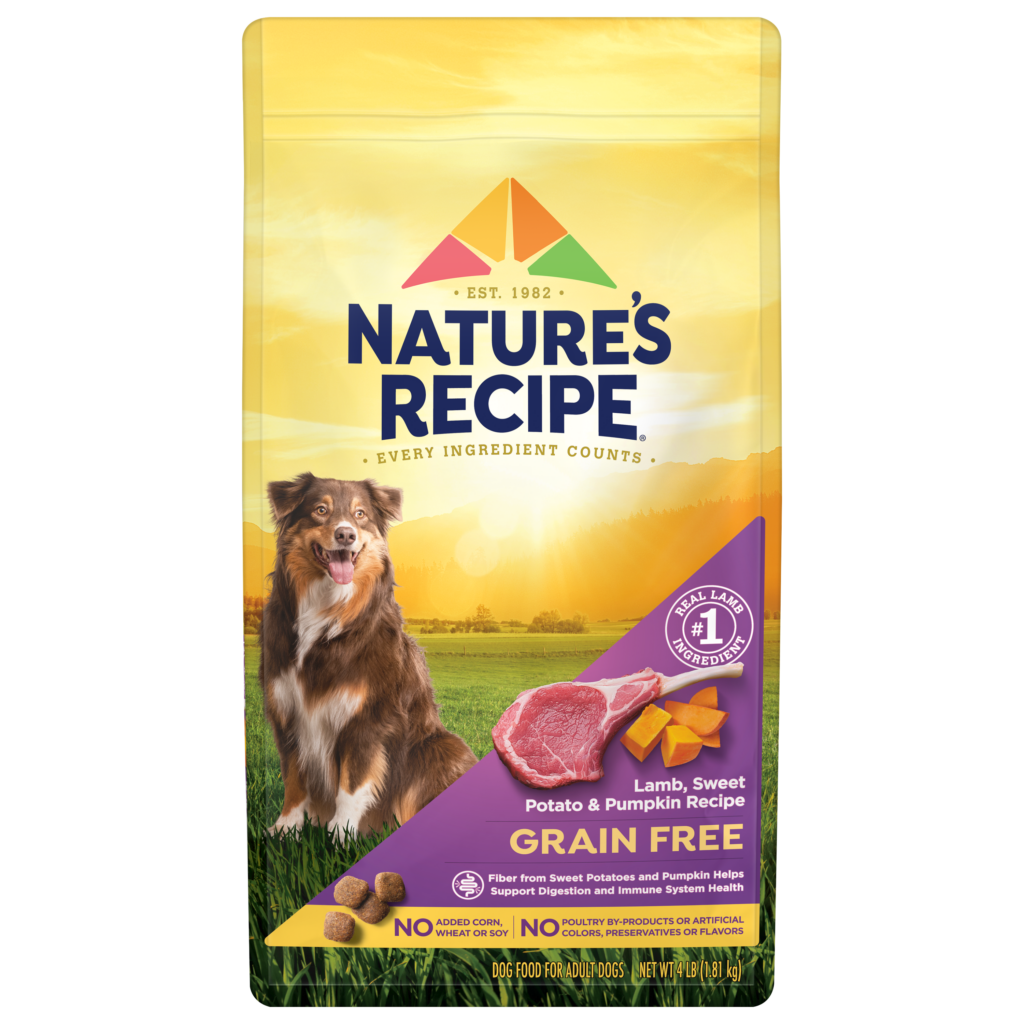
Credit: www.naturesrecipe.com
Benefits Of Grain In Dog Food
Grain is a valuable ingredient in many dog foods. It offers several benefits that support your dog’s health. Including grains in dog food helps provide balanced nutrition. Grains supply essential nutrients that dogs need daily.
Dogs can digest grains well. These ingredients add fiber and energy to their diet. Grain also supports overall vitality and a strong immune system.
Nutritional Value Of Grains
Grains contain important vitamins like B-complex and minerals. These nutrients help with metabolism and nerve function. They also provide antioxidants that protect cells from damage.
Carbohydrates in grains give dogs a steady energy source. Protein from some grains supports muscle health. This mix of nutrients makes grains a good addition to dog food.
Grains And Digestive Health
Grains are rich in fiber, which aids digestion. Fiber helps food move smoothly through the gut. It can reduce constipation and maintain healthy bowel function.
Good digestion means better nutrient absorption. It also helps prevent stomach problems. Fiber feeds good bacteria in the intestines, promoting gut health.
Energy And Vitality Boost
Grains provide slow-release energy that keeps dogs active longer. This steady energy helps maintain a healthy weight. Dogs feel more energetic and playful with proper fuel.
Regular energy boosts support daily activities and exercise. Grains contribute to stamina and overall well-being. They help dogs stay lively and strong throughout the day.
Credit: www.phaae.org
Types Of Grains In Dog Food
Grains in dog food supply energy and important nutrients. They support digestion and keep dogs active. Different grains offer unique benefits and textures.
Choosing the right grains helps maintain your dog’s health and vitality. Let’s explore common grains used in dog food.
Whole Wheat And Barley
Whole wheat contains fiber and protein. It helps with digestion and keeps dogs full. Barley is rich in fiber and vitamins. It supports heart health and steady energy release.
Brown Rice And Oats
Brown rice offers easy-to-digest carbohydrates. It provides energy and helps with sensitive stomachs. Oats are gentle and rich in fiber. They promote healthy digestion and skin.
Quinoa And Millet
Quinoa is a complete protein with all amino acids. It supports muscle health and boosts energy. Millet is gluten-free and rich in minerals. It aids digestion and provides steady energy.
Top Grain-inclusive Dog Foods
Choosing the right grain-inclusive dog food supports your dog’s energy and digestion. Grains provide essential nutrients like fiber and vitamins. Many dogs thrive on diets that include whole grains. This section highlights top grain-inclusive dog food options. Each option meets quality and nutritional standards. Find the best fit for your dog’s needs.
Premium Dry Kibble Options
Premium dry kibble with grains offers balanced nutrition and crunch. These kibbles include whole grains like brown rice and oats. They provide steady energy release throughout the day. Many brands add probiotics to support gut health. The dry format helps keep teeth clean. Choose kibble with high protein from real meat.
Wet Food Choices With Grains
Wet dog food with grains delivers moisture and taste. This option suits dogs who need extra hydration. Grains in wet food are easy to digest and gentle on the stomach. Look for recipes with vegetables and grains like barley or quinoa. Wet food often contains fewer preservatives. It can be a tasty meal for picky eaters.
Grain-enhanced Raw Diets
Grain-enhanced raw diets combine raw meat with healthy grains. These diets mimic a natural eating style with added fiber. Grains such as millet or flaxseed add nutrients and texture. Raw diets support muscle growth and skin health. Always choose raw foods from trusted sources. Proper handling and storage are important for safety.
Choosing The Right Grain Food For Your Dog
Choosing the right grain food for your dog helps support their health and energy. Grains provide important nutrients and fiber. The key is picking foods that match your dog’s unique needs. Grain types and amounts differ across dog foods. Understanding your dog’s health, age, and breed helps you make the best choice.
Considering Allergies And Sensitivities
Some dogs have allergies or sensitivities to certain grains. Wheat, corn, and soy often cause issues. Watch for symptoms like itching, stomach upset, or ear infections. Choose grain foods with simple, digestible grains like rice or oats. Always try new foods slowly and watch your dog’s reaction.
Age And Breed Specific Needs
Puppies, adults, and senior dogs need different nutrition. Young dogs need more calories and nutrients to grow. Large breeds may need joint support and balanced grains for slow growth. Small breeds require energy-rich foods with smaller grains. Check the label for age and breed recommendations.
Balancing Grains With Protein
Grains give energy and fiber but protein builds muscles. Good dog foods balance grains with high-quality protein. Look for named meat sources like chicken, beef, or fish. Avoid foods with too many fillers and low protein. Balance helps maintain healthy weight and muscle tone.
Common Myths About Grain In Dog Food
Grain in dog food often faces many misunderstandings. Some dog owners avoid grains, thinking they harm pets. These ideas cause confusion about the best food choices. Knowing facts helps pick healthy dog meals with grains.
Grains Cause Allergies
Many think grains cause allergies in dogs. True allergies to grains are very rare. Most dogs with allergies react to proteins like beef or chicken. Grains like rice or oats usually do not trigger allergies.
Eliminating grains is not always needed for sensitive dogs. A vet can help identify real allergens in your dog’s diet.
Grain-free Is Always Better
Grain-free dog food is popular but not always best. Some grain-free diets replace grains with more fats or carbs. This can cause health problems in some dogs. Grains provide important nutrients and fiber that help digestion.
Choosing grain or grain-free depends on your dog’s needs. Quality ingredients matter more than just removing grains.
Grains Lead To Weight Gain
Grains do not cause weight gain by themselves. Overfeeding or too many calories cause dog obesity. Grains in dog food give energy and are part of a balanced diet. Portion control and exercise keep your dog healthy.
Grains can be part of a nutritious meal without making your dog fat.

Credit: www.forbes.com
Tips For Transitioning To Grain-inclusive Diets
Switching your dog to a grain-inclusive diet needs care and patience. Sudden changes can upset their stomach or cause refusal to eat. Follow simple steps to make the process smooth and safe. Watch your dog closely and adjust as needed.
Gradual Food Changes
Start by mixing a small amount of the new food with the current food. Increase the new food portion over 7 to 10 days. This slow change helps your dog’s digestive system adjust comfortably. Avoid giving only new food at once. It may cause diarrhea or vomiting.
Monitoring Your Dog’s Reaction
Observe your dog’s behavior and stool quality daily. Look for signs like vomiting, diarrhea, or itching. Check if your dog is eating well and staying active. If problems appear, slow down the transition or stop. Keep track of any changes to discuss with your vet.
Consulting With A Veterinarian
Talk to your veterinarian before starting a grain-inclusive diet. They can advise if the new food suits your dog’s health needs. Your vet can suggest the best brands and portion sizes. Regular check-ups help catch any issues early during the switch.
Frequently Asked Questions
What Are The Benefits Of Dog Foods With Grain?
Dog foods with grain provide essential nutrients like fiber, vitamins, and minerals. Grains aid digestion and support energy levels. They are often more affordable and balanced for dogs without grain allergies.
Can Dogs With Allergies Eat Grain-inclusive Foods?
Dogs with specific grain allergies should avoid grain-inclusive foods. However, most dogs tolerate grains well. Consult your vet before switching diets to ensure your dog’s health.
Which Grains Are Best In Dog Food?
Common healthy grains in dog food include brown rice, oats, and barley. These grains provide fiber and slow-releasing energy, supporting digestion and sustained vitality.
Are Grain-inclusive Dog Foods Nutritionally Balanced?
Yes, many grain-inclusive dog foods meet AAFCO standards for balanced nutrition. They combine grains with quality proteins and fats for overall health and wellbeing.
Conclusion
Choosing the best dog food with grains helps keep your pet healthy. Grains provide energy and important nutrients dogs need daily. Always check the ingredient list for quality grains like brown rice or oats. Avoid foods with too many fillers or artificial additives.
Watch your dog’s reaction to new food carefully. A happy, active dog shows the food suits them well. Feed your dog balanced meals for a long, strong life. Simple steps lead to better health and joy for your pet.