If your dog is carrying a few extra pounds, you want to help them shed that weight safely and effectively. Choosing the best dog food to help your dog lose weight is one of the smartest steps you can take.
The right food not only supports healthy weight loss but also keeps your furry friend happy and full. You’ll discover how to pick the perfect dog food that fits your dog’s needs and lifestyle. Keep reading to find out what ingredients to look for, which brands stand out, and how to make weight loss easier for your beloved pet.
Your dog’s health and happiness depend on the choices you make today.
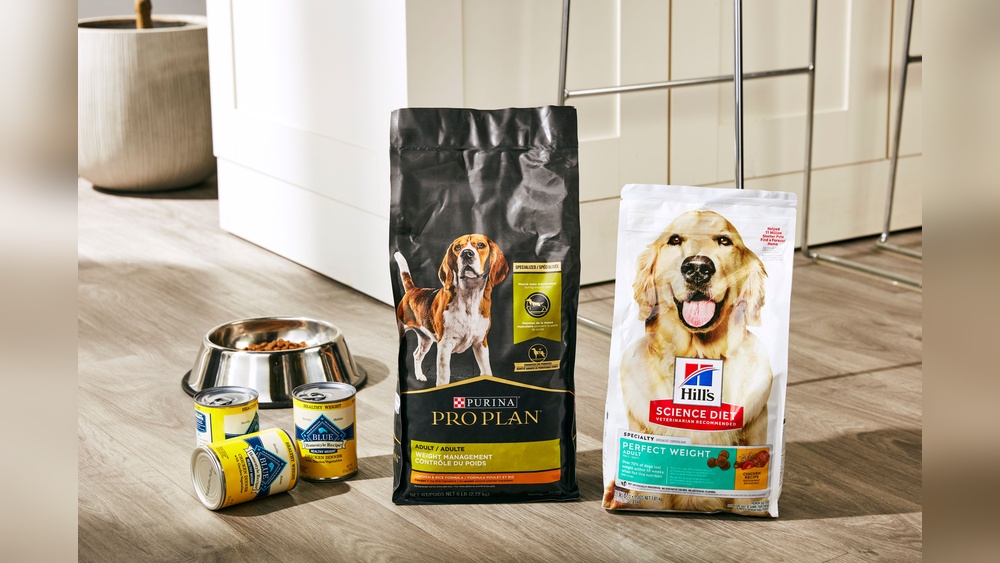
:strip_icc()/sps-tier-3-product-hills-science-diet-perfect-weight-adult-dog-food-ahuang-086-2297c2254e834607925497383a3dc8b6.jpeg)
Credit: www.thesprucepets.com
Why Weight Management Matters
Weight management is very important for dogs. Keeping your dog at a healthy weight helps them live a longer and happier life. Extra weight can cause many health problems and make daily activities hard for your pet. Choosing the right dog food supports weight loss and overall health.
Health Risks Of Overweight Dogs
Overweight dogs face many health issues. Joint pain is common because extra weight puts stress on bones and muscles. Heart disease risk rises with obesity. Breathing problems may develop, making exercise tough. Diabetes is another serious risk linked to being overweight. These problems lower your dog’s quality of life and shorten their lifespan.
Benefits Of A Healthy Weight
A healthy weight improves your dog’s energy and mood. Dogs with proper weight move more easily and play longer. Their risk for diseases like diabetes and heart problems drops. Healthy weight also helps the immune system work better. Proper weight means better life quality and more happy years together.
Key Nutritional Elements For Weight Loss
Choosing the right dog food is key for healthy weight loss. The food must provide all nutrients without extra calories. It should support muscle strength and keep your dog feeling full. Vitamins and minerals also play a vital role in overall health. Understanding these elements helps pick the best food for weight loss.
Low Calories And Fat Content
Low calories prevent weight gain and help burn fat. Fat is high in calories, so it should be limited. The dog food needs enough energy without excess fat. This balance helps your dog lose weight safely. Avoid foods with fillers that add empty calories.
High Protein For Muscle Maintenance
Protein builds and maintains strong muscles. During weight loss, muscle mass can drop if protein is low. High protein food supports muscle repair and energy. This keeps your dog active and healthy. Choose foods with real meat or fish as the main ingredient.
Fiber For Satiety
Fiber helps dogs feel full longer. It slows digestion and controls hunger. High fiber food reduces overeating and begging. It also supports good digestion and bowel health. Look for foods with natural fiber from vegetables or grains.
Essential Vitamins And Minerals
Vitamins and minerals keep your dog’s body working well. They support the immune system and energy levels. Weight loss diets must not lack these nutrients. Foods with balanced vitamins and minerals promote overall health. Check for added nutrients like vitamins A, D, E, and calcium.
Types Of Weight Loss Dog Food
Choosing the right type of weight loss dog food is important for your pet’s health. Different foods suit different dogs. Some dogs prefer crunchy kibble, while others like soft food. Each type offers unique benefits for weight control. Understanding these options helps you pick the best food for your dog’s needs.
Dry Kibble Options
Dry kibble is popular for weight loss diets. It usually has fewer calories and more fiber. This helps dogs feel full longer. Kibble also supports dental health by reducing plaque. Many brands make special weight control formulas. These often contain lean proteins and balanced nutrients.
Canned And Wet Food
Wet food is soft and easy to chew. It has high moisture content, which helps keep dogs hydrated. Some weight loss wet foods have fewer calories but still taste good. This can encourage picky eaters to eat less. Wet food often contains real meat and vegetables.
Raw And Freeze-dried Choices
Raw and freeze-dried foods mimic a dog’s natural diet. They are rich in protein and low in carbs. These options can help maintain muscle while losing fat. Freeze-dried food is convenient and shelf-stable. Raw diets require careful handling and preparation.
Homemade Diets
Homemade diets give full control over ingredients. You can use fresh, lean meats and vegetables. This helps reduce excess fat and calories. Homemade meals need to be balanced with vitamins and minerals. Consulting a vet is important to ensure proper nutrition.
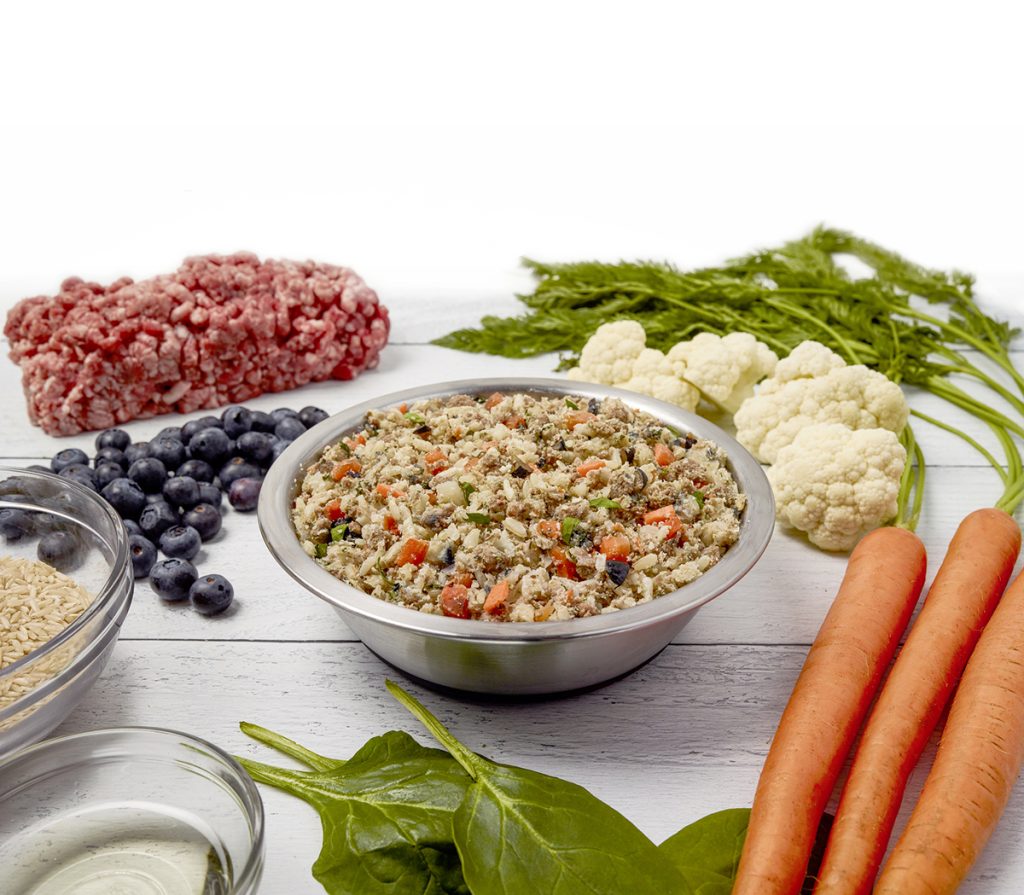
Credit: blog.justfoodfordogs.com
Top Dog Food Brands For Weight Loss
Choosing the right dog food is key to helping your dog lose weight. The best brands offer balanced nutrition with fewer calories. They support healthy weight loss and keep your dog energetic. Here are some top dog food brands that help dogs shed pounds safely.
Premium Prescription Diets
Prescription diets come from vets and are made for weight loss. These foods have lower calories and higher protein. They help dogs feel full longer. Brands like Hill’s Prescription Diet and Royal Canin have special formulas. These foods support muscle mass and reduce fat. Always get vet approval before using prescription diets.
Popular Over-the-counter Options
Many over-the-counter dog foods help with weight control. These foods have fewer calories and added fiber. Fiber helps dogs feel full without extra calories. Well-known brands like Blue Buffalo Life Protection and Nutro Ultra offer weight management options. These foods use natural ingredients and support overall health.
Budget-friendly Choices
Affordable dog foods can also support weight loss. Look for options with controlled calories and good protein. Brands like Diamond Naturals and 4health offer weight control formulas. These choices provide balanced nutrition without high costs. Always check the ingredient list to avoid fillers and poor quality.
Tips For Transitioning To Weight Loss Food
Switching your dog to weight loss food needs care and patience. A smooth change helps your dog adjust well. It also supports better health results. The tips below make the transition easier. Follow them step by step for success.
Gradual Food Change
Start by mixing a small amount of new food with the old. Increase the new food amount over 7 to 10 days. This slow change avoids stomach upset. It helps your dog get used to the new taste and texture.
Monitoring Your Dog’s Response
Watch your dog’s behavior and digestion during the change. Look for signs like vomiting, diarrhea, or refusal to eat. Also, check energy levels and mood. If problems appear, slow down the transition or consult a vet.
Adjusting Portion Sizes
Weight loss food often needs smaller portions than regular food. Follow the feeding guide on the package as a start. Adjust portions based on your dog’s weight and activity. Regular weigh-ins can help track progress and portion needs.
Additional Weight Loss Strategies
Losing weight is not just about the right dog food. Other steps help your dog shed pounds safely and stay healthy. These extra methods support your dog’s diet and make weight loss easier and more effective.
Exercise And Activity Plans
Exercise is key for weight loss in dogs. Regular walks help burn calories and improve muscle tone. Playtime, like fetch or tug-of-war, keeps your dog active and happy. Start with short sessions and increase time gradually. Tailor activities to your dog’s age and health. Consistency matters more than intensity.
Treats And Snacks Control
Many treats have high calories that slow weight loss. Choose low-calorie or healthy options. Use treats to reward good behavior, not often. Measure treats carefully and include them in daily calorie count. Avoid table scraps or fatty snacks. Small changes in treats can make a big difference.
Regular Vet Check-ups
Regular vet visits track your dog’s progress. The vet checks weight and overall health. They can adjust diet or exercise plans if needed. Some health issues cause weight gain or slow weight loss. Early detection helps avoid complications. Keep vet appointments even after your dog loses weight.

Credit: www.myollie.com
Frequently Asked Questions
What Ingredients Help Dogs Lose Weight Effectively?
High protein and fiber, low fat and carbs aid weight loss. Ingredients like chicken, fish, sweet potatoes, and brown rice are ideal. Avoid fillers and artificial additives for better results.
How Much Dog Food Should I Feed For Weight Loss?
Portion control depends on your dog’s weight, age, and activity. Consult your vet to determine daily calorie needs. Feed smaller, frequent meals to boost metabolism and prevent overeating.
Can Weight Loss Dog Food Improve My Dog’s Health?
Yes, it supports healthy weight, joint function, and energy levels. Proper nutrition reduces obesity-related risks like diabetes and heart disease. Weight loss formulas balance nutrients for overall wellness.
How Long Does It Take For Dogs To Lose Weight?
Healthy weight loss is gradual, about 1-2% body weight per week. Rapid loss can harm your dog’s health. Patience and consistency with diet and exercise are key.
Conclusion
Choosing the right dog food helps your pet lose weight safely. Balanced nutrition supports healthy metabolism and energy levels. Regular feeding with portion control prevents overeating. Always check ingredients for quality protein and low fat. Combine good food with daily exercise for best results.
Watch your dog’s progress and adjust as needed. A healthy weight improves your dog’s life and happiness. Small changes today lead to big benefits tomorrow. Care and patience make weight loss possible and lasting.