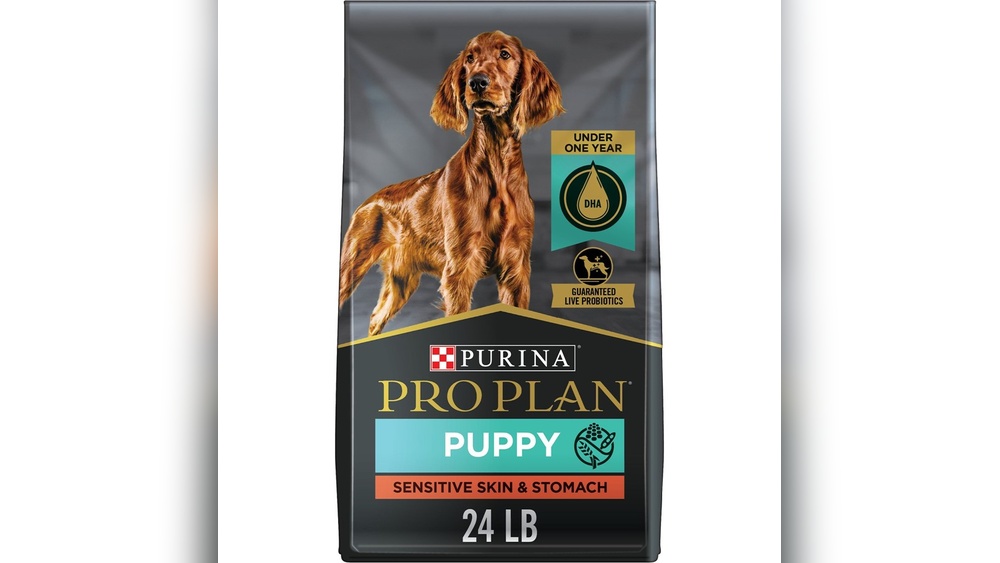
Finding the best puppy food for dogs with sensitive stomachs can feel overwhelming. You want your puppy to grow healthy and strong, but digestive troubles make choosing the right food tricky.
What if you could give your furry friend meals that soothe their tummy and keep them happy? You’ll discover simple, effective options that protect your puppy’s digestion without sacrificing taste or nutrition. Keep reading to learn how to make your puppy’s mealtime stress-free and full of joy.
Credit: www.fredmeyer.com
Signs Of Sensitive Stomachs In Puppies
Puppies with sensitive stomachs can show many signs. These signs help owners spot issues early. Watching for symptoms can keep puppies healthy. Early care helps avoid serious problems later.
Common Symptoms To Watch
Look for vomiting or frequent diarrhea. Loose stools may last more than a day. Notice if your puppy is often gassy. Sudden changes in appetite can signal trouble. Your puppy might act tired or weak. Stomach bloating or discomfort is a red flag. Excessive licking or chewing of the belly can mean pain. Weight loss without reason also needs attention.
When To Consult A Vet
Visit a vet if symptoms last more than two days. Seek help if your puppy refuses food or water. Blood in stool or vomit needs urgent care. Signs of dehydration like dry gums require a vet. Extreme lethargy or weakness is serious. A vet can diagnose and suggest the best food. Early treatment helps your puppy feel better faster.
Credit: training.unitedats.com
Ingredients To Avoid
Choosing the right food for puppies with sensitive stomachs means avoiding certain ingredients. Some components can cause discomfort, allergies, or digestive issues. Knowing what to skip helps keep your puppy happy and healthy.
Common Irritants
Wheat, corn, and soy often irritate sensitive stomachs. These grains can cause allergies or upset digestion. Dairy products like milk and cheese may also lead to stomach problems. Artificial colors and flavors can trigger reactions too. Avoid these to reduce the chance of tummy troubles.
Additives And Fillers
Fillers like by-products and meat meals provide little nutrition and may upset digestion. Artificial preservatives such as BHA, BHT, and ethoxyquin can harm your puppy’s health over time. Look for foods without these chemicals. Natural ingredients are gentler and easier to digest.
Key Nutrients For Sensitive Puppies
Puppies with sensitive stomachs need special care in their diet. The right nutrients help them digest food easily and stay healthy. Choosing foods with gentle ingredients supports their growing bodies.
Key nutrients focus on easy digestion, gut health, and overall wellness. These nutrients reduce tummy troubles and improve nutrient absorption. Understanding these elements helps pick the best puppy food.
Easily Digestible Proteins
Proteins are vital for growth and muscle development. Sensitive puppies need proteins that break down quickly. Chicken, turkey, and fish are gentle choices. These proteins reduce the risk of stomach upset. Avoiding common allergens like beef or lamb helps too.
Fiber And Prebiotics
Fiber supports healthy digestion and regular bowel movements. Prebiotics feed good bacteria in the gut. This balance improves nutrient absorption and reduces gas or bloating. Ingredients like pumpkin and chicory root provide natural fiber and prebiotics. They keep the digestive system calm and strong.
Vitamins And Minerals
Vitamins and minerals support immune health and energy levels. Sensitive puppies need balanced amounts of zinc, vitamin E, and B vitamins. These nutrients help repair tissues and fight infections. Choosing foods with natural sources ensures better absorption. Avoid artificial additives that may irritate the stomach.
Top Puppy Foods For Sensitive Stomachs
Choosing the right food for puppies with sensitive stomachs is very important. Their digestive systems need gentle ingredients that do not cause upset. Feeding the best puppy food helps keep their tummy calm and supports healthy growth.
Many puppy foods are specially made for sensitive stomachs. These products use simple ingredients and avoid harsh fillers. This section covers top dry kibble, wet food, and grain-free options suitable for sensitive puppies.
Dry Kibble Options
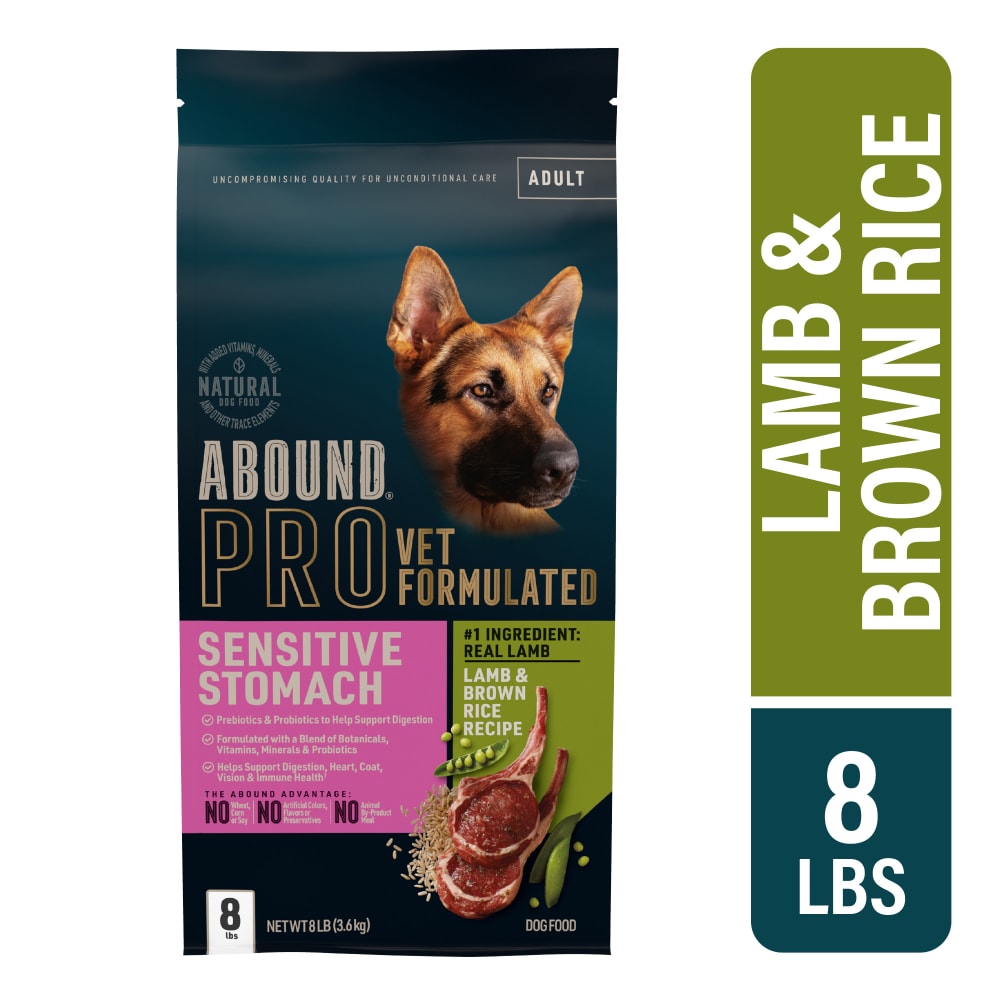
Dry kibble is easy to store and serve. Look for kibble with limited ingredients and high-quality protein. Chicken, lamb, or fish are good protein sources. Avoid artificial colors, flavors, and preservatives. Kibble with added probiotics can help digestion. It also supports a healthy gut and better nutrient absorption.
Wet Food Choices
Wet food offers higher moisture, which helps puppies stay hydrated. It is usually softer and easier to chew. Wet foods with simple recipes reduce stomach irritation. They often contain real meat and vegetables. Avoid recipes with grains or fillers that cause gas. Wet food can be mixed with dry kibble for variety.
Grain-free Alternatives
Grain-free puppy foods remove wheat, corn, and soy. These grains sometimes cause allergies or tummy problems. Grain-free diets use sweet potatoes, peas, or lentils as carbohydrate sources. They provide energy without upsetting sensitive stomachs. Many grain-free foods also include omega fatty acids for skin health. Always check labels to ensure balanced nutrition.
Homemade Diet Ideas
Homemade diets offer a gentle way to feed dogs with sensitive stomachs. Preparing meals at home helps control ingredients and avoid triggers. This approach lets you tailor food to your puppy’s needs and preferences.
Creating balanced meals is key. You want to keep your puppy healthy and happy. Homemade food can be simple and effective with the right recipes.
Simple Recipes
Start with boiled chicken or turkey. These meats are easy on the stomach and rich in protein. Add cooked rice or sweet potatoes for carbohydrates. These ingredients digest well and provide energy. Include steamed carrots or green beans for fiber and vitamins. Avoid spices and seasoning that may upset digestion. Serve small portions to monitor how your puppy reacts.
Balancing Nutrition
Balance protein, carbs, and fats in every meal. Protein builds muscles and keeps energy high. Carbohydrates fuel your puppy’s activities. Healthy fats support skin and coat health. Add a source of calcium, like crushed eggshells, for bones. Consult your vet about vitamin and mineral supplements. Variety in ingredients helps cover all nutritional needs. Keep track of your puppy’s weight and behavior to adjust meals.
Tips For Transitioning Foods
Changing your puppy’s food can be tricky, especially with a sensitive stomach. Sudden changes may cause upset tummies, diarrhea, or vomiting. Careful steps help your puppy adjust smoothly. Follow these tips for a gentle food transition.
Gradual Introduction
Start by mixing a small amount of new food with the old one. Use about 25% new food and 75% old food on the first day. Each day, increase the new food amount by 25%. By day four, your puppy should eat only the new food. This slow change helps the stomach get used to new ingredients.
Monitoring Reactions
Watch your puppy closely for any signs of discomfort. Look for vomiting, diarrhea, or lack of appetite. Check for changes in energy or behavior. If problems appear, slow down the transition or return to the old food. Keep a record of your puppy’s reactions during the switch. This helps you understand what works best for their sensitive stomach.
Supplements For Digestive Health
Supplements for digestive health can support puppies with sensitive stomachs. They help improve digestion and reduce discomfort. Adding the right supplements makes a big difference. These supplements work gently to balance the gut and aid nutrient absorption.
Probiotics And Enzymes
Probiotics are good bacteria that live in the gut. They help keep the digestive system healthy. Probiotics can reduce diarrhea and gas in puppies. Enzymes break down food into smaller parts. This helps puppies absorb nutrients better. Together, probiotics and enzymes improve digestion and boost gut health.
Herbal Remedies
Certain herbs soothe the stomach and calm digestion. Ginger helps reduce nausea and upset stomach. Fennel supports healthy digestion and eases bloating. Chamomile has calming effects on the digestive tract. These herbal remedies work naturally to comfort sensitive puppies. They can be added to food or given as supplements.

Credit: www.amazon.com
Frequently Asked Questions
What Ingredients Are Best For Sensitive Stomach Puppy Food?
Look for limited ingredients, easily digestible proteins, and gentle fibers. Avoid fillers, artificial additives, and common allergens like wheat or soy.
How To Choose Puppy Food For Sensitive Stomachs?
Select foods labeled for sensitive digestion with probiotics and prebiotics. Consult your vet to match your puppy’s specific needs and avoid irritants.
Can Sensitive Stomach Puppy Food Improve Digestion?
Yes, specially formulated foods help balance gut flora and reduce digestive upset. They support nutrient absorption and minimize symptoms like gas and diarrhea.
Are Grain-free Puppy Foods Better For Sensitive Stomachs?
Grain-free options can help if your puppy has grain allergies. However, not all sensitive stomachs require grain-free diets. Vet advice is crucial.
Conclusion
Choosing the right puppy food helps protect sensitive stomachs. Gentle ingredients support digestion and keep puppies happy. Pay attention to labels and avoid common irritants. Small changes can make a big difference in health. Trust your puppy’s reactions and adjust the diet as needed.
Healthy puppies grow strong and full of energy. Feeding them well today sets the stage for tomorrow. Keep their needs in mind for a happy, healthy life.