
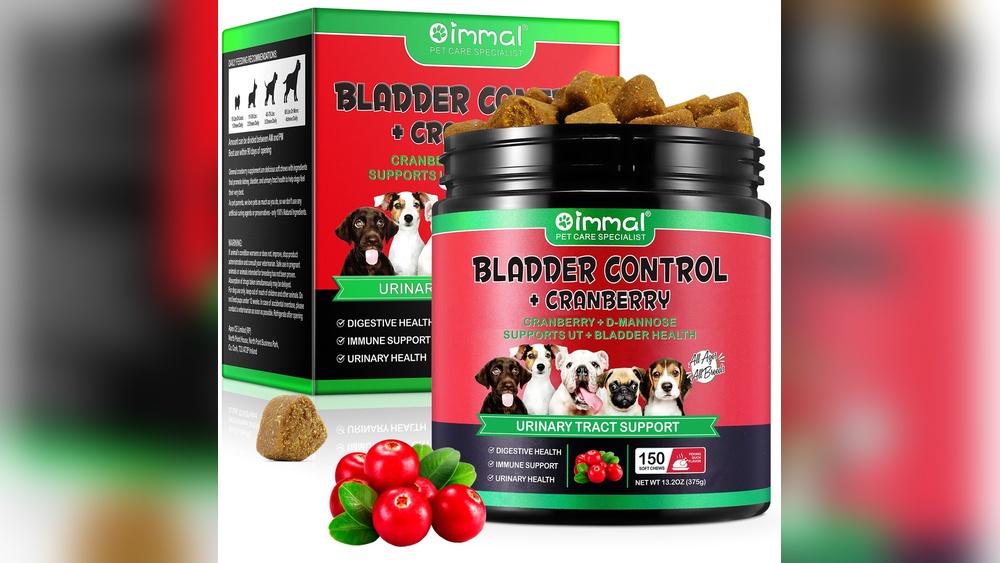
If your dog struggles with urinary incontinence, you know how challenging it can be for both of you. Finding the right dog food can make a real difference in managing this condition and improving your furry friend’s comfort.
You want a solution that supports their health without compromising on taste or nutrition. You’ll discover the best dog food options designed specifically to help control urinary issues and keep your pet happy and healthy. Keep reading to find the perfect choice for your loyal companion.
Credit: www.gruppodemas.com
Causes Of Urinary Incontinence In Dogs
Urinary incontinence in dogs happens when they lose control of their bladder. This problem can cause wet spots in the house and discomfort for your pet. Understanding the causes helps you find the best dog food and care for your dog’s health. Several factors can lead to this condition, including medical issues, age, and breed traits.
Common Medical Conditions
Certain illnesses make it hard for dogs to control urination. Urinary tract infections irritate the bladder and cause leaks. Bladder stones block normal urine flow. Spinal cord injuries disrupt nerve signals to the bladder. Hormone imbalances, like low estrogen, weaken muscles around the bladder. These conditions need treatment to improve your dog’s comfort.
Age-related Factors
Older dogs often develop urinary incontinence. Muscle tone weakens as dogs age. The bladder may not hold urine as well. Nerve function slows down with time. Senior dogs might need special diets to support bladder health. Regular vet check-ups help catch issues early.
Breed Predispositions
Some dog breeds are more likely to have urinary incontinence. Large breeds like Dobermans and Boxers often face this problem. Small breeds such as Dachshunds also show higher risk. These breeds may inherit weaker bladder muscles. Knowing breed risks guides better care and diet choices.
Key Nutrients For Urinary Health
Proper nutrition plays a big role in managing urinary incontinence in dogs. Certain nutrients support urinary tract health and reduce discomfort. Feeding your dog the right food helps keep their bladder strong and healthy. Below are key nutrients that make a difference for urinary health.
Role Of Moisture Content
High moisture in dog food helps flush the urinary tract. It reduces the risk of urinary crystals and stones. Wet food or adding water to dry food increases water intake. Proper hydration keeps the bladder clean and supports healing.
Importance Of Balanced Minerals
Minerals like magnesium, calcium, and phosphorus affect urine pH and crystal formation. Balanced mineral levels prevent urinary stones and infections. Too much or too little of these minerals can cause problems. Choose dog food with controlled mineral content for urinary health.
Benefits Of Omega Fatty Acids
Omega fatty acids reduce inflammation in the urinary tract. They support cell repair and improve bladder lining health. These fats also boost the immune system. Including omega-3 and omega-6 fatty acids in the diet helps ease urinary discomfort.
Types Of Dog Food For Incontinence
Choosing the right type of dog food helps manage urinary incontinence better. Food affects bladder health and urine quality. Different types of dog food offer unique benefits. Understanding these options helps pick the best diet for your dog’s needs.
Wet Vs. Dry Food
Wet food contains more moisture than dry food. This extra moisture helps keep your dog hydrated. Hydration supports urinary tract health. Dry food is easier to store and lasts longer. Some dogs prefer the texture of wet food. Both types can be good, depending on your dog’s preference and health.
Prescription Diets
Prescription diets are made by veterinarians for specific health issues. These diets often help reduce bladder irritation. They control mineral levels to prevent stones and infections. Prescription foods also support kidney and urinary health. Always use prescription diets under vet guidance. They provide targeted nutrition for dogs with incontinence.
Natural And Holistic Options
Natural and holistic dog foods use whole ingredients. They avoid artificial additives and preservatives. These foods focus on balanced nutrition and gentle ingredients. Herbs and supplements may support bladder strength. Natural diets suit dogs with sensitivities. They offer a gentle way to improve urinary health.

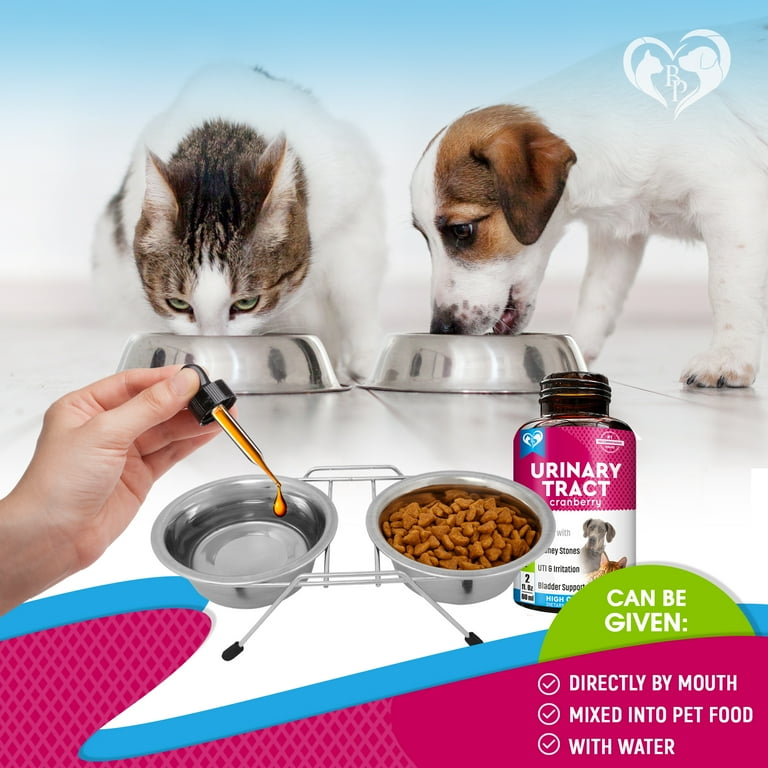
Credit: www.ubuy.bi
Top Dog Food Brands For Urinary Support
Choosing the right dog food supports urinary health and helps manage incontinence. Some brands focus on ingredients that promote bladder strength and reduce urinary issues. Quality dog food can improve comfort and reduce accidents.
Below are top dog food brands designed to support urinary health in dogs. Each brand offers unique benefits for urinary care.
Brand A: Features And Benefits
Brand A uses natural ingredients to support bladder health. It contains low magnesium and controlled minerals to reduce urinary crystals. The food includes added vitamins to promote urinary tract strength. It comes in both dry and wet options to suit different dogs. Many pet owners find it helps reduce urinary accidents.
Brand B: Features And Benefits
Brand B focuses on balanced nutrition with special urinary support formulas. It contains antioxidants to boost the immune system. The food is easy to digest and gentle on the bladder. It uses quality proteins and limited fillers to avoid irritation. Dogs often show better urinary function after using this brand.
Brand C: Features And Benefits
Brand C is rich in moisture, helping keep dogs hydrated. Its formula controls pH levels to prevent urinary crystals. The brand includes omega fatty acids to reduce inflammation. It offers both grain-free and standard recipes for sensitive dogs. Many vets recommend it for dogs with urinary incontinence.
Feeding Tips For Dogs With Incontinence
Feeding dogs with urinary incontinence needs special care. The right feeding habits help manage symptoms and improve comfort. Careful attention to meal times, water intake, and diet changes supports your dog’s health.
Meal Frequency And Portion Control
Offer smaller meals more often throughout the day. This reduces bladder pressure and controls urine flow better. Avoid large meals that strain the urinary system. Balanced portions help keep your dog at a healthy weight. Overfeeding can worsen incontinence symptoms.
Hydration Strategies
Keep fresh water available at all times. Proper hydration flushes the urinary tract and prevents infections. Some dogs may drink less if water is too cold or dirty. Use clean bowls and change water frequently. Wet food can also increase fluid intake.
Monitoring And Adjusting Diet
Watch your dog’s reaction to new foods carefully. Some ingredients may irritate the bladder or cause allergies. Adjust the diet to reduce bladder strain and support urinary health. Consult your vet for recommended food types. Regular checks help catch problems early and improve care.
When To Consult A Veterinarian
Urinary incontinence in dogs requires careful attention. Knowing when to consult a veterinarian helps protect your dog’s health. Early veterinary advice can prevent complications and improve comfort.
Signs Of Worsening Condition
Watch for frequent accidents or new urine stains. Strong odor or blood in urine signals trouble. Your dog may lick the area more often. Sudden changes in behavior or appetite also matter. These signs mean a vet visit is urgent.
Dietary Concerns
Some dog foods can worsen urinary issues. Avoid foods high in salt or artificial additives. A vet can recommend diets that support bladder health. Special diets help reduce irritation and control symptoms. Never change your dog’s diet without professional advice.
Additional Treatment Options
Veterinarians offer more than diet changes. Medications can improve bladder control and reduce leaks. Physical therapy or supplements might also help. Surgery is a last option in severe cases. Professional guidance ensures the best care plan for your dog.

Credit: www.gruppodemas.com
Frequently Asked Questions
What Ingredients Help With Dog Urinary Incontinence?
Ingredients like cranberry extract, pumpkin, and omega-3 fatty acids support urinary health. These help reduce inflammation and strengthen the bladder. Low sodium and high fiber also improve urinary control. Choosing dog food with these ingredients can ease urinary incontinence symptoms effectively.
Can Diet Improve My Dog’s Bladder Control?
Yes, a balanced diet with urinary-supportive nutrients improves bladder function. Foods rich in antioxidants and moisture help flush out toxins. Special formulas reduce urinary pH to prevent infections. Proper nutrition supports muscle strength and reduces incontinence frequency in dogs.
Is Wet Or Dry Dog Food Better For Urinary Issues?
Wet dog food is often better for urinary health due to higher moisture content. Increased hydration helps dilute urine and reduce irritation. However, some dry foods are formulated with urinary care ingredients. Consult your vet to choose the best option for your dog.
How Does Low Sodium Dog Food Affect Incontinence?
Low sodium reduces water retention and bladder pressure. This helps control urinary leakage and discomfort. A low-salt diet supports overall kidney and urinary tract health. It is a key factor in managing canine urinary incontinence through diet.
Conclusion
Choosing the right dog food helps manage urinary incontinence well. A diet rich in moisture and balanced nutrients supports your dog’s health. Always check ingredients for bladder support and avoid harmful additives. Consult your vet for personalized advice and safe options.
Feeding your dog properly can improve comfort and reduce accidents. Small changes in diet make a big difference over time. Keep your furry friend happy and healthy with good nutrition. Simple steps bring lasting benefits to dogs with urinary issues.


