Choosing the best dog food for your small breed senior dog isn’t just about filling their bowl. As your furry friend gets older, their needs change, and what worked before might not work now.
You want to give your loyal companion food that supports their energy, joints, and overall health. But with so many options out there, how do you know which one is truly right for your small senior dog? Keep reading, because we’ve uncovered the top choices that can help your dog stay happy, healthy, and full of life in their golden years.
Nutritional Needs Of Senior Small Breeds
Senior small breed dogs have unique nutritional needs. Their bodies change as they age. They need food that supports health and energy. Choosing the right diet helps them stay active and happy. Nutrients must match their size and age.
Small breeds age faster than large breeds. Their metabolism slows down. Their joints may need extra care. Their calorie needs also change. Understanding these needs is key to good nutrition.
Key Nutrients For Aging Dogs
Protein supports muscle maintenance and repair. High-quality protein is important for small seniors. Fat provides energy but should be balanced. Omega-3 fatty acids reduce inflammation and support brain health. Fiber helps with digestion and prevents constipation. Vitamins and minerals boost immunity and overall health.
Calorie Requirements
Senior small dogs need fewer calories than younger dogs. Their activity level often decreases. Excess calories can cause weight gain and health issues. Feeding the right calorie amount keeps them fit. Portion control is important to avoid obesity.
Importance Of Joint Support
Joint problems are common in older small dogs. Glucosamine and chondroitin help maintain joint health. These supplements reduce pain and improve mobility. Omega-3 fatty acids also support joint function. Proper joint care improves quality of life for seniors.
Choosing The Right Dog Food
Choosing the right dog food for small breed senior dogs is important for their health. Older dogs have different needs than younger ones. Their metabolism slows down, and they may need fewer calories but more nutrients. The right food supports their joints, digestion, and energy levels. It also helps maintain a healthy weight and strong immune system.
Wet Vs. Dry Food Options
Wet food contains more moisture, which helps keep dogs hydrated. It often tastes better and is easier to chew for senior dogs with dental issues. Dry food is more convenient to store and usually costs less. It can help clean teeth by reducing plaque. Some owners mix both types for variety and balance.
Grain-free And Limited Ingredient Diets
Grain-free diets do not have wheat, corn, or soy. Some dogs may be allergic to grains, so grain-free can reduce allergies. Limited ingredient diets have fewer ingredients to lower the risk of reactions. These diets are simple and gentle on sensitive stomachs. Always check with a vet before changing diets.
Reading Dog Food Labels
Labels show the ingredients and nutrient content. Look for high-quality protein like chicken or fish listed first. Avoid foods with many fillers like corn or by-products. Check for added vitamins and minerals for senior dogs. Ingredients should be easy to understand. Freshness date and manufacturer details are also important.
Top Dog Food Brands For Small Senior Dogs
Choosing the right dog food brand for small senior dogs is key to their health. Senior dogs need food that supports their joints, digestion, and energy levels. Many brands create special recipes for small breed seniors. These recipes have smaller kibble sizes and balanced nutrients. Quality ingredients help keep your dog strong and happy in their older years.
Premium Kibble Choices
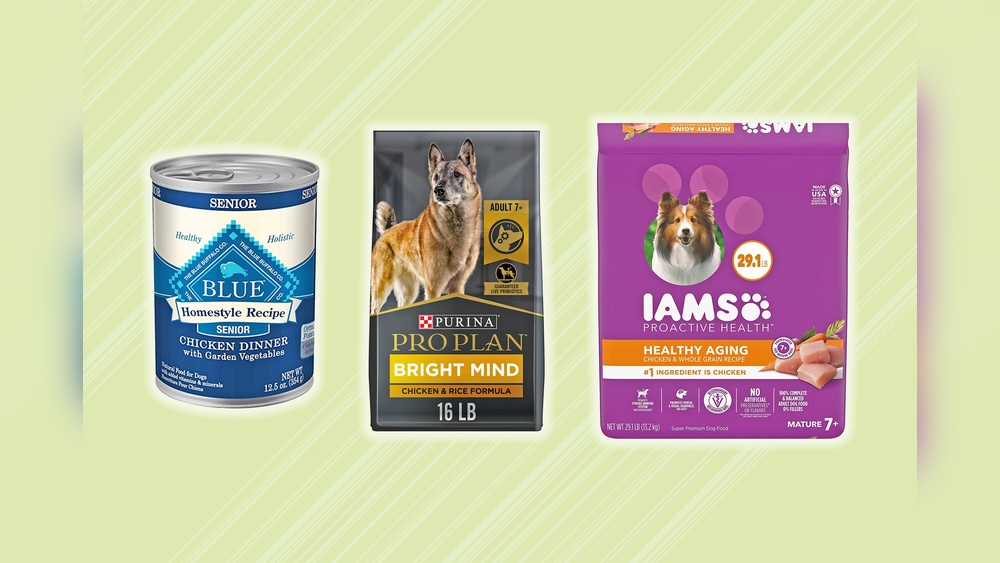
Premium kibble brands focus on high-quality proteins and easy digestion. These kibbles include nutrients to support joints and brain health. Small kibble size makes eating easier for tiny mouths. Common ingredients are chicken, fish, and whole grains. Brands like Blue Buffalo and Wellness offer good options for seniors. These choices help maintain healthy weight and energy.
Best Canned Foods
Canned dog food offers moisture that helps with hydration. It is softer and easier to chew for older dogs. Many canned foods have rich flavors that appeal to picky eaters. Look for brands with real meat and no fillers. Merrick and Natural Balance provide top canned foods for small senior dogs. These foods support digestion and provide balanced nutrition.
Specialty Formulas For Seniors
Specialty formulas target the unique needs of aging dogs. These foods often include glucosamine for joint health. They may have antioxidants to boost the immune system. Low-calorie options prevent weight gain in less active dogs. Nutro and Hill’s Science Diet make trusted senior formulas. Feeding these can improve your dog’s comfort and vitality.

Credit: www.amazon.com
Homemade And Natural Alternatives
Choosing homemade and natural food options for small breed senior dogs can be a healthy choice. Fresh ingredients often provide better nutrition and fewer fillers than commercial foods. Cooking meals at home gives control over what your dog eats.
Natural foods support aging dogs by providing essential nutrients in gentle forms. They help maintain energy, joint health, and a strong immune system. Homemade meals allow adjustments to meet your dog’s specific needs.
Balanced Home-cooked Meals
Make meals with lean proteins like chicken or turkey. Add cooked vegetables such as carrots, peas, and green beans. Include grains like rice or oats for energy. Measure portions to avoid overfeeding. Use recipes designed for senior dogs to cover all nutrient needs.
Supplements To Consider
Consider adding fish oil for healthy skin and joints. Glucosamine supports cartilage and reduces arthritis pain. Probiotics aid digestion and gut health. Always check with a vet before adding supplements to your dog’s diet.
Foods To Avoid
Avoid onions, garlic, and chocolate as they can harm dogs. Stay away from grapes, raisins, and avocados. Do not feed raw dough or bones that can splinter. Limit salt, sugar, and fatty foods to protect your dog’s health.
Feeding Tips For Small Senior Dogs
Feeding small senior dogs requires special care and attention. Their needs change as they age. Proper feeding helps keep them healthy and active. Small senior dogs have slower metabolisms and different energy levels. Choosing the right feeding approach supports their well-being.
Portion Control
Small senior dogs need smaller food portions. Overfeeding can lead to weight gain and health problems. Measure food carefully using a standard cup or scale. Follow your vet’s advice on the correct portion size. Adjust portions based on your dog’s activity and condition.
Feeding Frequency
Feed small senior dogs multiple small meals daily. Two to three meals help with digestion and energy. Smaller meals reduce the risk of stomach upset. Regular feeding times create a routine your dog will expect. Avoid free-feeding to control calorie intake.
Monitoring Weight And Health
Watch your dog’s weight regularly. Sudden weight loss or gain may signal health issues. Check your dog’s body condition by feeling ribs and waist. Visit the vet for regular health check-ups. Early detection of problems improves treatment success.

Credit: ibew12.org
:strip_icc()/81agmT-dsL._AC_SL1500_-40246081c66f4e6c992e8846d5d570c0.jpg)
Credit: jobmer.org
Frequently Asked Questions
What Ingredients Are Best For Senior Small Breed Dog Food?
High-quality protein, healthy fats, and antioxidants are essential. Look for glucosamine and omega-3 fatty acids to support joints and coat health. Avoid fillers and artificial additives for better digestion and overall well-being.
How Much Should I Feed My Senior Small Breed Dog?
Feed smaller portions more frequently to match their slower metabolism. Monitor weight and adjust food based on activity level and health. Consult your vet for personalized feeding guidelines.
Can Senior Small Breed Dogs Eat Regular Adult Dog Food?
Regular adult food may lack nutrients senior dogs need. Senior formulas support aging joints, digestion, and energy levels. It’s best to switch to senior-specific food as your dog ages.
How To Choose The Right Dog Food For Small Senior Dogs?
Check for age-appropriate nutrients, portion size, and ingredient quality. Read labels for added joint support and antioxidants. Consider your dog’s health issues and consult your vet for recommendations.
Conclusion
Choosing the right food helps small senior dogs stay healthy and happy. Their needs change as they age. Foods rich in nutrients support energy and joint health. Small bites make eating easier for tiny mouths. Always check the ingredients and avoid fillers.
Consult your vet to pick the best option. A good diet can improve your dog’s quality of life. Healthy meals mean more playful, comfortable years ahead. Care and attention matter most for aging pups.