If you have a Red Nose Pitbull, you want the best for your loyal companion. Choosing the right dog food can make a huge difference in your dog’s health, energy, and happiness.
But with so many options out there, how do you know which one is truly the best for your Red Nose Pitbull? This guide will help you find the perfect food that meets your dog’s unique needs. Keep reading to discover what ingredients to look for, what to avoid, and how to give your Red Nose Pitbull the nutrition they deserve.
Your dog’s well-being starts with the right meal—let’s make sure you get it right.
Nutritional Needs Of Red Nose Pitbulls
Red Nose Pitbulls are strong and active dogs. Their diet must support their muscular build and high energy. Good nutrition helps them stay healthy and live longer. Understanding their nutritional needs is key to picking the best dog food.
Protein Requirements
Protein builds and repairs muscles. Red Nose Pitbulls need a high-protein diet. Look for foods with 25% or more protein. Meat like chicken, beef, or fish is a great source. Protein also keeps their energy levels up.
Essential Fats
Fats give energy and keep skin healthy. Omega-3 and Omega-6 fats help their coat shine. These fats support brain and heart health. Good sources include fish oil and flaxseed. Avoid too much fat to prevent weight gain.
Vitamins And Minerals
Vitamins and minerals support the immune system. Calcium and phosphorus keep bones strong. Vitamin A helps with vision and skin. Zinc and iron aid in overall health. Balanced dog food usually contains these nutrients.
Common Allergies
Red Nose Pitbulls can have food allergies. Common allergens include wheat, corn, and soy. Some dogs react to certain proteins like chicken. Watch for itching, redness, or upset stomach. Choose hypoallergenic or limited-ingredient foods if needed.
Credit: shnakhat.com
Types Of Dog Food For Red Nose Pitbulls
Choosing the right food type for Red Nose Pitbulls is key to their health. Different foods provide different nutrients and benefits. Understanding these types helps you pick the best option for your dog’s needs.
Each type of dog food offers unique advantages. Some focus on convenience, others on freshness or nutritional control. Let’s explore the main types of dog food for Red Nose Pitbulls.
Dry Kibble Benefits
Dry kibble is easy to store and serve. It keeps well without refrigeration. This food type helps clean teeth by reducing plaque buildup. Kibble is usually affordable and widely available. It also contains balanced nutrients for active dogs.
Wet Food Advantages
Wet food is soft and easy to chew. It often has a stronger smell and taste dogs enjoy. This option helps keep dogs hydrated with higher moisture content. Wet food can be great for picky eaters. It usually contains more protein and fewer carbohydrates.
Raw Diet Options
Raw diets use fresh meat, bones, and vegetables. This type mimics a dog’s natural diet in the wild. It may improve coat shine and energy levels. Raw feeding requires careful handling to avoid bacteria. Many owners prefer raw diets for natural nutrition.
Homemade Meals
Homemade meals let you control every ingredient. You can include fresh meats, vegetables, and grains. This option suits dogs with allergies or sensitivities. It takes time and knowledge to balance meals properly. Homemade food offers variety and freshness daily.
Top Ingredients To Look For
Choosing the best dog food for Red Nose Pitbulls means checking the ingredients carefully. Good ingredients help your dog stay strong and healthy. Some ingredients give energy. Others keep the coat shiny and the joints healthy. Understanding these ingredients helps you pick the right food.
High-quality Proteins
Proteins build muscles and repair tissues. Look for meats like chicken, beef, or fish listed first. Avoid foods with too many fillers or by-products. Protein from real meat is easier to digest. It supports your Pitbull’s active lifestyle and strength.
Whole Grains And Carbs
Whole grains provide energy and fiber. Brown rice, oats, and barley are good choices. These carbs release energy slowly. They keep your dog full and active longer. Avoid simple carbs like corn or wheat that offer less nutrition.
Fruits And Vegetables
Fruits and vegetables add vitamins and antioxidants. Carrots, sweet potatoes, blueberries, and spinach are excellent. These ingredients support the immune system and help fight illness. They also improve digestion and skin health.
Supplements And Additives
Supplements like omega-3 fatty acids help joint health and coat shine. Glucosamine supports strong joints and mobility. Probiotics improve digestion and nutrient absorption. Look for natural additives and avoid artificial colors or flavors.
Credit: rawalinstitutions.com
Avoiding Harmful Ingredients
Choosing the right food for your Red Nose Pitbull means avoiding harmful ingredients. These can cause health problems and reduce your dog’s energy. Healthy food supports a strong body and shiny coat. Understanding what to avoid helps keep your dog happy and safe.
Artificial Preservatives
Artificial preservatives keep food fresh longer. Some common ones include BHA, BHT, and ethoxyquin. These chemicals may harm your dog’s liver and kidneys. They can cause allergies and skin problems too. Choose dog food with natural preservatives like vitamin E or rosemary extract.
Fillers And By-products
Fillers add bulk to dog food but offer little nutrition. Common fillers are corn, wheat, and soy. By-products are leftover parts from animals not fit for human use. These can include feathers, beaks, or feet. Avoid fillers and by-products to give your dog real meat and nutrients.
Excessive Sugar And Salt
Too much sugar in dog food can lead to obesity and diabetes. Salt in large amounts may cause dehydration and kidney problems. Dogs need a balanced amount of these ingredients. Look for dog food with low sugar and salt levels for better health.
Common Toxic Foods
Some human foods are toxic to dogs. Chocolate, grapes, raisins, onions, and garlic can cause serious illness. Avoid dog food with these ingredients or any unknown additives. Always check the label to keep your Red Nose Pitbull safe from toxins.
Best Dog Food Brands For Red Nose Pitbulls
Choosing the right food brand supports the health of Red Nose Pitbulls. These dogs need balanced nutrition for strong muscles and shiny coats. Quality dog food brands use ingredients that match their energy and health needs. Some brands focus on real meat, vitamins, and minerals that help with digestion and immunity. Feeding your Red Nose Pitbull the best food helps keep them active and happy every day.
Premium Dry Food Picks
Dry dog food is convenient and helps keep teeth clean. Brands like Blue Buffalo and Wellness offer formulas rich in protein and low in fillers. These foods include chicken, fish, or lamb as main ingredients. They contain essential fatty acids that improve skin and coat health. Choose dry foods with no artificial colors or preservatives for better digestion.
Top Wet Food Choices
Wet dog food has high moisture, which helps with hydration. Brands such as Merrick and Natural Balance create tasty, nutrient-rich wet foods. These options use real meat and vegetables to support muscle and joint health. Wet food can be mixed with dry kibble to add flavor and variety. It is easy to digest, making it a good choice for picky eaters.
Recommended Raw Food Brands
Raw food diets mimic a dog’s natural eating habits. Brands like Primal and Stella & Chewy’s offer raw meals with meat, organs, and bones. These foods provide natural enzymes and nutrients that boost immune systems. Raw diets may improve energy and coat shine in Red Nose Pitbulls. Always choose raw food brands that follow strict safety and quality standards.
Feeding Tips For Optimal Health
Feeding your Red Nose Pitbull properly supports their health and energy. This breed needs balanced nutrition and careful feeding habits. Following key tips helps keep your dog strong and happy. Focus on portion size, timing, water intake, and changing food carefully.
Portion Control
Give your Pitbull the right food amount each day. Too much food causes weight gain and health issues. Too little food leads to low energy and poor growth. Use your dog’s weight and activity level to find the correct portion. Measure food with a cup or scale for accuracy. Adjust portions as your dog ages or changes activity.
Feeding Schedule
Set regular meal times for your dog. Most Red Nose Pitbulls do well with two meals daily. Feeding at the same time helps digestion and routine. Avoid free feeding to prevent overeating. Keep calm during mealtime to reduce stress. Consistent feeding times improve your dog’s behavior and health.
Hydration Importance
Water is vital for your Pitbull’s health. Fresh water should always be available. Proper hydration supports digestion, skin health, and energy. Watch for signs of dehydration like dry gums or lethargy. Offer water before and after exercise. Clean the water bowl daily to keep it fresh.
Transitioning Foods
Change your dog’s food slowly to avoid stomach upset. Mix new food with old over 7 to 10 days. Increase the new food amount gradually. Watch your dog for digestion issues during this time. Sudden changes can cause vomiting or diarrhea. A smooth transition keeps your Pitbull happy and healthy.
Special Dietary Considerations
Red Nose Pitbulls have unique nutritional needs. Their diet impacts health and energy levels. Special care helps them stay strong and happy. Feeding the right food supports their specific body functions.
Each Pitbull may need different nutrients at different life stages. Weight, joints, skin, and age influence food choices. Understanding these needs can improve their quality of life.
Weight Management
Red Nose Pitbulls tend to gain weight easily. Controlling calories prevents obesity and related health issues. Choose foods with balanced protein and fat. High fiber helps them feel full longer. Regular exercise also supports a healthy weight.
Joint Health Support
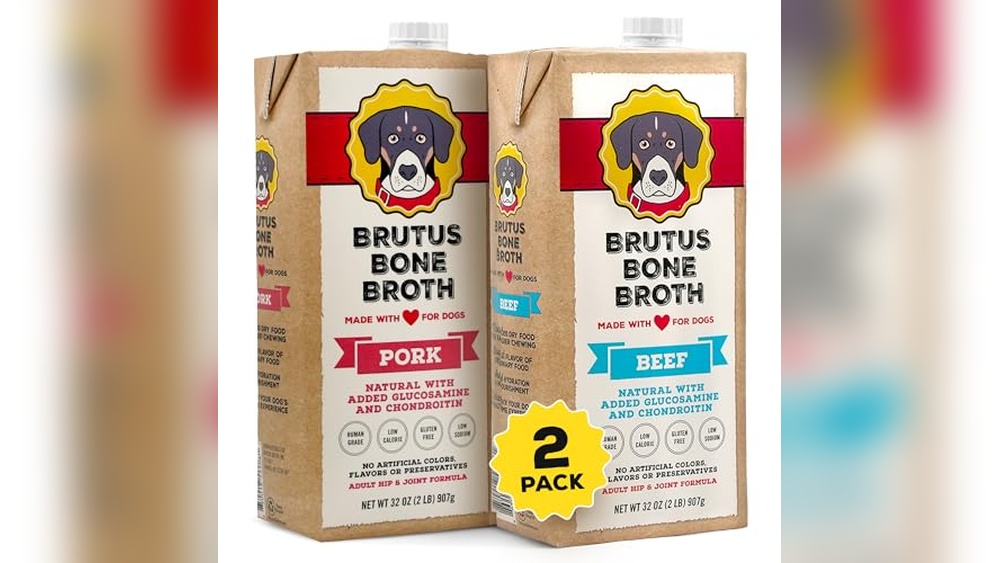
Strong joints keep Pitbulls active and pain-free. Look for dog food with glucosamine and chondroitin. Omega-3 fatty acids reduce inflammation in joints. These nutrients support cartilage and mobility. Proper joint care helps avoid arthritis later.
Skin And Coat Care
Their short coat needs nutrients for shine and health. Foods rich in omega-6 and omega-3 fatty acids nourish skin. Vitamins A and E prevent dryness and itching. Good skin care reduces allergies and infections. A healthy coat shows overall well-being.
Puppy Vs Adult Diets
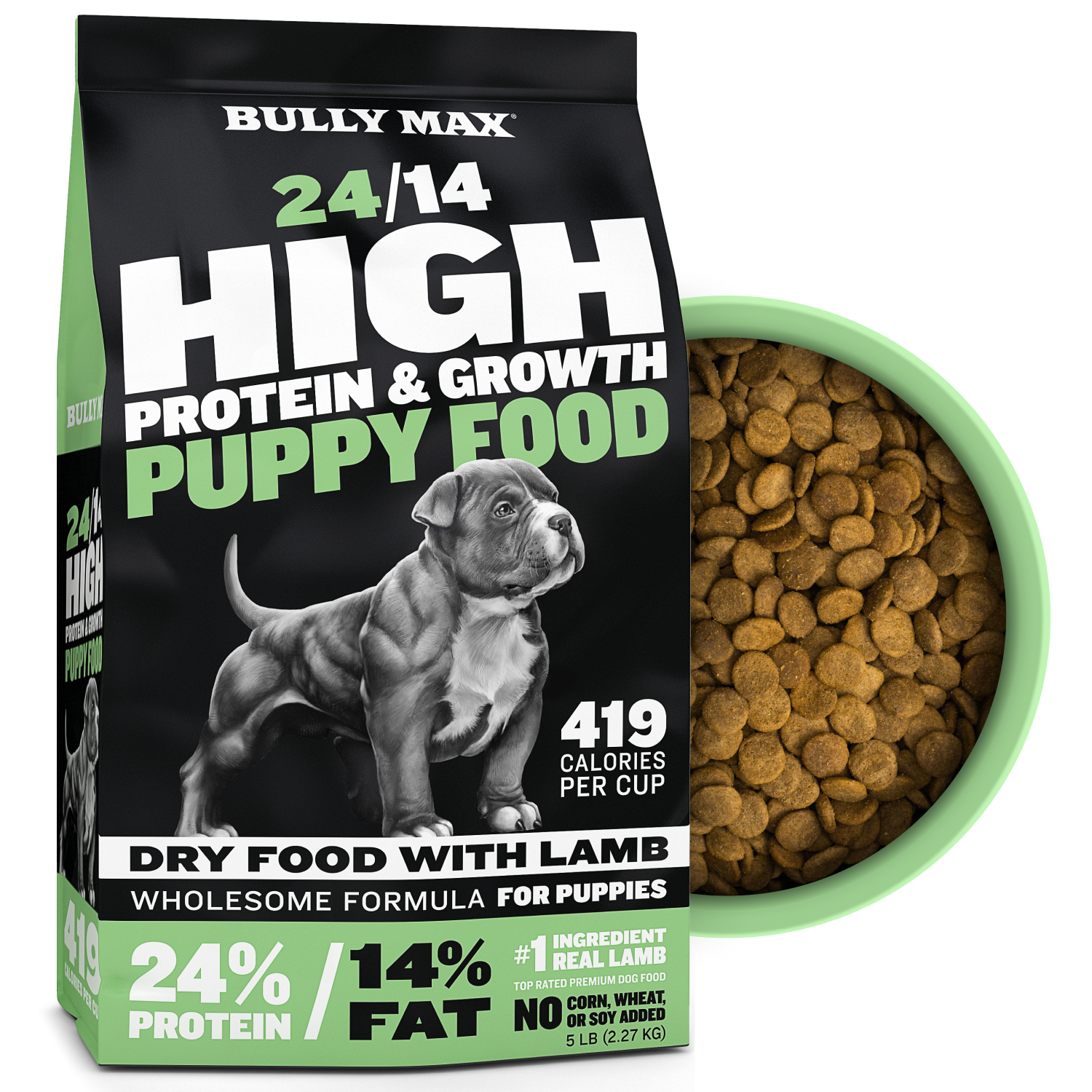
Puppies need more calories and protein for growth. Their food supports bone and muscle development. Adult Pitbulls require balanced nutrition to maintain health. Avoid puppy food for adults to prevent weight gain. Feeding age-appropriate diets keeps dogs fit and strong.

Credit: ipr.iitr.ac.in
Frequently Asked Questions
What Is The Best Diet For Red Nose Pitbulls?
A balanced diet rich in high-quality protein supports Red Nose Pitbulls’ muscle strength. Include healthy fats and essential vitamins for energy and coat health.
How Often Should Red Nose Pitbulls Eat Daily?
Feed adult Red Nose Pitbulls twice a day to maintain energy and avoid overeating. Puppies may need three to four smaller meals daily for growth.
Are Grain-free Foods Good For Red Nose Pitbulls?
Grain-free foods can benefit Red Nose Pitbulls with allergies. However, consult a vet before switching diets to ensure balanced nutrition.
Which Ingredients Are Harmful To Red Nose Pitbulls?
Avoid foods with artificial preservatives, fillers, and excessive grains. Ingredients like chocolate, onions, and grapes are toxic and should never be fed.
Conclusion
Choosing the right food helps your Red Nose Pitbull stay healthy. Good nutrition supports strong muscles and shiny coats. Always pick dog food with quality ingredients and balanced nutrients. Pay attention to your dog’s energy and digestion. Fresh water is important too.
Feeding your dog well makes a big difference in their life. Small changes can improve their health and happiness. Trust your instincts and care for your loyal friend. The best dog food keeps your Pitbull active and joyful every day.